




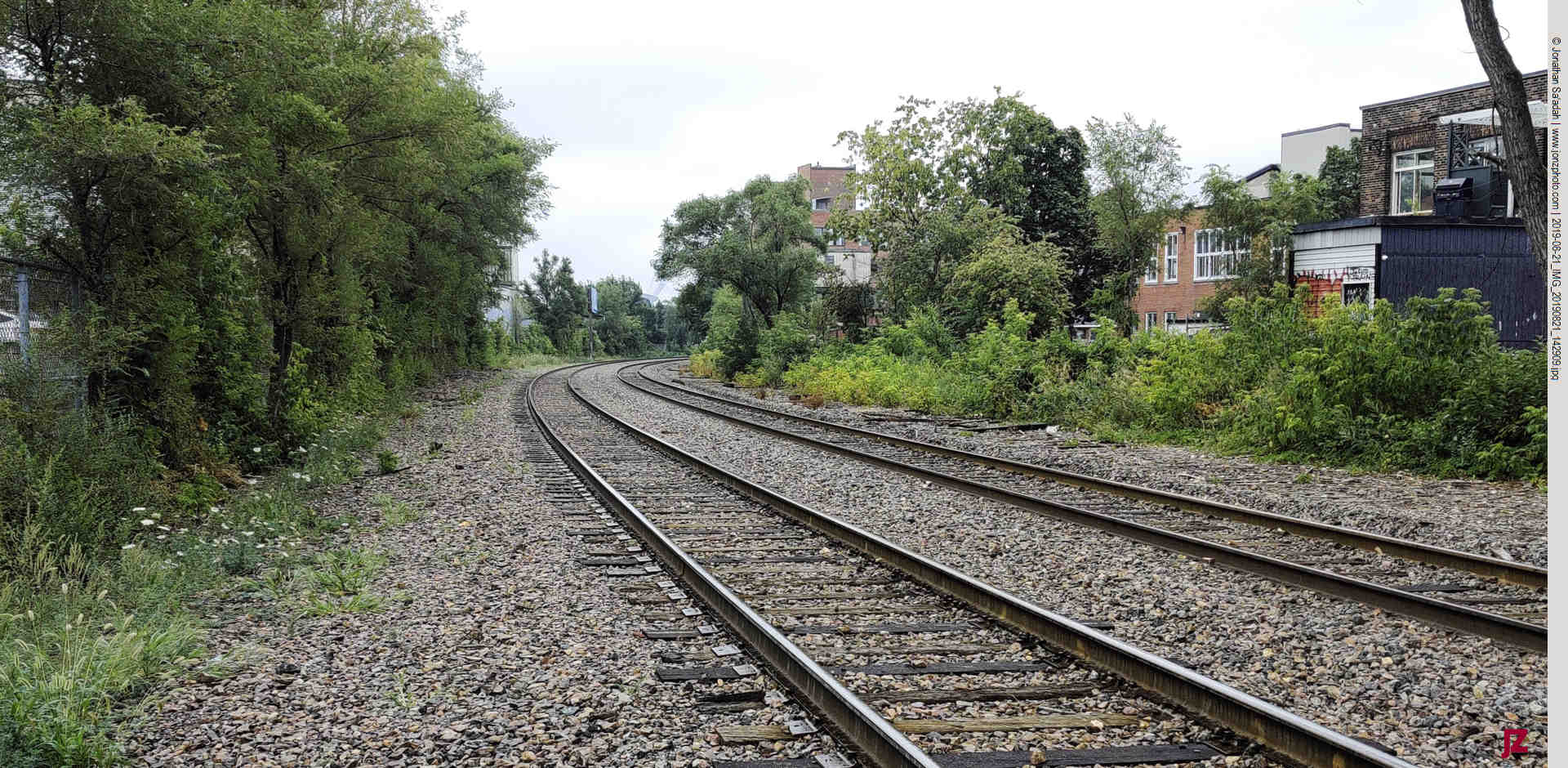
In 2006 we had just been granted permanent residency in Quebec and were looking for an artist’s studio space. It seemed most likely that we’d have success along the northern edge of the Plateau, in one of the semi-abandoned industrial buildings lining the Canadian Pacific railroad tracks. We searched and found several that matched what we wanted. The one we liked the most was on rue Masson, and we were told it had been a chocolate factory. That worked for me. Being in such a space, surrounded by rich, warm, and imaginary smells of cocoa being fashioned into chocolate bars, really struck a chord. Little did we know…
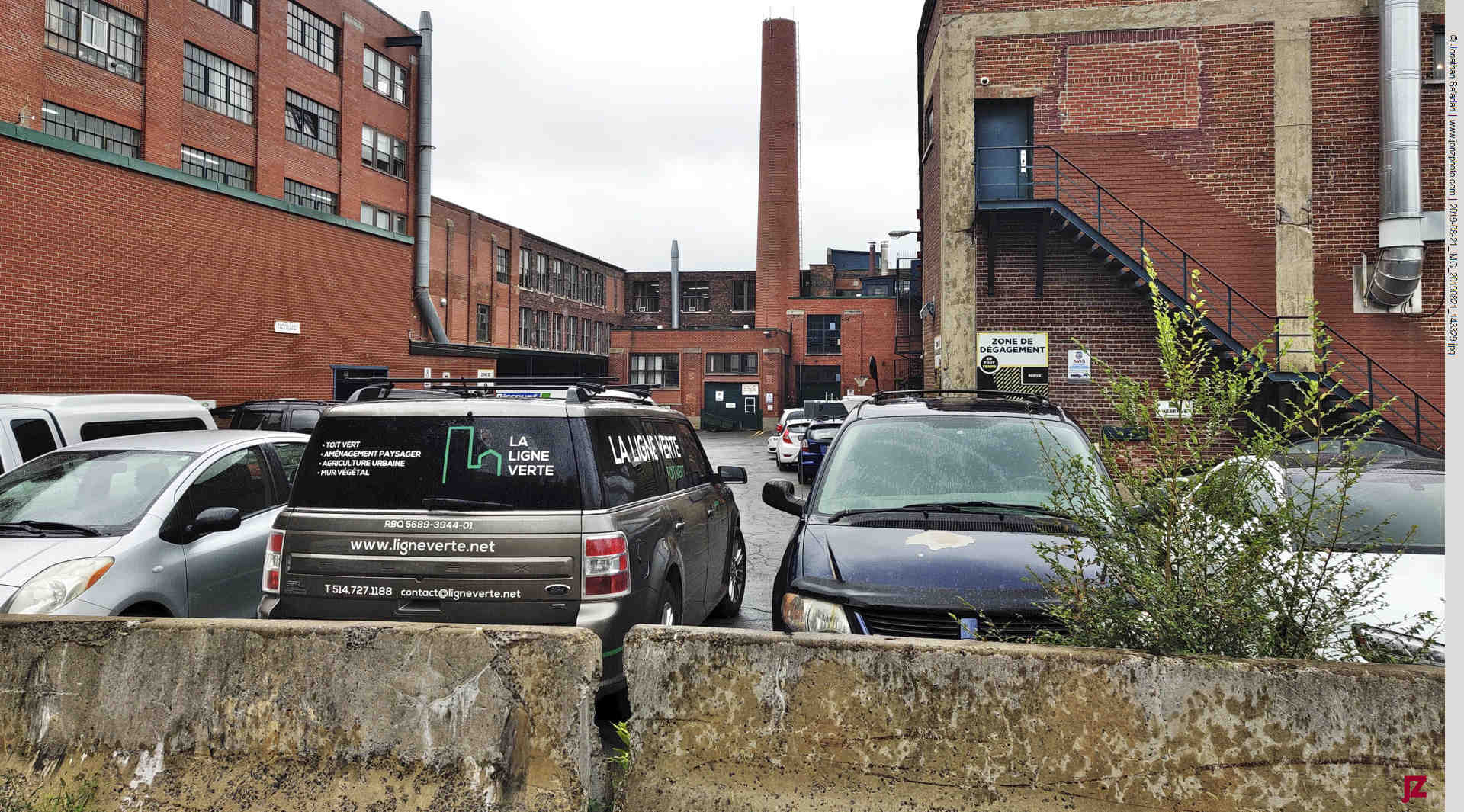
The Cadbury building, as we called it, was built in 1909 by Fry Cadbury Ltd, the Canadian arm of the English company that in 1847 produced the first eating chocolate bar. Cadbury turned chocolate from a bitter drink into a solid confection that could be sold, unwrapped and savoured, making a fortune on its products.
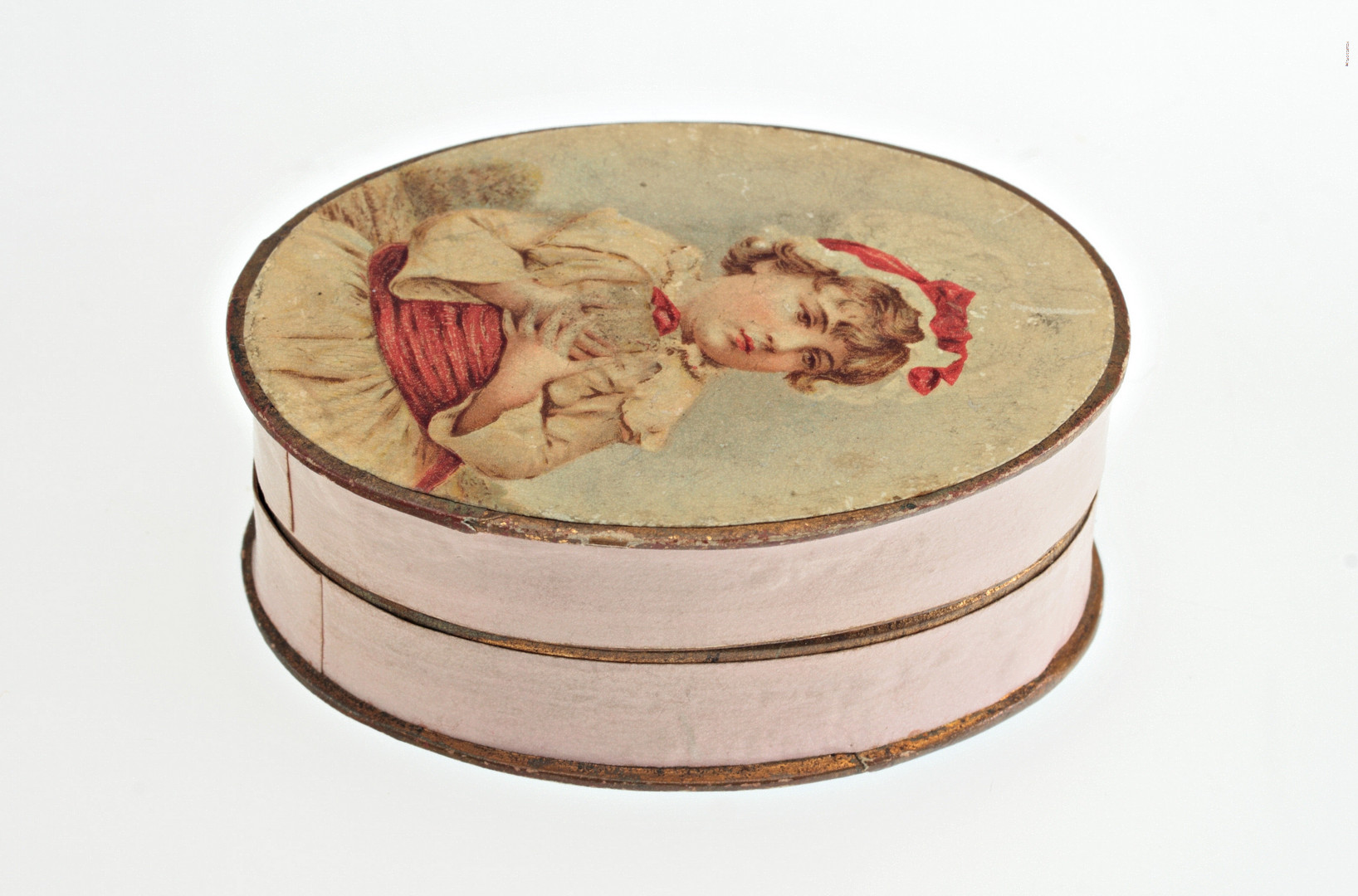
A small part of its operation was a five-story brick industrial building at 2025 rue Masson on the north edge of Montreal’s Plateau-Mont-Royal, solidly built and purposefully designed. Through much of the twentieth century the factory hummed along as a genuine anchor of the community, employing five hundred workers and producing candy bars by the millions: Caramilk, Dairy Milk, Crunchie. The building was part of the community fabric. The English company itself went through several corporate takeovers and transformations, but these changes had little effect on the rue Masson operation. That was to change abruptly.
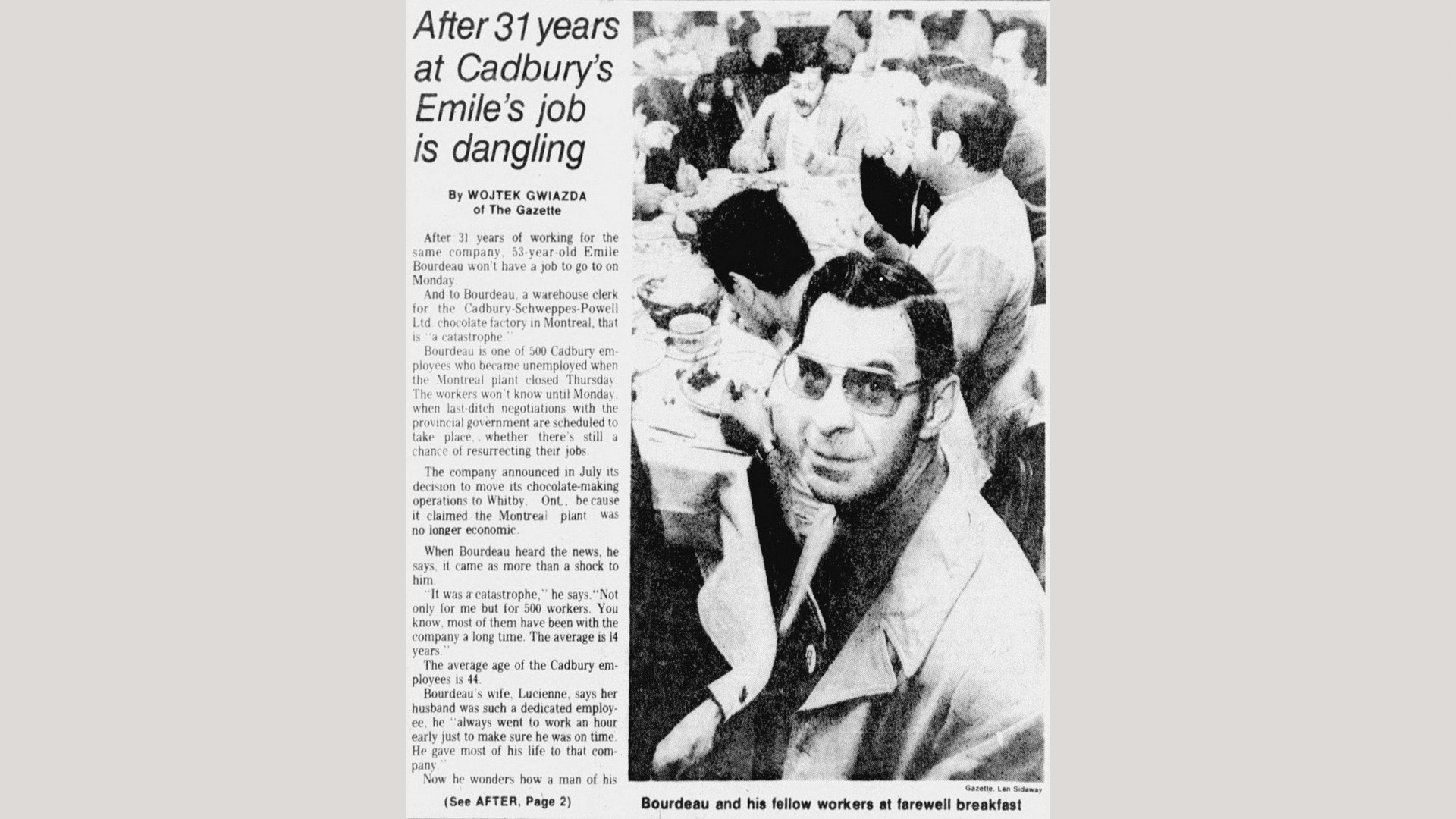
On Thursday evening, November 16, 1978, the Cadbury plant on rue Masson abruptly closed its doors. The company’s stated reason was economic: demand for chocolate bars had declined, and its Whitby, Ontario plant – east of Toronto – was more efficient. Consolidating production there simply made more financial sense, management claimed.
The timing was explosive. The closure came almost exactly two years after the election of the Parti Québécois (PQ) under René Lévesque on November 15, 1976 – the vote that had upended the political order in Quebec and stoked deep anxieties about sovereignty among English-Canadian and British-linked businesses. In that charged atmosphere, the Cadbury closure landed like a provocation. It arrived the very same week that Sun Life Assurance announced it was moving five hundred jobs from Montreal to Toronto – part of a broader corporate exodus in which approximately a hundred fifty corporate headquarters departed Montreal in the years following the PQ election.
Many Quebecers did not believe the economic rationale. Cadbury stoked the fight as well. After announcing the closure and the elimination of five hundred jobs, it invited workers to a “closure celebration” at the Queen Elizabeth Hotel in downtown Montreal. The gesture was received as precisely what it was meant to be: an in-your-face insult.
In Quebec a public campaign started to shut down sales of Cadbury products. It was not a fringe effort. The campaign drew support from two hundred fifty organizations across the province: political parties, unions, and community groups joined forces to pull Cadbury products off grocery lists.
And it worked. Retailers across Quebec reported a measurable impact on Cadbury sales. The Cadbury closure became a lasting symbol to the Quebec labour movement, showing Quebec workers how they were “at the mercy of both governments and employers” – a phrase that captured the sense of vulnerability felt by working people caught between distant boardrooms and political upheaval.
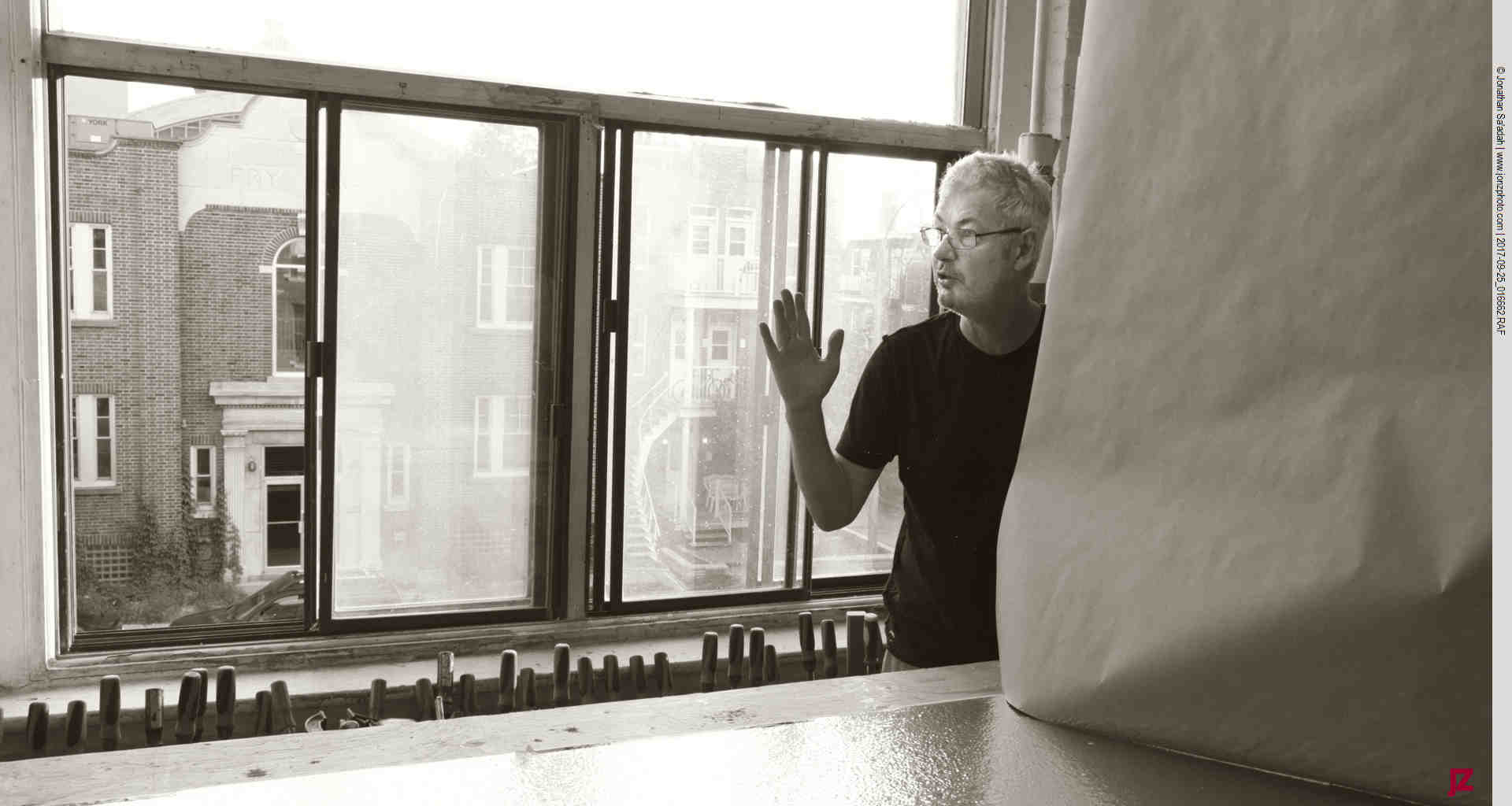
Cadbury is still in Toronto, though it’s part now of some global snack conglomerate (US) whose name means nothing to most people (Mondelez International). But the rue Masson factory which we experienced is still there – now known as Les Lofts Cadbury – a heritage industrial building converted into artist studios, offices, and flexible workspaces. The name remains, even after the chocolate is long gone. Where workers once wrapped Caramilk, commercial tenants now tend to their work in small chopped-up spaces taken from the original factory workfloors.
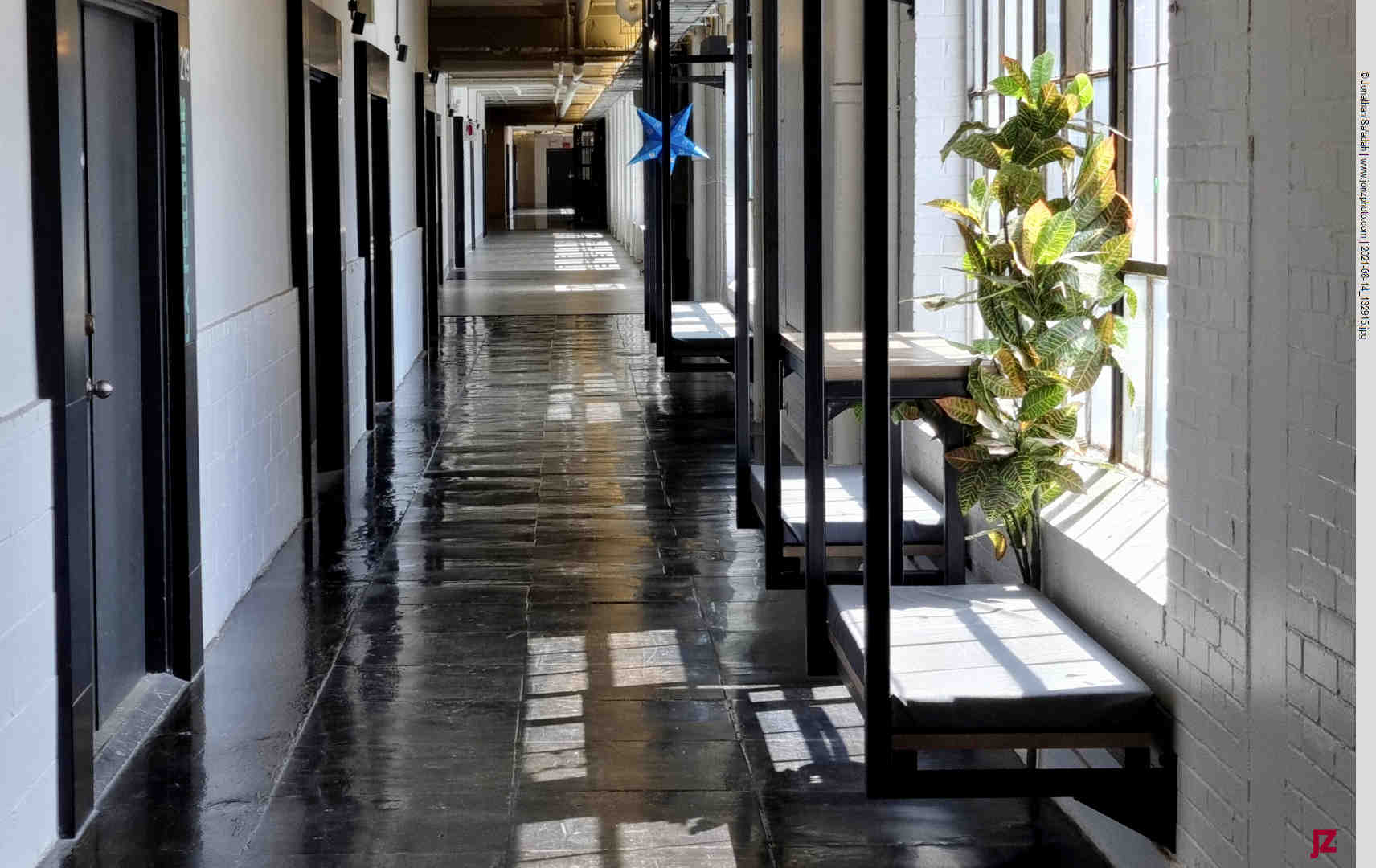
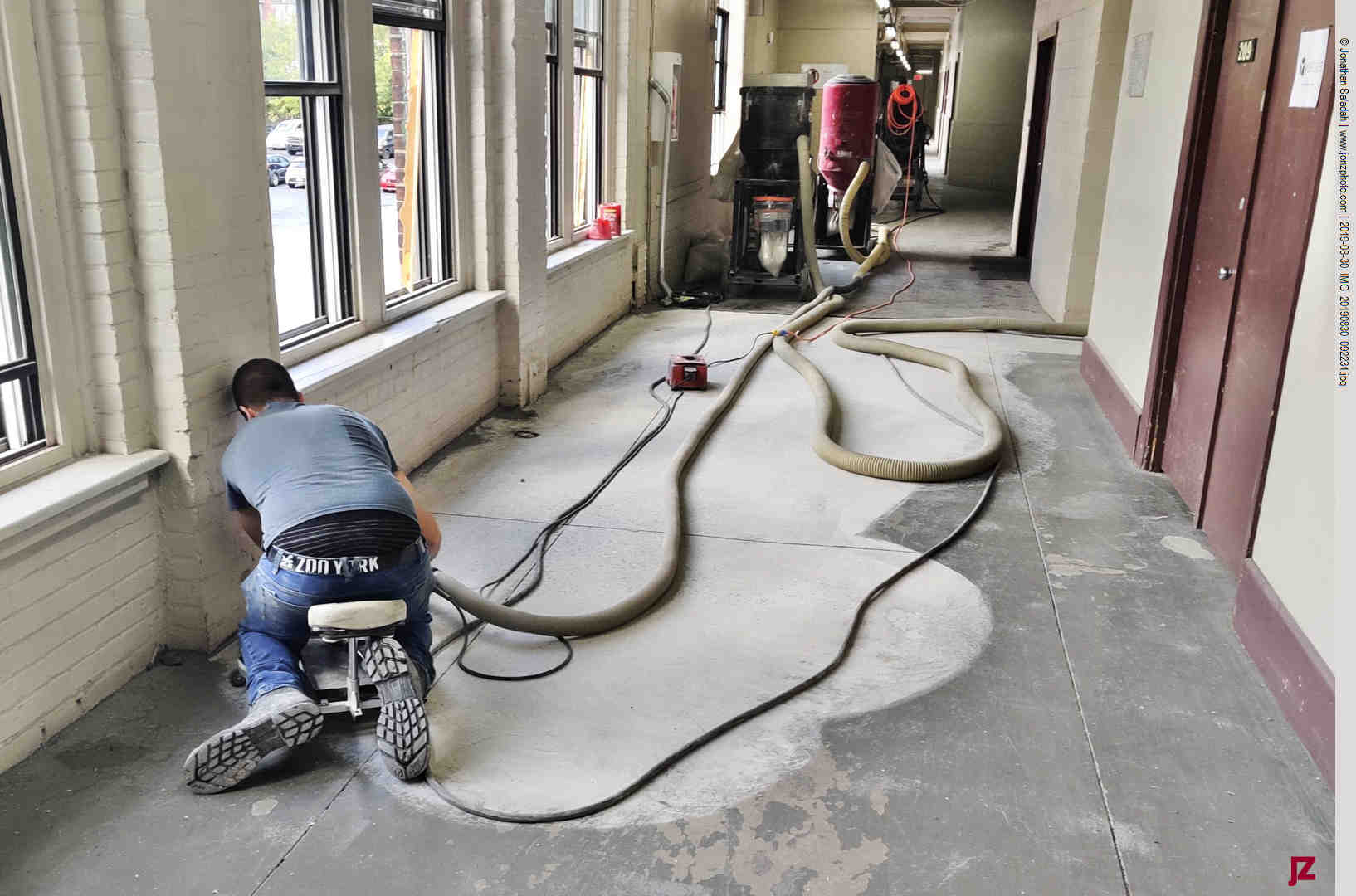
We were a small part of that story. We moved in when the building still offered rough spaces in a questionable neighborhood. During the sixteen years that we rented the surrounding area morphed from shabby declining industrial character to mildly trendy. A street café opened nearby selling expensive avacado sandwiches then near the end of our stay a commercial property investor bought the building from the seedy, cash-under-the-table owner we had known. Huge grinding machines were brought in to polish the concrete floors, which were then painted black. The front office changed from mostly somnambulists to fashion-forward techies. In the hallways small sitting areas were built encouraging one to pause and drink a cappuccino (no, I never saw anyone using them). Rents were also increasing dramatically each year. It was time for us to move on, and we did.
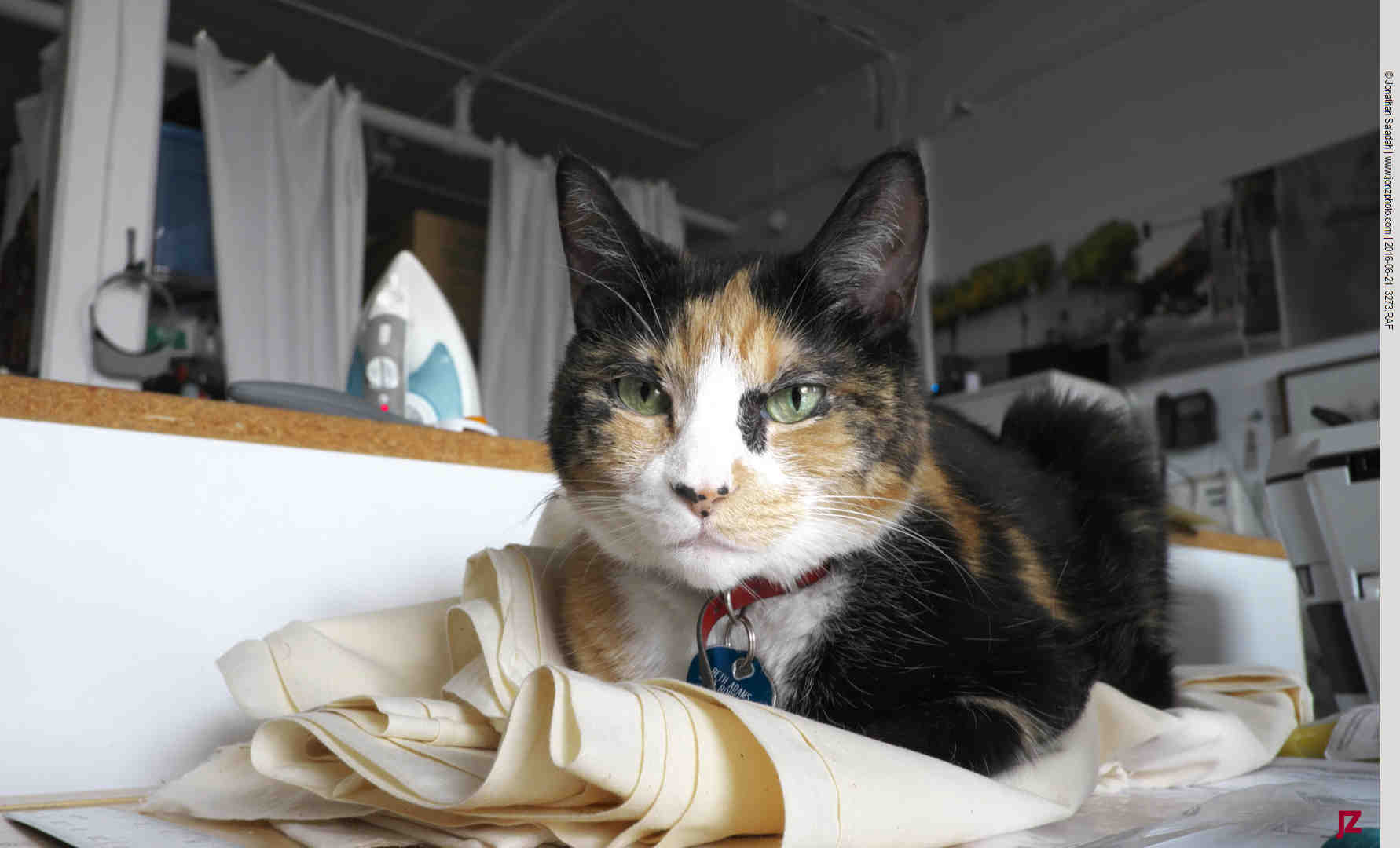
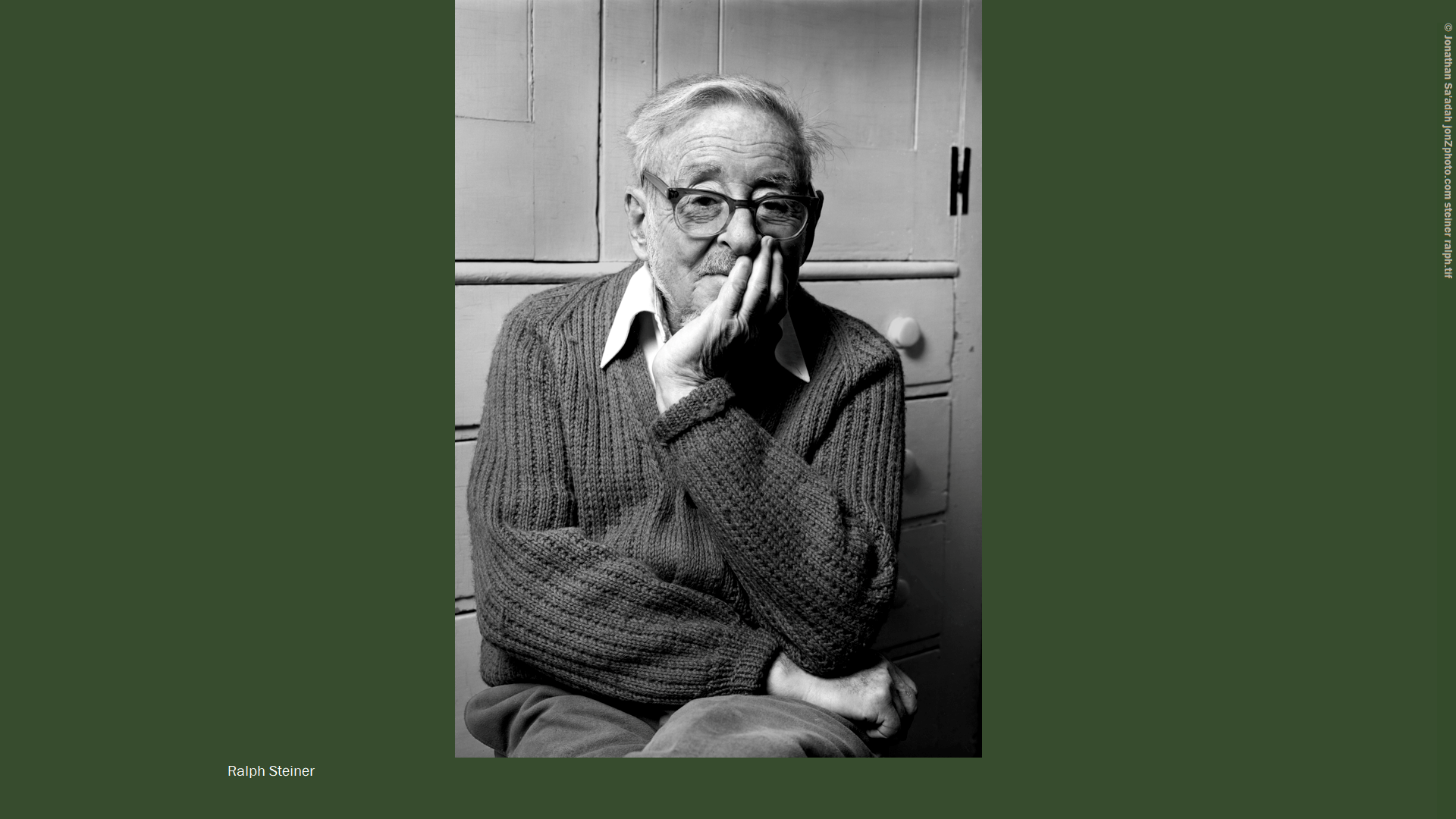
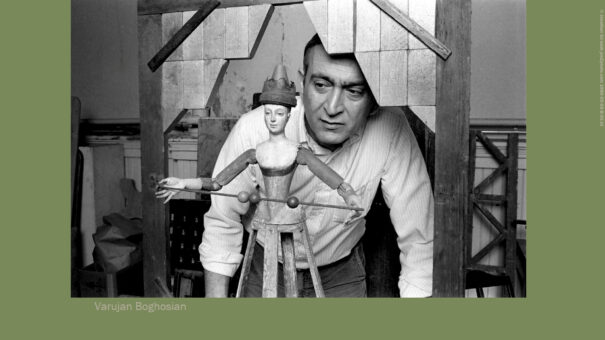
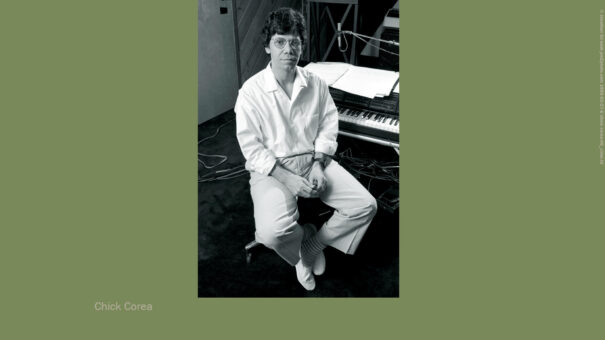
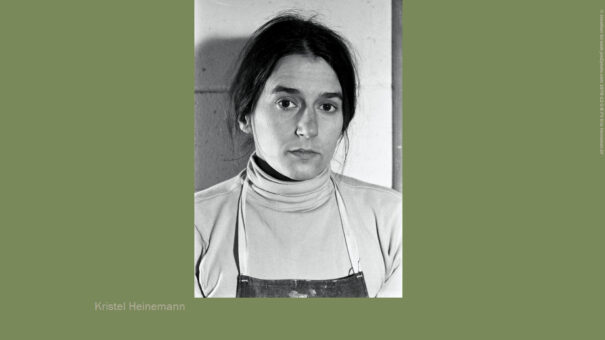
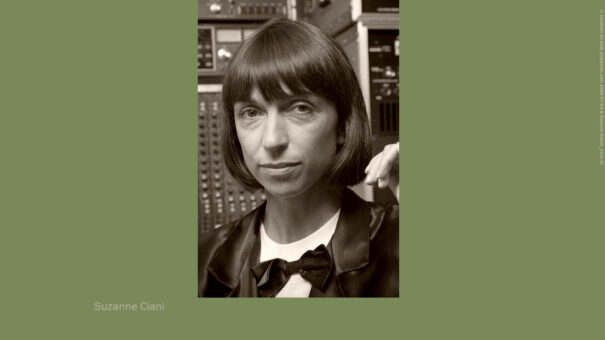
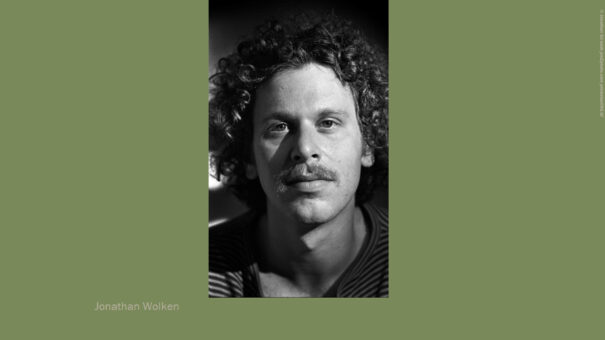
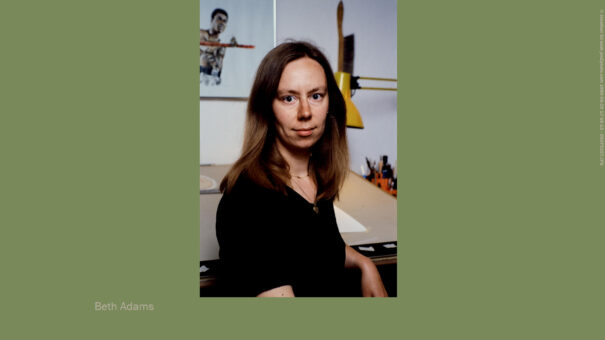
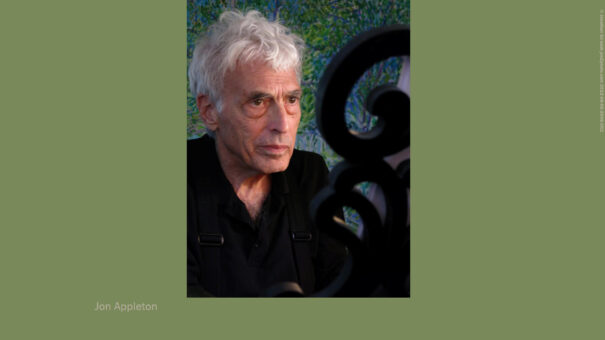
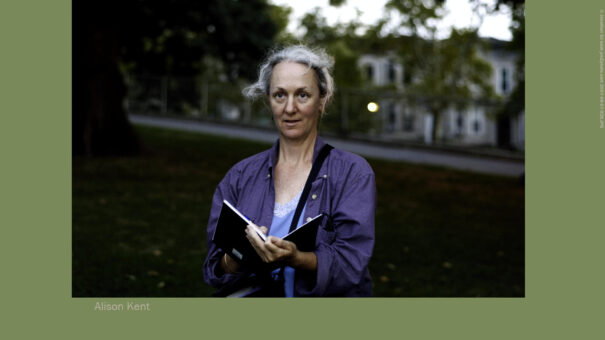
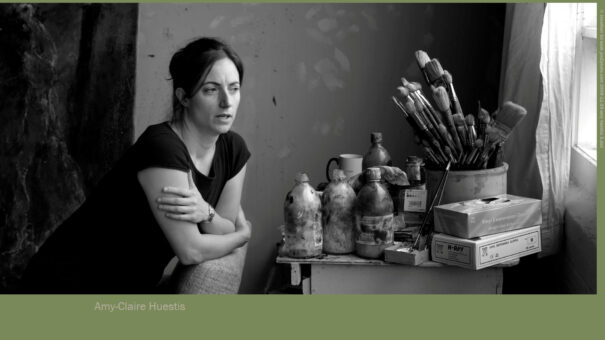
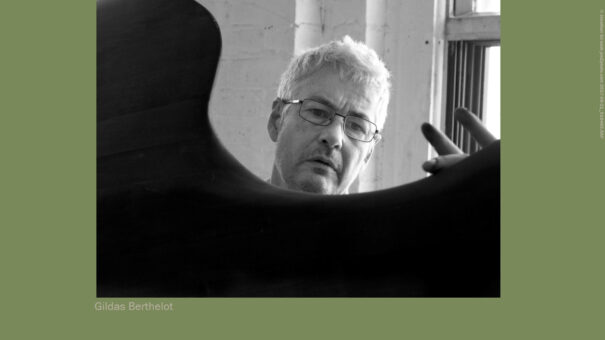
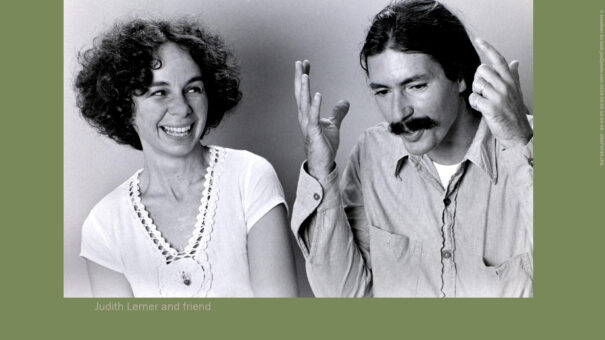
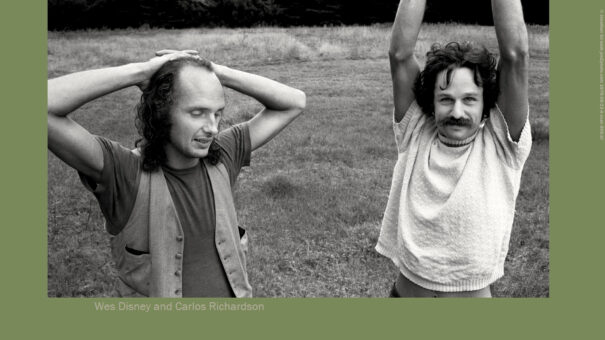
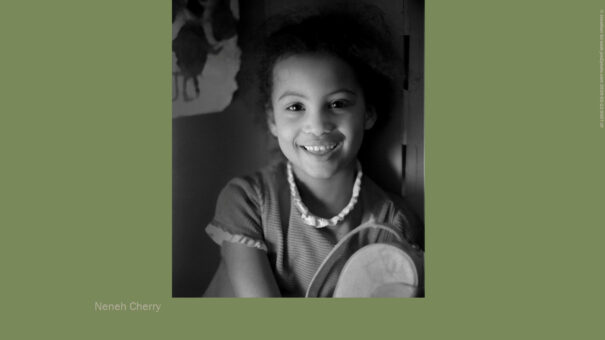
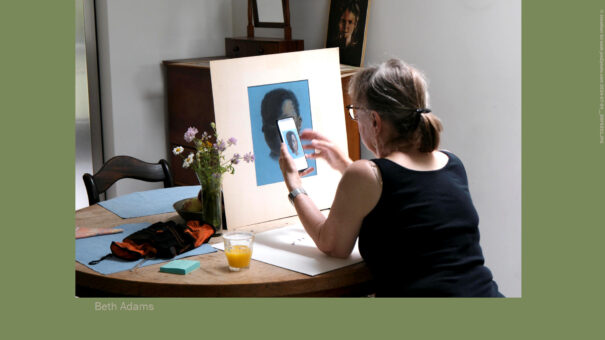
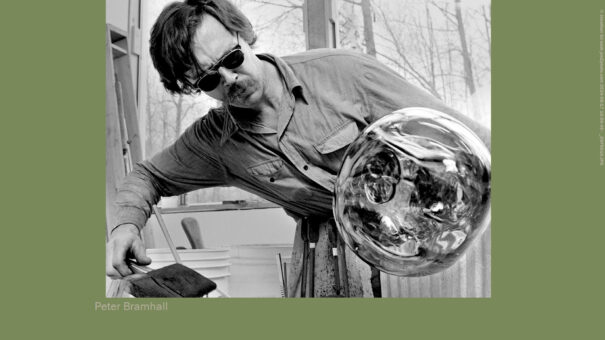
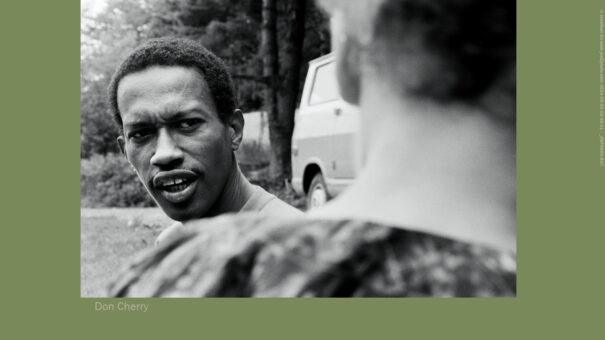
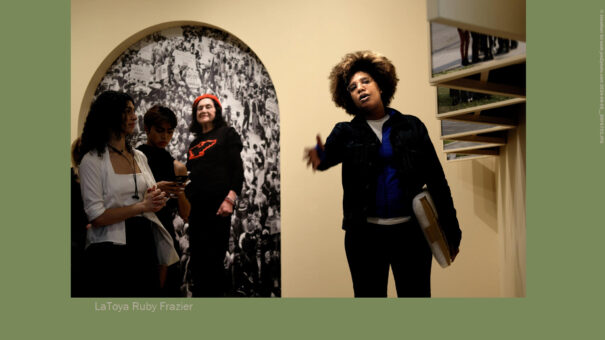
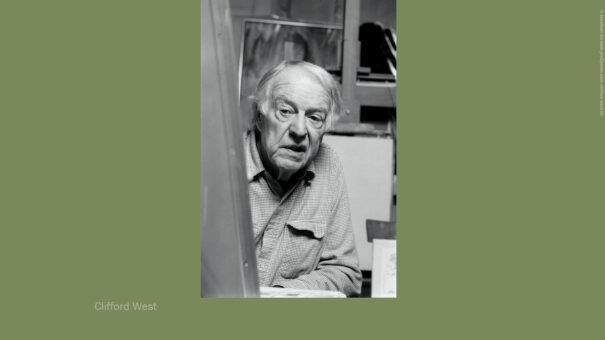
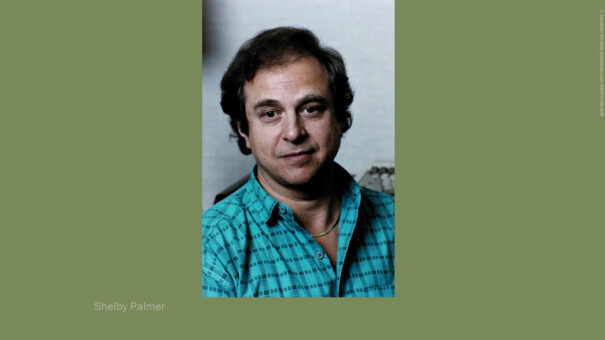
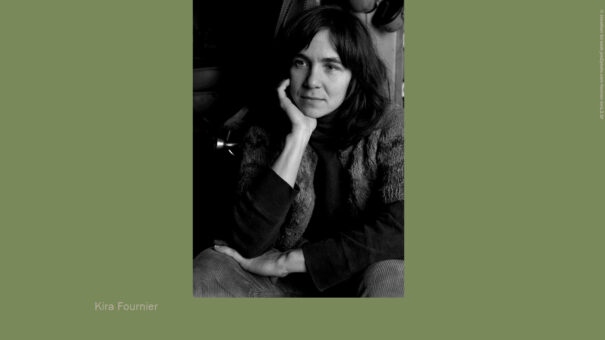
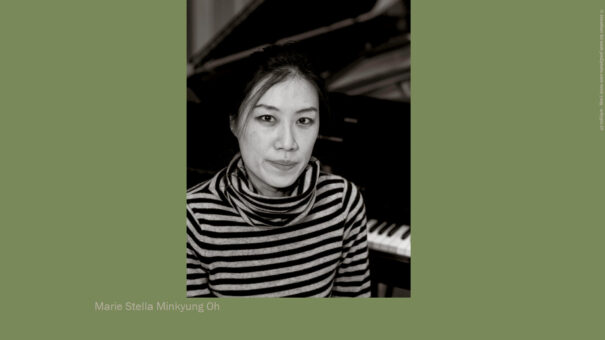
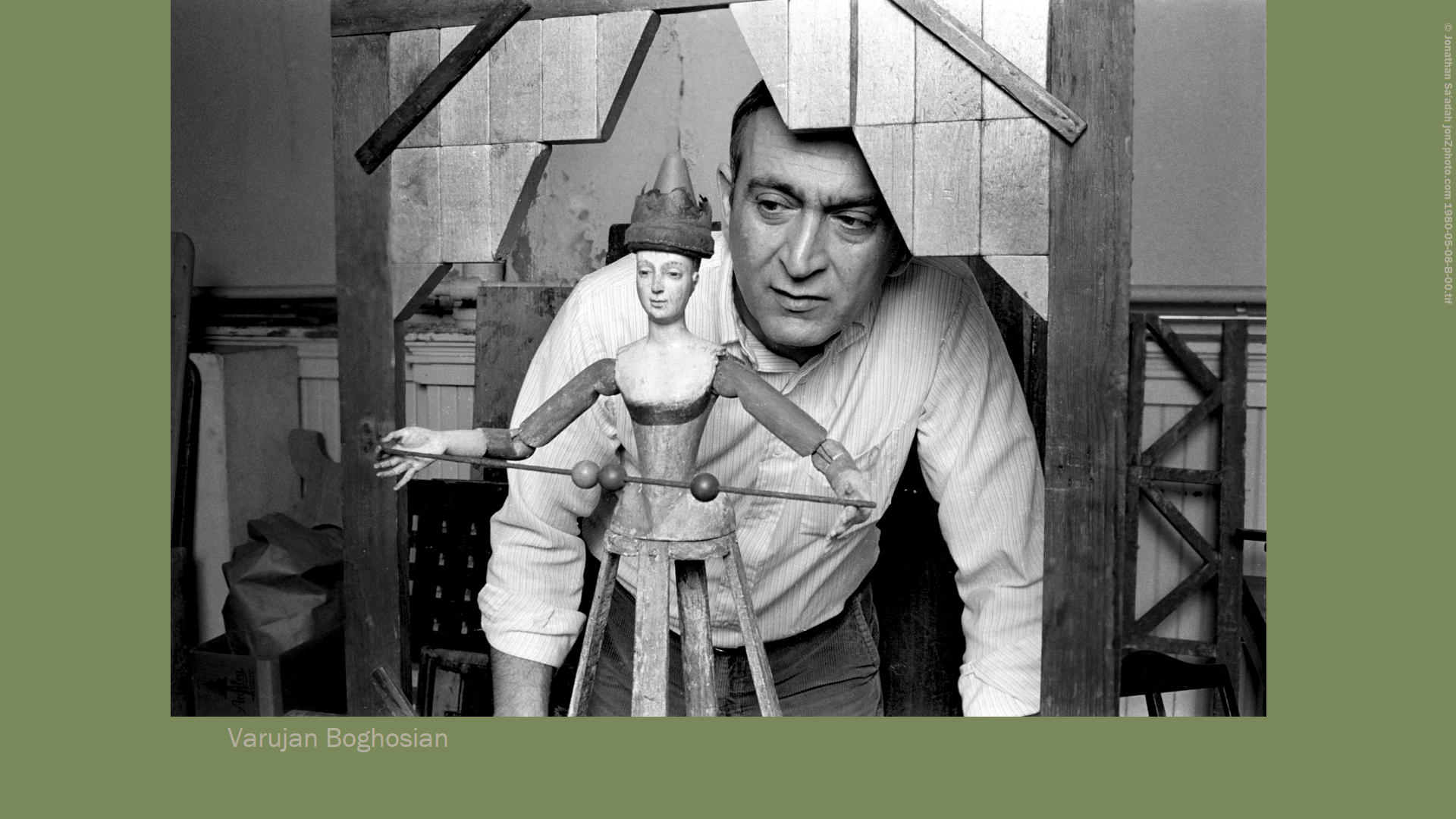
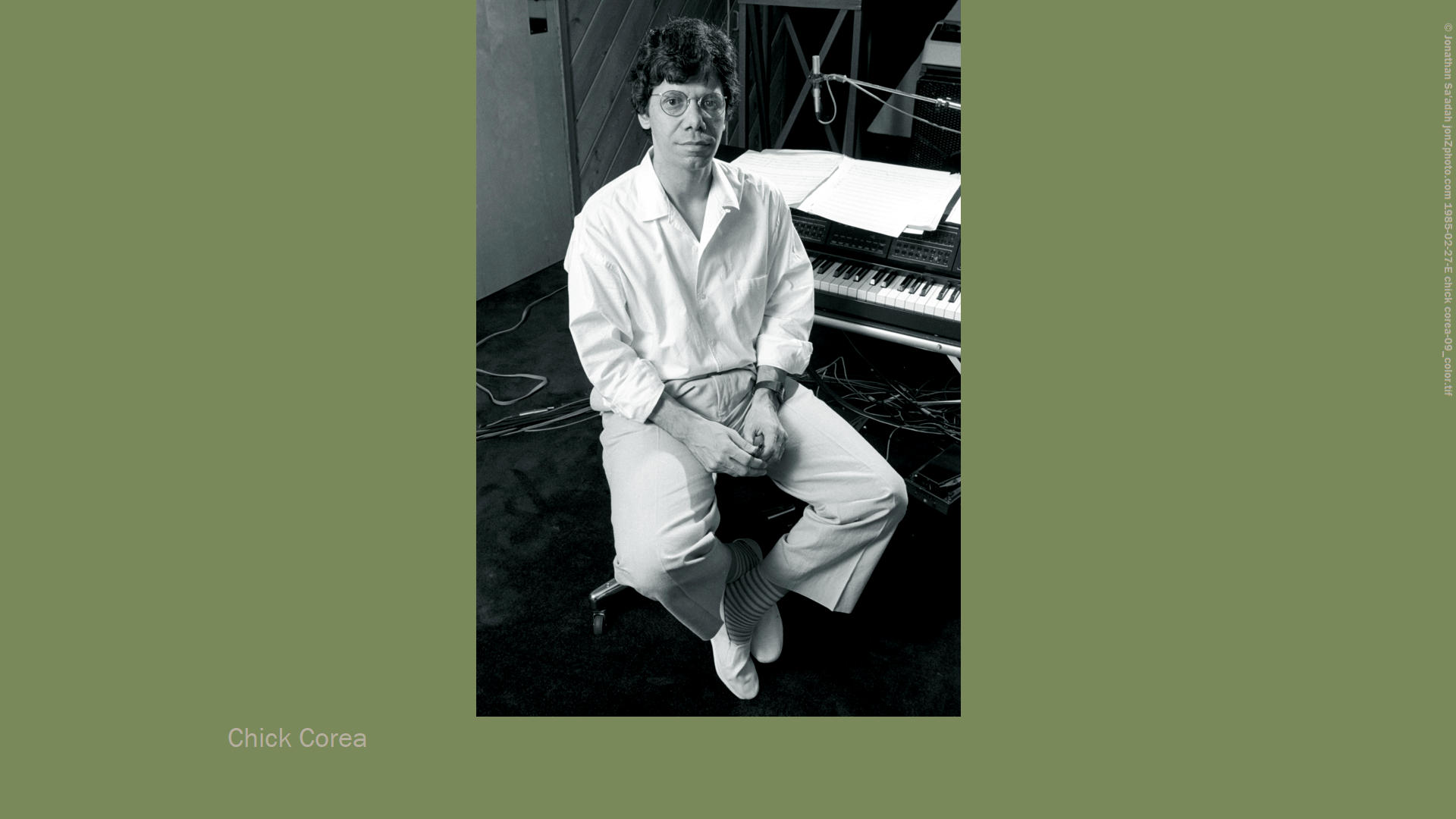
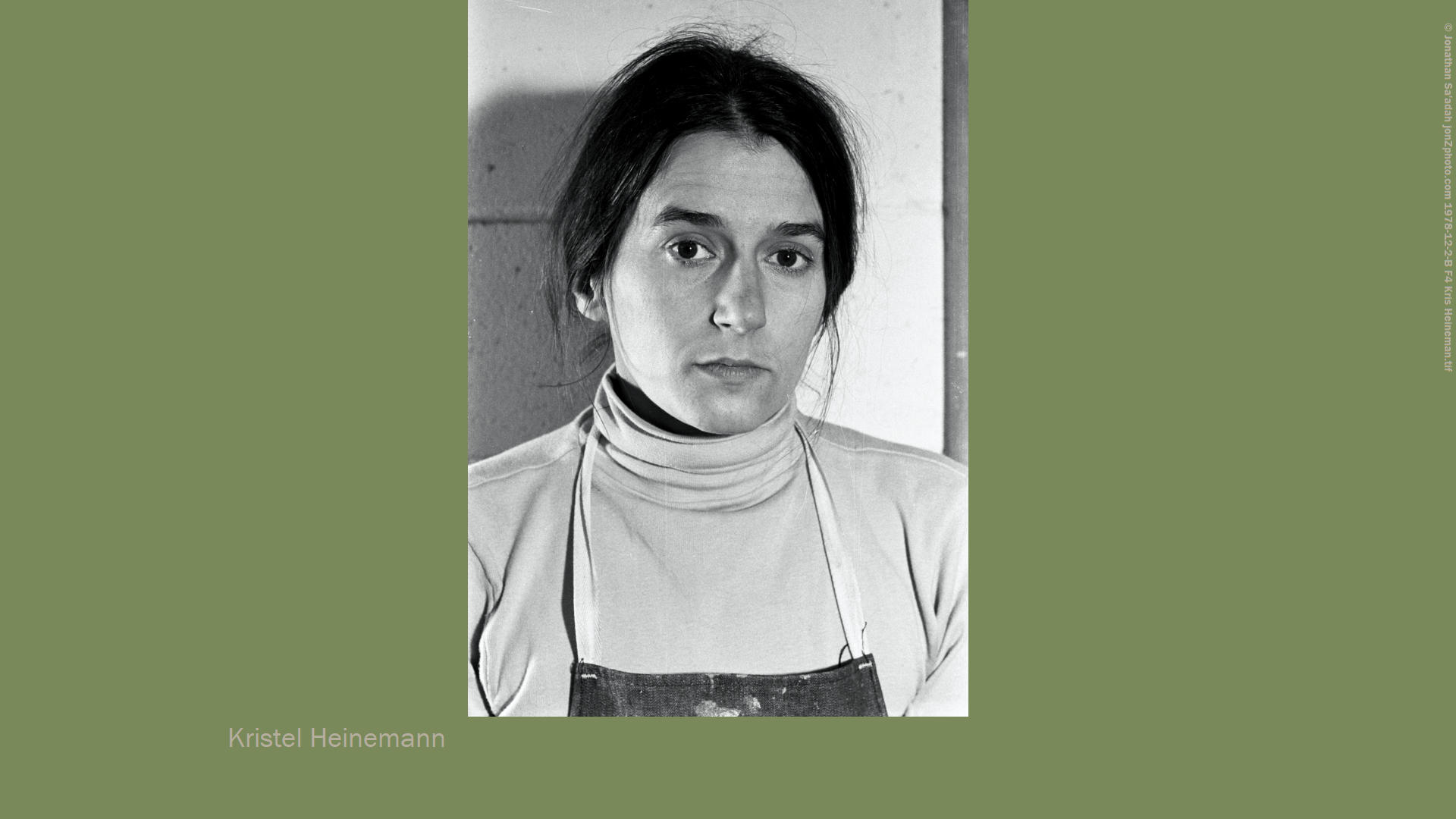
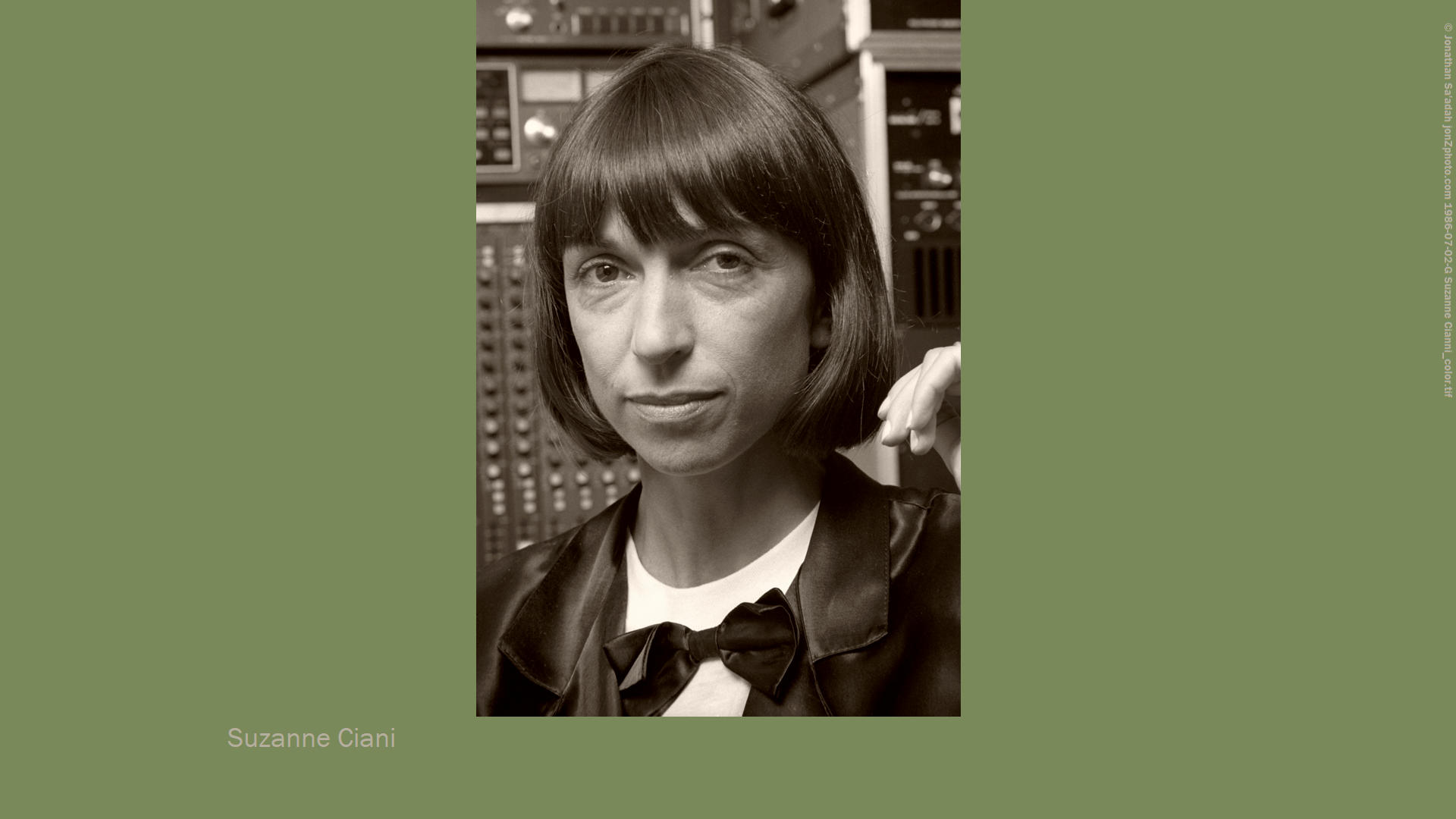
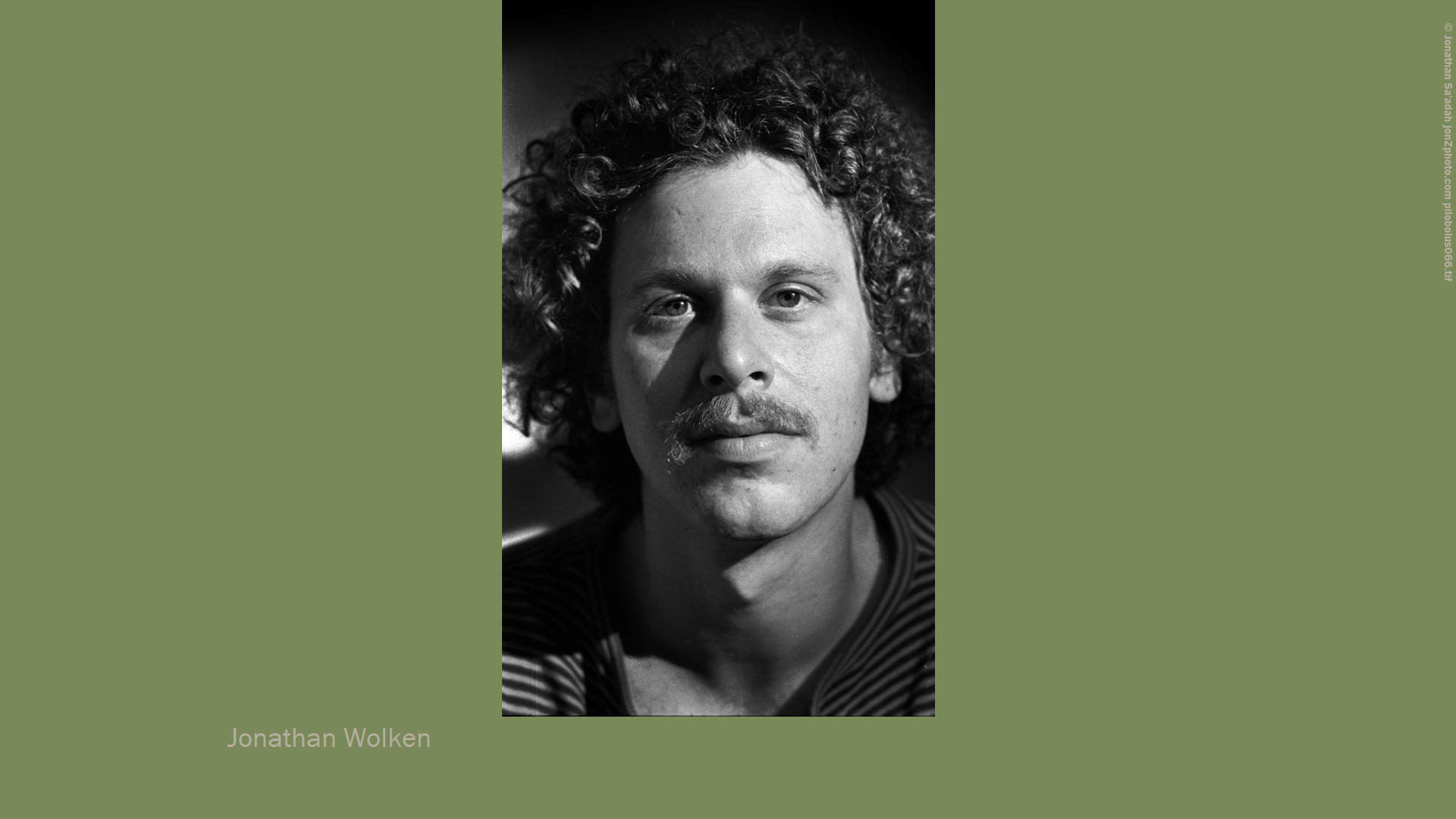
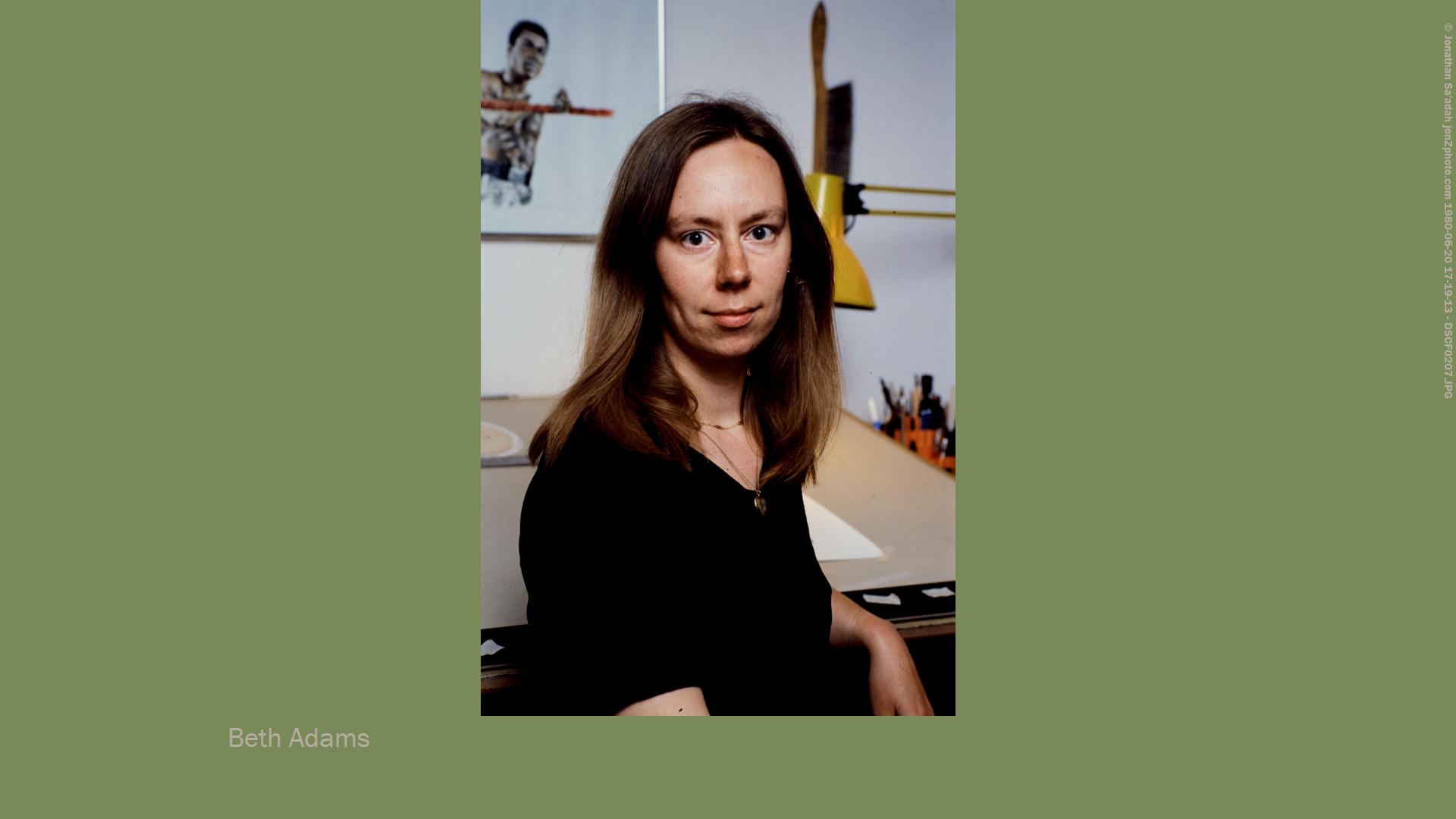
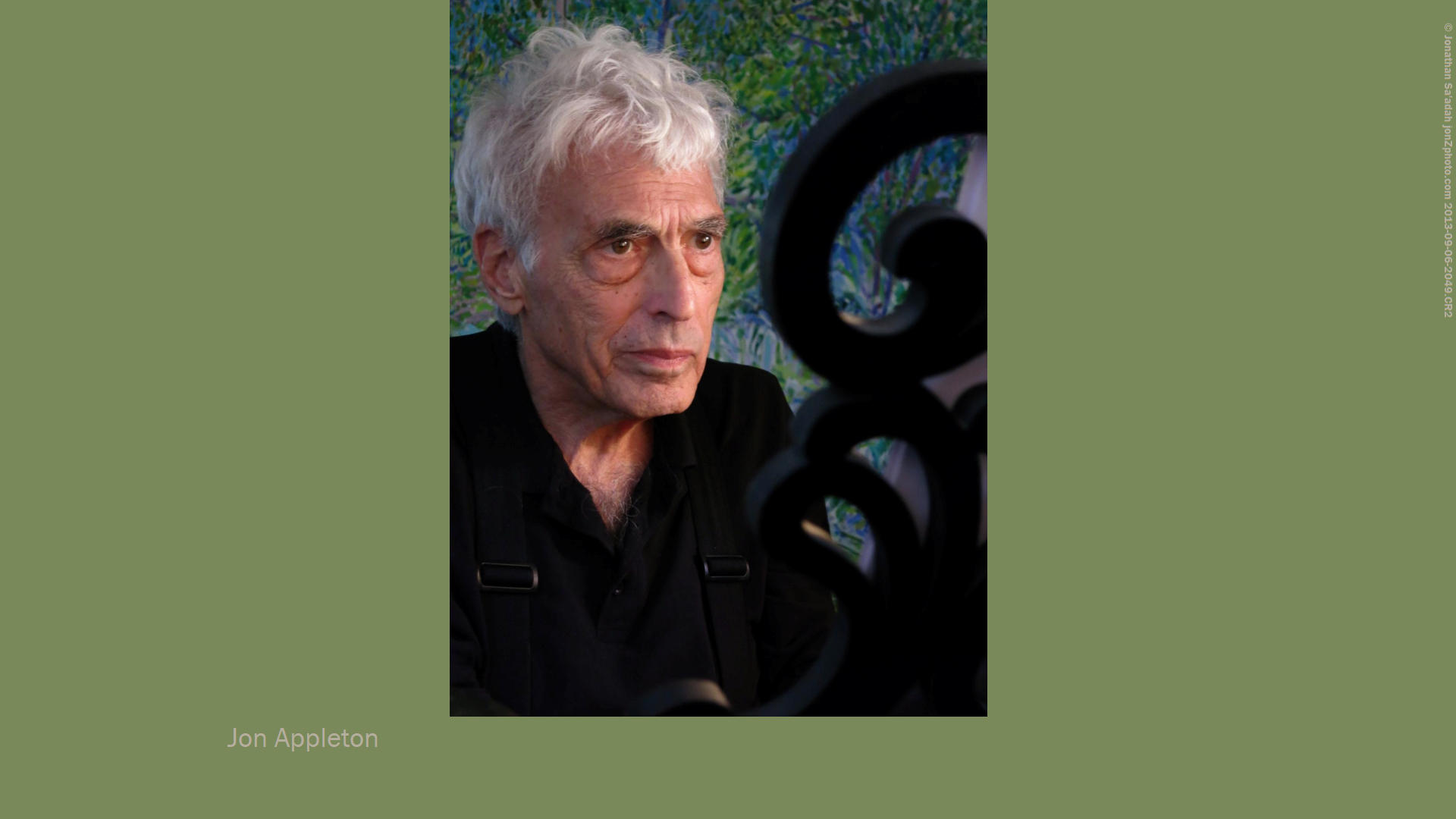
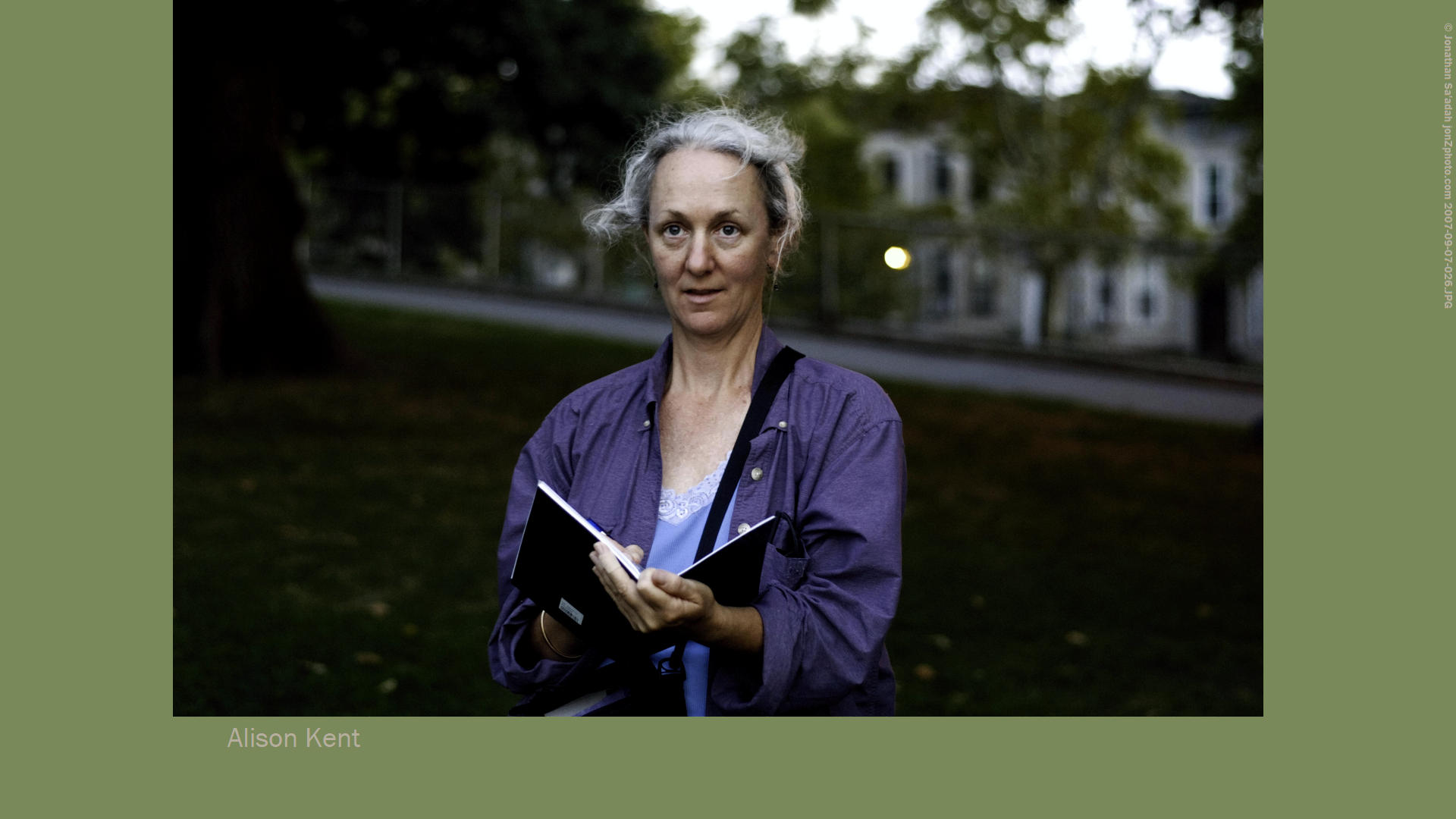
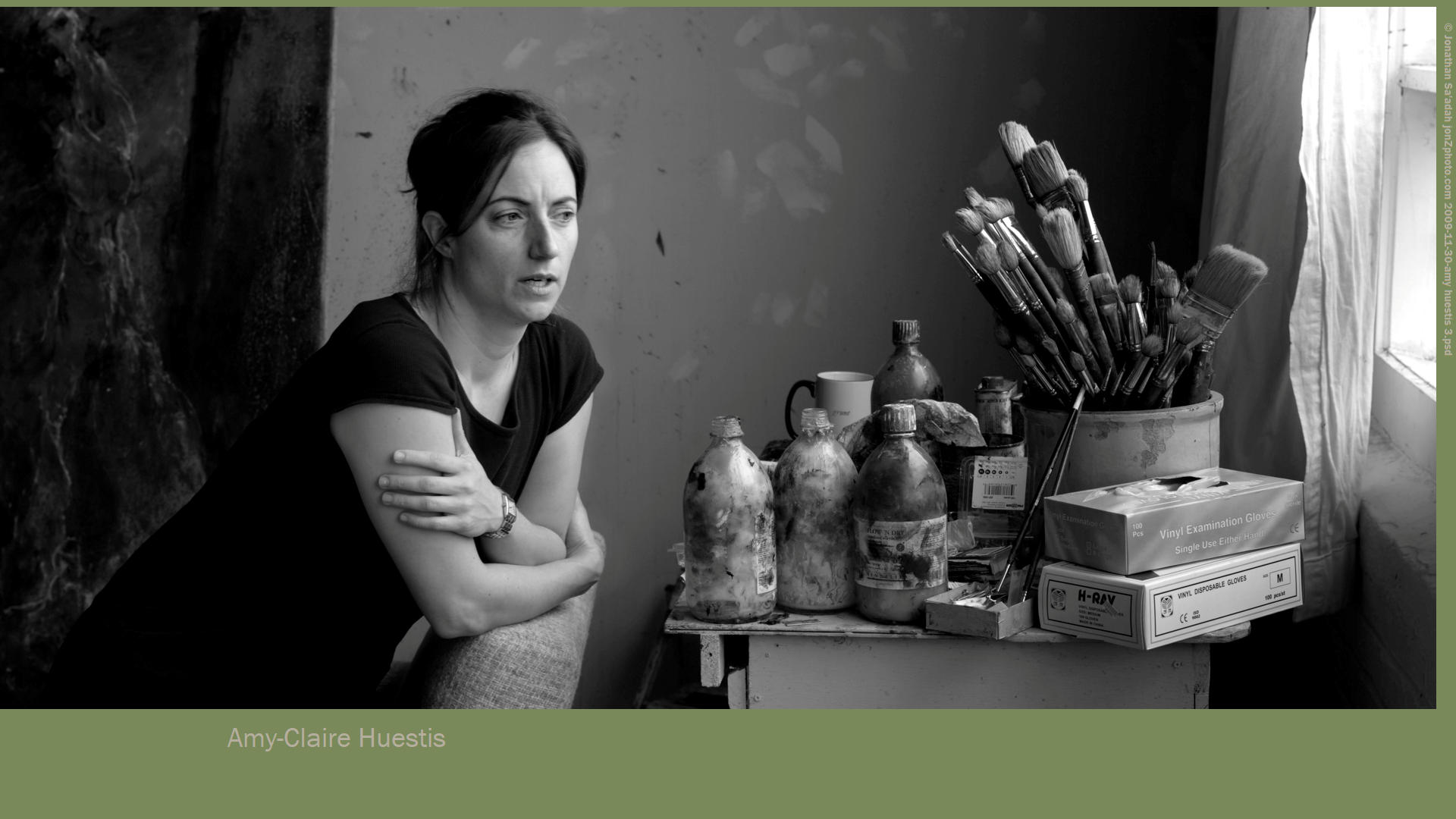
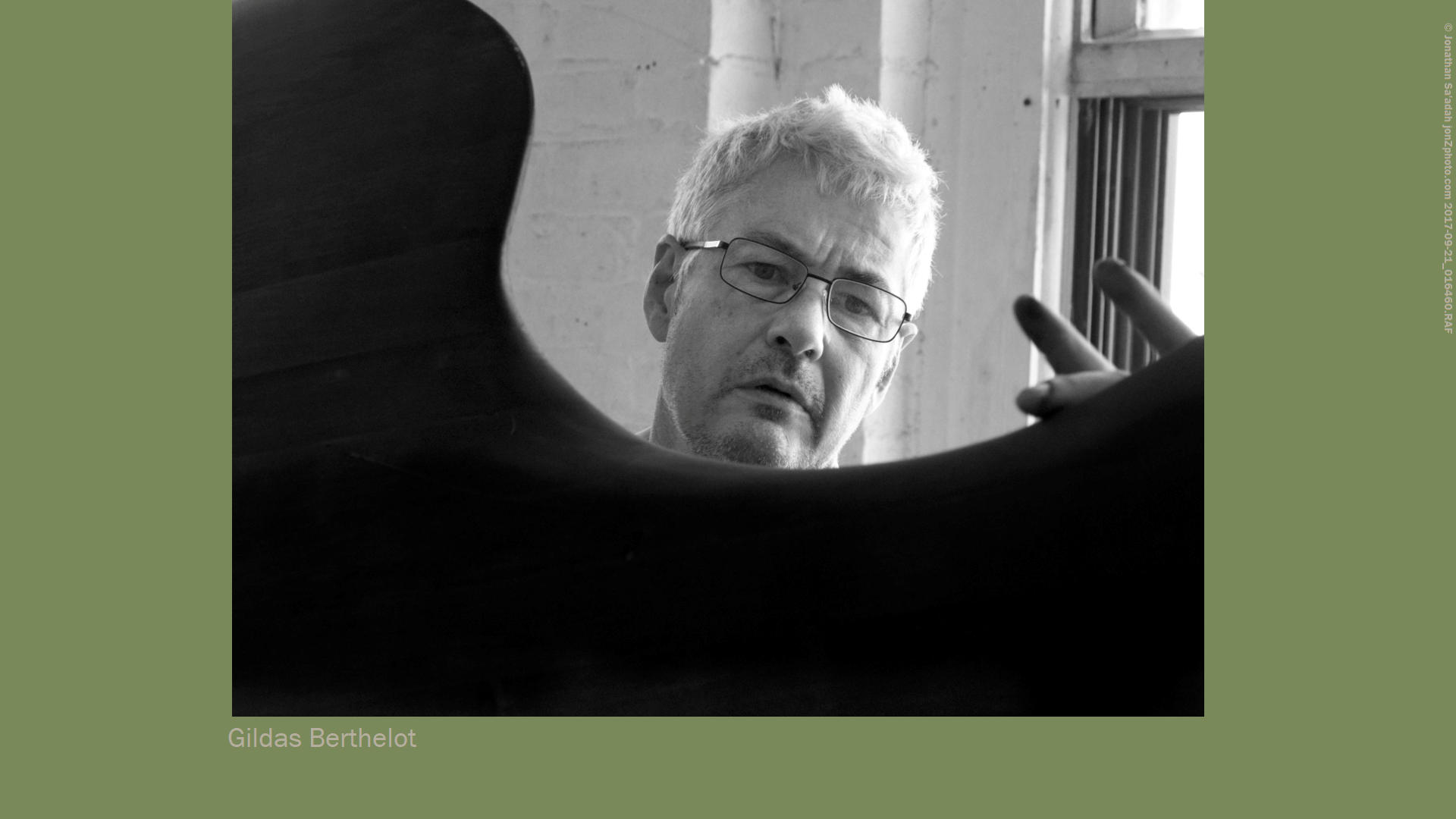
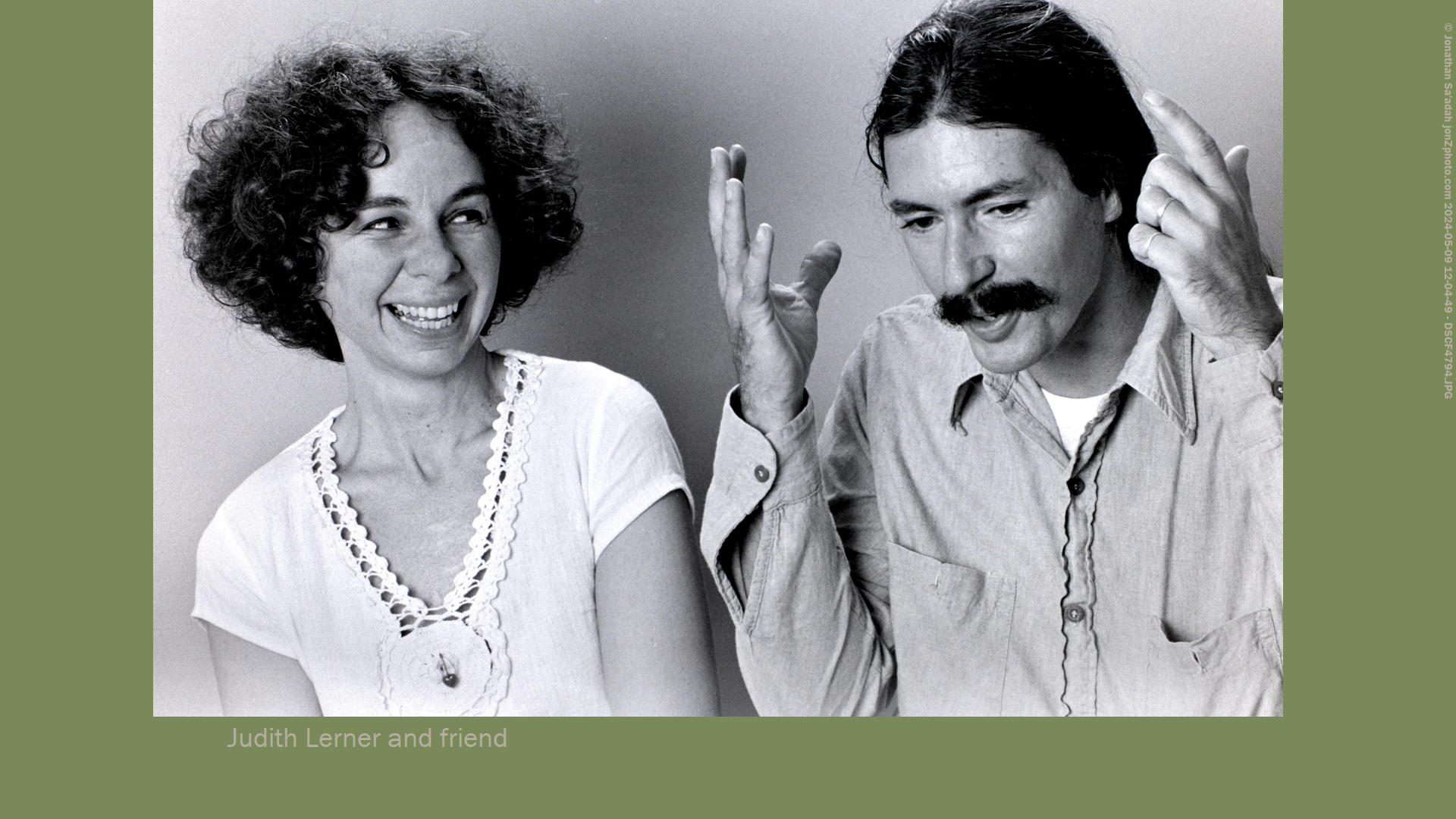
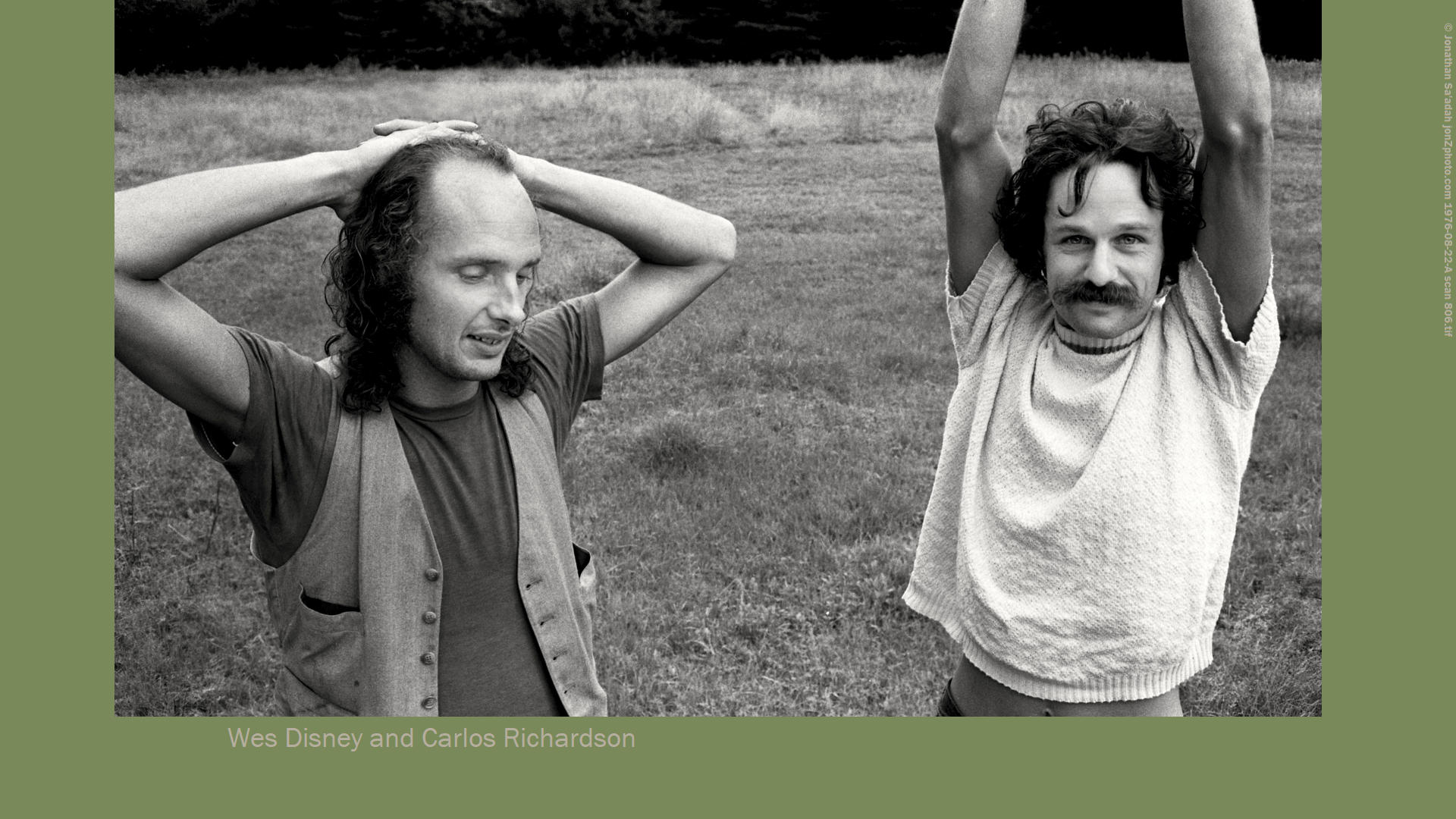
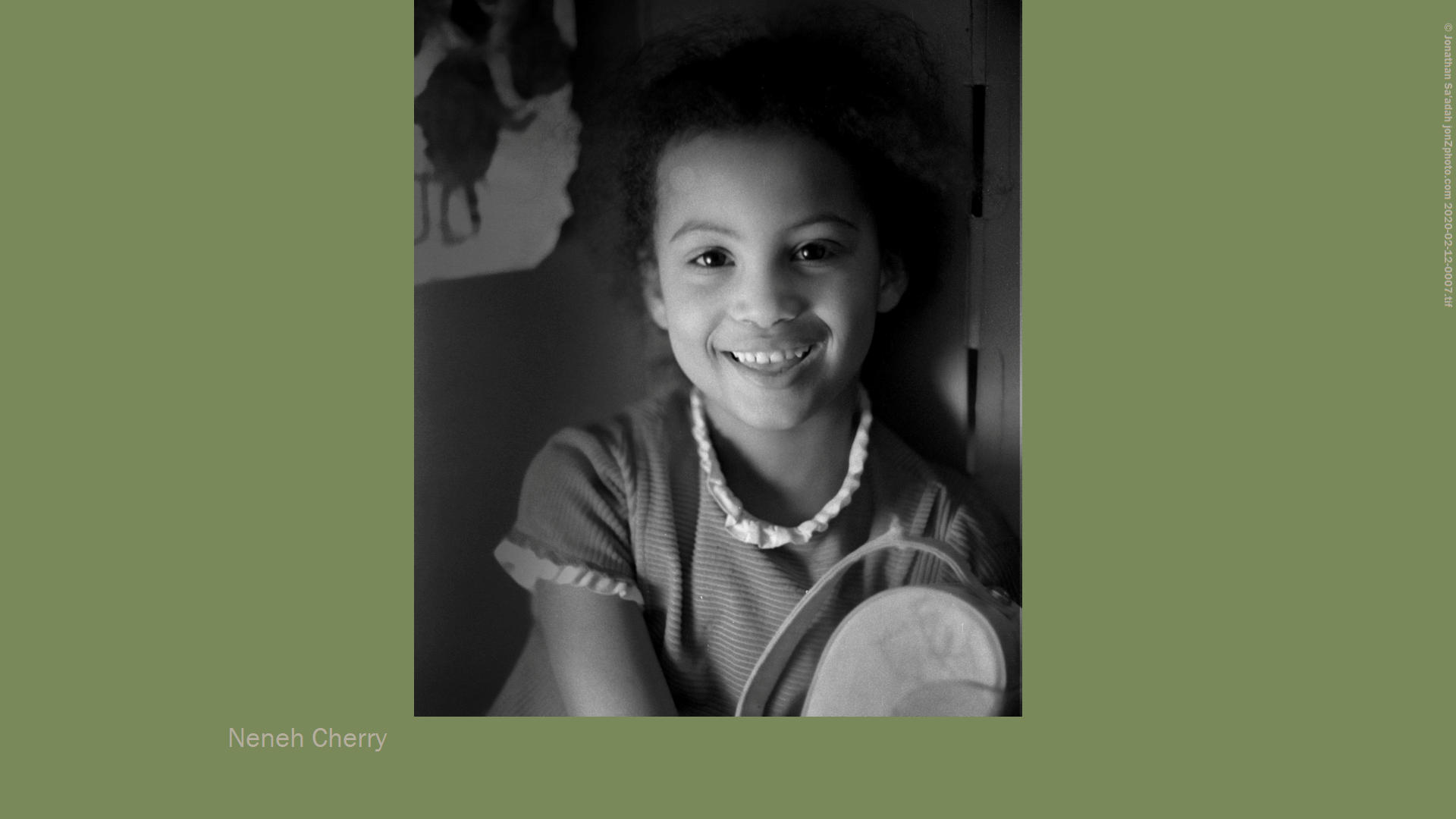
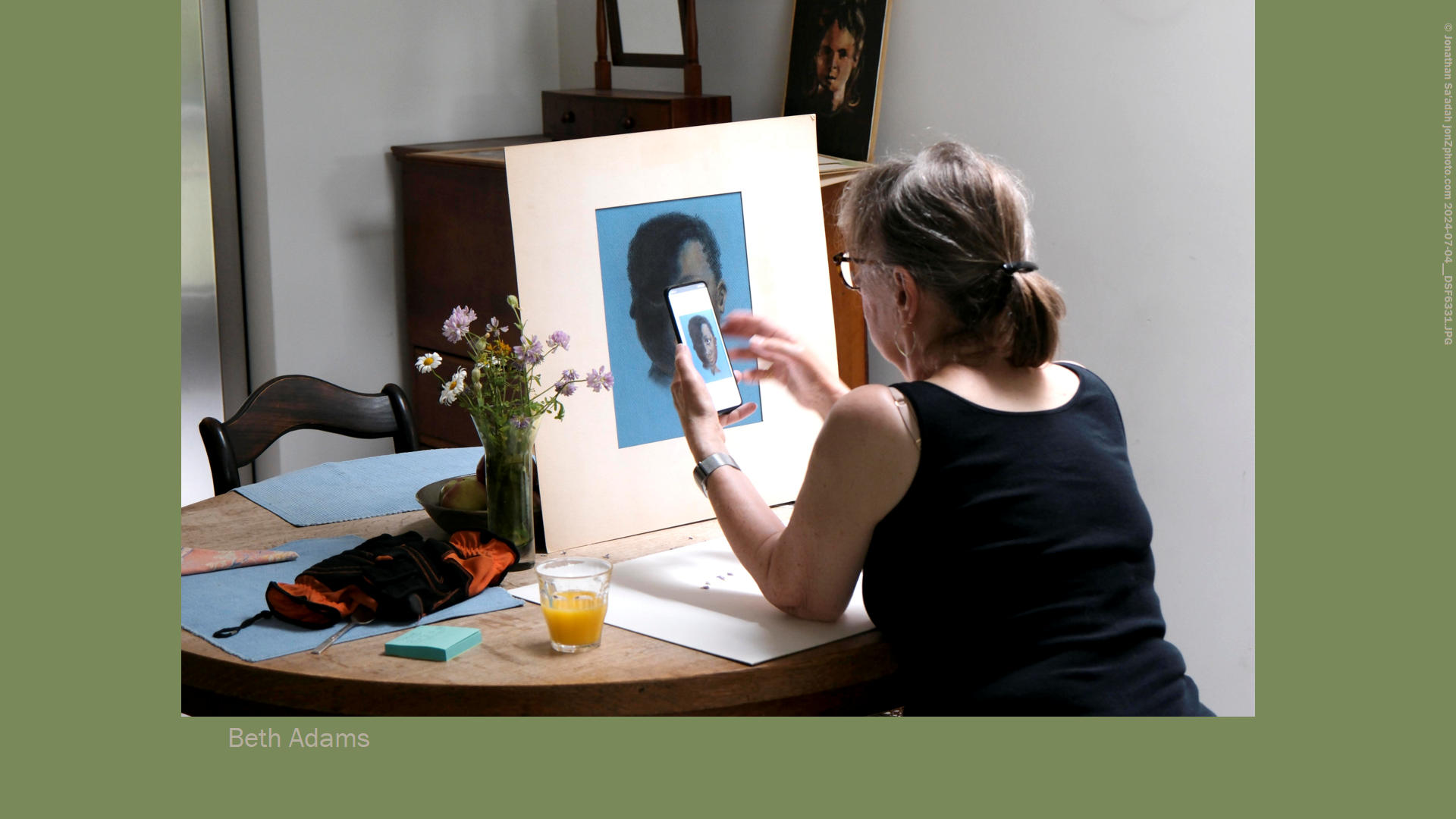
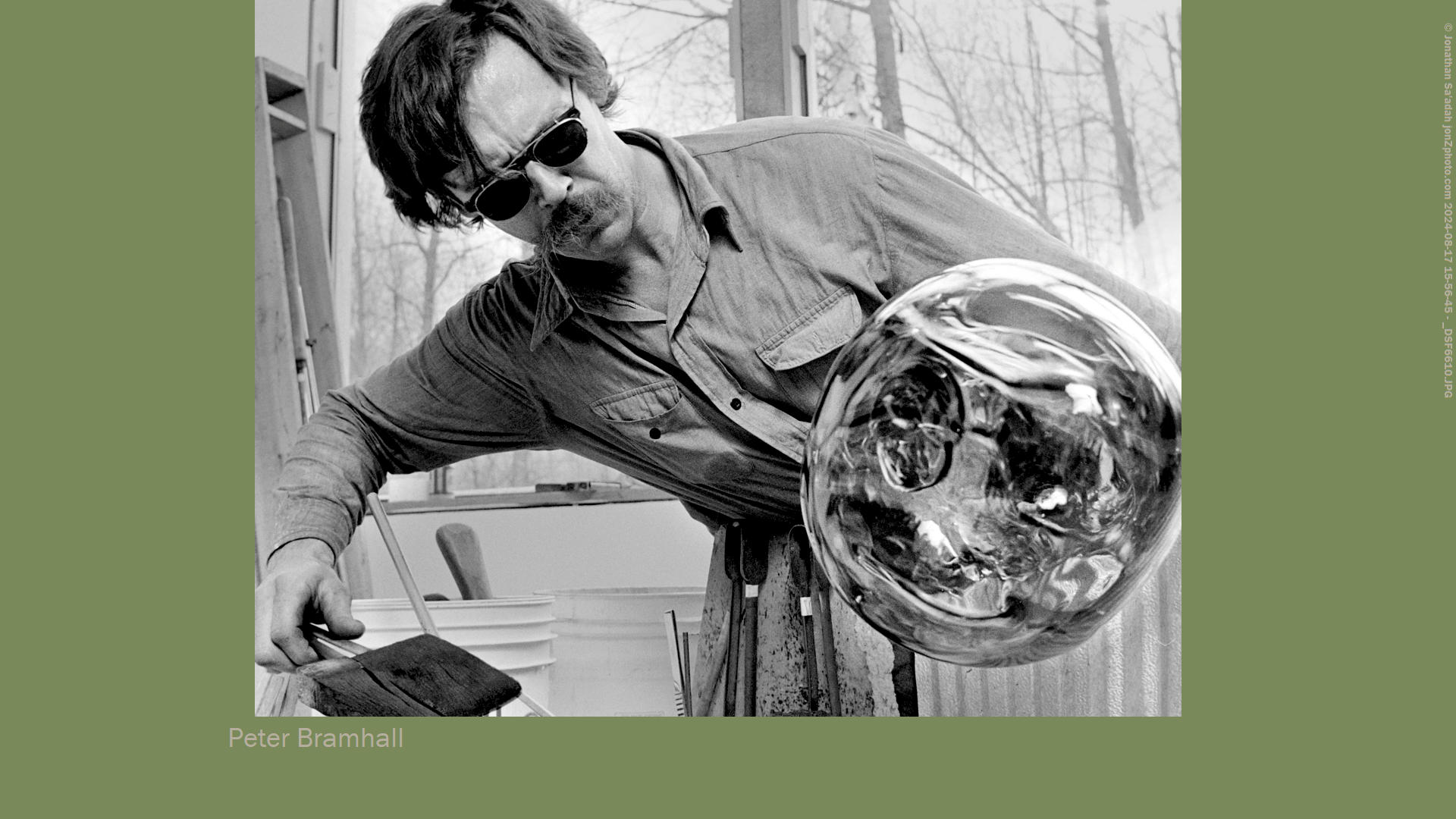
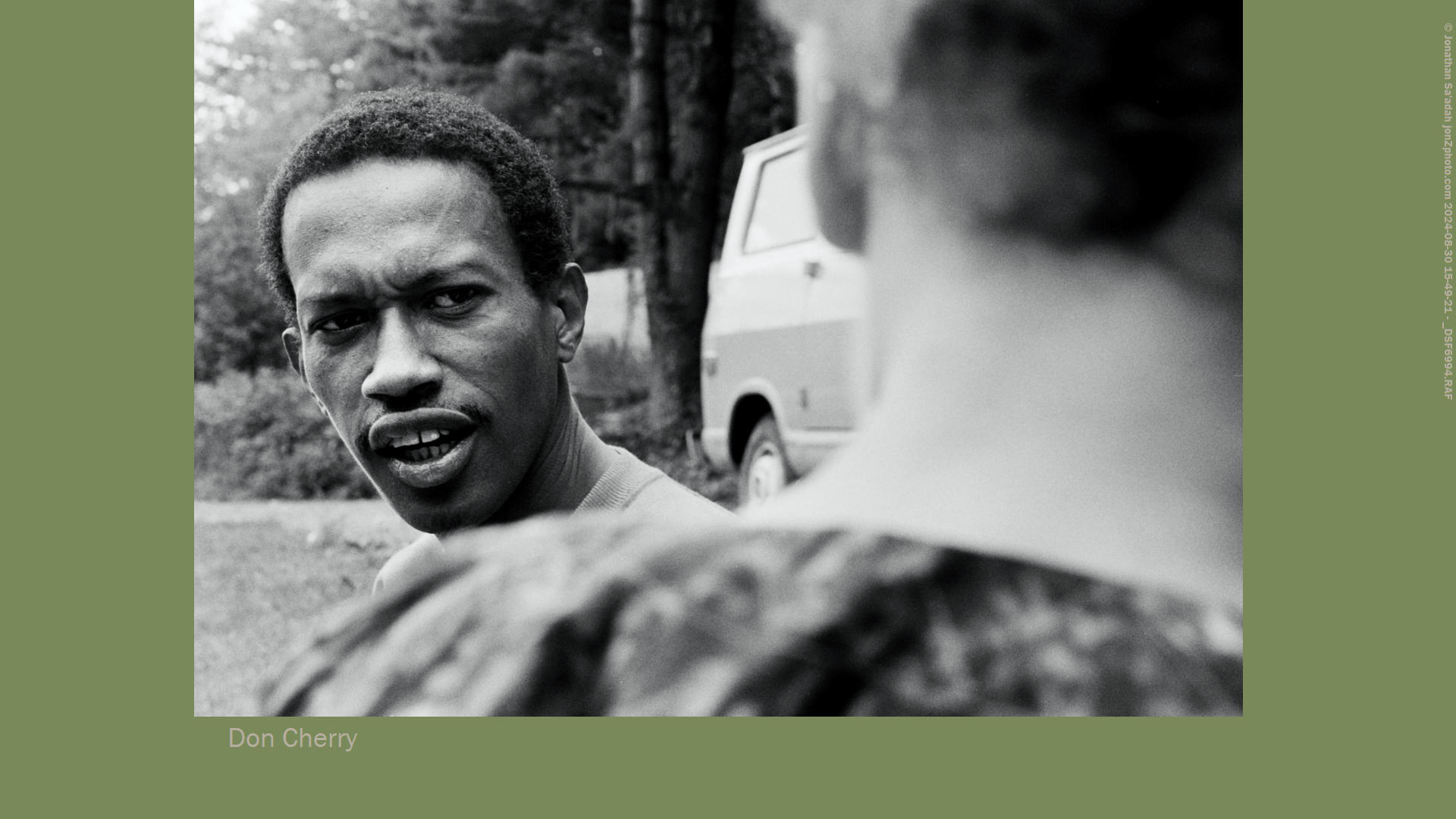
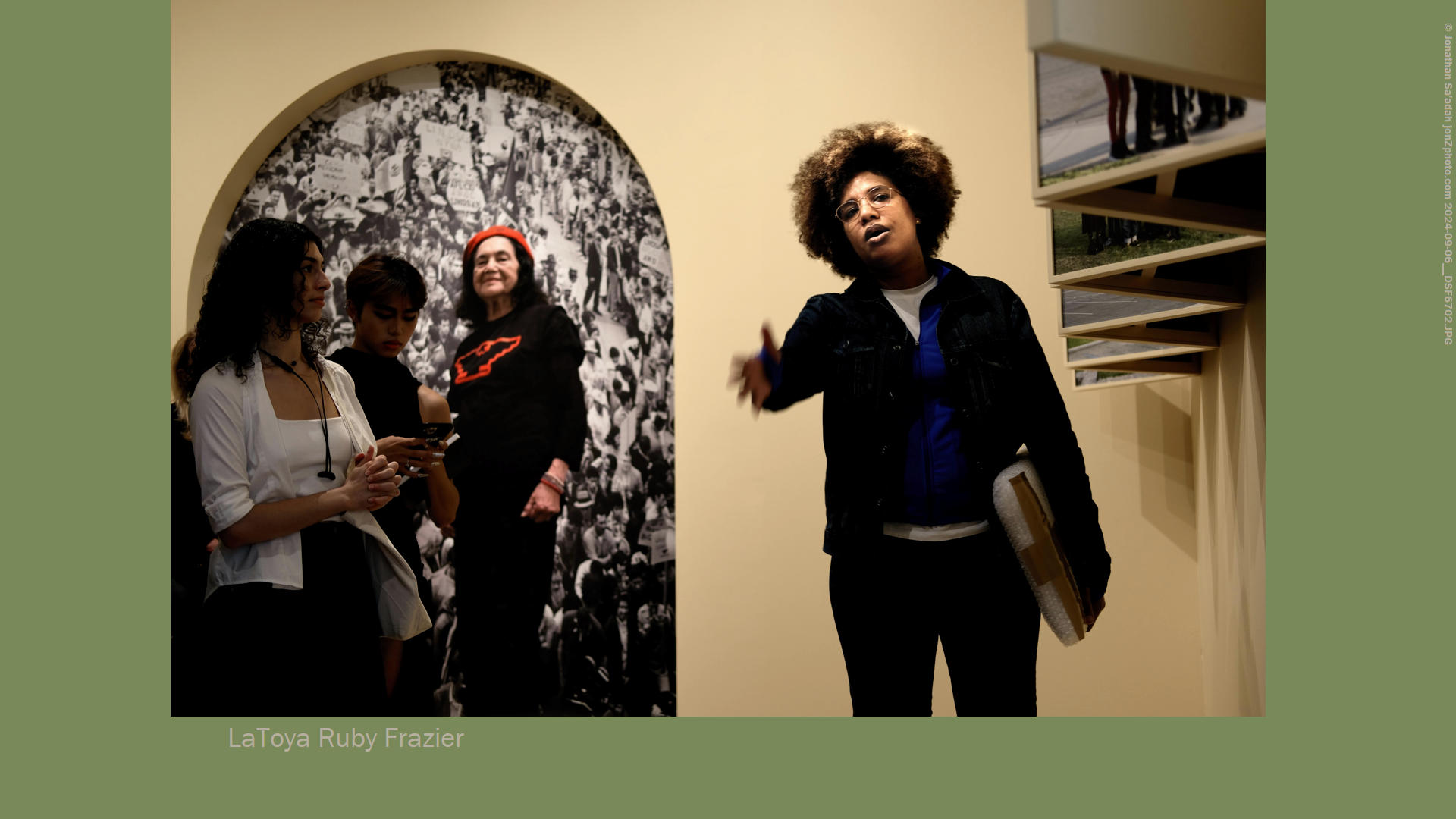
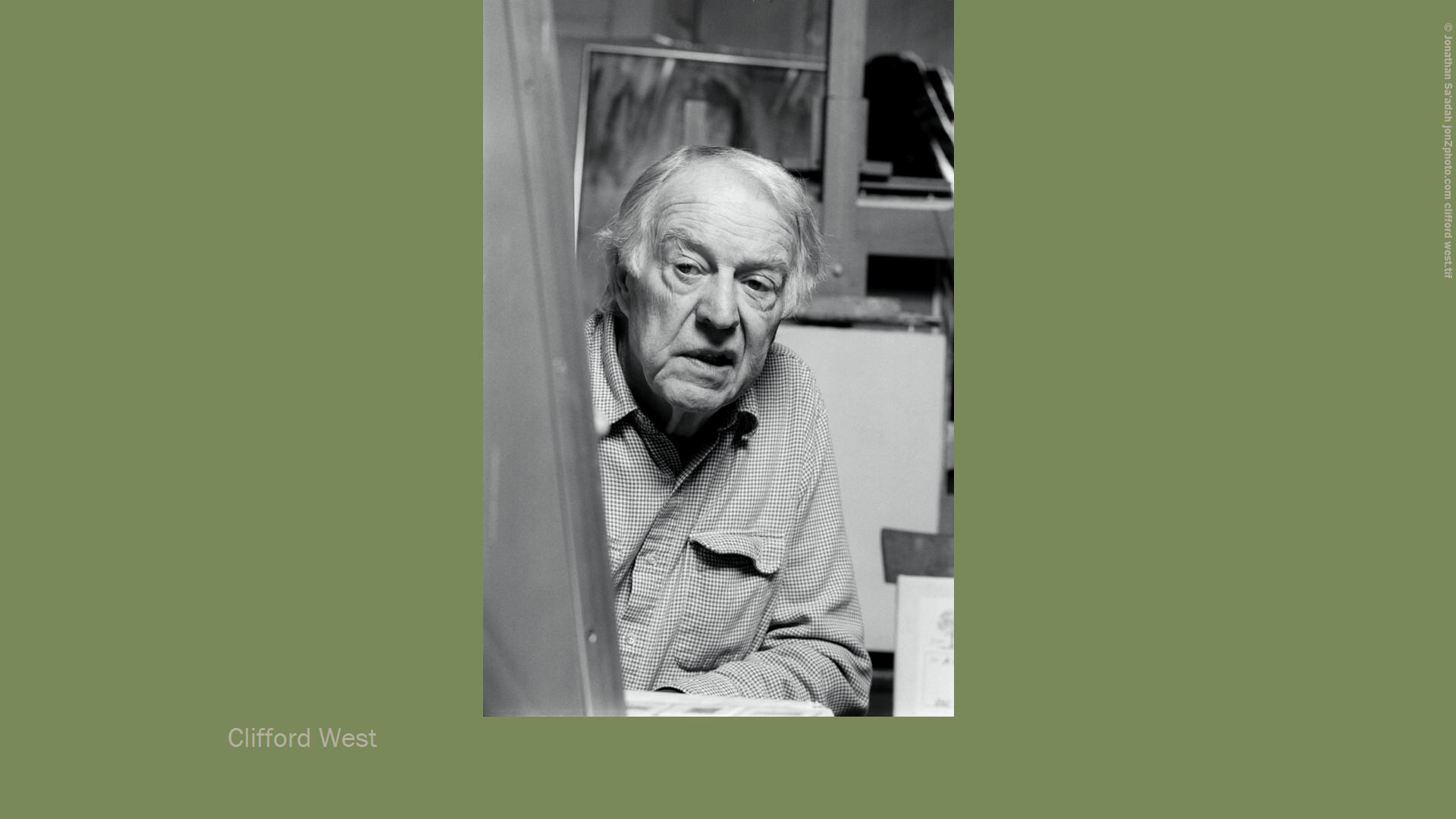
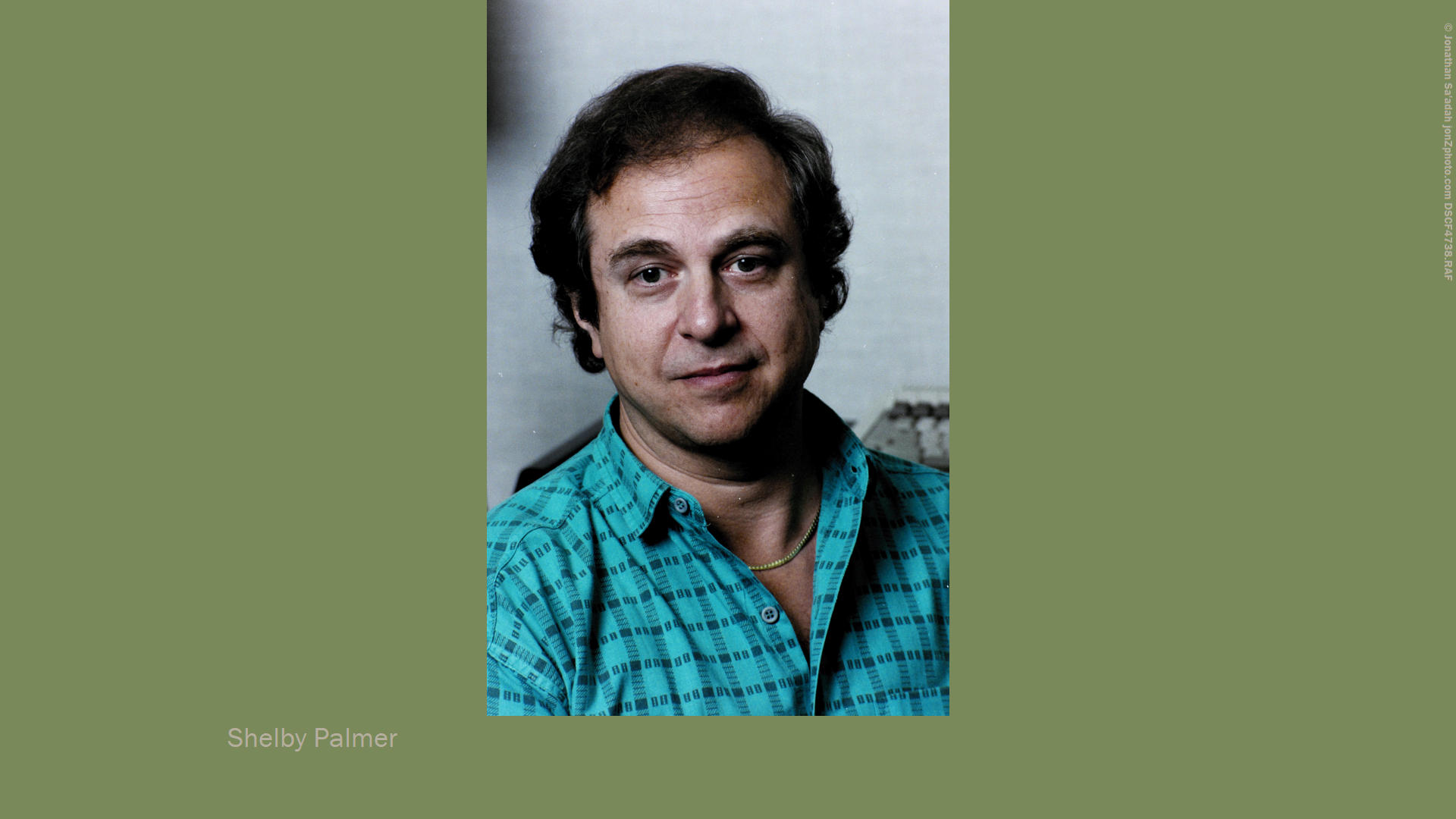
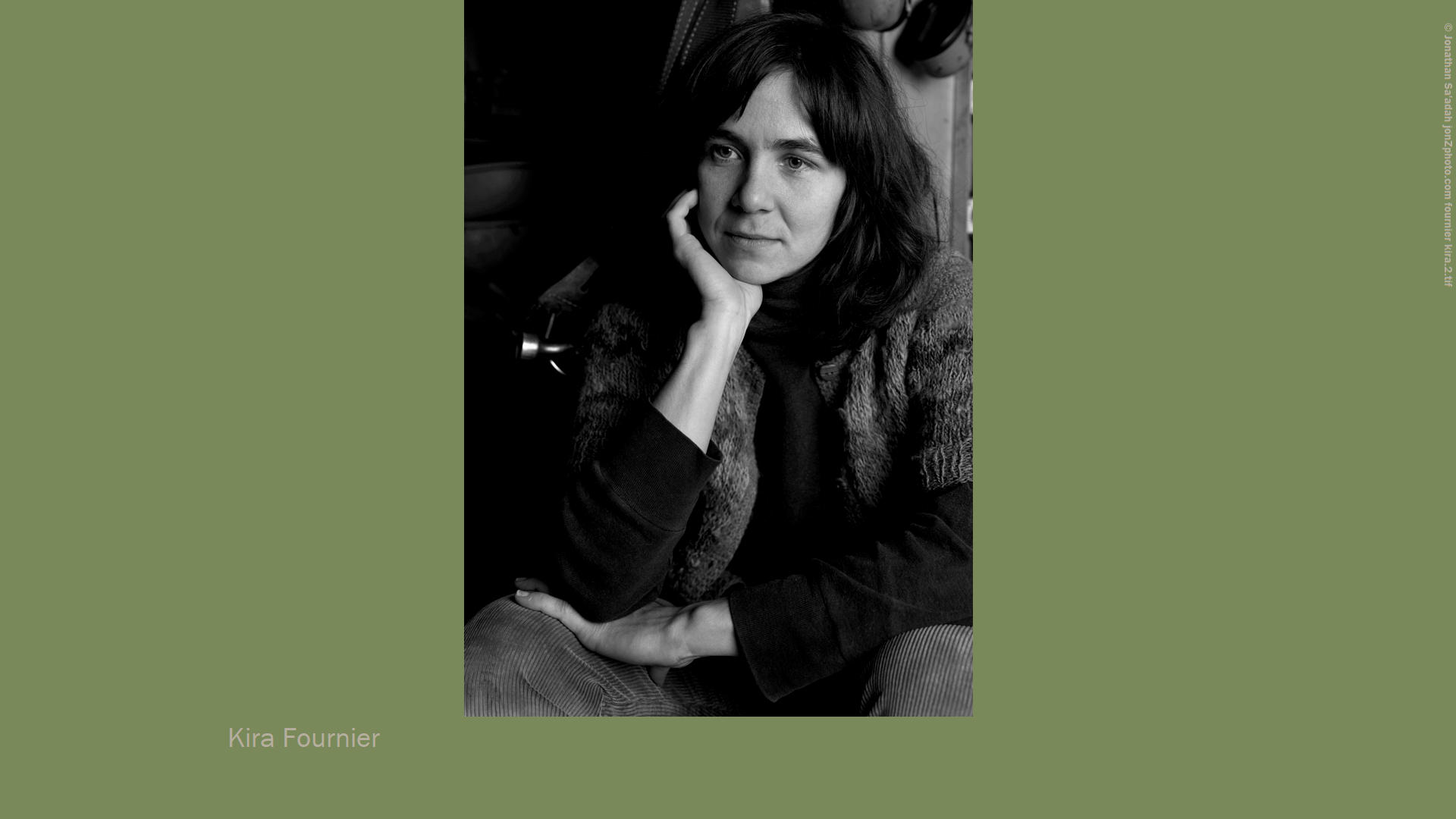
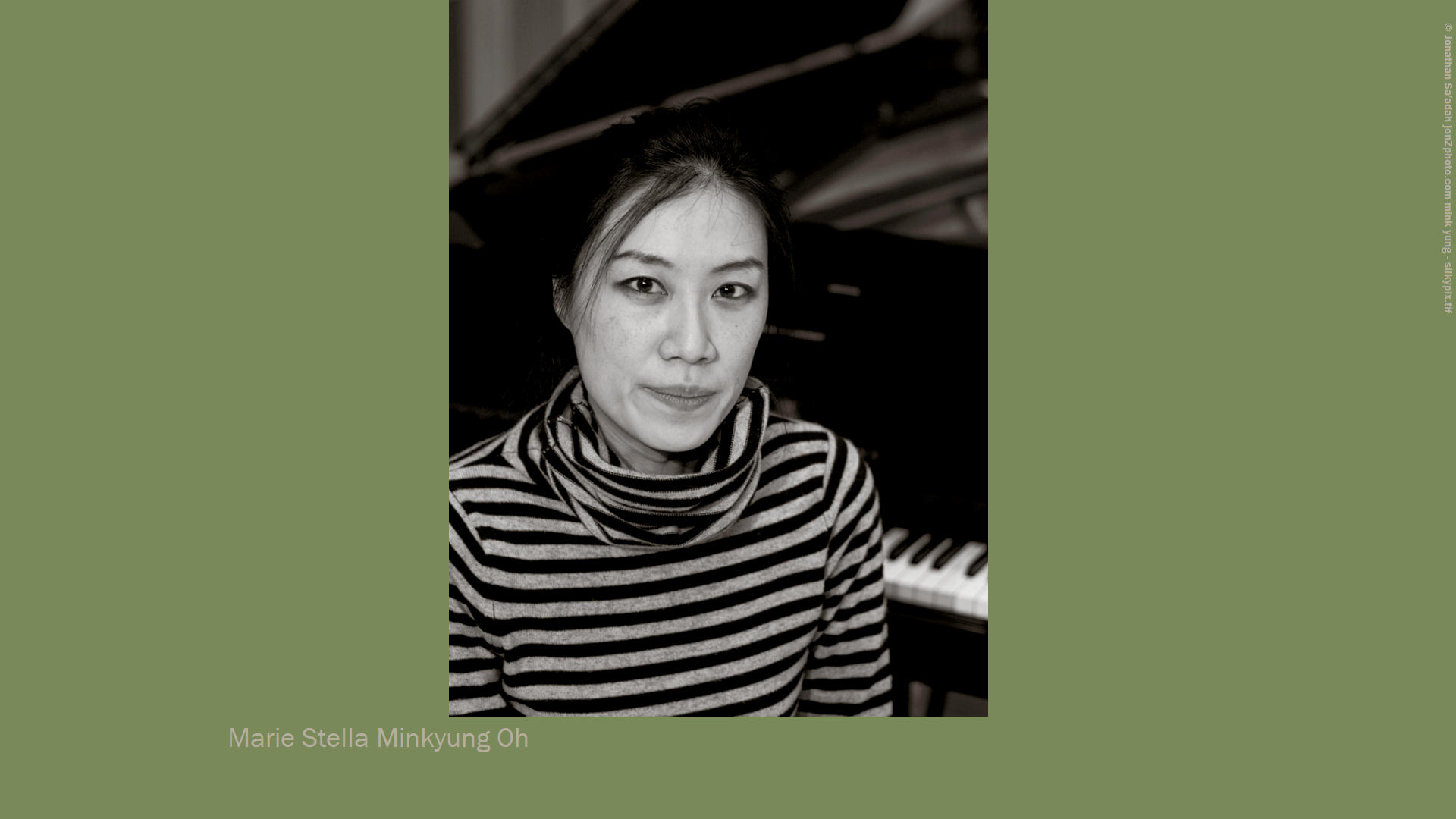
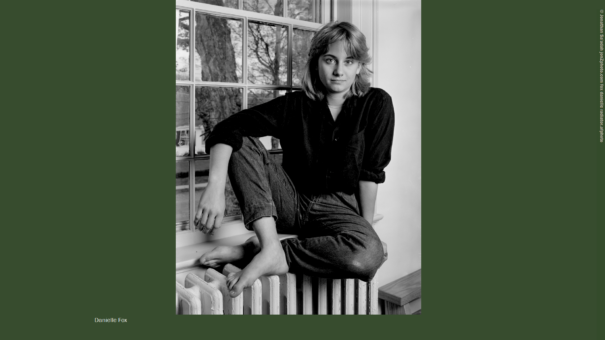
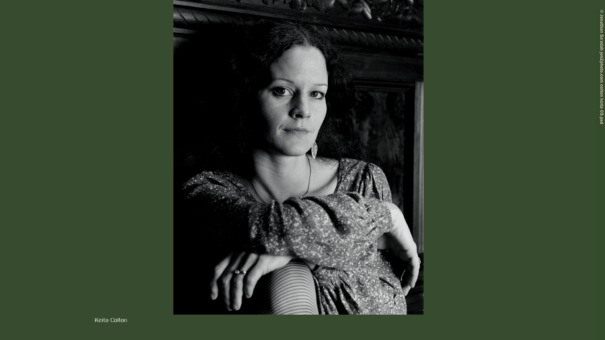
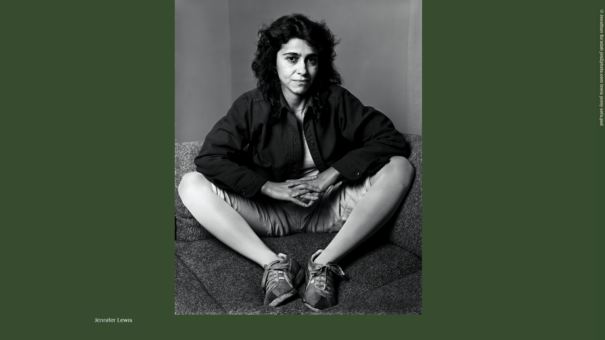
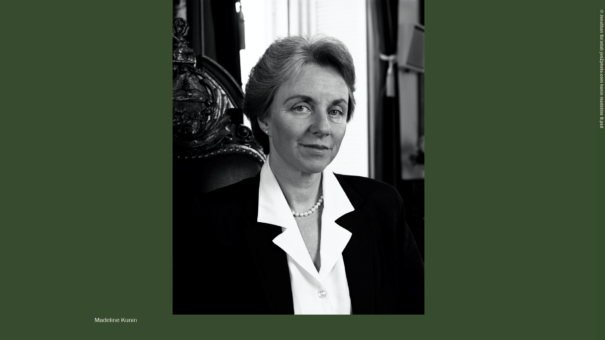
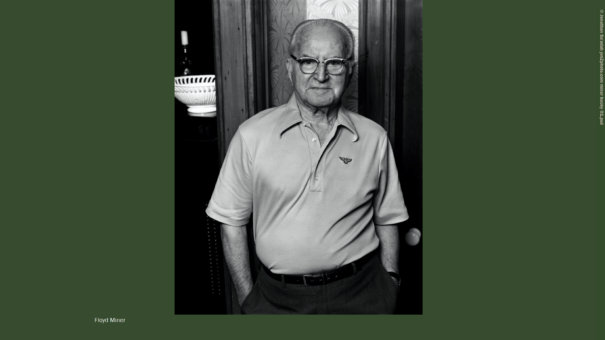
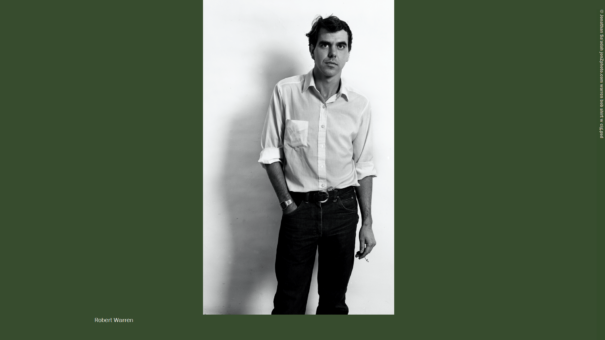
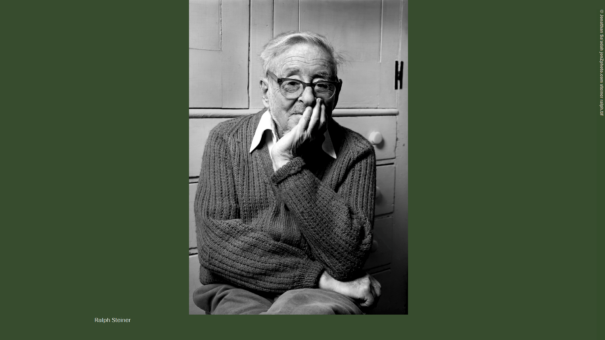
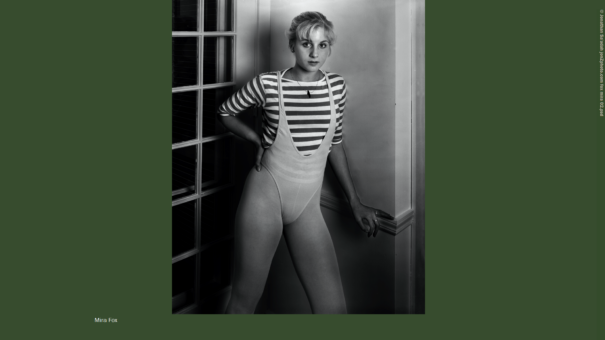
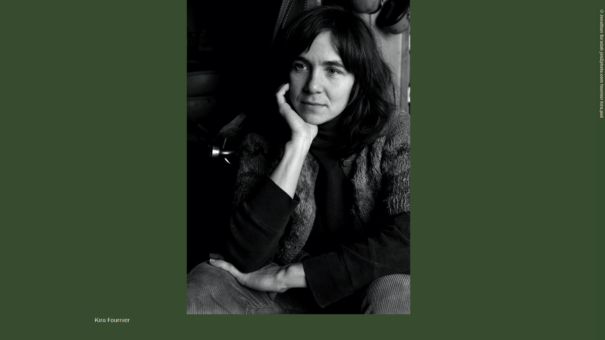
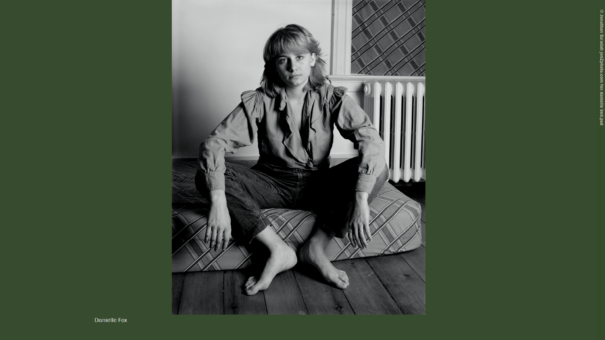
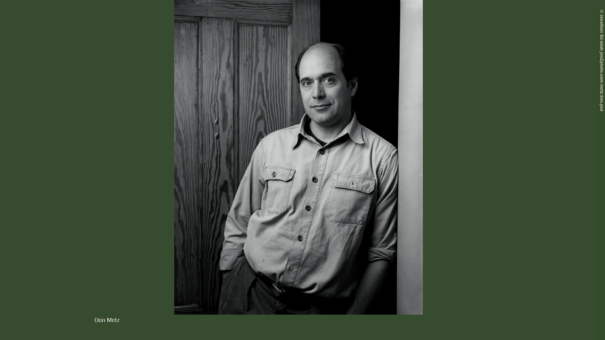
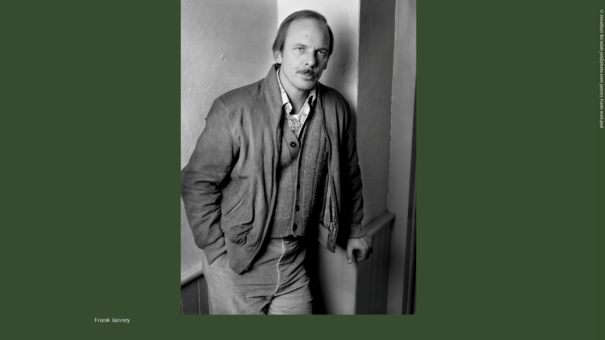
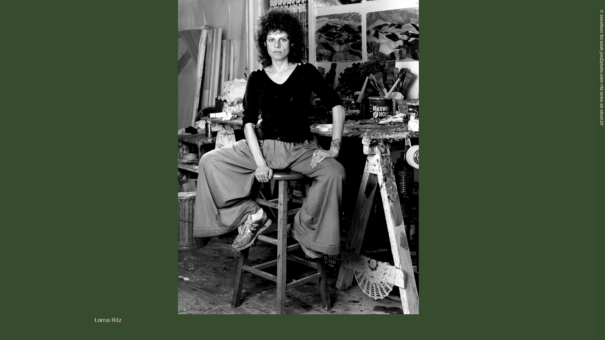
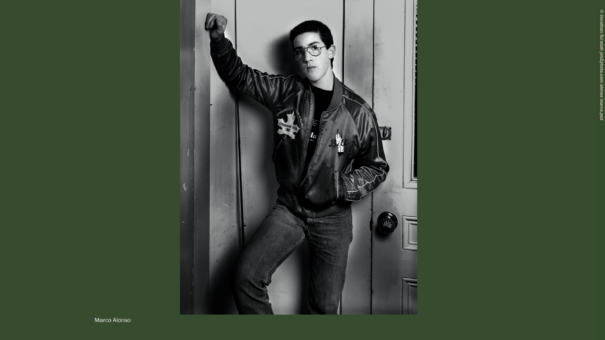
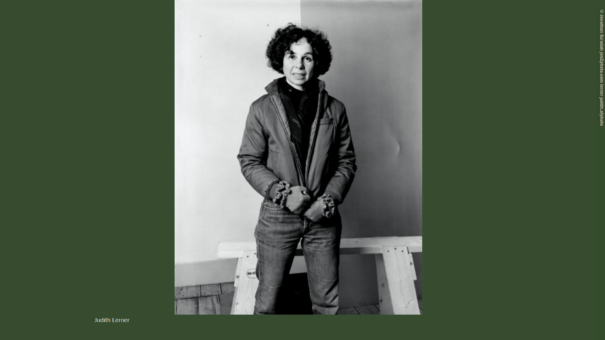
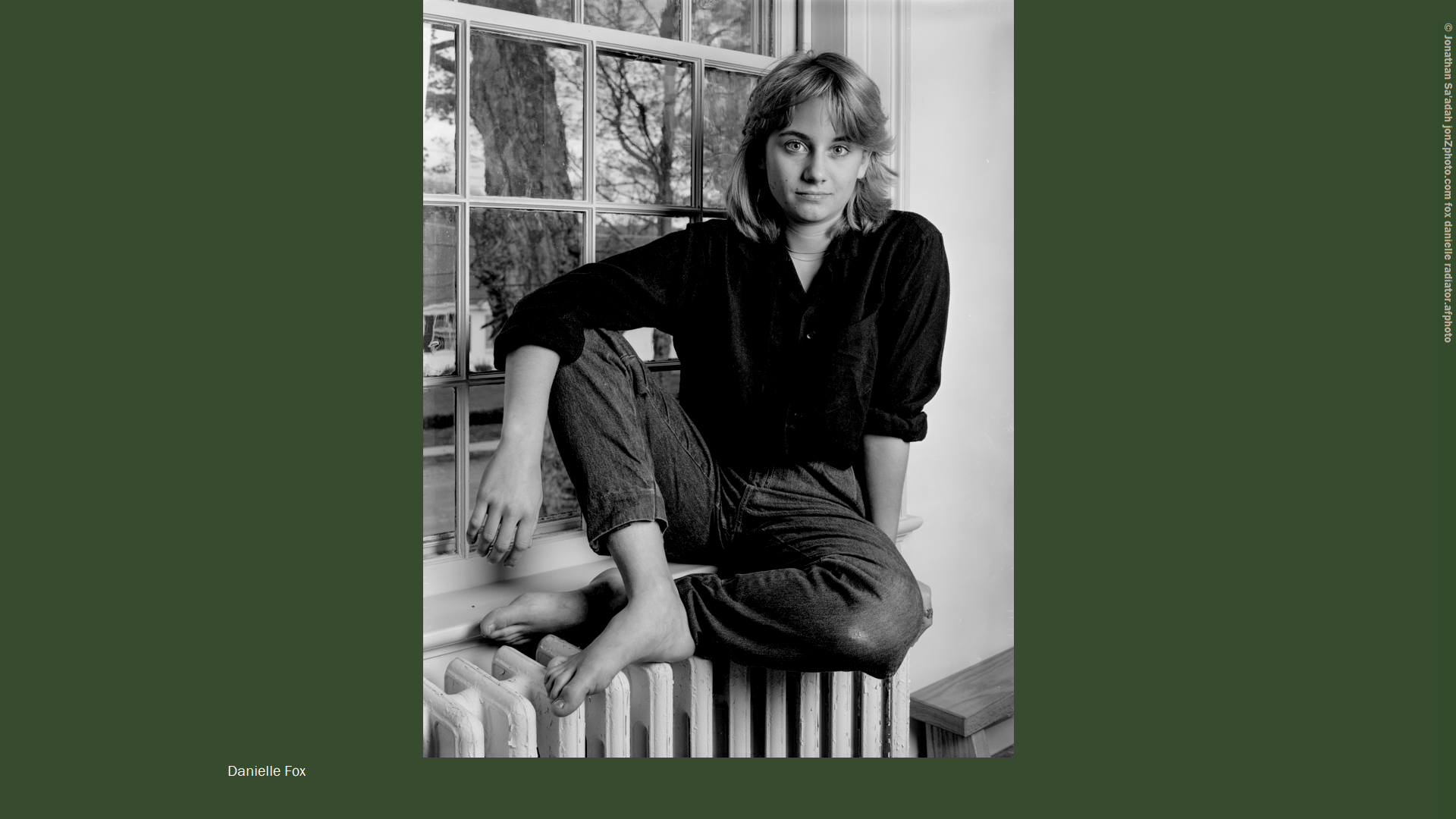
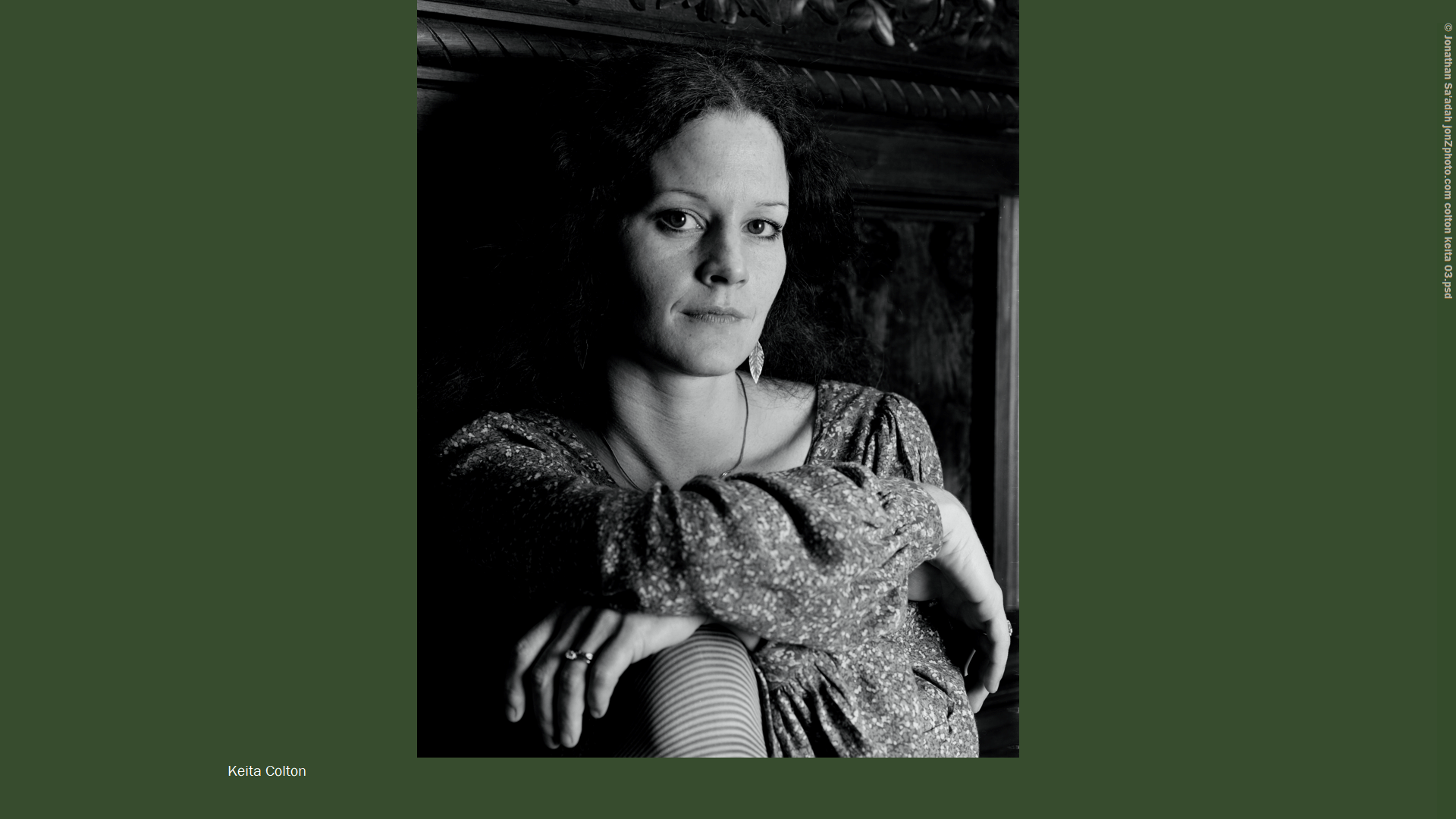
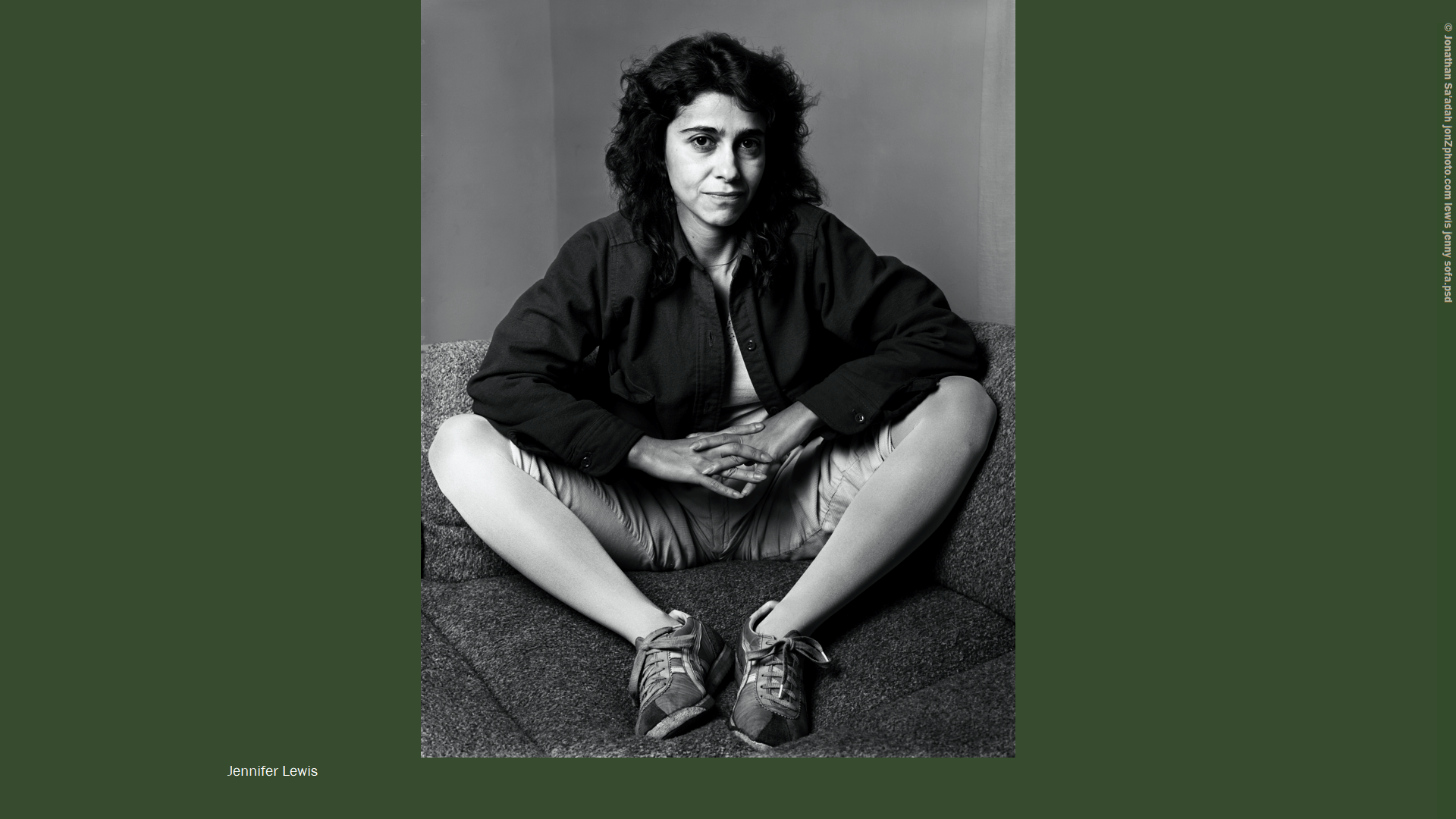
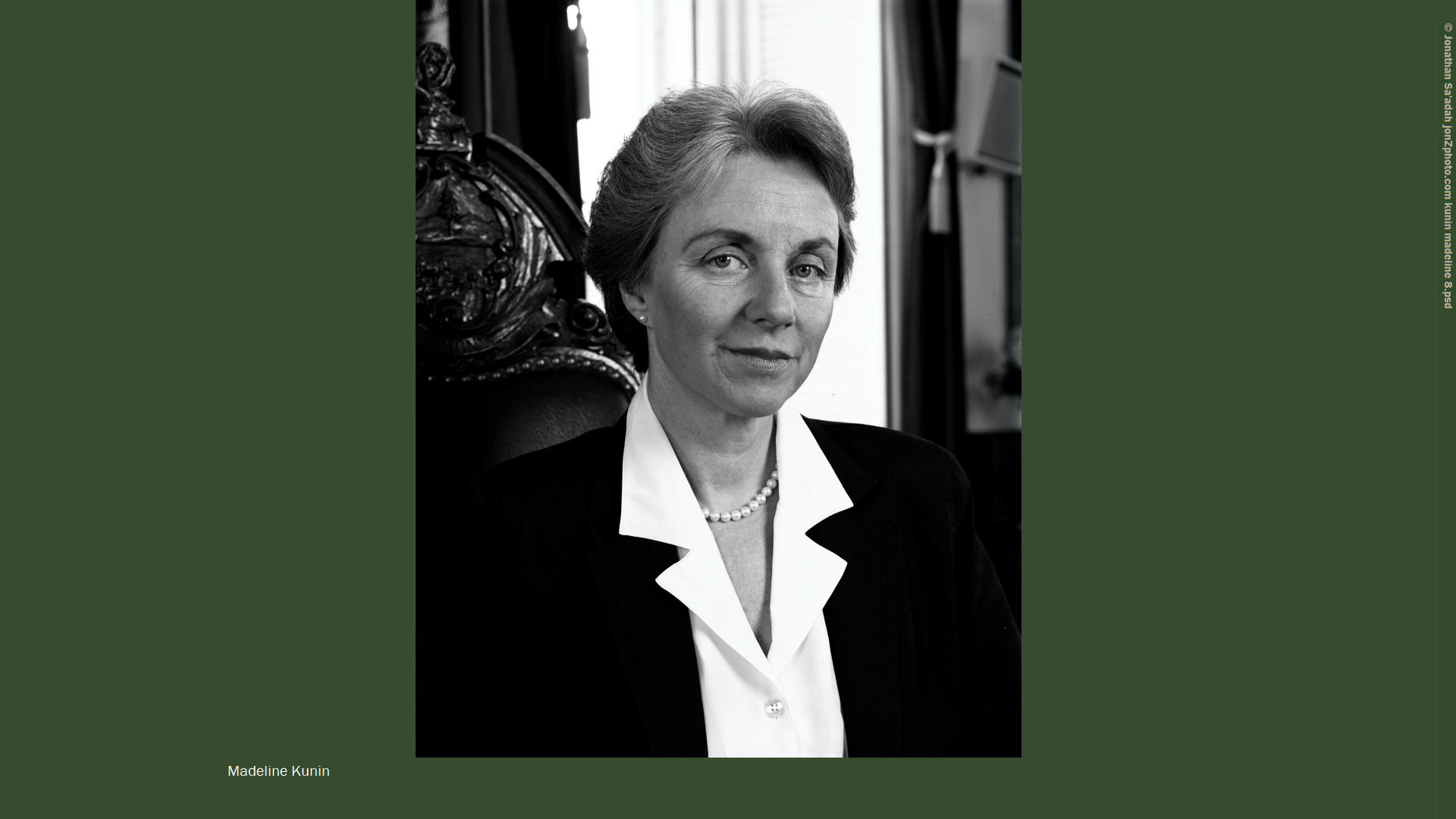
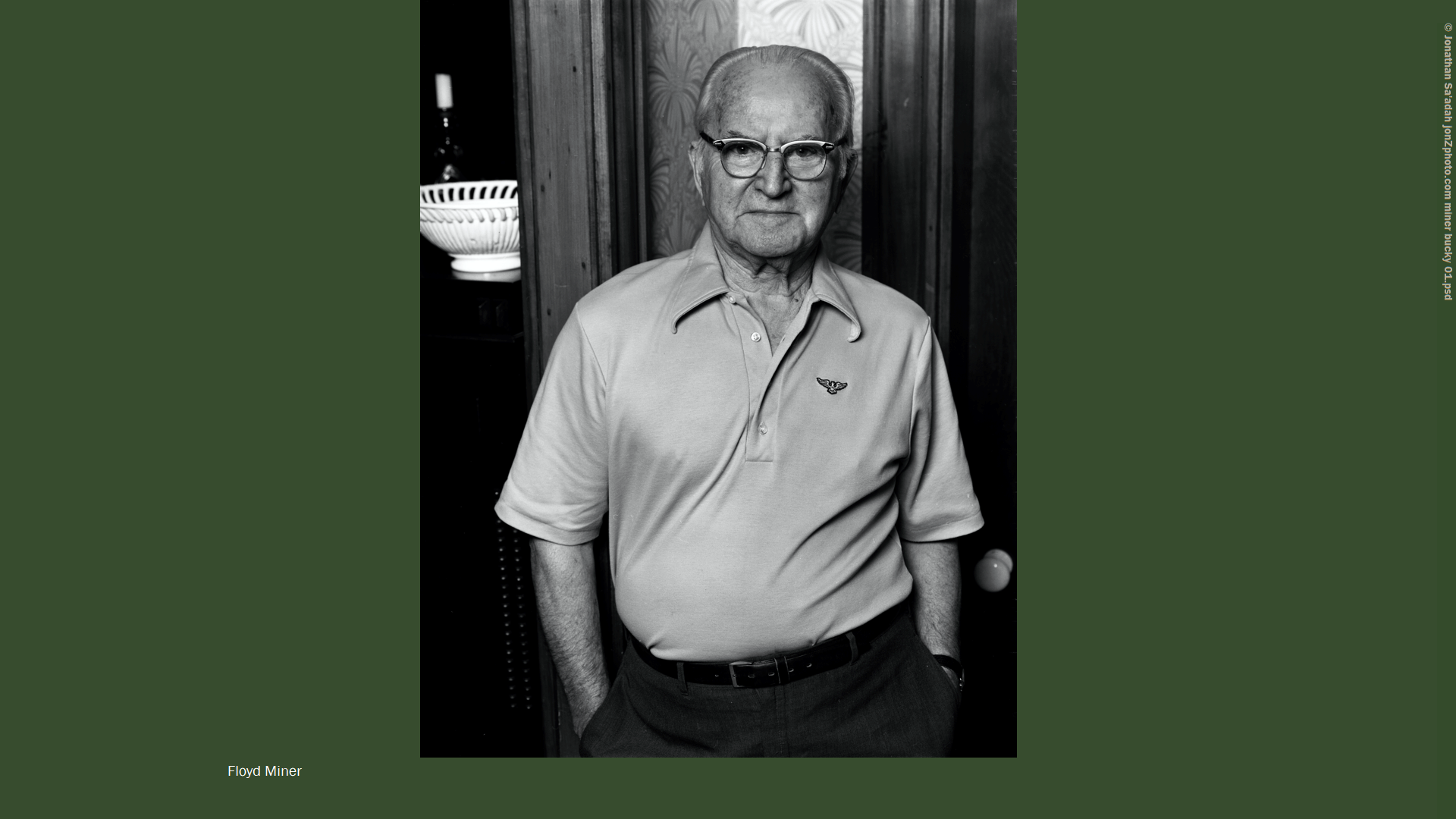
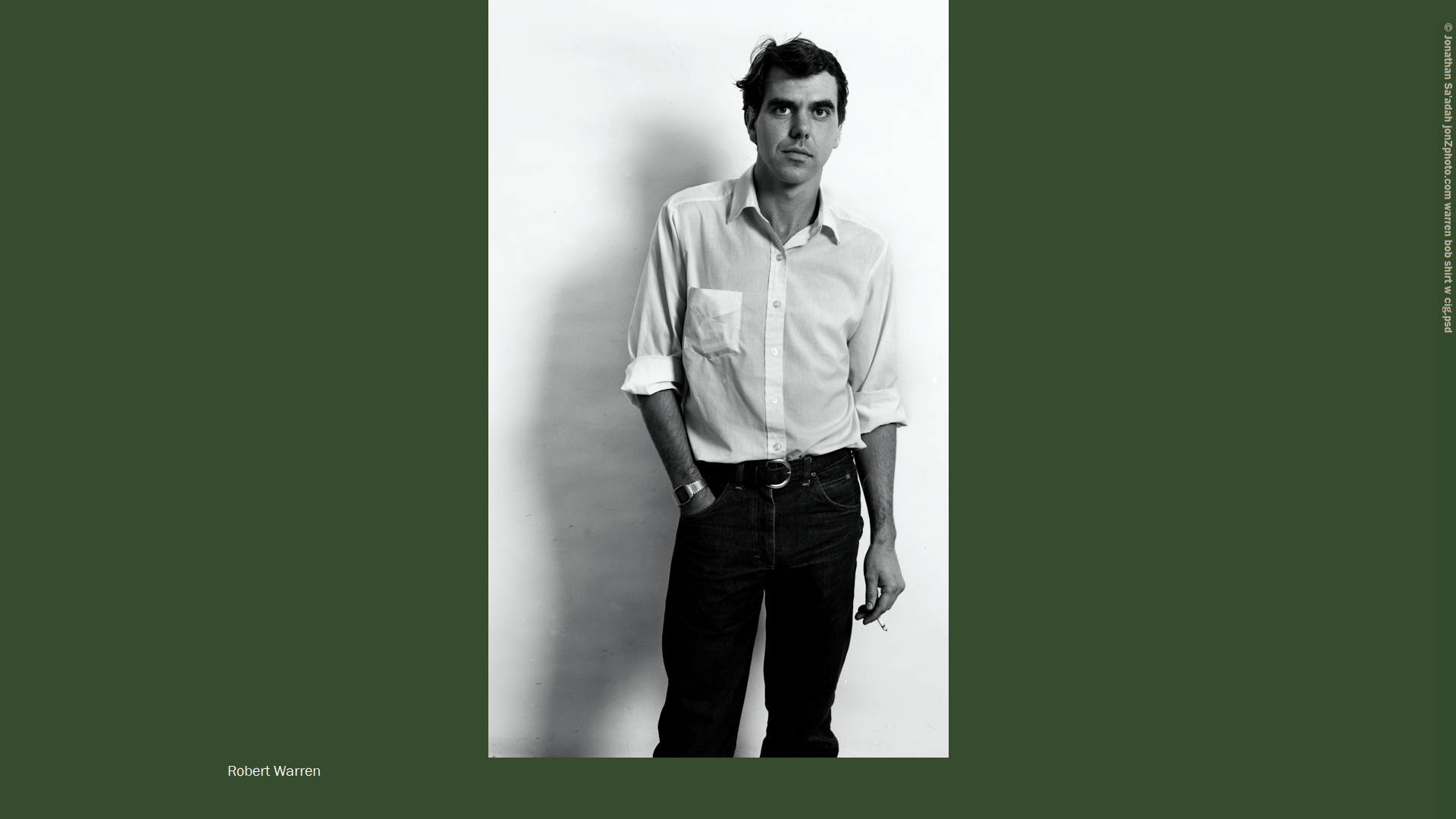
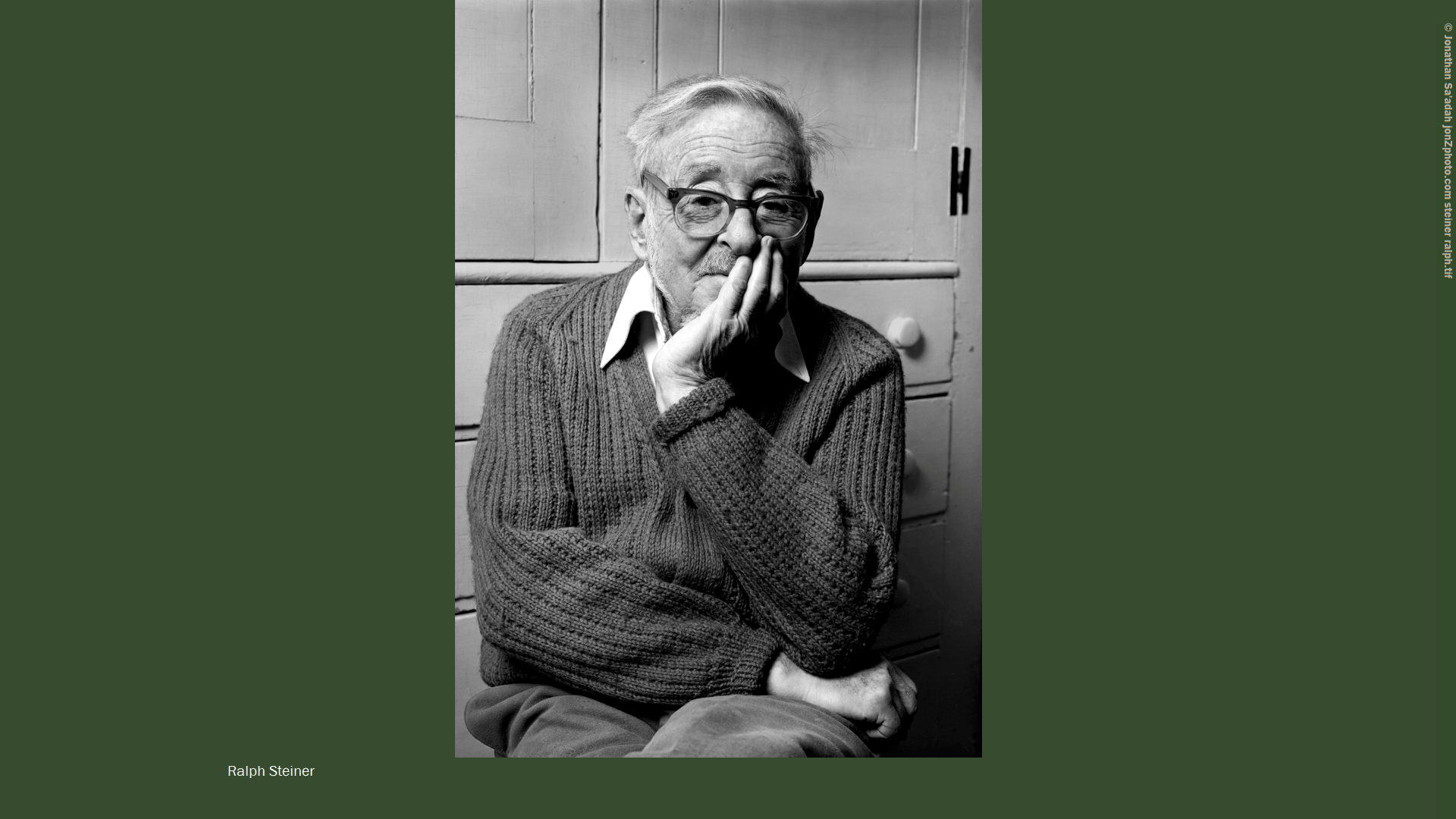
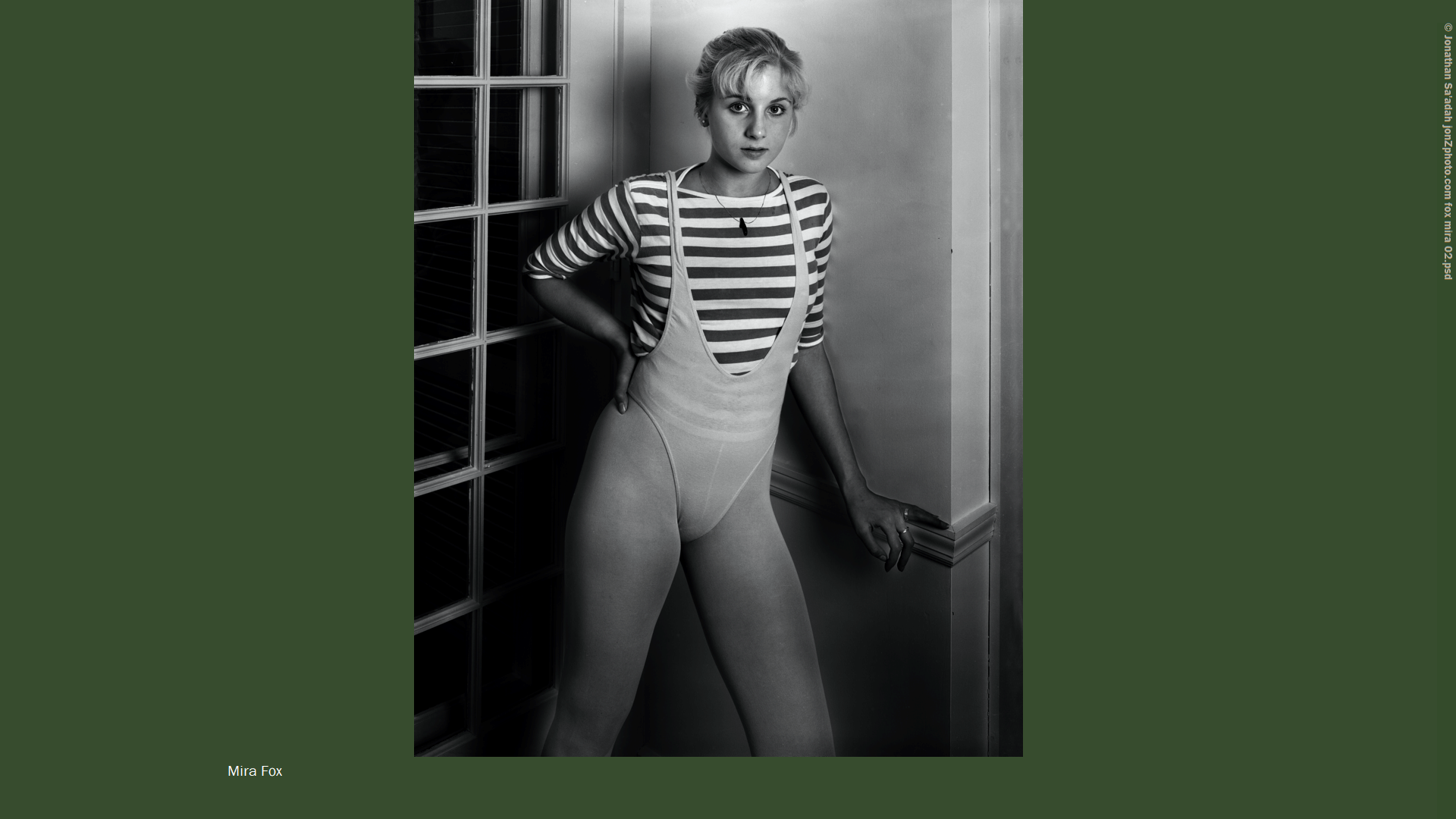
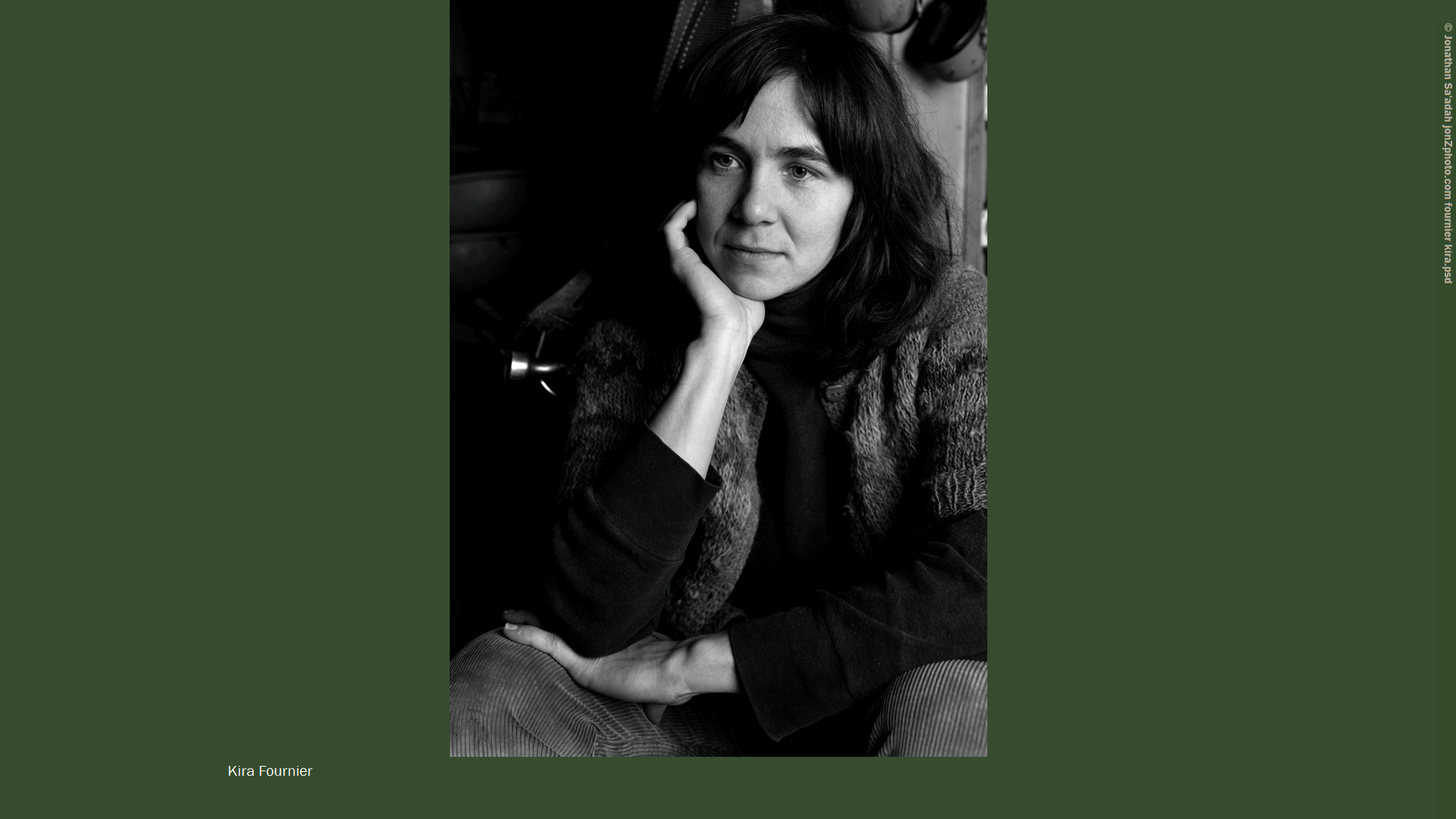
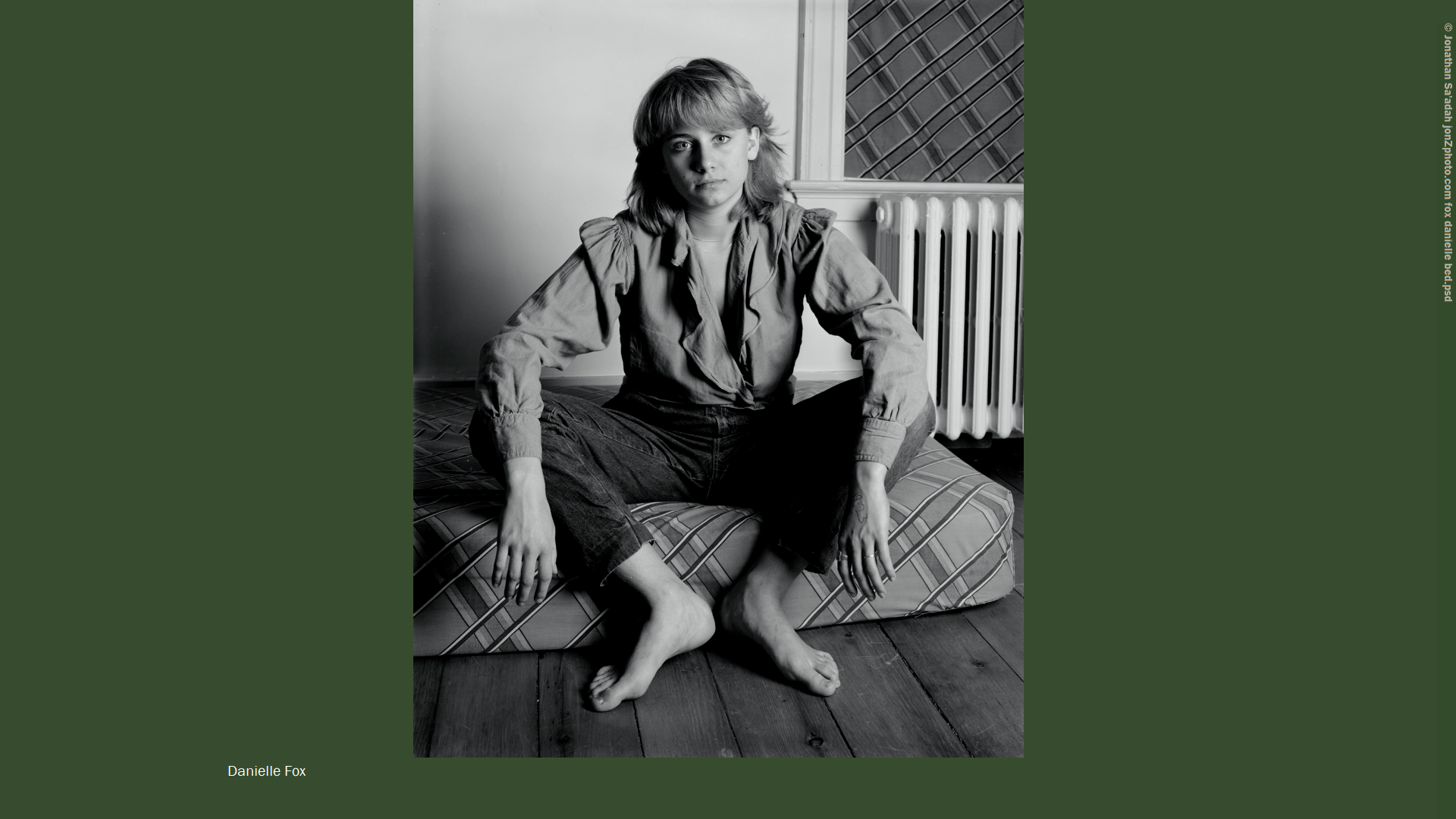
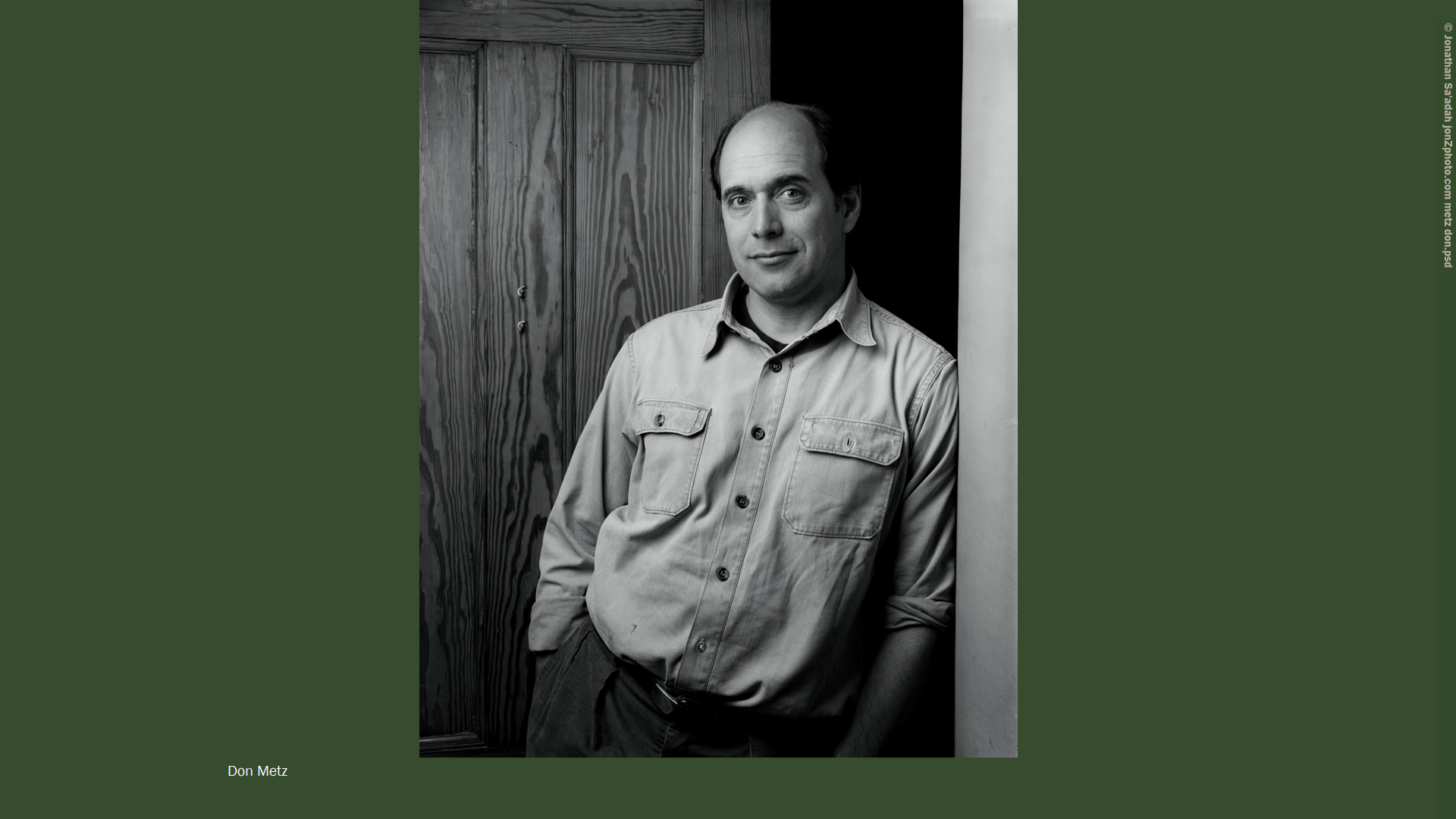
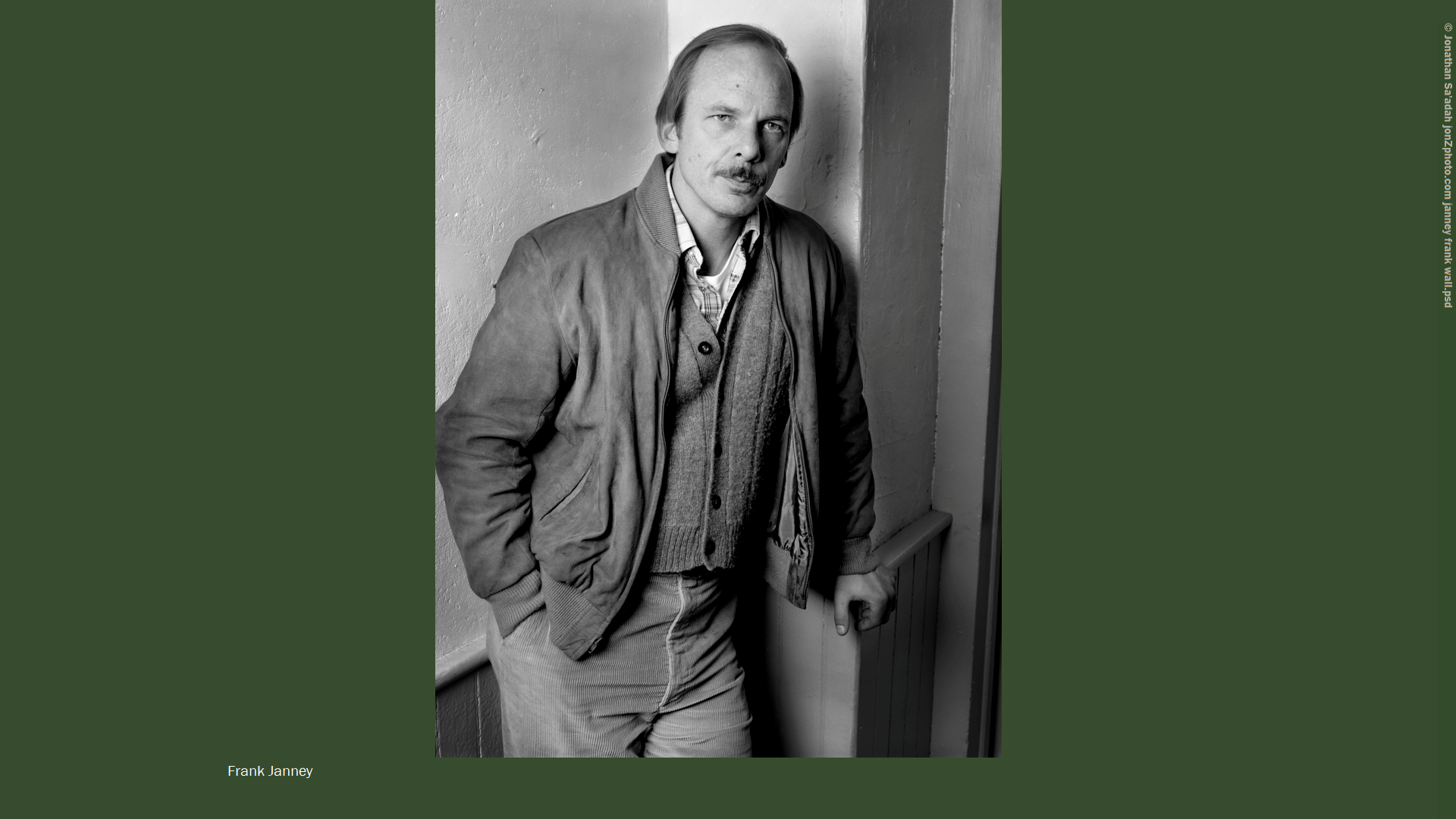
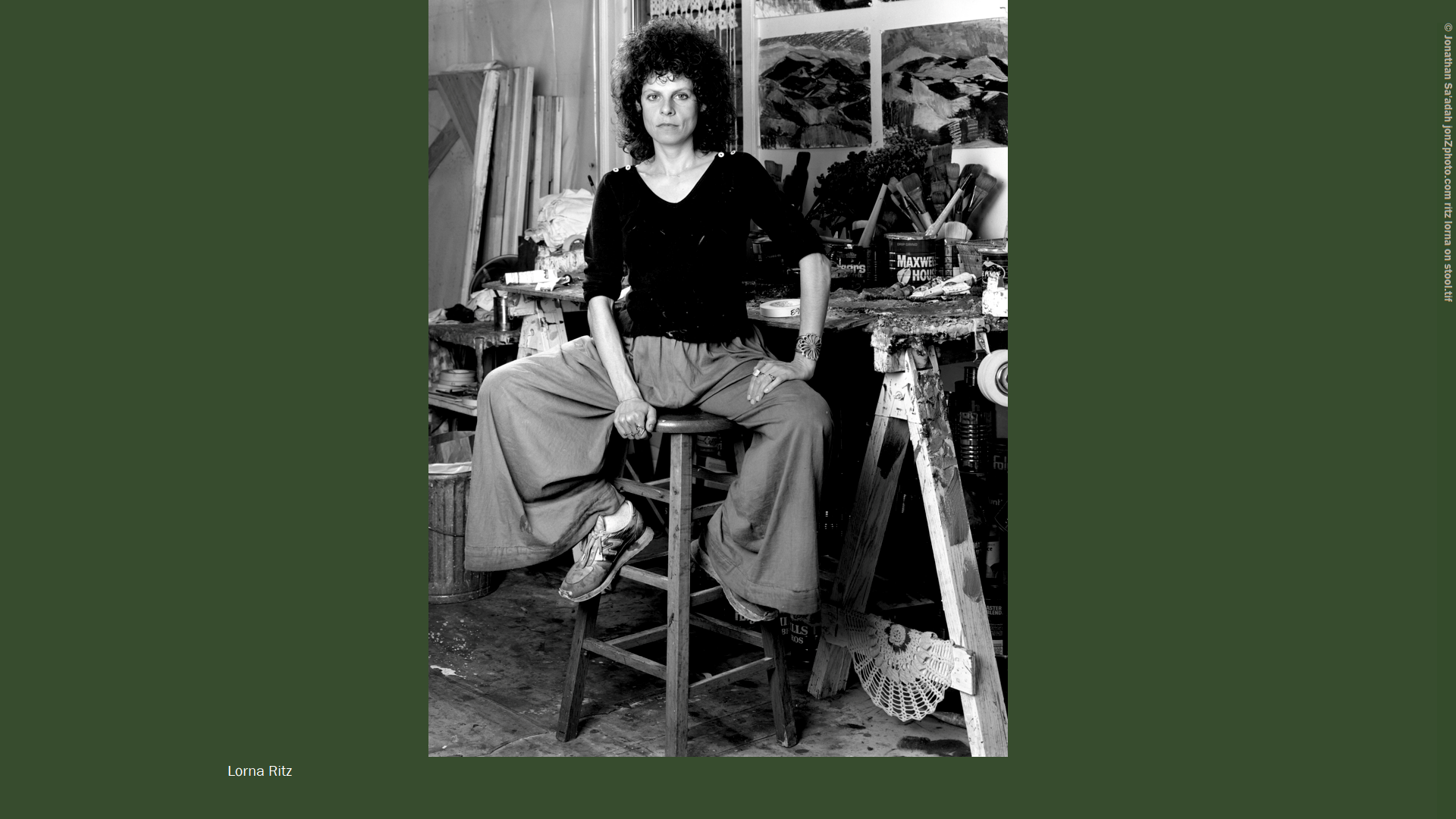
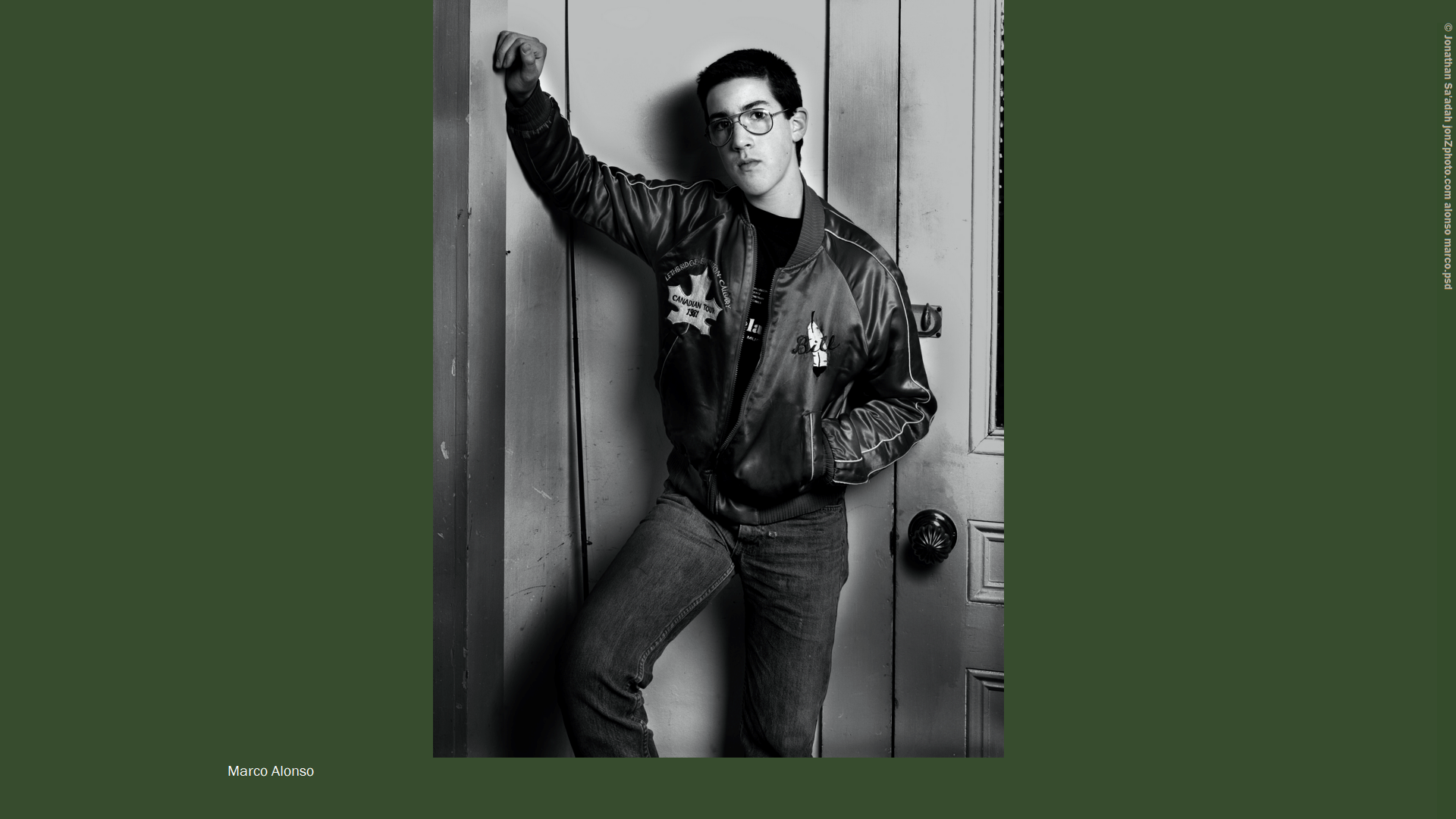
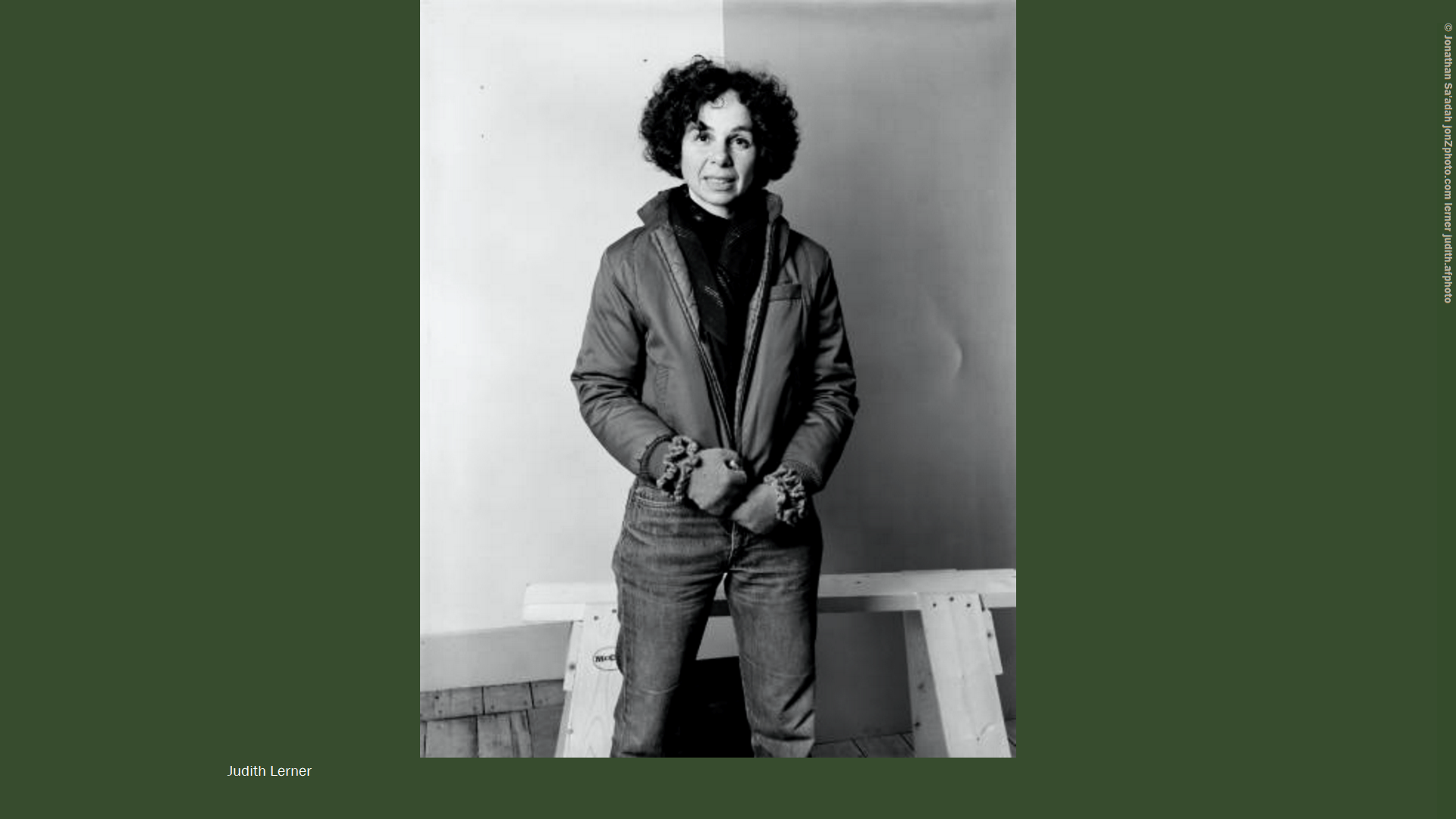
Almost as soon as I picked up a camera, I began photographing people. For a naturally shy boy, it became an easy and natural way to start a conversation – one that didn’t rely entirely on words. The camera offered a kind of permission: to look, to observe, and to engage with others in a way that felt both purposeful and safe. I photographed friends, family, and those closest to me – mostly people who were part of my everyday life. At the time, I may not have fully understood why, but there was already a sense that these moments, and these faces, mattered.
Sometimes I wonder how much that instinct has really changed. The circle of people I photograph has grown over the years, extending beyond the familiar into wider and more varied encounters. Yet at its core, the process remains the same. Portraiture, for me, is still grounded in a kind of exchange – a quiet conversation between the photographer and the person in front of the camera. It is in that exchange, however brief or subtle, that a photograph begins to take shape. When it works, the result feels shared, as though both people have contributed something to its creation.
That said, the outcome is not always immediately welcomed. Not every photograph is liked, even by those closest to me. Friends and family have sometimes reacted with hesitation or discomfort when seeing themselves in an image, particularly when the photograph reveals details they would rather ignore – wrinkles, blemishes, or features they feel self-conscious about. These reactions are familiar and deeply human. We are often our own harshest critics, especially in the present moment, where self-awareness can feel magnified.
And yet, time has a way of reshaping that relationship. Photographs that once felt unflattering or difficult often soften in meaning as the years pass. Distance allows us to see ourselves with more generosity, or at least with less immediacy. The details that once seemed like flaws become part of a larger whole – evidence of a moment, a phase, a version of ourselves that no longer exists in quite the same way. In this sense, photography benefits from time just as much as it records it.
Time, of course, does not simply pass – it accumulates loss as well as memory. Many of the people I have photographed are no longer alive, and the images that remain have taken on a weight I could not have anticipated when I first made them. What may have once felt casual or routine becomes irreplaceable. A photograph transforms into a trace of presence, something that endures beyond the physical world. This enduring quality has always been one of photography’s most powerful attributes: its ability to hold onto what cannot be held otherwise.
Because of this, portraiture carries a quiet responsibility. There is always a challenge in taking a living, breathing human presence and rendering it into a still image that retains some emotional truth. A photograph inevitably simplifies, but when it succeeds, it does not feel reductive. Instead, it feels concentrated – like something essential has been distilled and preserved.
When that happens, the image becomes more than a likeness. It becomes a memory, not only for those who knew the person, but potentially for anyone who encounters the photograph. Even without context, a strong portrait can resonate, suggesting something universally recognizable in a specific individual. In that way, what begins as a personal act – photographing someone you know – can extend outward, becoming something shared, something lasting, and something quietly meaningful.




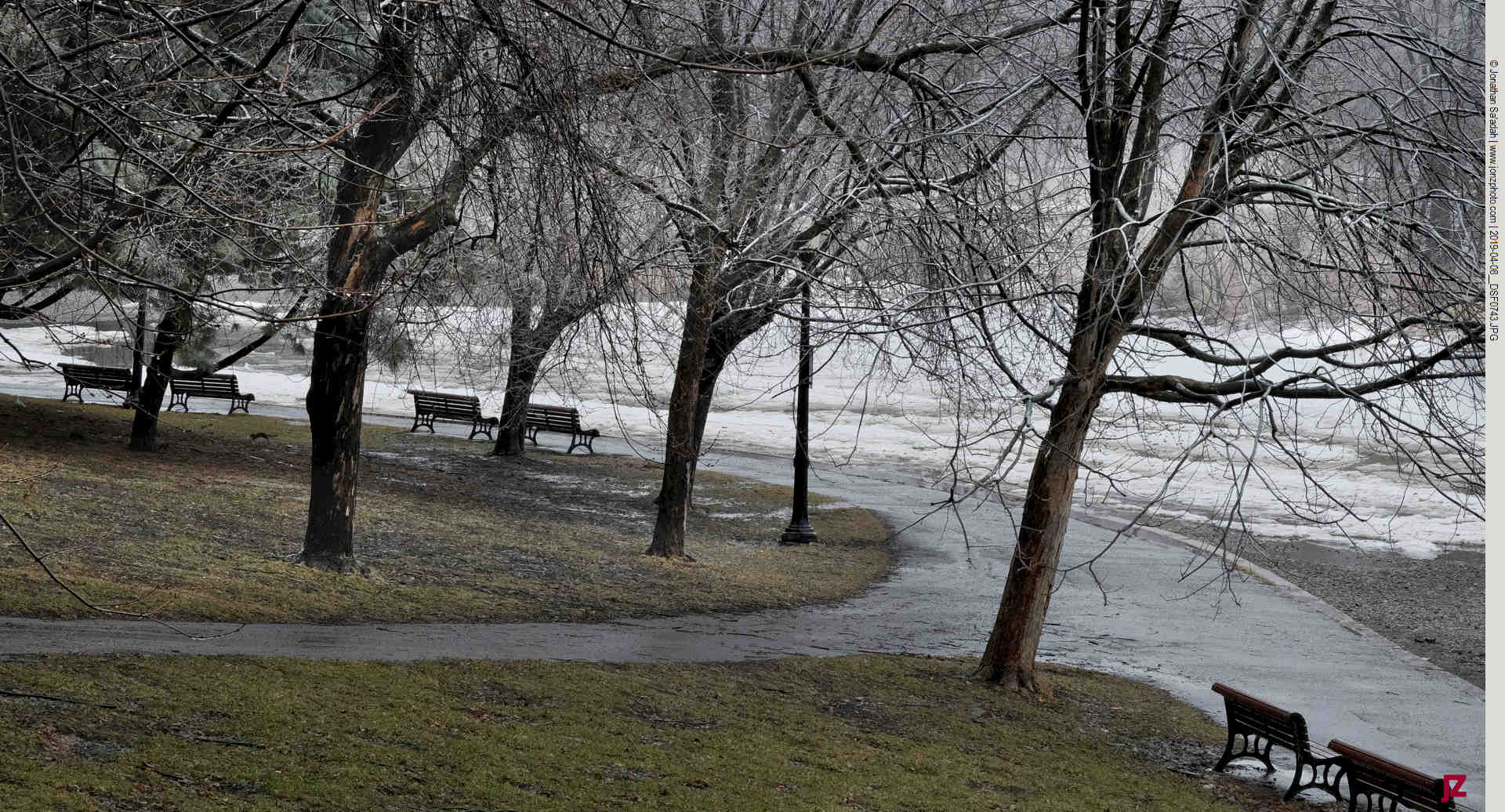
Having been born an American, I grew up thinking of city parks as somewhat sinister places. Manhattan and Boston, the two cities I knew well, have beautiful parks but they generally aren’t places where you ignore danger, and that was especially true in the period when I was in those cities. So coming to Montreal took an adjustment. I remember while still a tourist here asking a policeman if a certain park was safe to walk across at night. He gave me a baleful look and said “you must be an American”. It wasn’t so much that he was being dismissive, just making a sad observation.
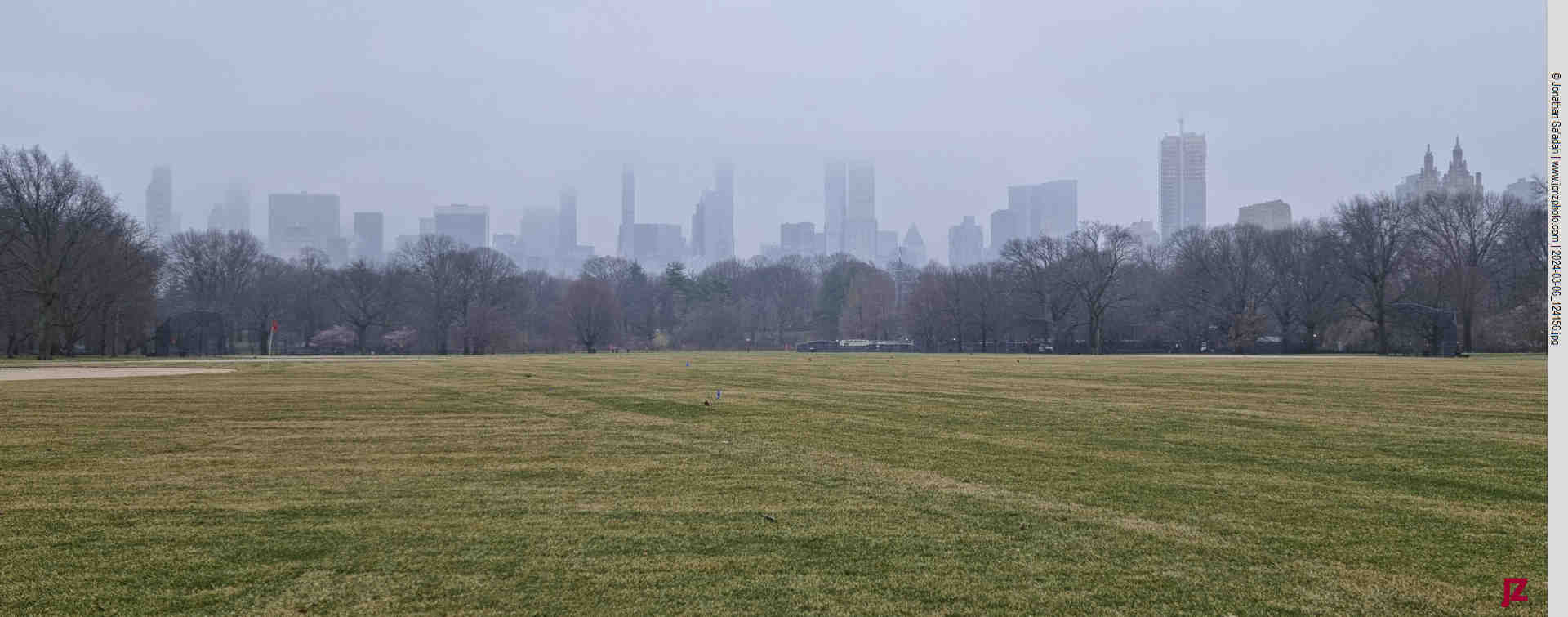
So the idea of a city park being a public space safe to walk in alone late at night, or a place where I could sit on a bank and leave the world behind for a bit, wasn’t something that came naturally. On the other hand, I’ve had no problem learning new behaviors! We were lucky that when we moved to Montreal. Our first home bordered on one of these big parks, Parc Lafontaine, and it was very much part of our daily life for the sixteen years we were its neighbor. I came to know it well; it was like a friend who was always there.
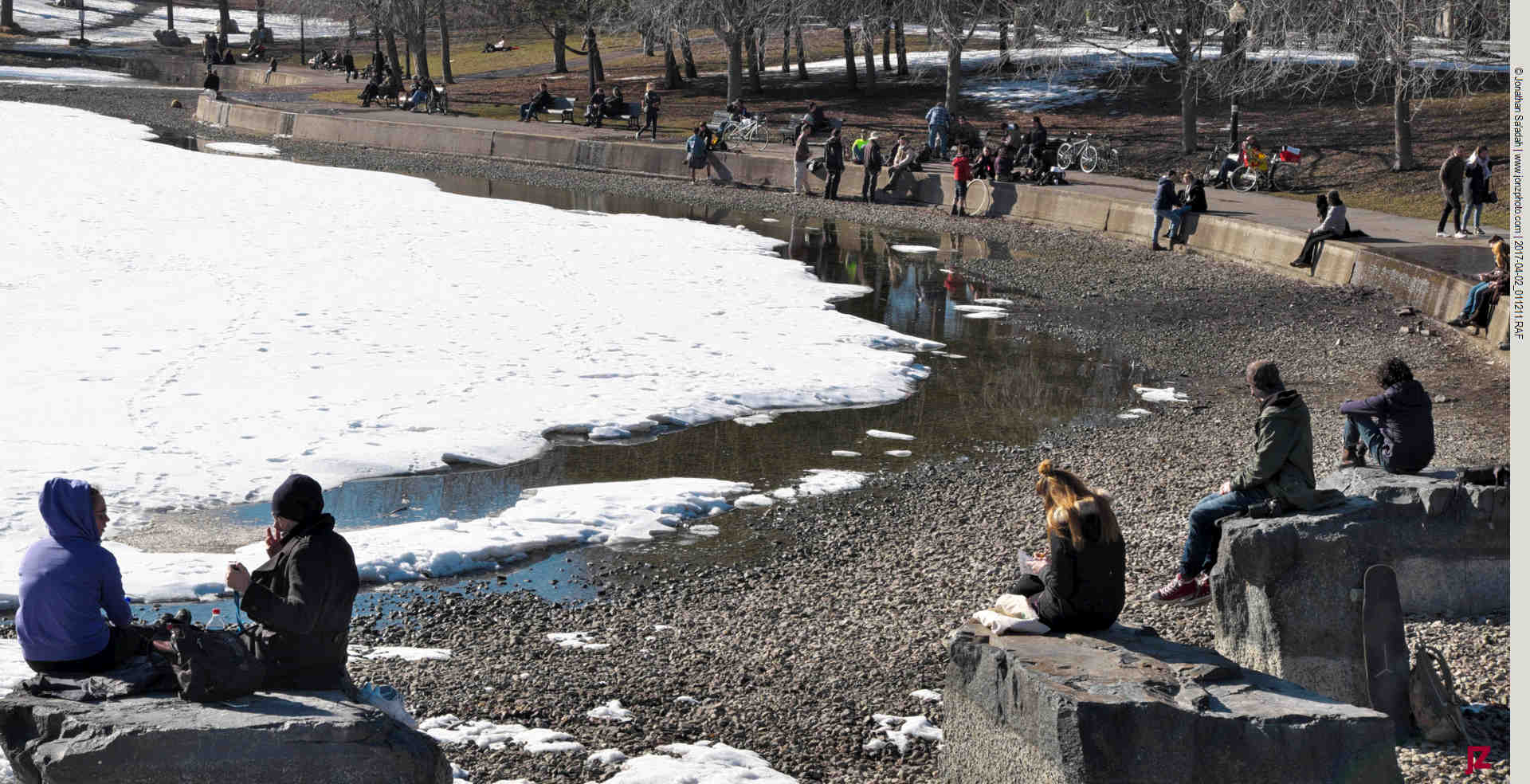
Parc Lafontaine in spring feels less like a sudden transformation and more like a gradual, slow return. In early April, the park is still in transition—patches of snow linger in shaded areas, the ponds are empty and raw, and the trees remain bare. But even then, there’s a visible shift. The light softens, the paths reappear slippery with mud, and the park starts to reclaim its role as one of Montreal’s most lived-in public spaces.
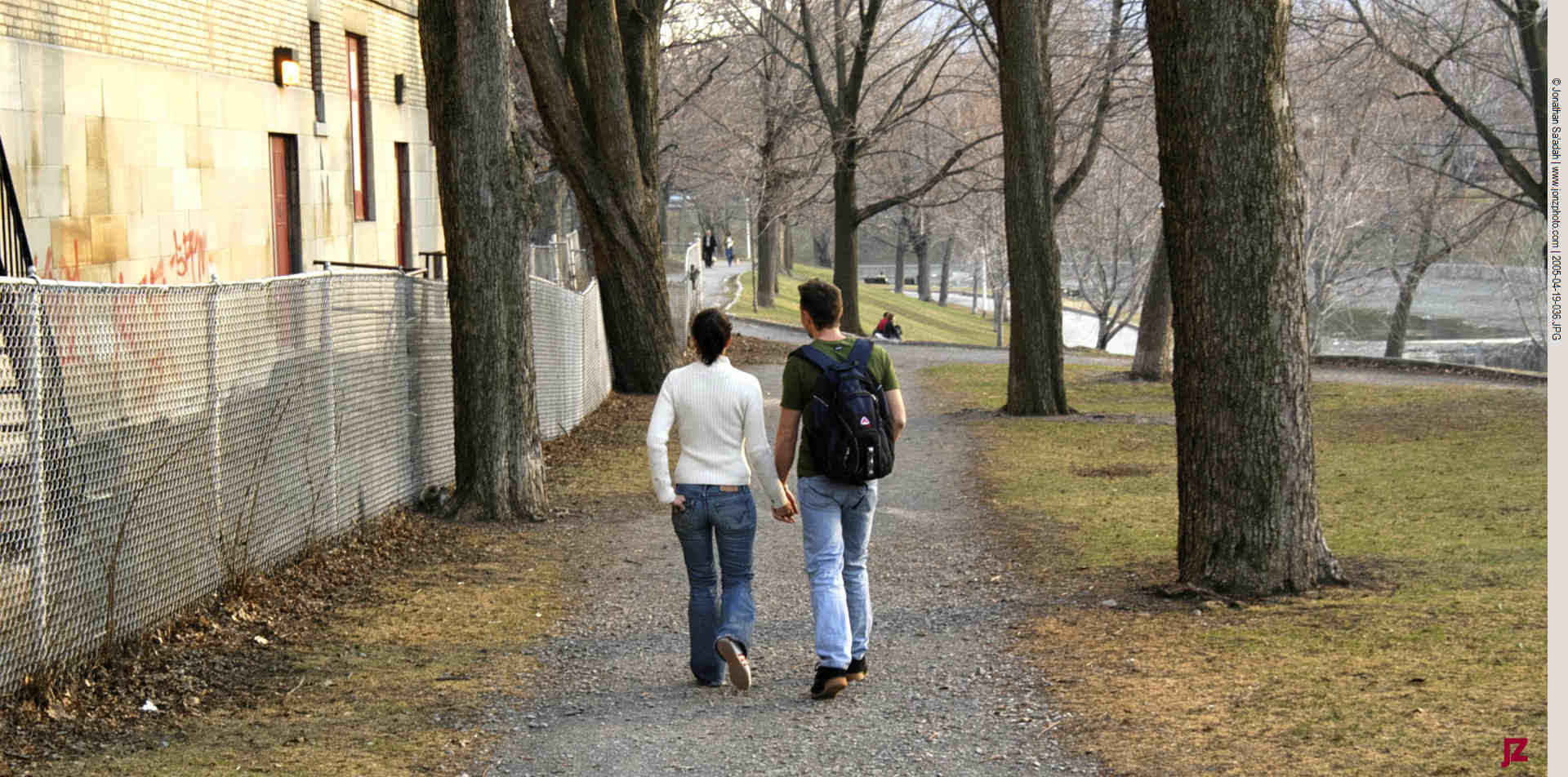
Located in the Plateau, Parc Lafontaine has been part of the city’s fabric since the late 19th century, when Montreal acquired the land and began converting it from farmland into a public park. Before that, it belonged to the Logan family, and its open, cultivated character still echoes in the park’s layout today—broad lawns, structured paths, and a landscape that feels designed to be shared.
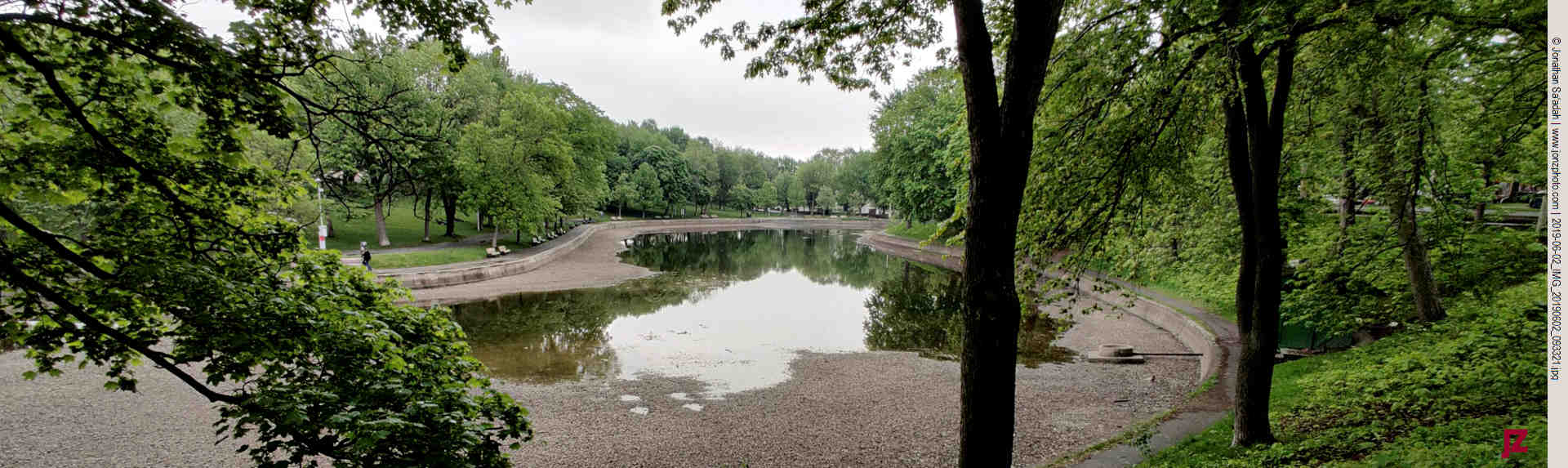
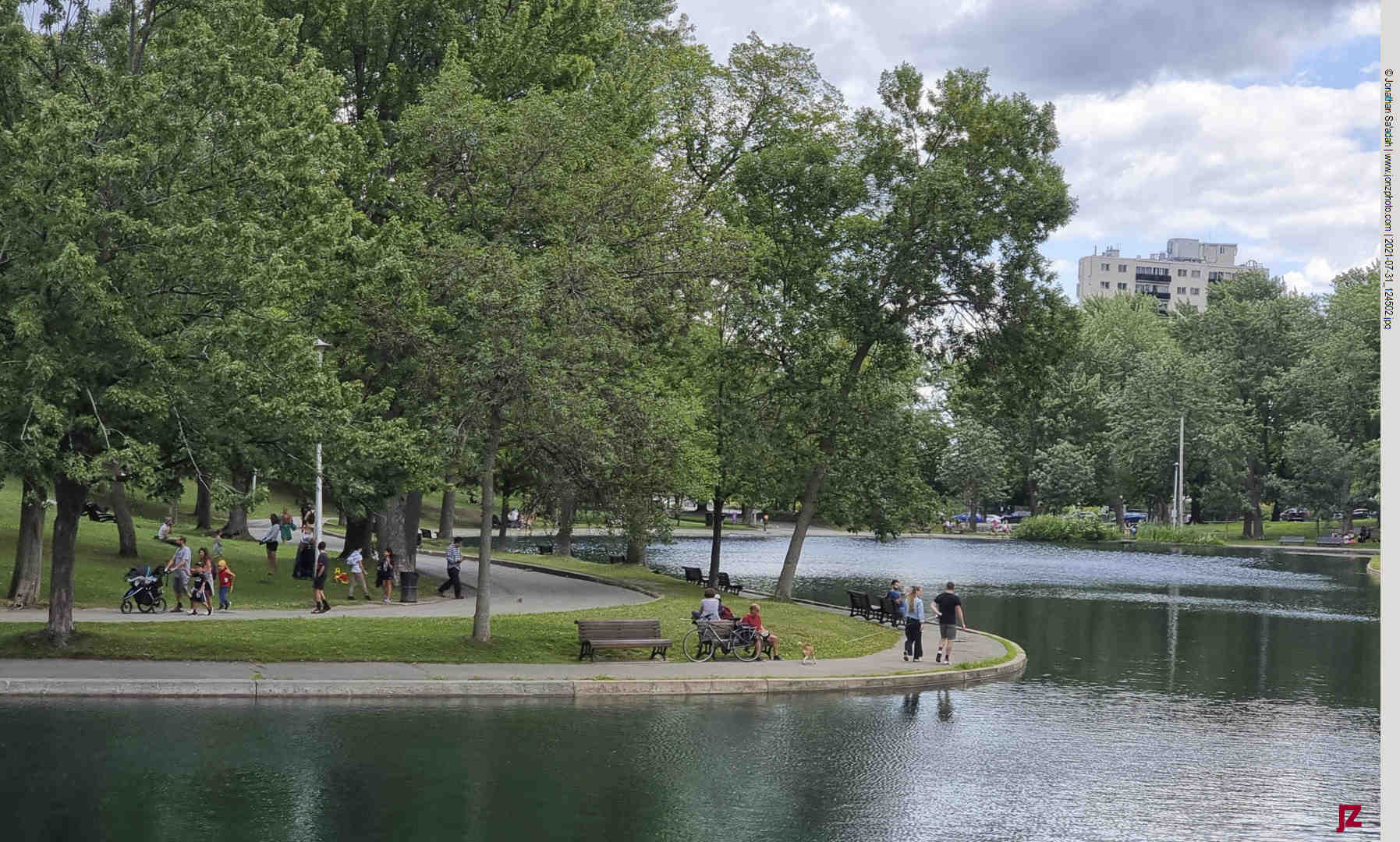
By May, the seasonal change is fully in swing. Trees leaf out in bright green, the two central ponds are refilled, and the park’s paths are coming back to life. Runners, cyclists, and pedestrians fall into familiar patterns, while others settle onto the grass, reclaiming it from snow and ice. The park’s footbridge becomes again a natural gathering and vantage point—especially for photographers and anyone watching the light shift across the surface of the ponds.
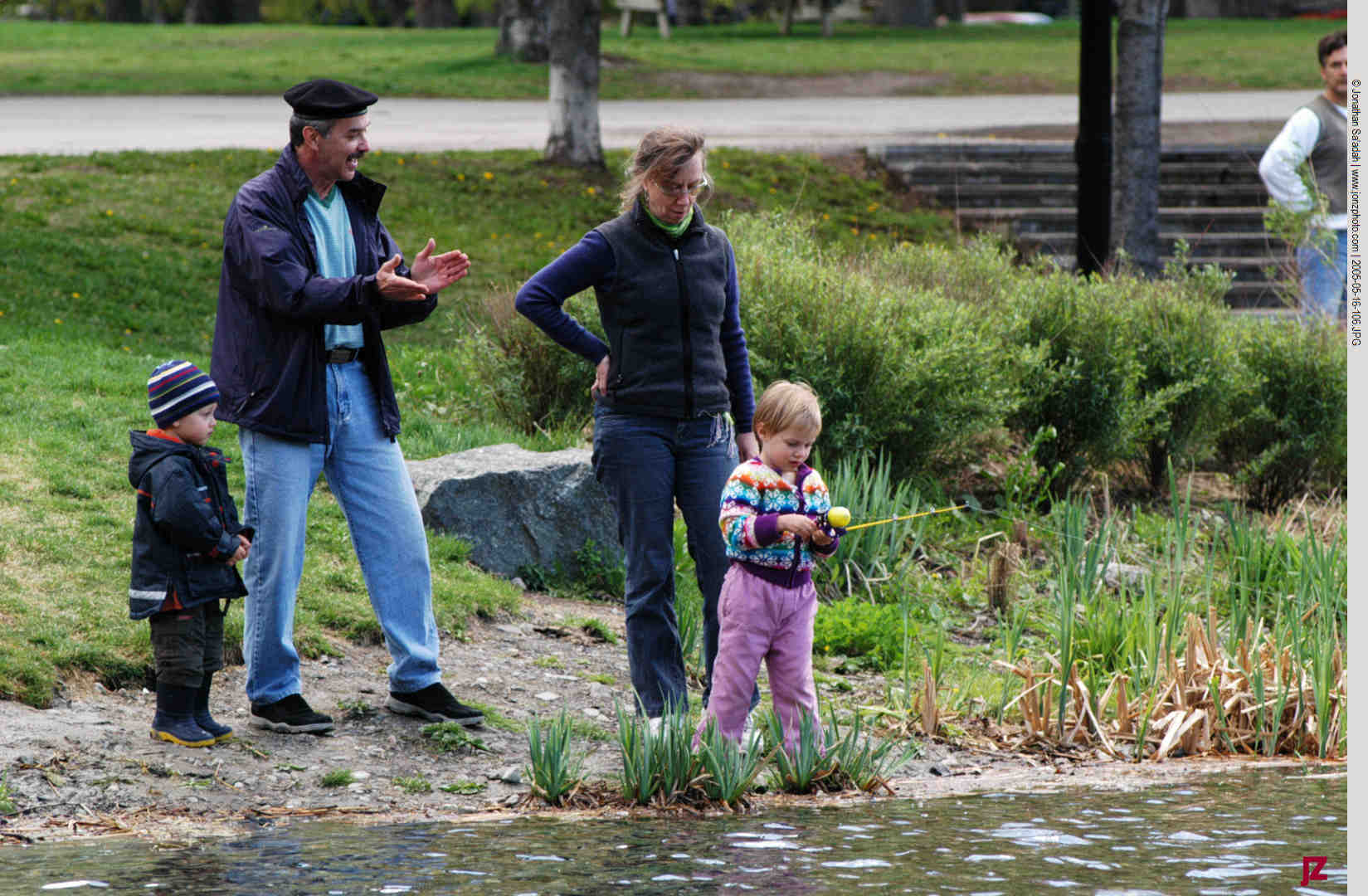
One of the defining features of Parc Lafontaine is how it blends recreation with culture. Near the eastern side of the park sits the newly rebuilt Théâtre de Verdure, an open-air performance space first constructed in the 1950s. It has hosted decades of concerts, plays, and community events, and while its programming has fluctuated over the years, it’s an important cultural landmark in the city.
The park serves many functions. During COVID the park rescued me and thousands of other people from enforced confinement. The city maintained wide walking paths through the snow, and a network of groomed trails for cross country skiers. It felt more like Helsinki than Montreal but it helped a lot.
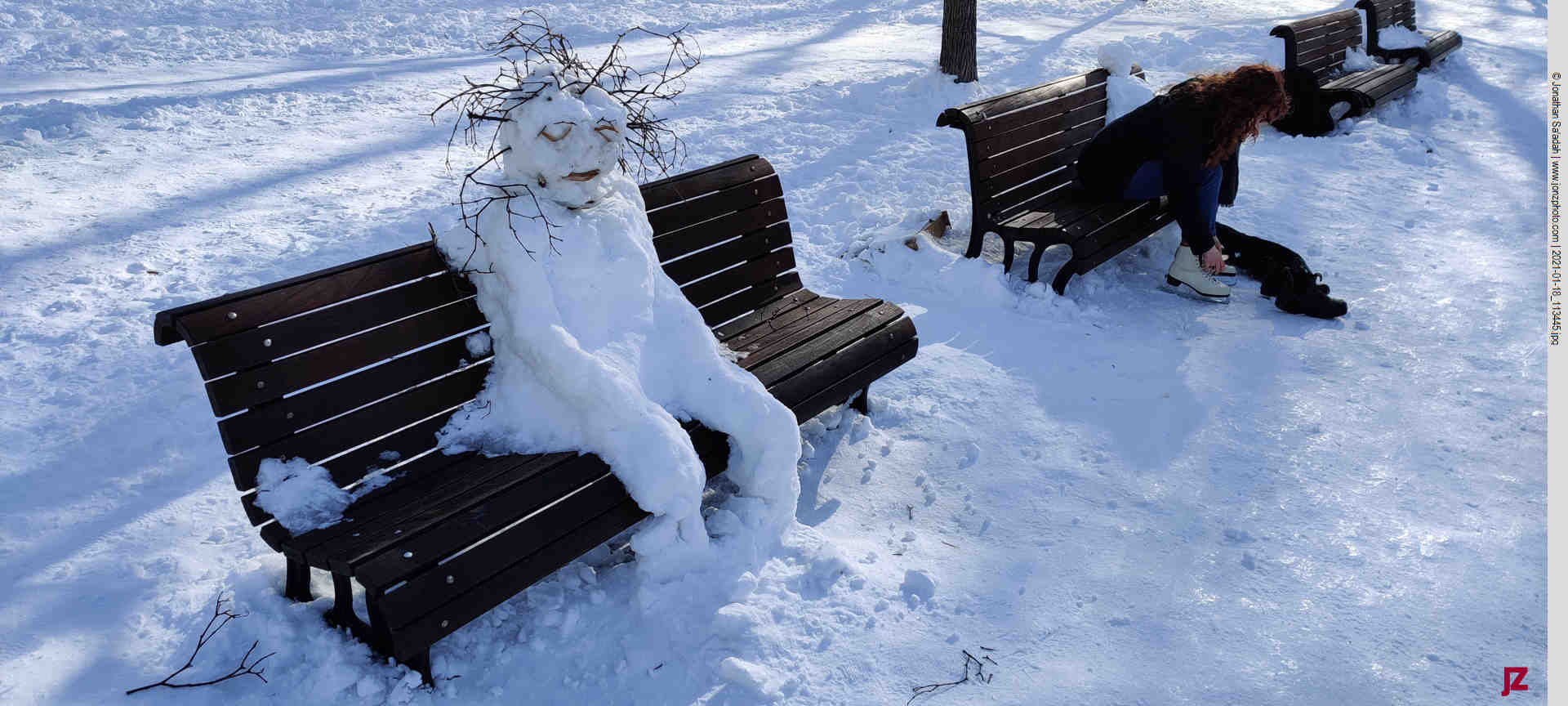
Spring also brings smaller, sensory details that define the experience of the park. Lilacs, pussy willows, and catalpas bloom adding a strong, unmistakable scent to the air. The soundscape shifts as well—less wind, more conversation, music, and the ambient rhythm of daily life. What was quiet and sparse in winter becomes layered and active, without ever feeling overwhelming.
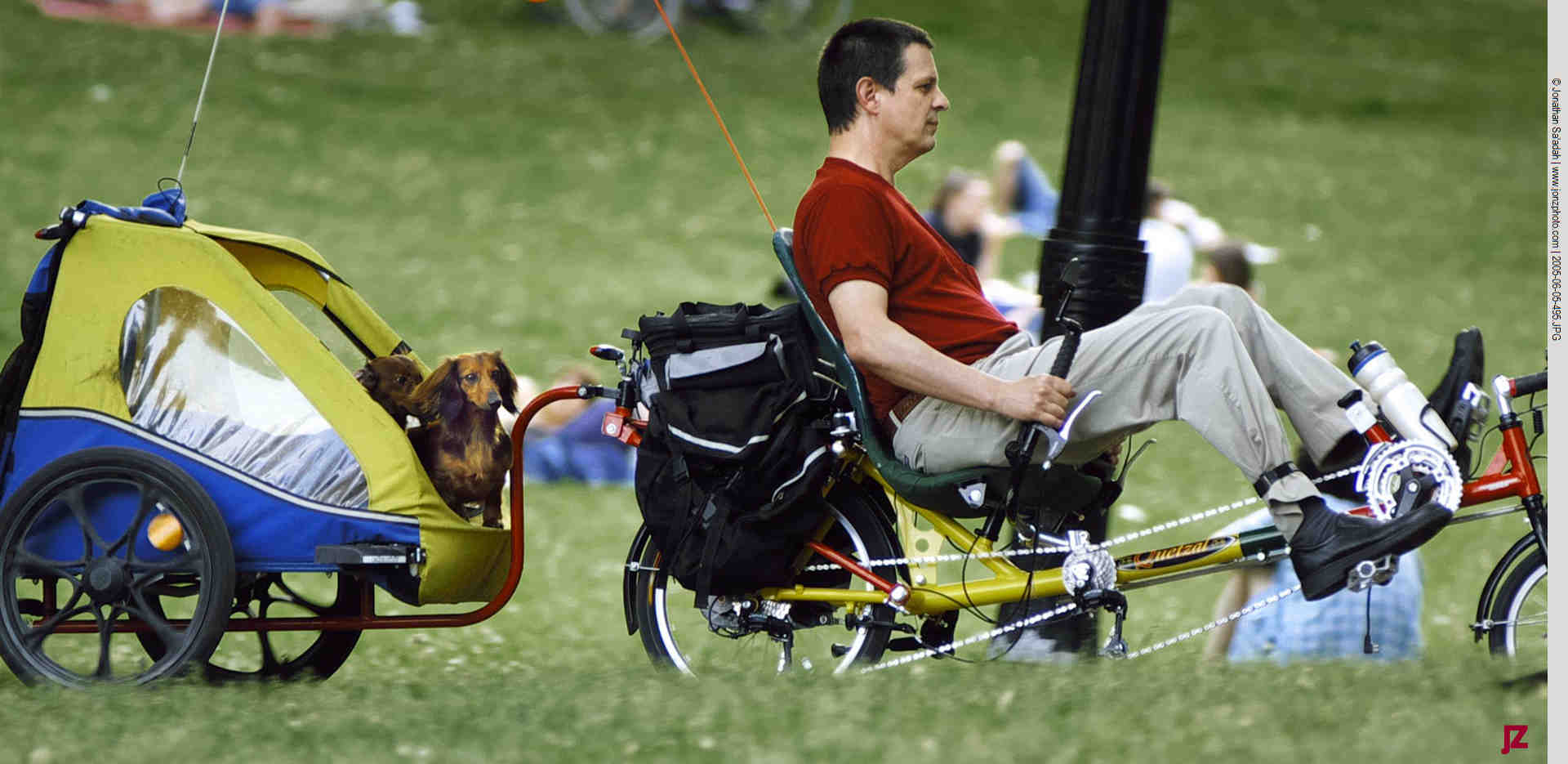
The park’s name itself points not to a fountain, which is what most people think, but to a historical character. It honors Louis-Hippolyte Lafontaine, a central figure in 19th-century Canadian politics and a key advocate for responsible government.
What stands out most in spring is how naturally Parc Lafontaine accommodates different kinds of use. It’s not a park designed around a single activity or identity. Instead, it supports people having a wide range of experiences at once—exercise, socializing, quiet observation, enjoying cultural events—all unfolding within the same space. That flexibility is part of what makes it so attractive.
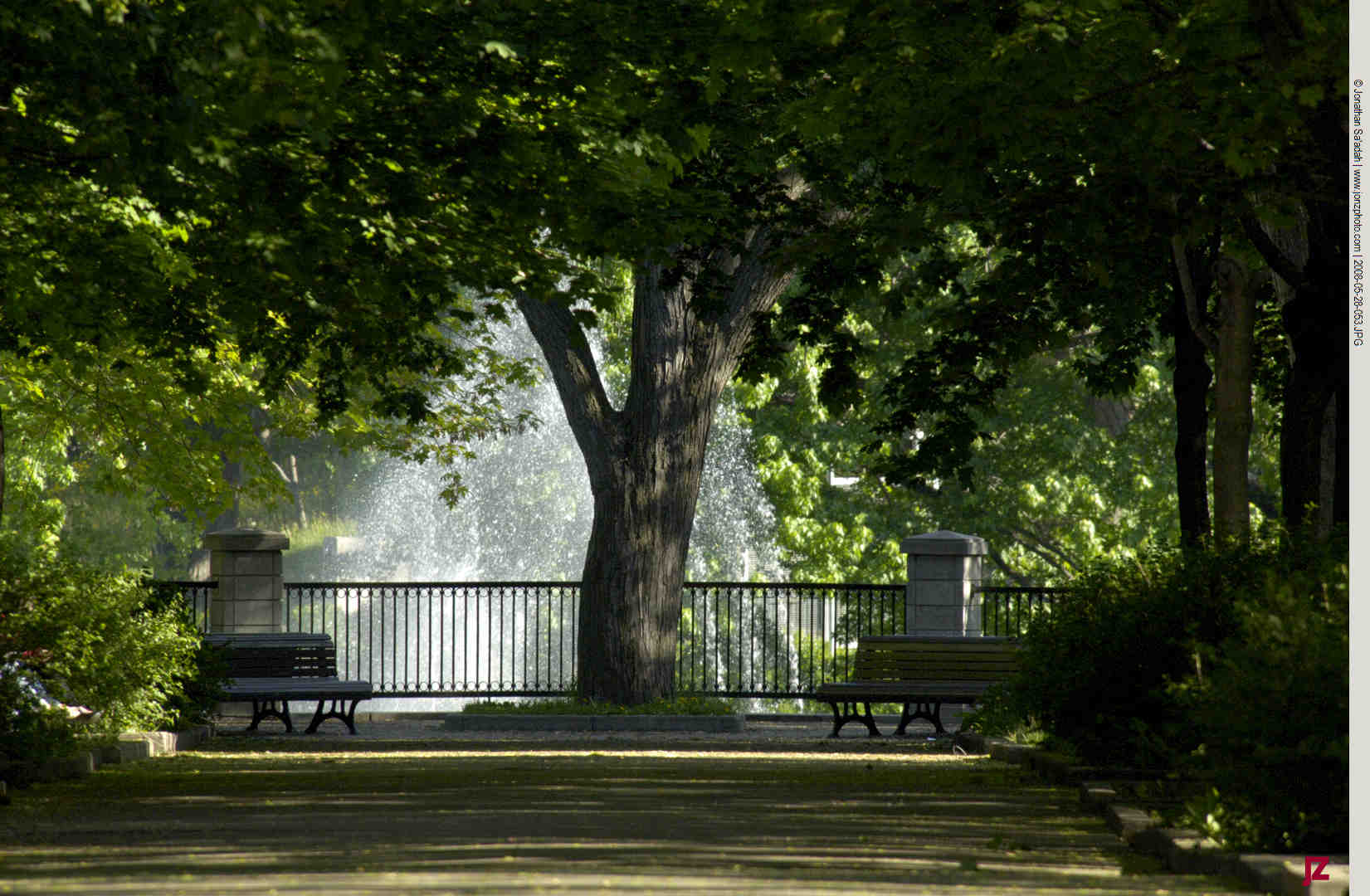
By late afternoon, especially on clear days, the park settles into a rhythm that feels distinctly Montreal. The light warms, the pace slows, and the space fills without feeling crowded. It’s a time when the park is neither empty nor busy, but balanced—fully in use, yet still open enough to move through comfortably.
Spring doesn’t dramatically redefine Parc La Fontaine. Instead, it reveals it—restoring its textures, its patterns, and its role in the daily life of the city.
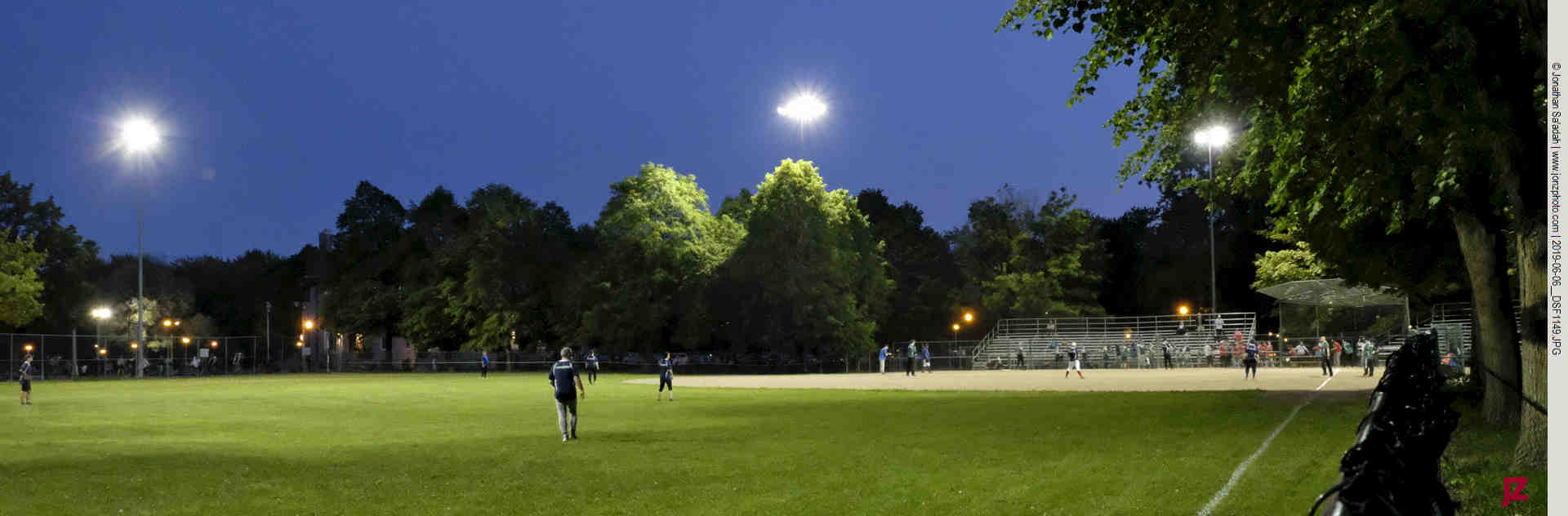
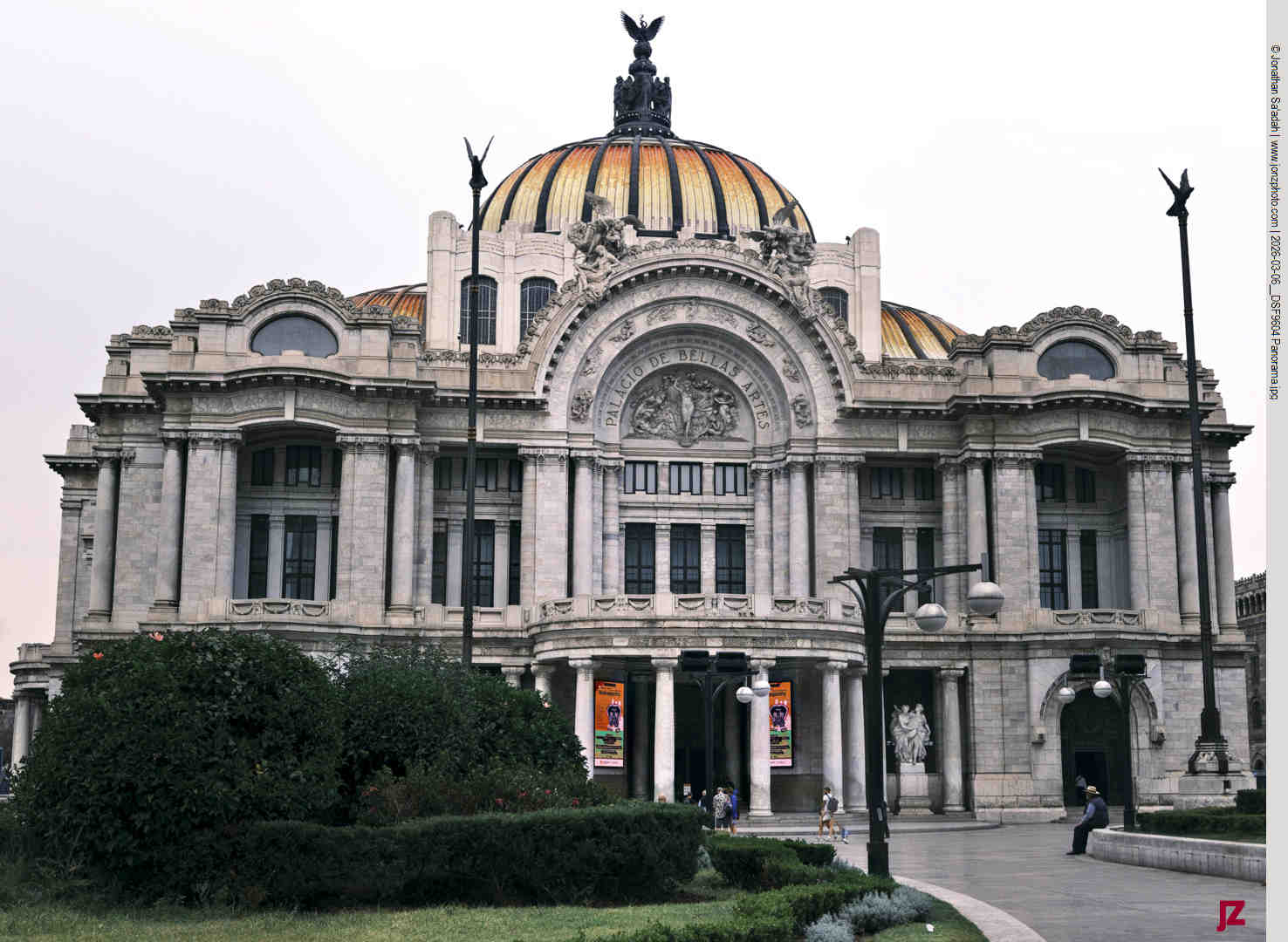
The Palacio de Bellas Artes looks, at first glance, like the kind of building that surely must have arrived in the world fully resolved: a white-marble monument, ceremonious and self-assured, facing Avenida Juárez in the center of Mexico City. Its actual history is the opposite. The building was conceived as a florid last gasp of the Porfirian regime, stalled by bad ground and political upheaval, and completed only after the revolution had transformed the country that it was meant to represent. What stands today is not a pure work from one era but a layered object, half dream of the old Mexican order and half invention of the new Mexico.
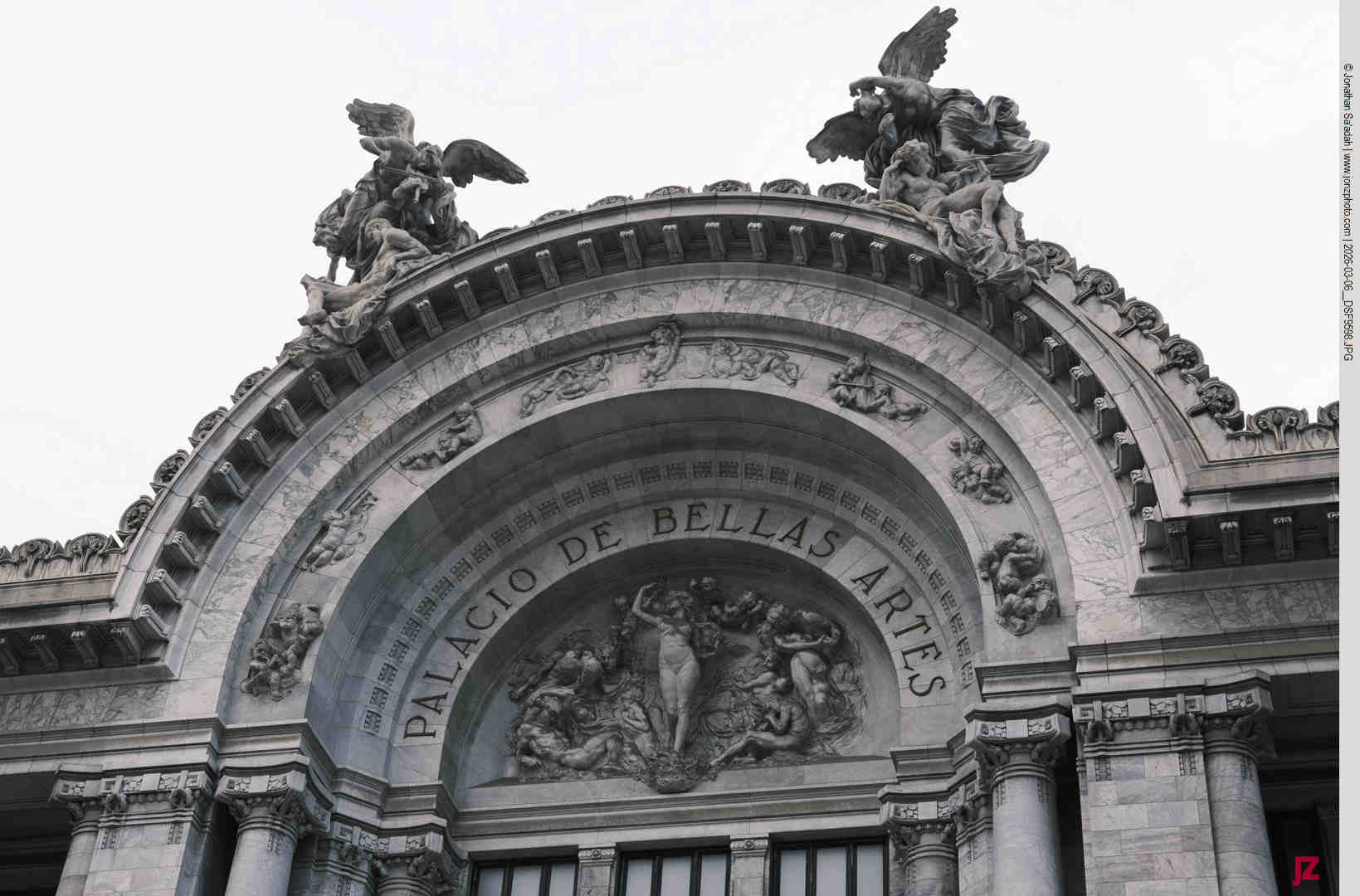
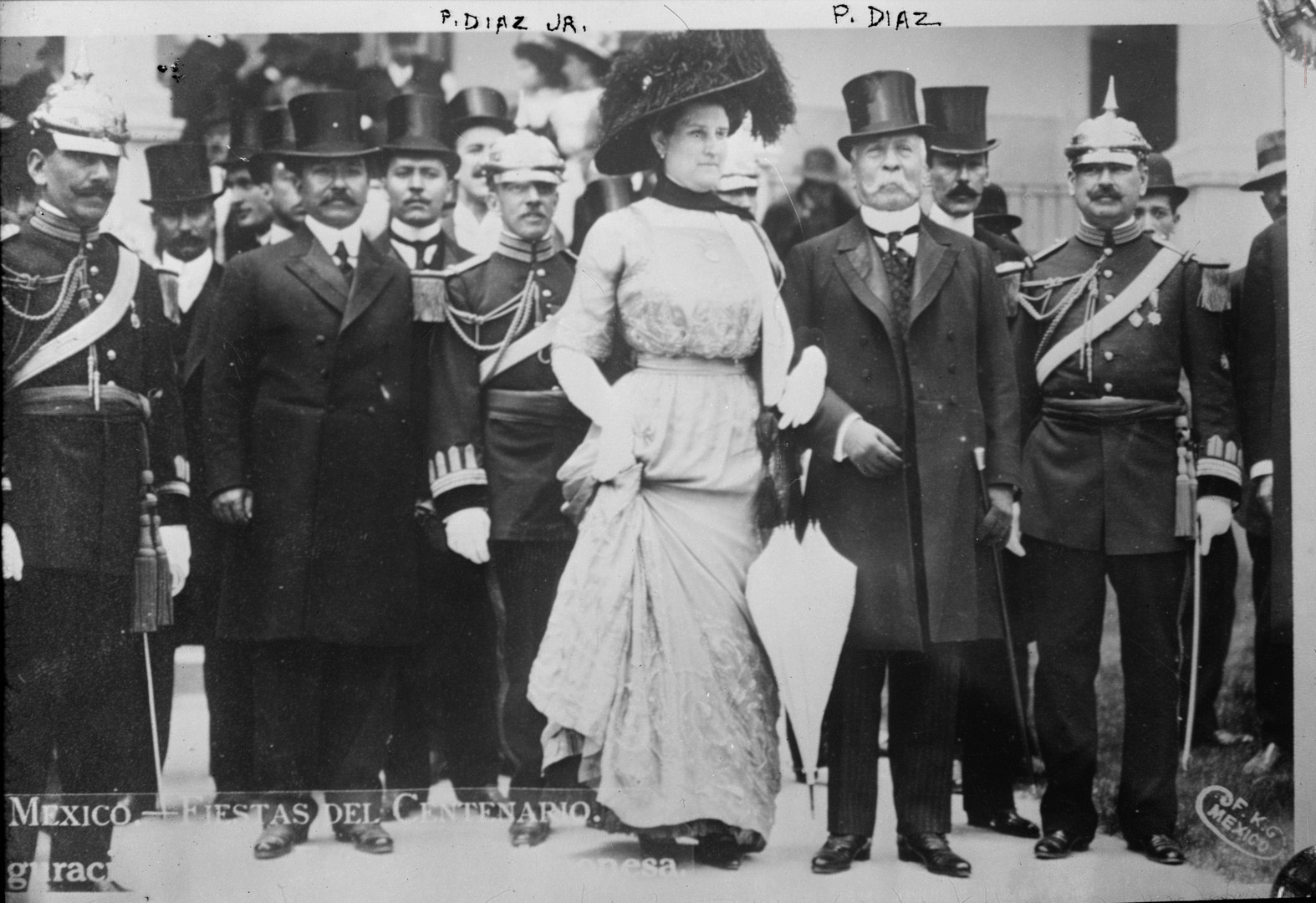
That tension begins with the president who wanted it: President Porfirio Díaz. Díaz governed Mexico for decades, directly and effectively, during the long period known as the Porfiriato, and his rule was marked by centralization, order, technocratic ambition, and an intense desire to present Mexico as a modern nation equal to the great capitals of Europe. Bellas Artes was part of that national self-staging. It was planned as a grand new opera house to replace the old National Theater and to help commemorate the centennial of Mexican independence happening in 1910. Díaz wanted to frame the date with monuments, boulevards, and public architecture that could display progress and shine a positive light on his legacy.
Díaz’s political style helps explain why the project was so grand. He was an authoritarian modernizer: admired by supporters for stability and infrastructure, criticized by opponents for repression, inequality, and the concentration of power. The Palacio fits that mixture of confidence and contradiction. It was meant to signal refinement, control, and cosmopolitan prestige, and Díaz awarded the commission to the Italian architect Adamo Boari, whose European training suited the regime’s cultural aspirations. In that sense the building was never just a building, it was propaganda in the dignified form of architecture.
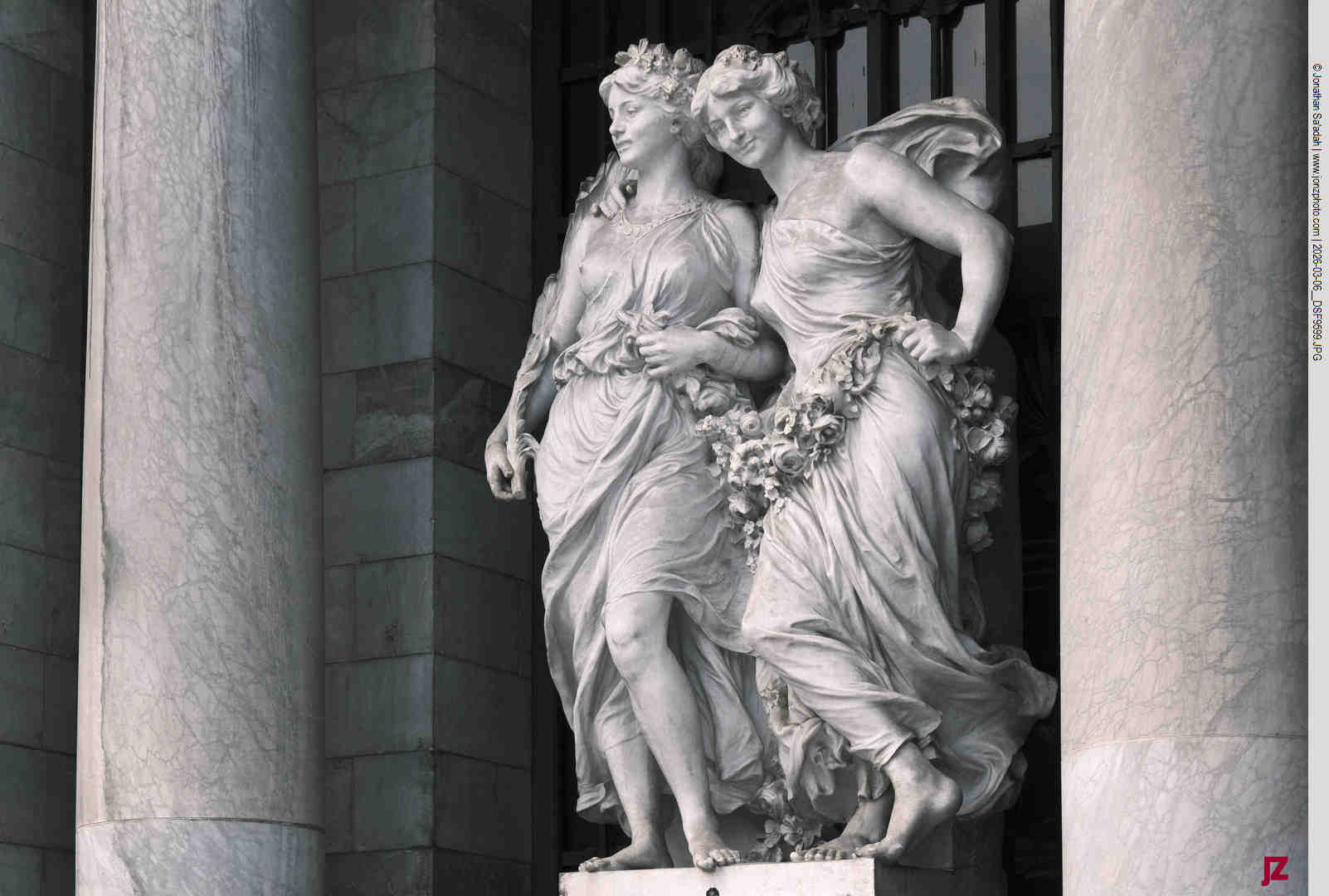
Boari began work in 1904 on the site of the former National Theater, itself part of a changing district along the Alameda. His design used white Carrara marble and combined neoclassical grandeur with the curving ornament of Art Nouveau. The exterior sculpture was international in character as well, with contributions by European artists, and the whole composition played into the Porfirian taste for imported prestige. The palace was expected to open in time for the 1910 centennial celebrations, but almost immediately the site threw up roadblocks to that timetable.
The problem was the ground beneath it. Mexico City rests on the old lakebed of Tenochtitlan, and the heavy marble structure began to sink into the soft subsoil even as construction advanced. This was not a cosmetic inconvenience but a structural and logistical problem that slowed the project and complicated its engineering. Then, to make matters more complicated, history intervened violently. The Mexican Revolution, beginning in 1910, disrupted public works, shattered the world that had sponsored the palace, and eventually drove Boari from the country. By 1916 the exterior was essentially finished and the domes were rising, but for years afterward the project lingered in suspension, stranded between regimes and between meanings.
That interruption explains the building’s architectural disjointedness. The exterior belongs to one political and aesthetic moment, while the interior belongs to another. When work resumed in 1930 under the Mexican architect Federico Mariscal, he did not simply complete Boari’s original vision. Instead, he finished the interior largely in Art Deco, incorporating more geometric forms and motifs that reflected both international modern design and a stronger post-revolutionary interest in Mexico’s own ancient past. The result is one of the palace’s great oddities: an outside skin shaped by late Porfirian European elegance and an inside world shaped by the 1930s, by modernism, and by a different national ideology.
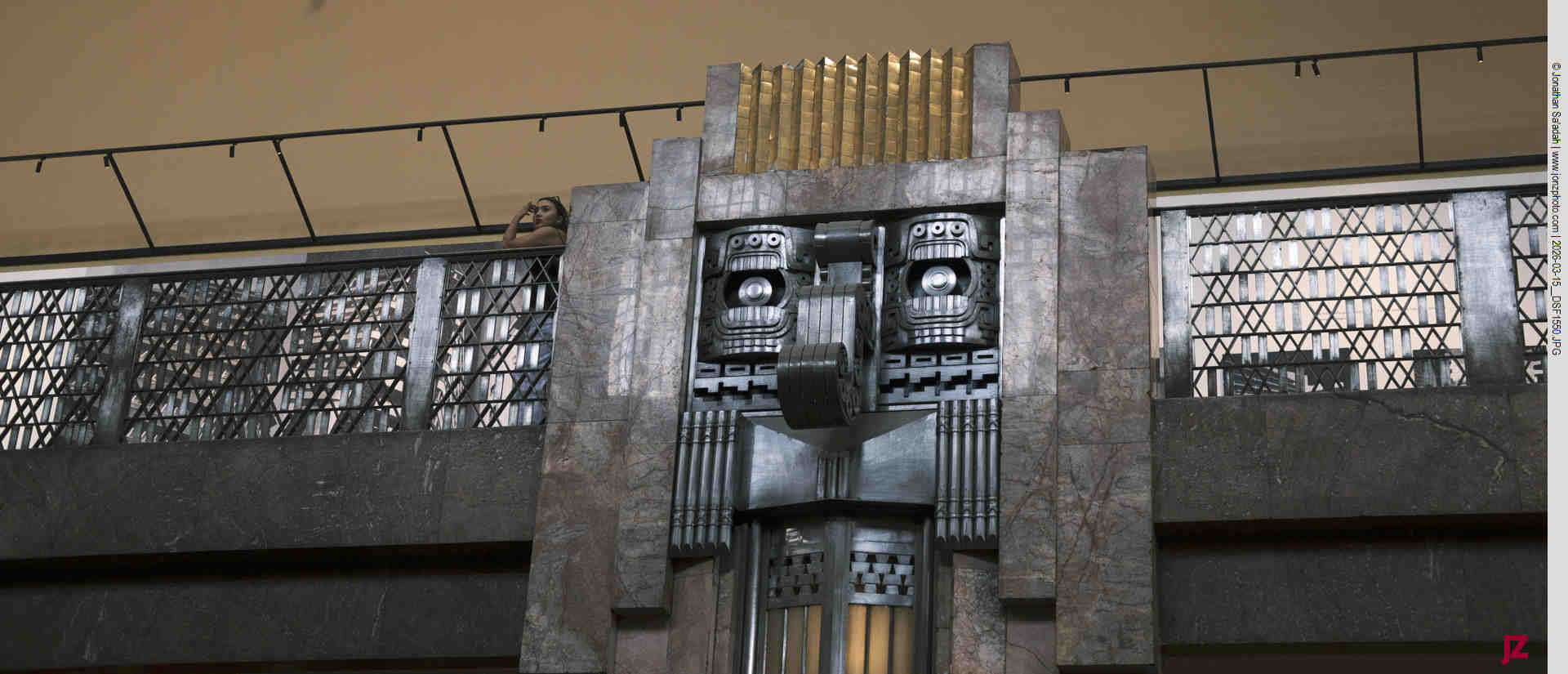
Yet the building is not disjointed only in style. It is disjointed in historical mood. Bellas Artes is a palace born from elite aspiration that later became a public temple of national culture. A project first imagined as a grand opera house for an authoritarian regime opened in 1934 as a cultural center for a post-revolutionary state more interested in social identity, civic education, and the arts as national narrative. That transformation gives the building much of its emotional force. It represents the tension between the Porfiriato and the cultural programs of revolutionary Mexico.
What made Bellas Artes unique was its mixing of conflicting aspirations. Its excessiveness feels like a collaboration among architecture, decorative arts, engineering, and stagecraft on a nearly operatic scale.
The murals came later, and their presence changed the meaning of the building again. After the revolution, muralism became one of the state’s most powerful cultural languages: public, didactic, monumental, and intensely concerned with history, labor, indigeneity, class, and modern Mexico. These paintings did not merely decorate the palace. They turned it into a walk-through argument about Mexican identity, replacing the courtly atmosphere of the original theater conception with a much more contested and democratic visual program.
That is why walking through Bellas Artes can feel so startling. The building’s marble, staircases, and ceremonial spaces suggest European grandeur, yet on the walls appear revolutionary images, anti-capitalist allegories, indigenous references – the modern Mexican mythmaking. Rivera’s remade Man, Controller of the Universe is the best-known example of this collision of worlds, but the broader mural ensemble is just as important because it places the palace within the central story of twentieth-century Mexican art. Bellas Artes became not simply a venue where art was shown but a monumental frame for the state-sponsored visual imagination of modern Mexico.
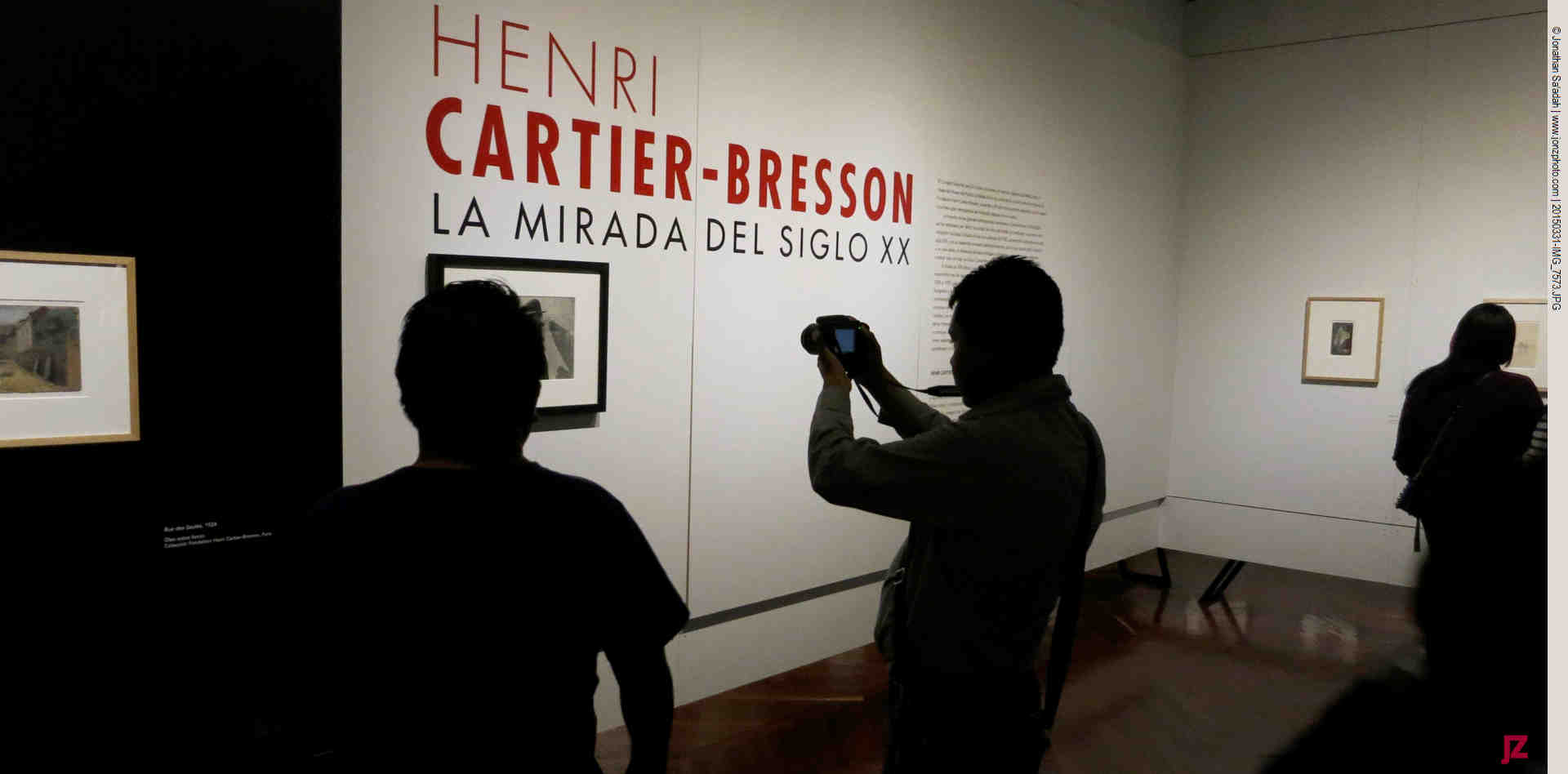
The building has also remained a place for temporary exhibitions, which is one reason visits there can feel personal as well as historical. In 2015 we were lucky to see a remarkable show when the museum presented a Henri Cartier-Bresson exhibition called La mirada del siglo XX (“The View of the 20th Century”), bringing the French photographer back into a building that already had an earlier connection to him. Cartier-Bresson had in fact exhibited work at the Palacio de Bellas Artes as early as March 1935, alongside Manuel Álvarez Bravo, during his first important Mexican period. Bellas Artes is often thought of chiefly as a mural and performance space, but exhibitions like the 2015 Cartier-Bresson show demonstrate how the building also functions as a site where international modernism, photography, and Mexico’s own visual culture meet inside the same institution (LINK in French and Spanish to video about Cartier-Bresson show).
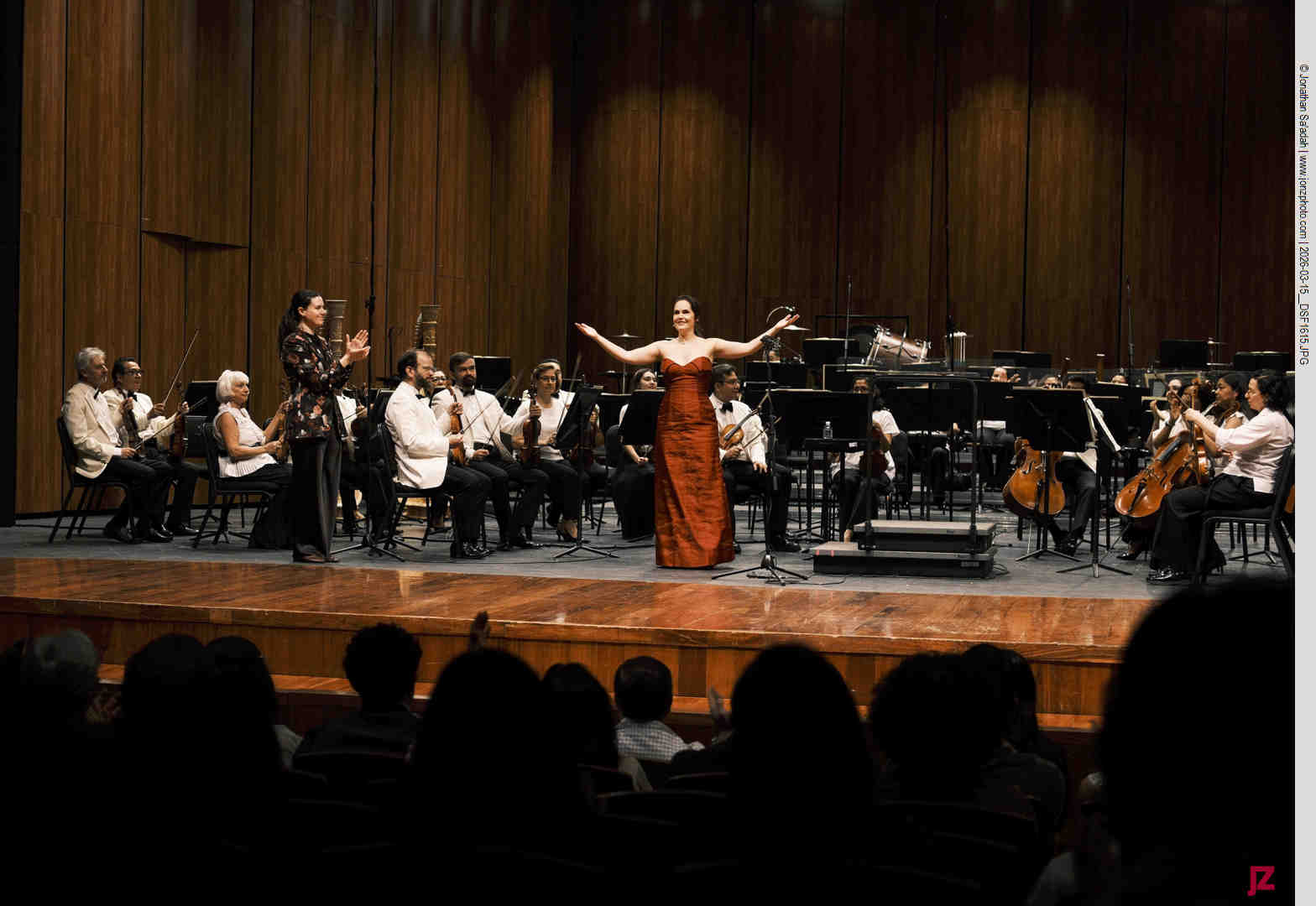
The performance spaces remain central to its identity. Bellas Artes is home to major national companies and institutions, including the National Theater Company, the National Dance Company, the National Symphony Orchestra, the National Opera Company, the Ballet Folklórico de México, and the Fine Arts Chamber Orchestra. Its main hall seats about 1,700 people, and the building also contains recital spaces named for Adamo Boari and Manuel M. Ponce. In practical terms, that means the palace is not a frozen monument but a working cultural machine, used for opera, orchestral concerts, dance, theater, touring performances, state ceremonies, and the Ballet Folklórico presentations that many visitors first associate with it.
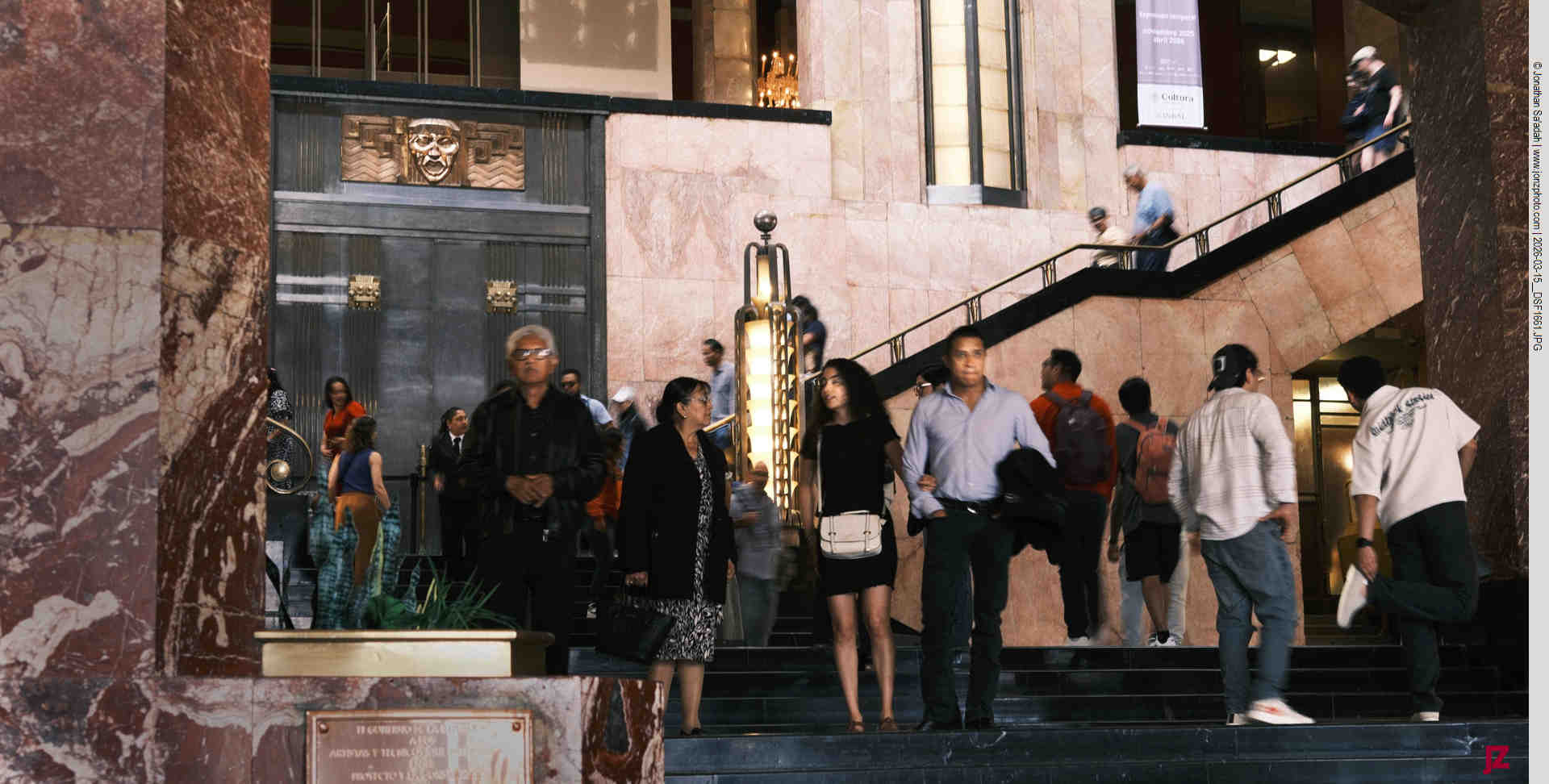
Bellas Artes survives not because it is merely old or photogenic, but because it still performs the civic role that architecture of its scale always hopes to achieve. Audiences enter for a symphony or dance program; museum visitors come for murals, architecture, or exhibitions; students and tourists cross paths in the same stair halls and galleries. The building’s mixed life mirrors its mixed design.
To me the palace’s architectural inconsistency is less a flaw than a record. Its Art Nouveau shell, Art Deco interior, revolutionary murals, and Tiffany curtain do not resolve into one tidy style because Mexico itself did not pass tidily from the Porfiriato into the twentieth century. Bellas Artes preserves that break in political identity in material form. It tells various stories: a ruler who wanted grandeur, a capital built on unstable ground, a revolution that interrupted Días’s dream, and a later nation that reused the same palace to tell a strikingly different narrative about itself. That is why the building still feels alive: not despite its contradictions, but because of them. It’s also what keeps us coming back to it.
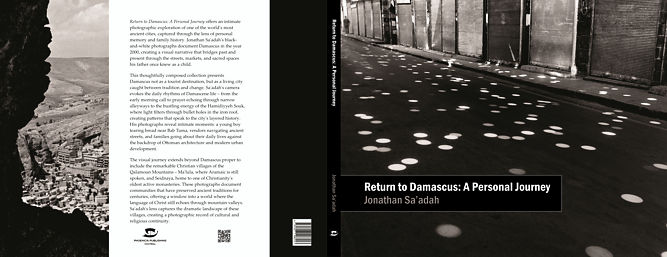
Return to Damascus is my new book of photographs, available for order, that preserves fleeting impressions and the spirit of a place through the lens. Accompanied by brief reflections and memories, the photographs offer a tribute to the place and its people, focusing on enduring character and the subtle interplay of light, architecture, and tradition. Return to Damascus is a quiet celebration of observation and memory, inviting viewers to participate.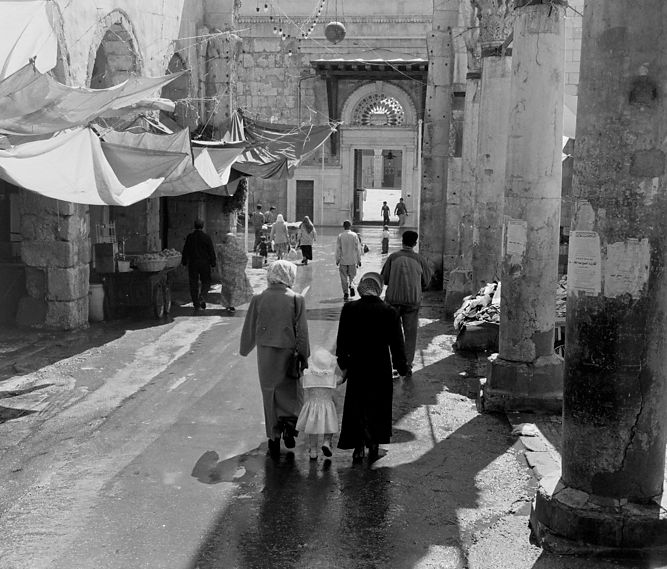
 | |
 |
|
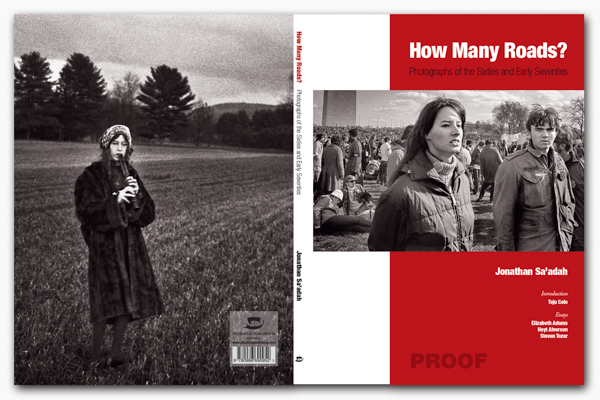
| How Many Roads? is a book of photographs by Jonathan Sa'adah, available for order, offering an unglossy but deeply human view of the period from 1968 to 1975 in richly detailed, observant images that have poignant resonance with the present. Ninety-one sepia photographs reproduced with an introduction by Teju Cole, essays by Beth Adams, Hoyt Alverson, and Steven Tozer, and a preface by the photographer. | |
| If you'd like more information, please have a look at this page. | |
|
| |
| To see more work To visit my blog Contact information All material © Jonathan Sa'adah no use without written permission | |
Recent Comments