Category: Photography

  • What Goes Around Comes Around

    What Goes Around Comes Around

    People often ask whether I miss analog photography. The simple answer is no, I don’t. I don’t miss the toxic chemicals, the damp, stale air of the darkroom, or the constant sound of dripping water. But there is a more nuanced answer as well.

    The picture below was taken in 1979, and it shows only about a third of my darkroom at the time. I had another enlarger for 4×5 film, a large flat-walled sink for the processing trays, and shelved closets for storing bottles, chemicals, and paper. Not shown are the cameras and the complicated lighting equipment that work often required in those days.
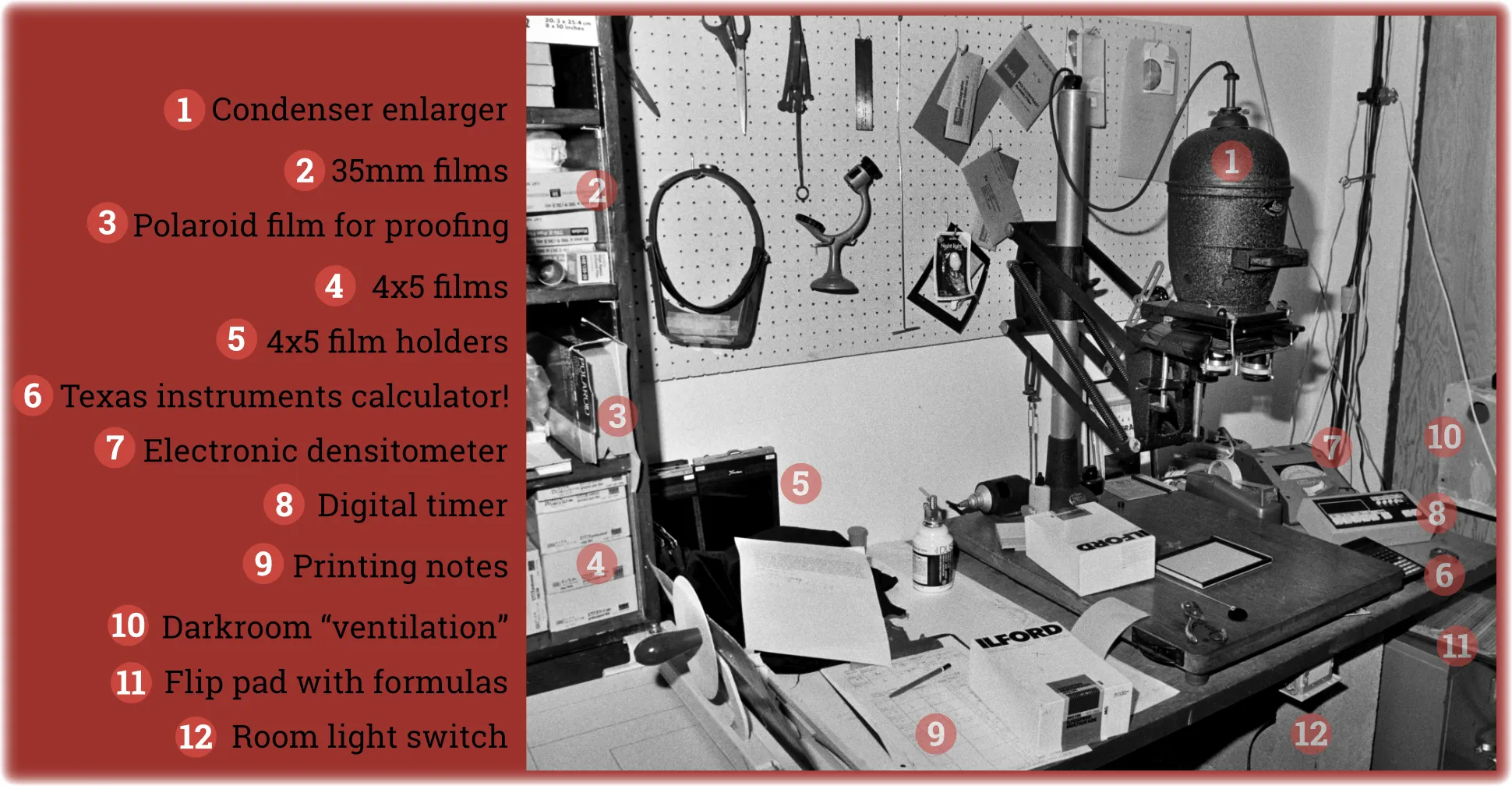
    My darkroom, 1979 Digital photography was still in the realm of science fiction (or governments). An early article in the Scientific American spoke about the possibility of digital imaging, speculating a date of about 1982 for the first cameras. In reality, they were much slower to appear. I didn’t convert until 2002, 23 years later.

    I was just moving into more competitive commercial work, and soon after this my darkroom became even more complex as I added color film processing. There was a great deal of skill involved in being a photographer in those days. If I had lived in a city, I would have hired an assistant; in rural Vermont that was not an option. Now, a good phone camera can handle much of what I was doing then.

    Shortly after this photo was taken, Beth and I combined our businesses, knowing we would have more credibility together than as separate freelancers. Two years later we bought our first computer, and five years after that, in 1984, we had software that let us do page layouts graphically on screen. We seized on these technologies to dramatically accelerate the print production cycle. Efficiency and speed were two traits that helped our business a lot.

    We worked for startup technology companies, often the brainchildren of people who had chosen to live in Vermont and had a passion they wanted to spread, as a product, on a national or international scale. We were all swimming in the same exciting broth of emerging technologies. One company was pioneering communications based on TCP/IP, which was new at the time but would become the underlying protocols enabling the Internet. Another was inventing a digital music production system that became a worldwide phenomenon before it went bust.
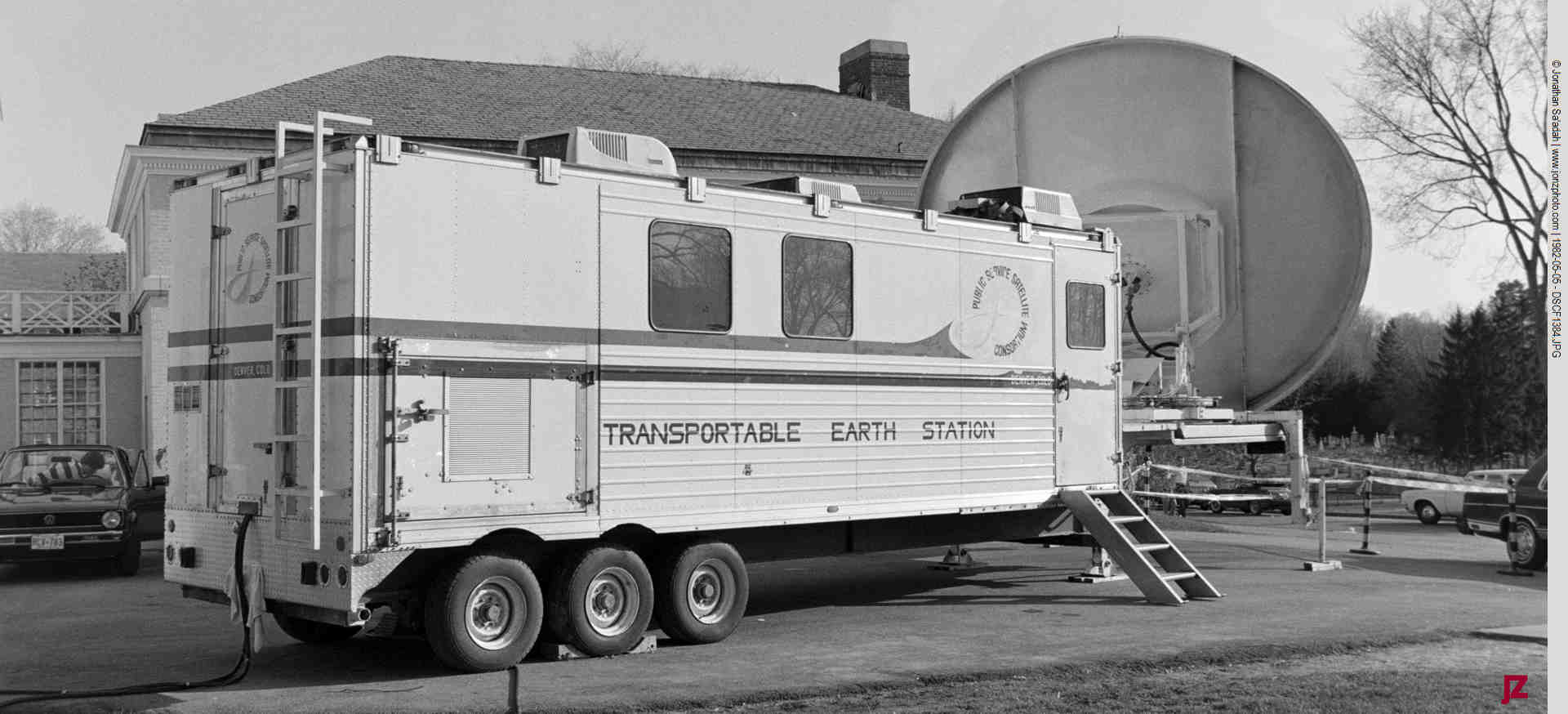
    Streaming video circa 1982 The phone you own is several orders of magnitude more capable than this trailer and “uplink”, but in 1982 when this photo was taken streaming audio was a big deal. One of our clients, Vermont Public Radio, was broadcasting an event from Middlebury Vermont and this “satellite link” was set up in a nearby parking lot.

    At the same time that we were building, we were helping to dismantle an industry. Adobe released a page-description language called PostScript in 1984, and we adopted it immediately, even as it began to disassemble the graphics industry we worked in. Entire classes of highly trained craftspeople saw their professions vanish almost overnight. Where we had once hired skilled print artisans for dot etching and other now-forgotten techniques, the work shifted to people in black jumpsuits walking through darkened rooms filled with bulky CRT screens.

    It was obvious to me that the same forces would move through other professions and would eventually gnaw at photography itself. A few years later, the decay was underway. The first signs were “work-for-hire” agreements, in which companies tried to strong-arm outside “vendors,” claiming all rights to the work without offering employee benefits. Then, in the early 1990s, as investors anticipated new opportunities, stock photo agencies began selling generic images to replace original photography. That was only the beginning of a broader downward spiral that accelerated over time. It was not a new story, and it played out in many other contexts, reshaping the lives and livelihoods of countless people.

    AI is the current manifestation of that same dynamic, perhaps in its terminal phase. It is a universal dislocator and is therefore hated by many. To me, it feels familiar: great pain on one side, and great benefits concentrated among a small group on the other. The scale and impact, however, are unprecedented.

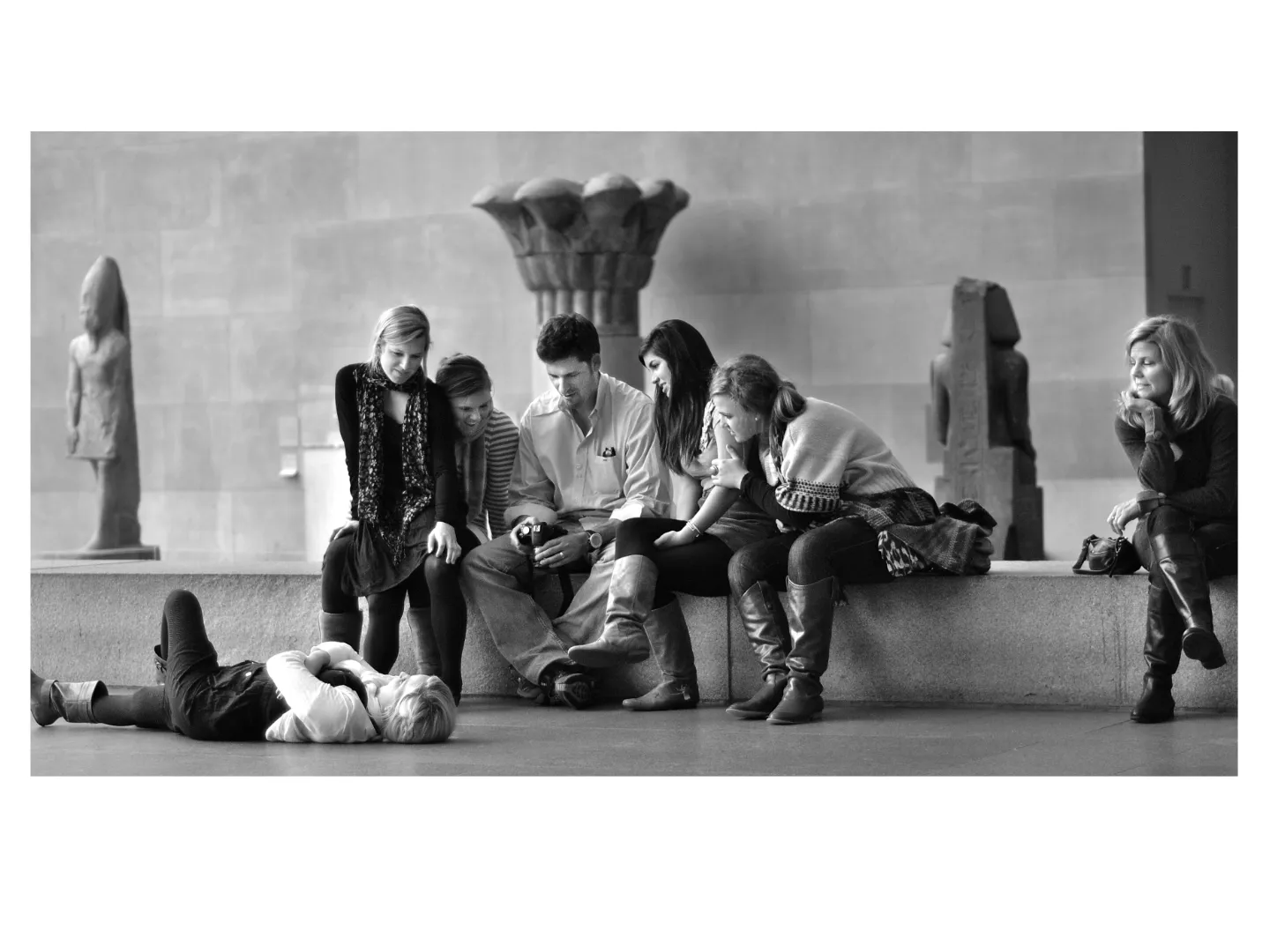
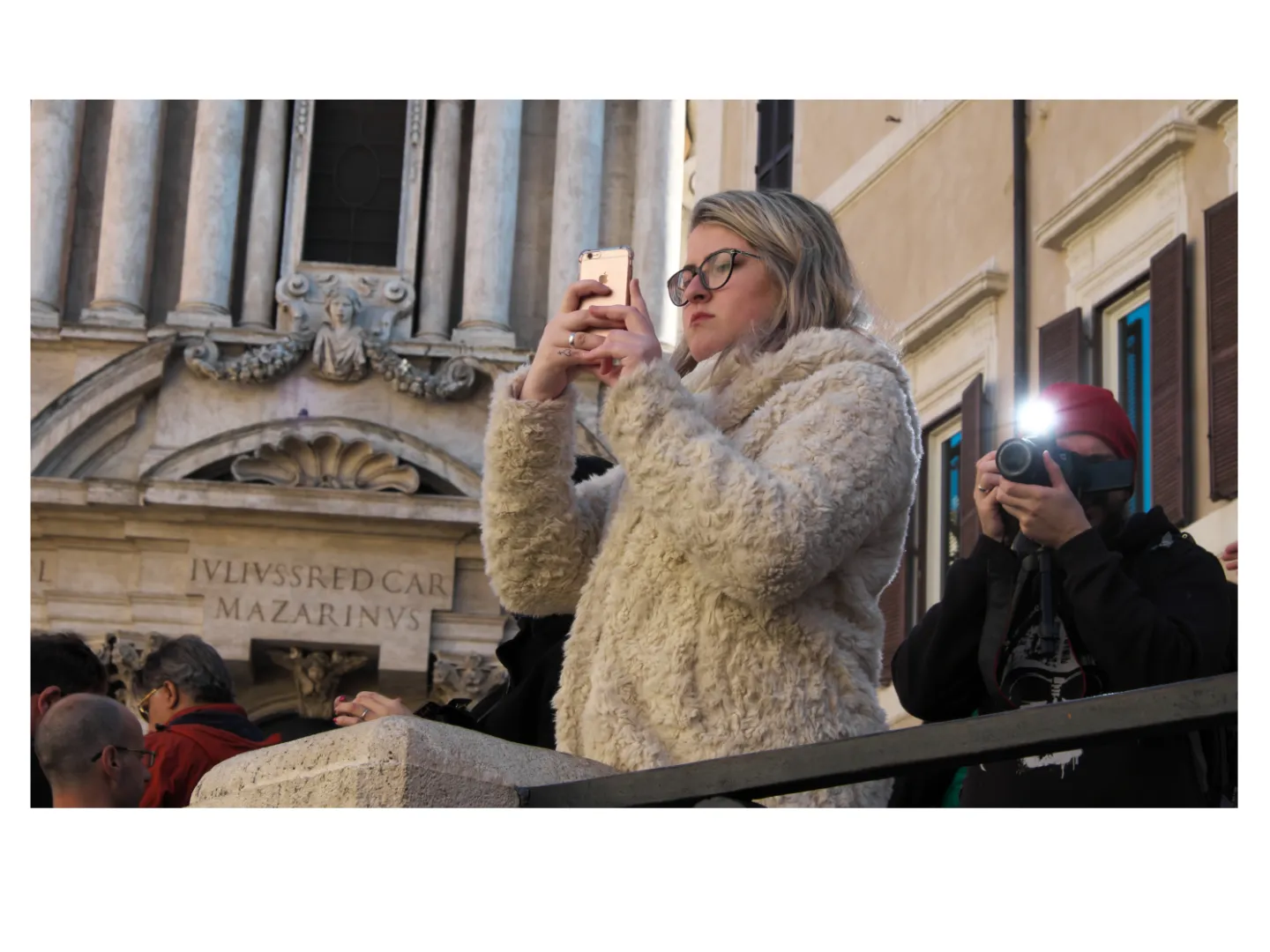
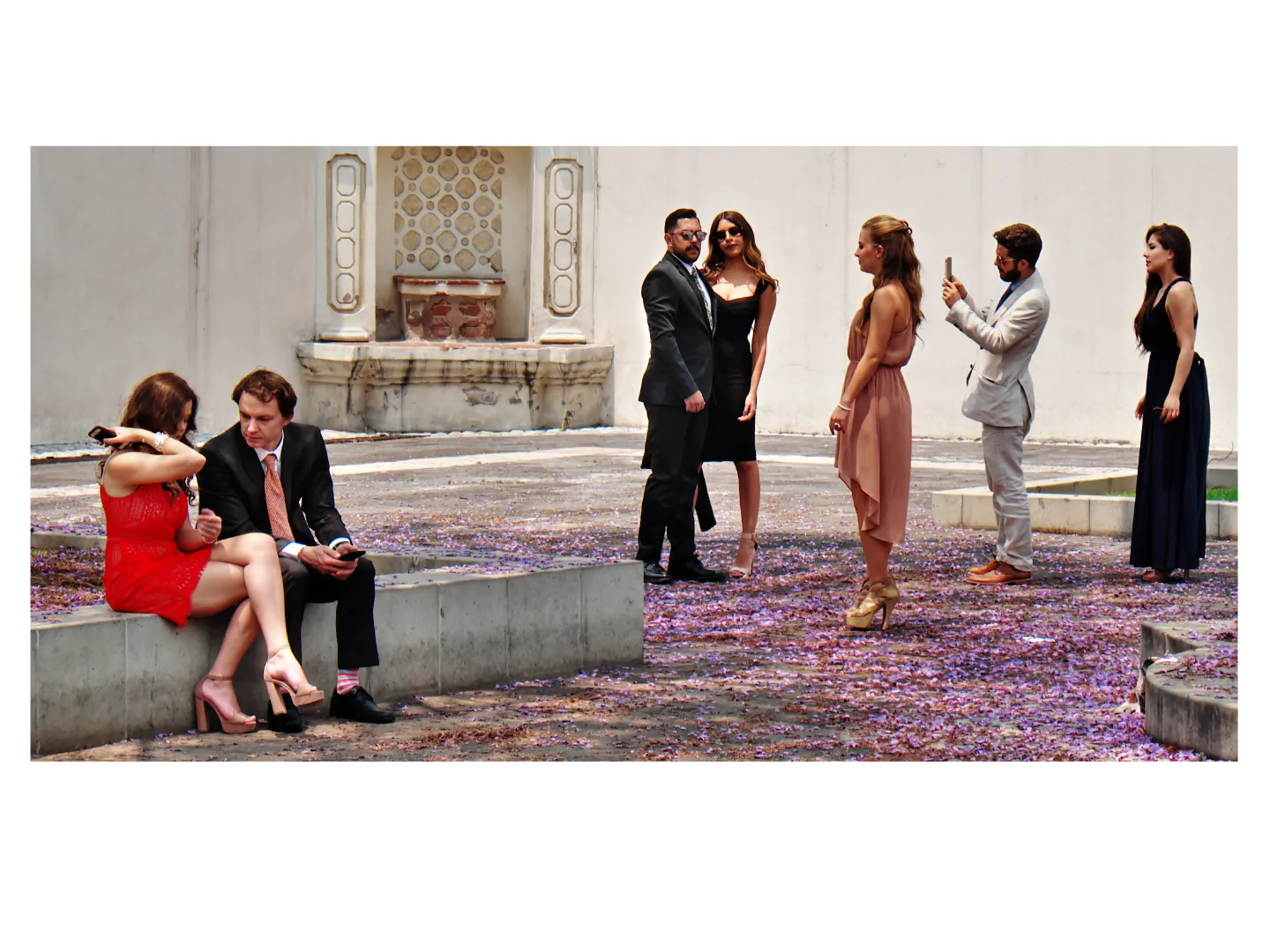
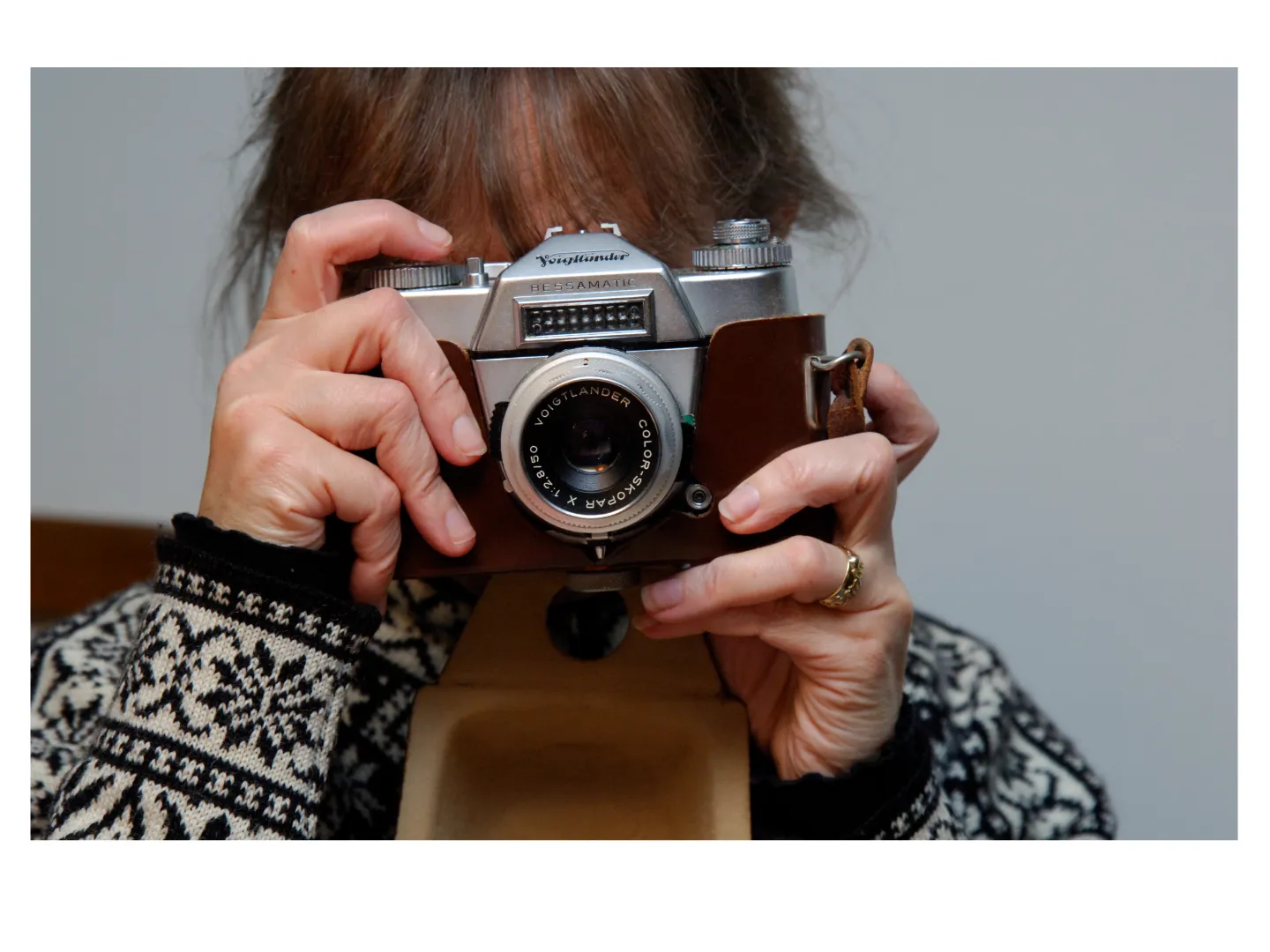
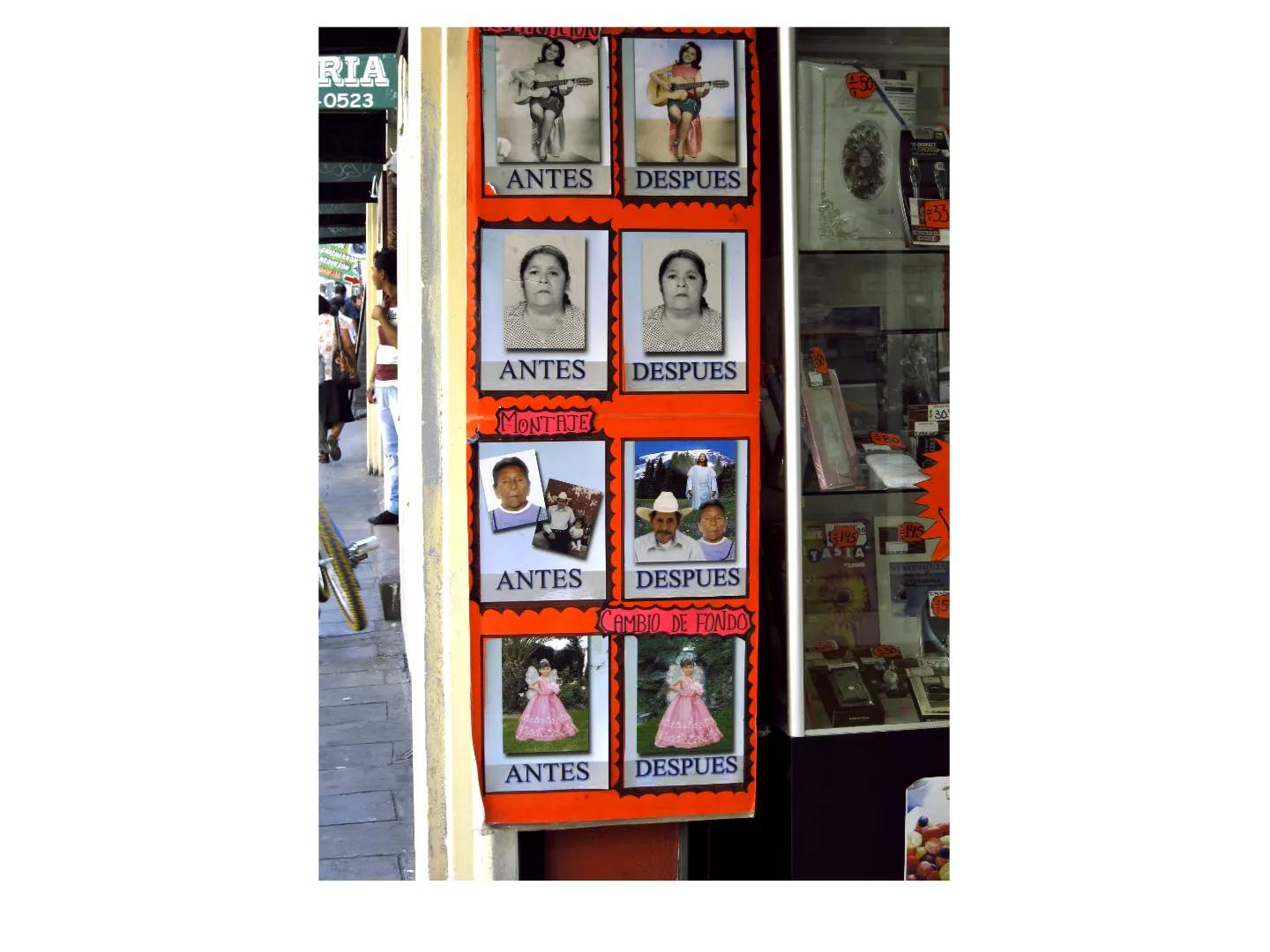
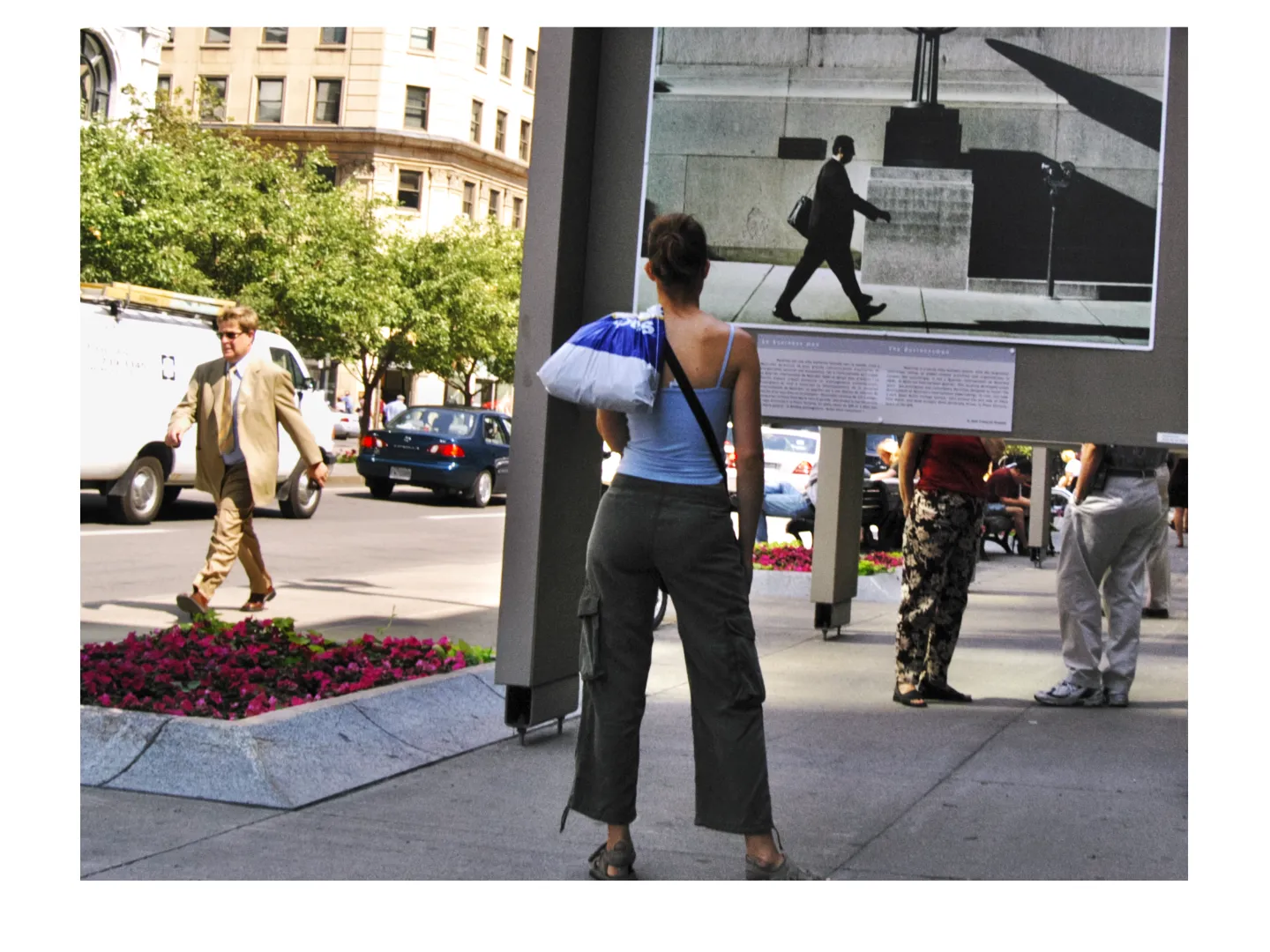
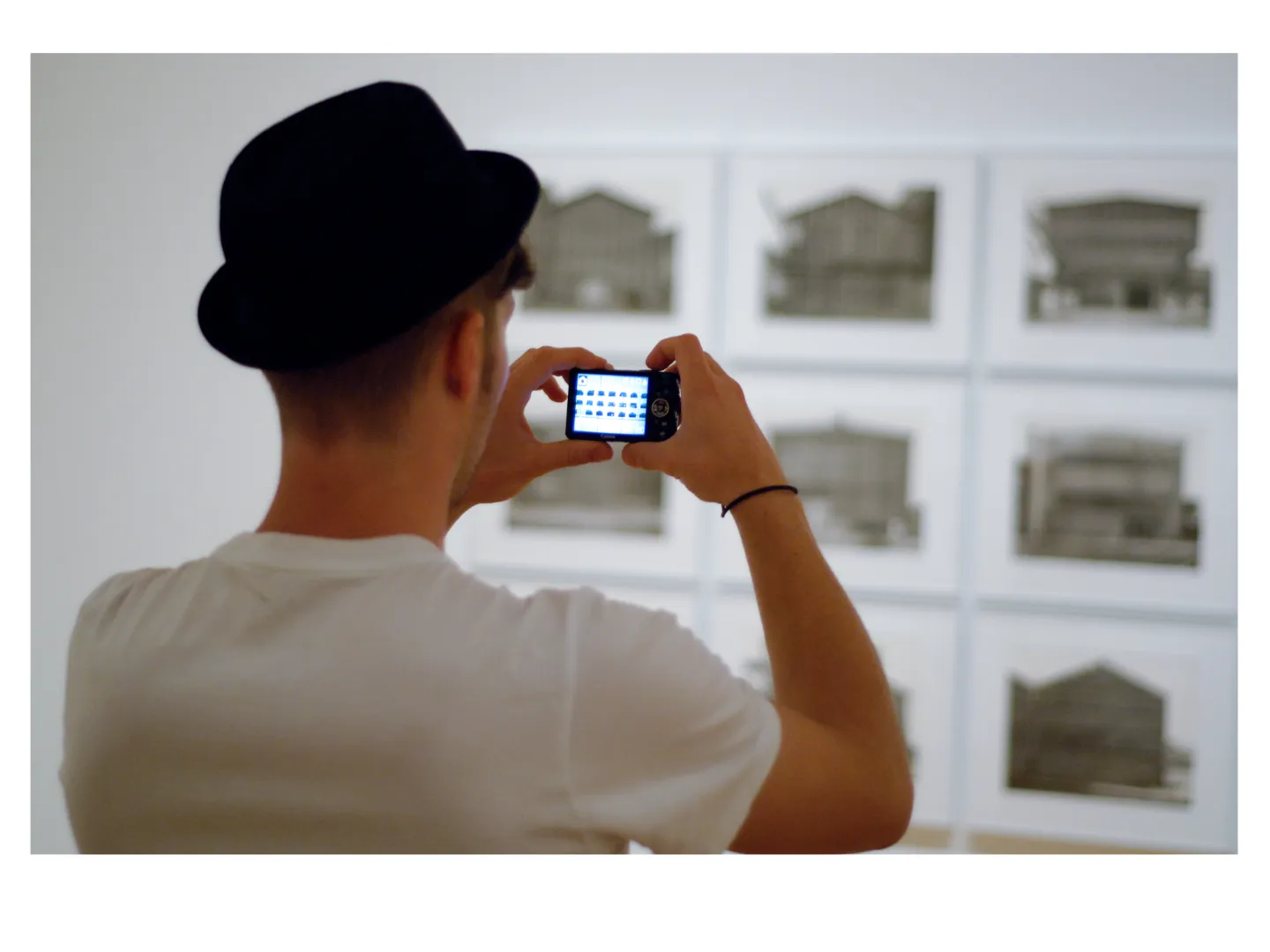
    These photos began as an expression of my fascination with photography itself, and over time the subject has shifted and evolved.
  • Portraits | Artists

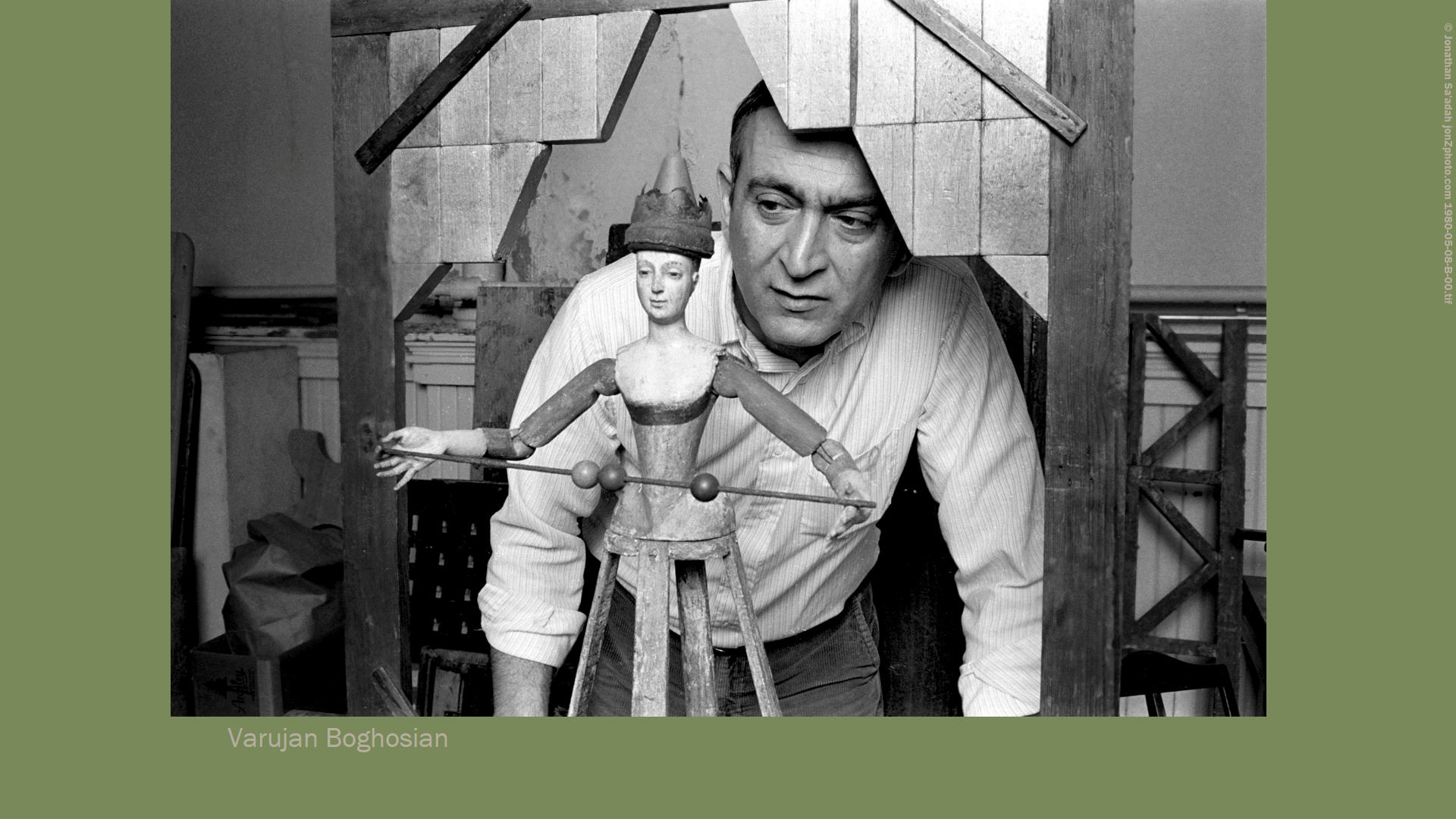
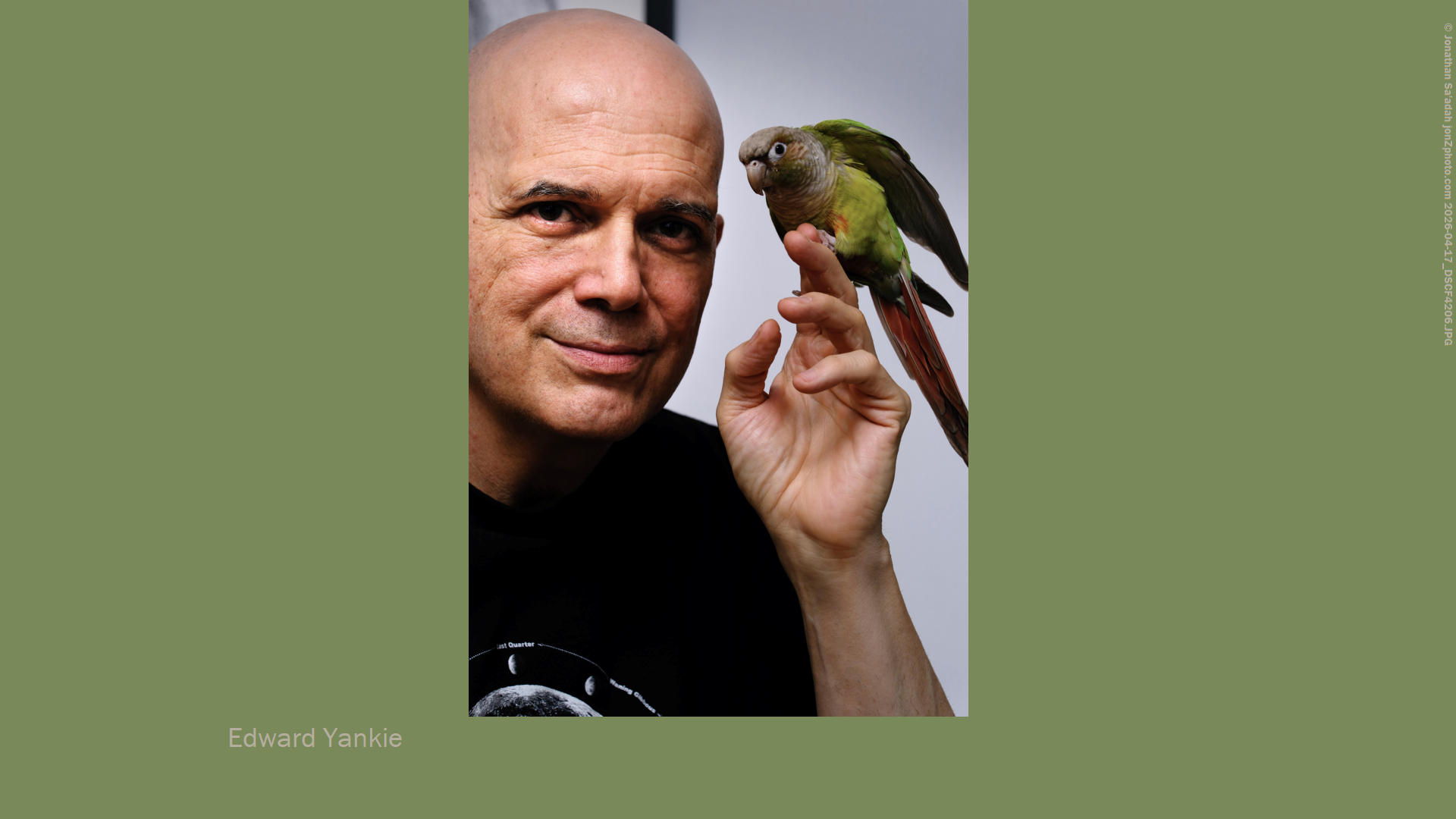
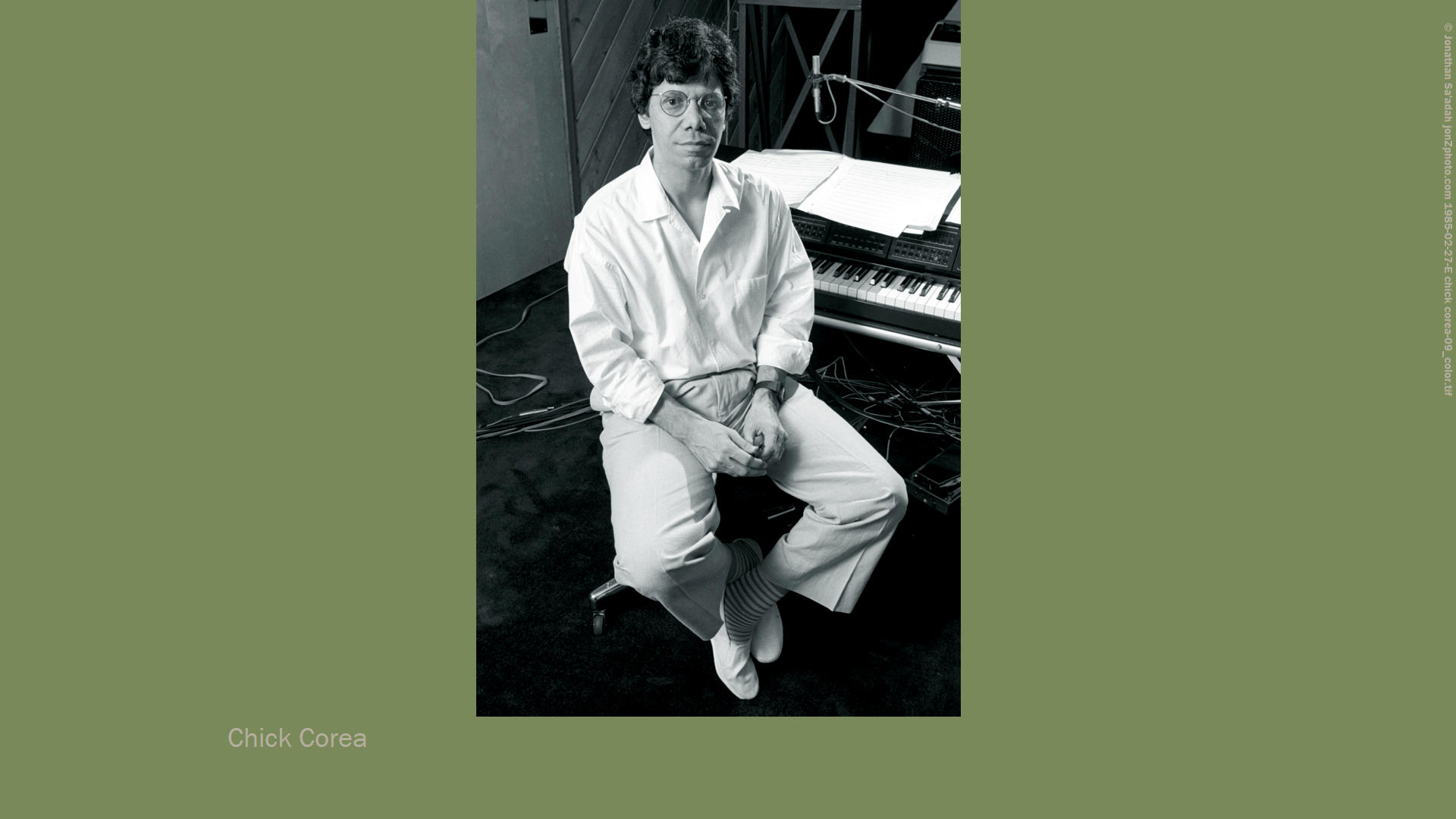
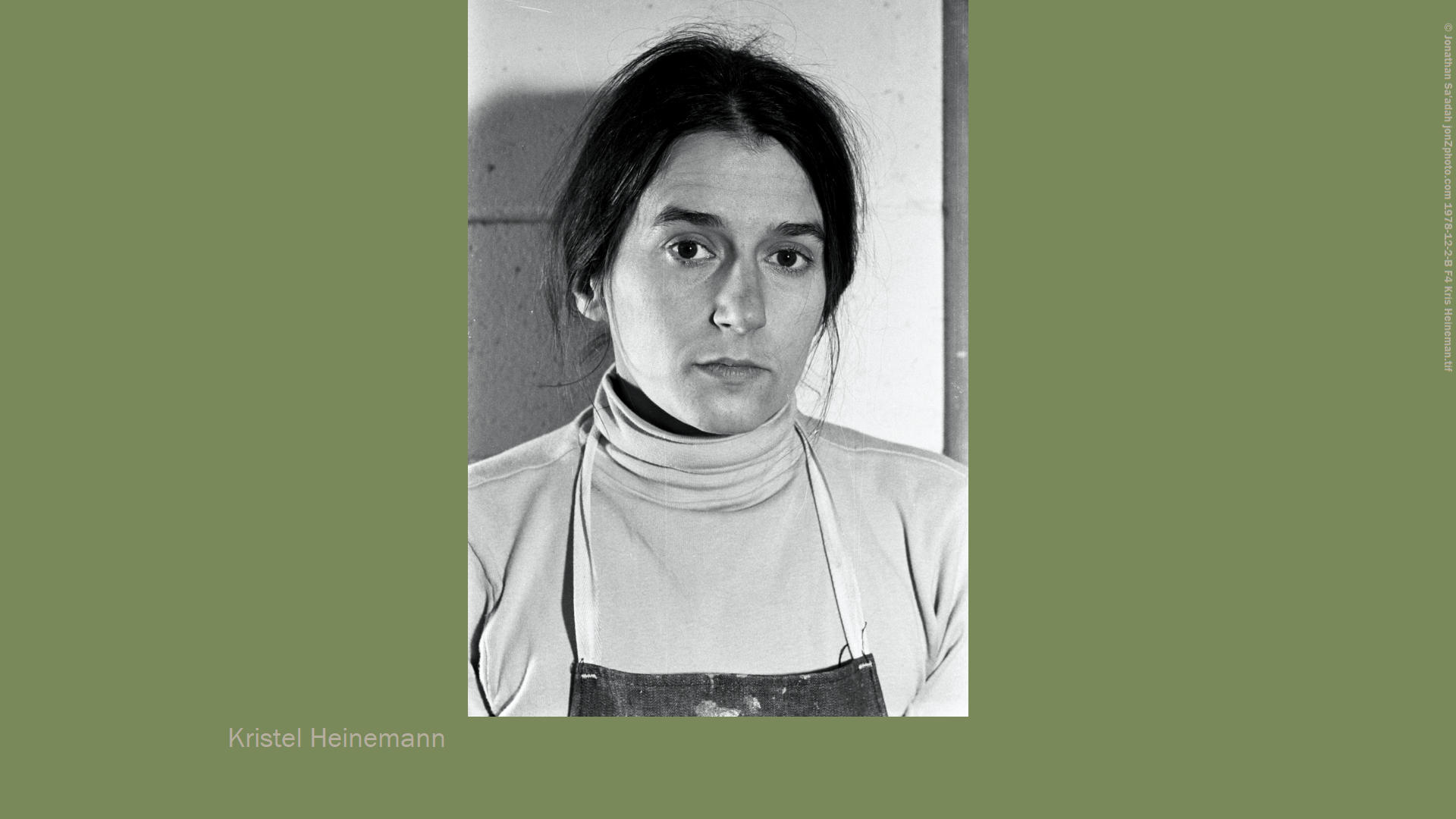
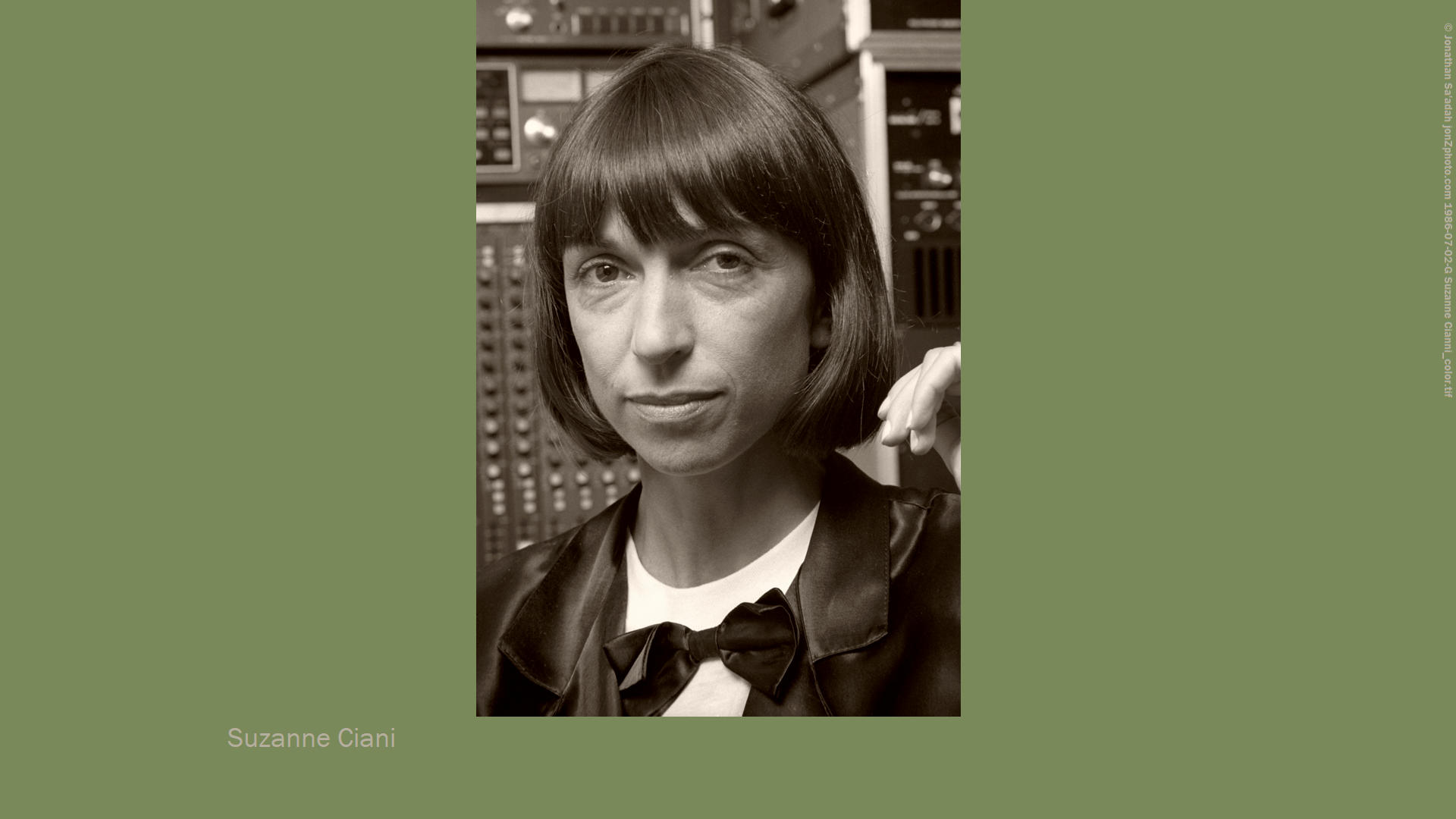
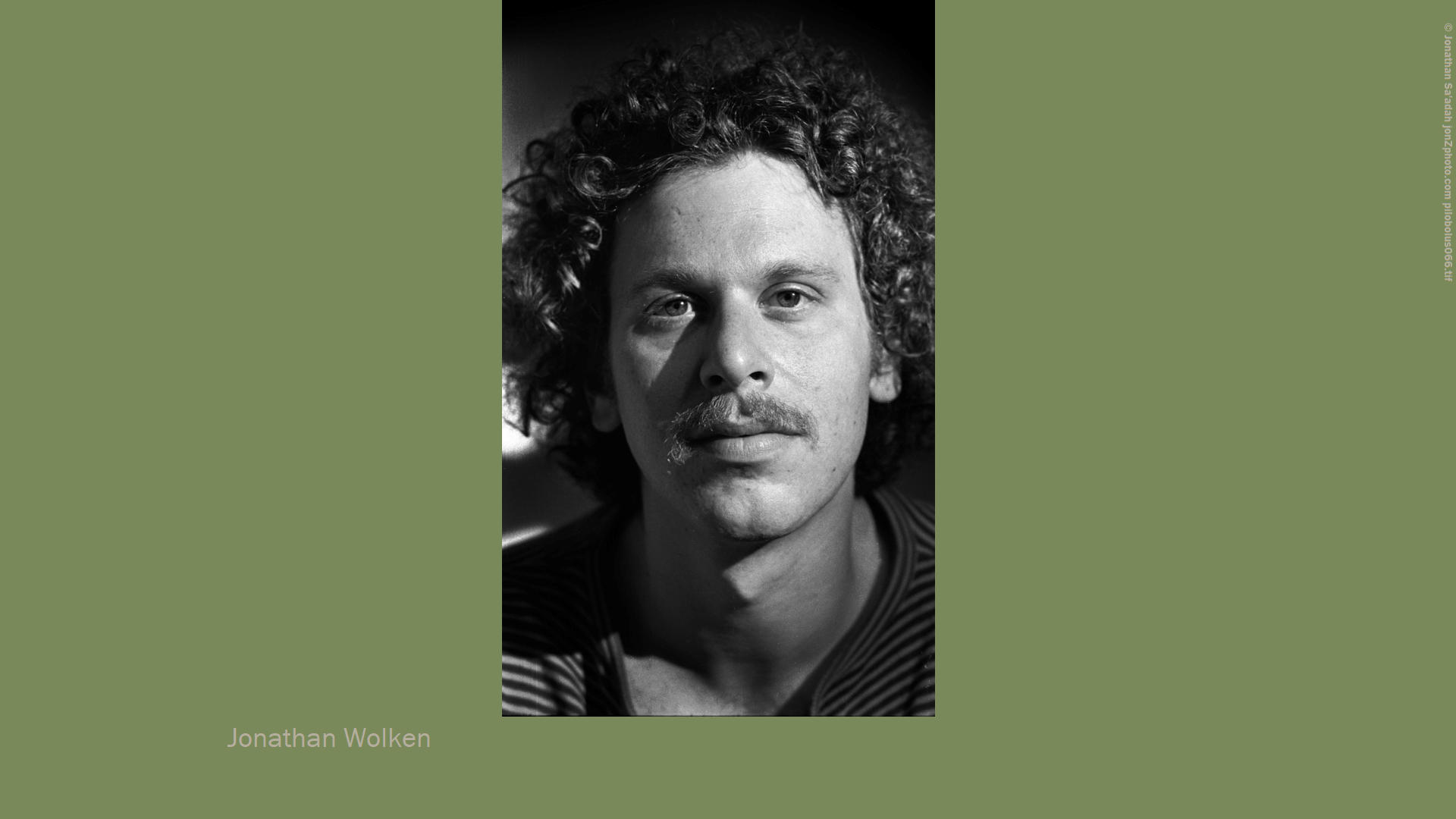
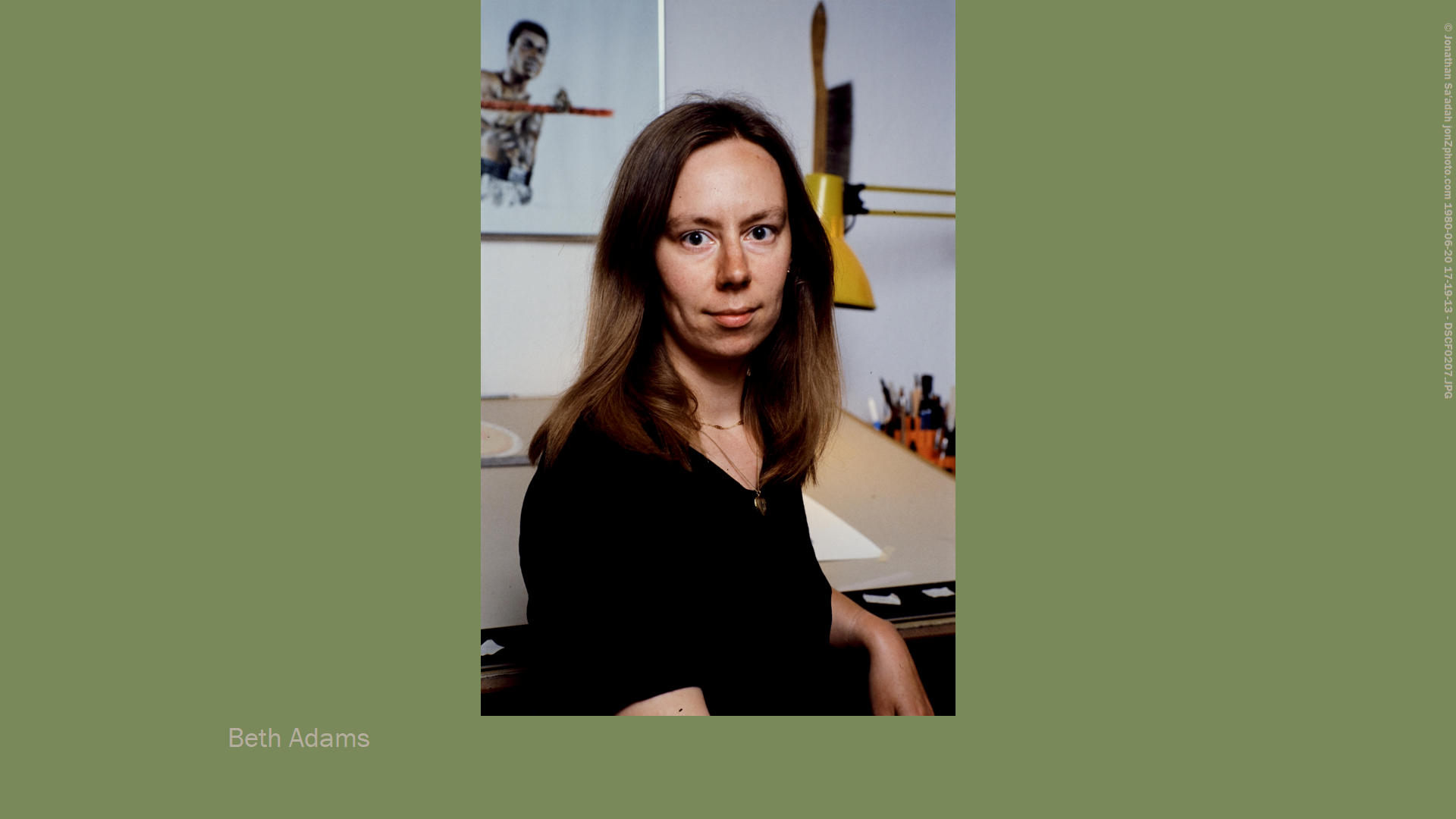
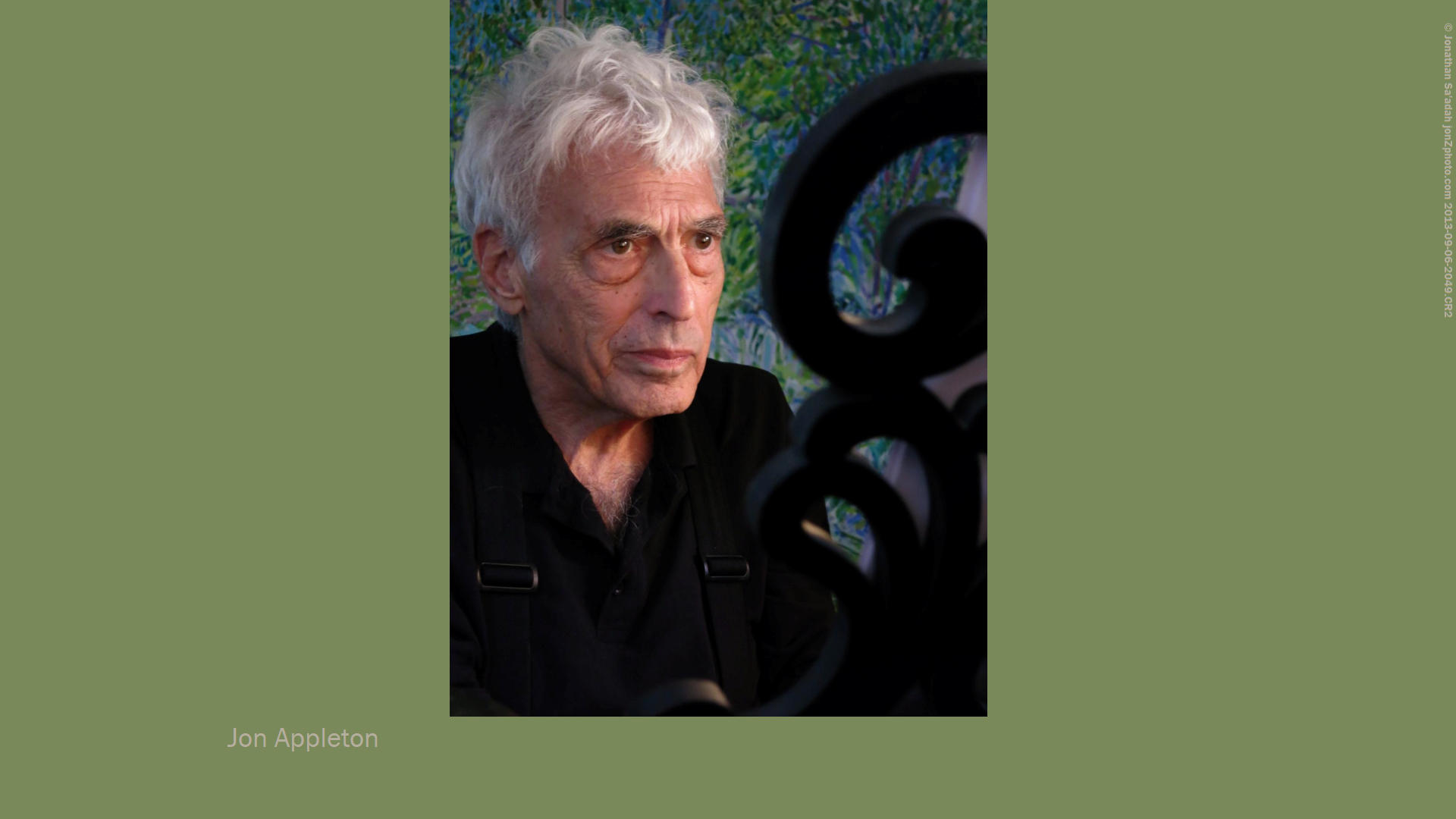
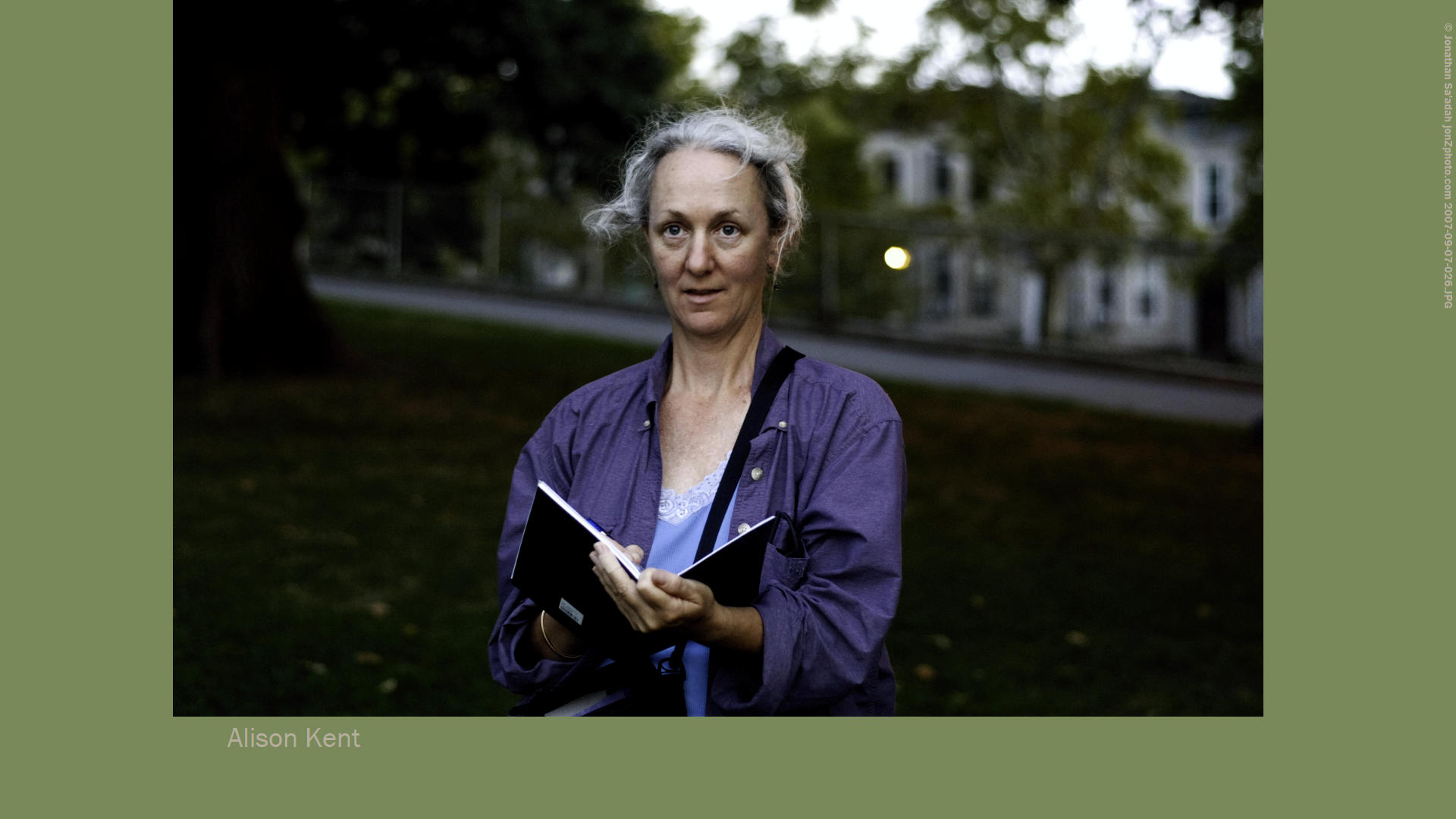
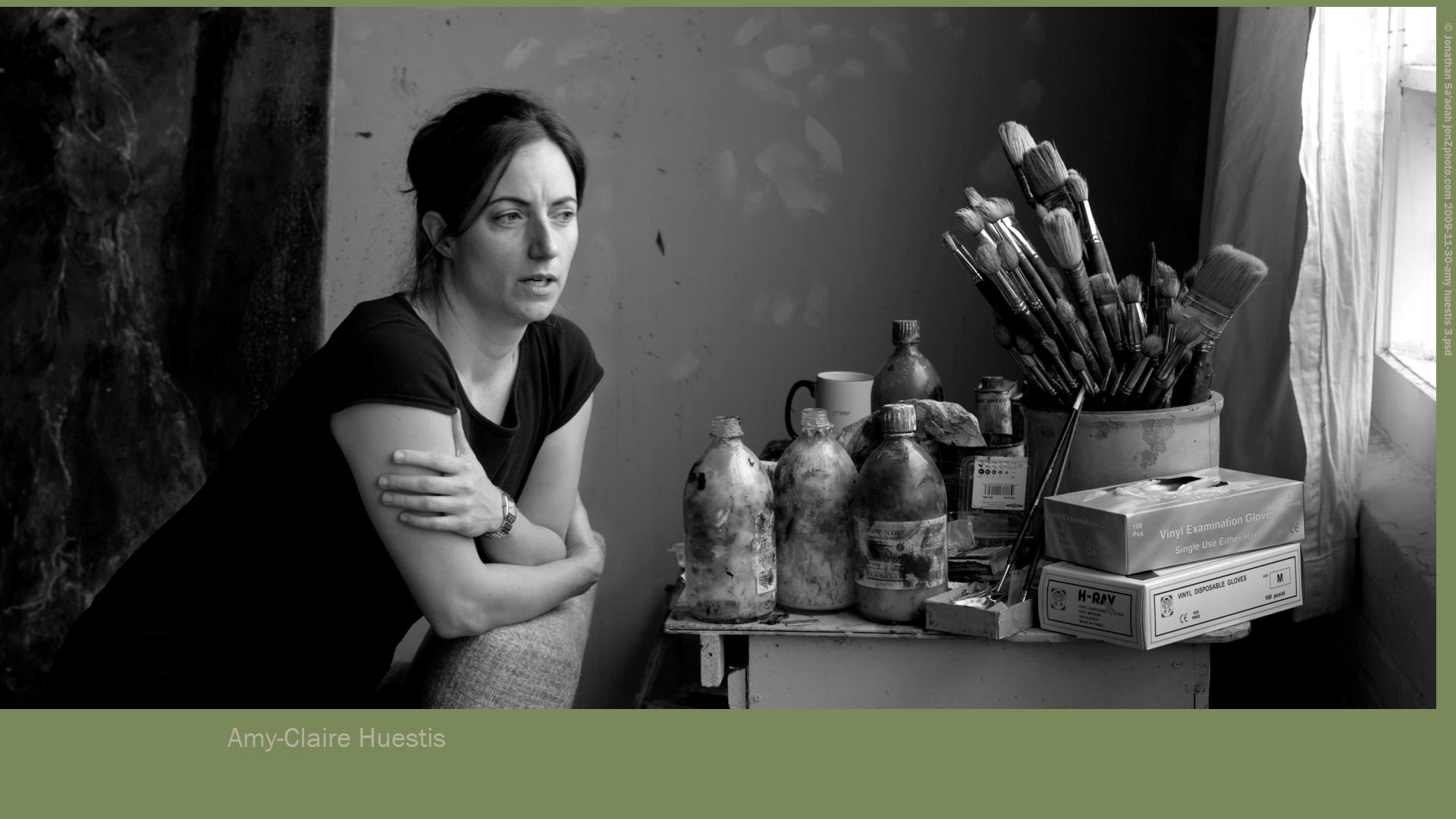
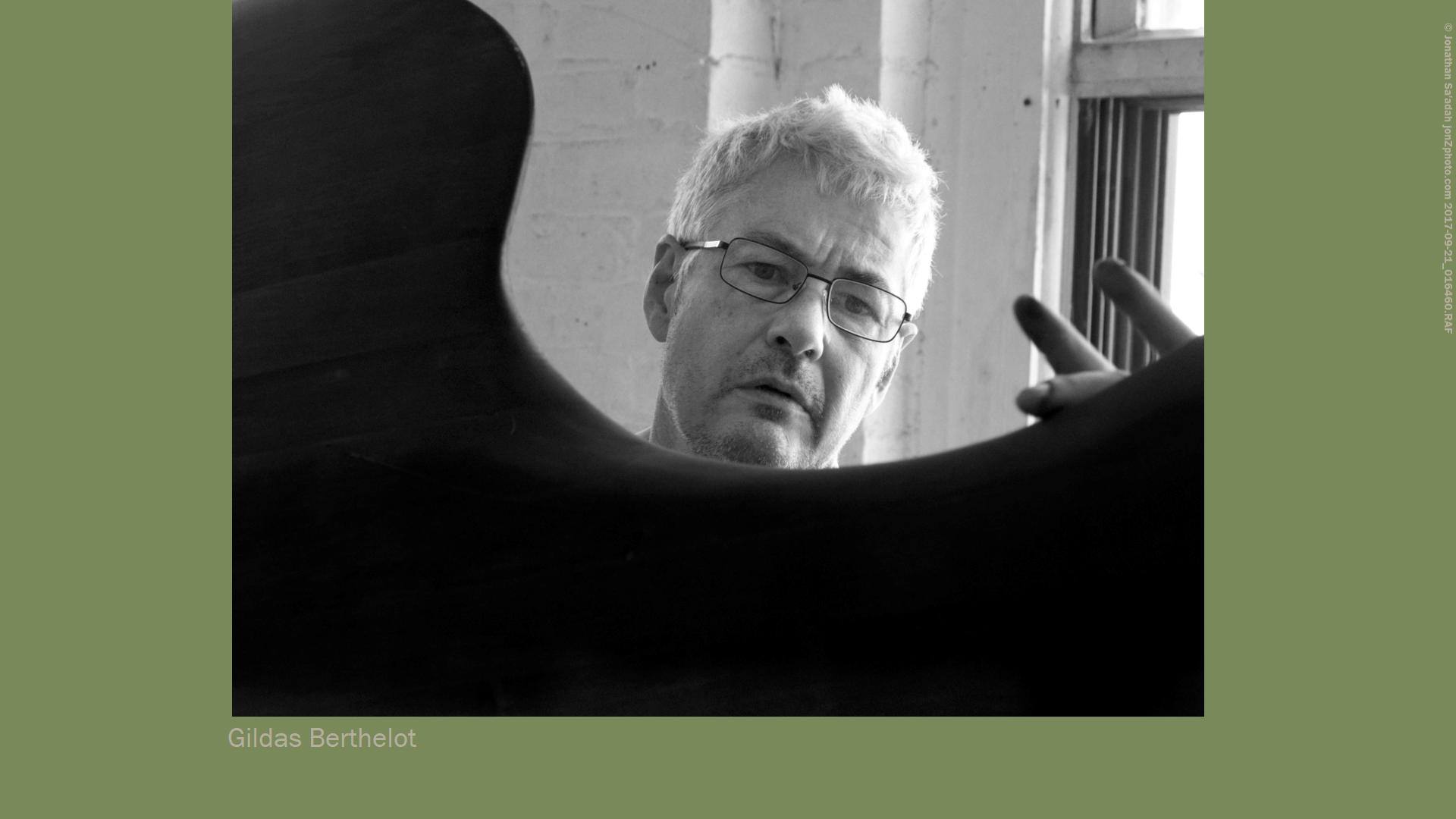
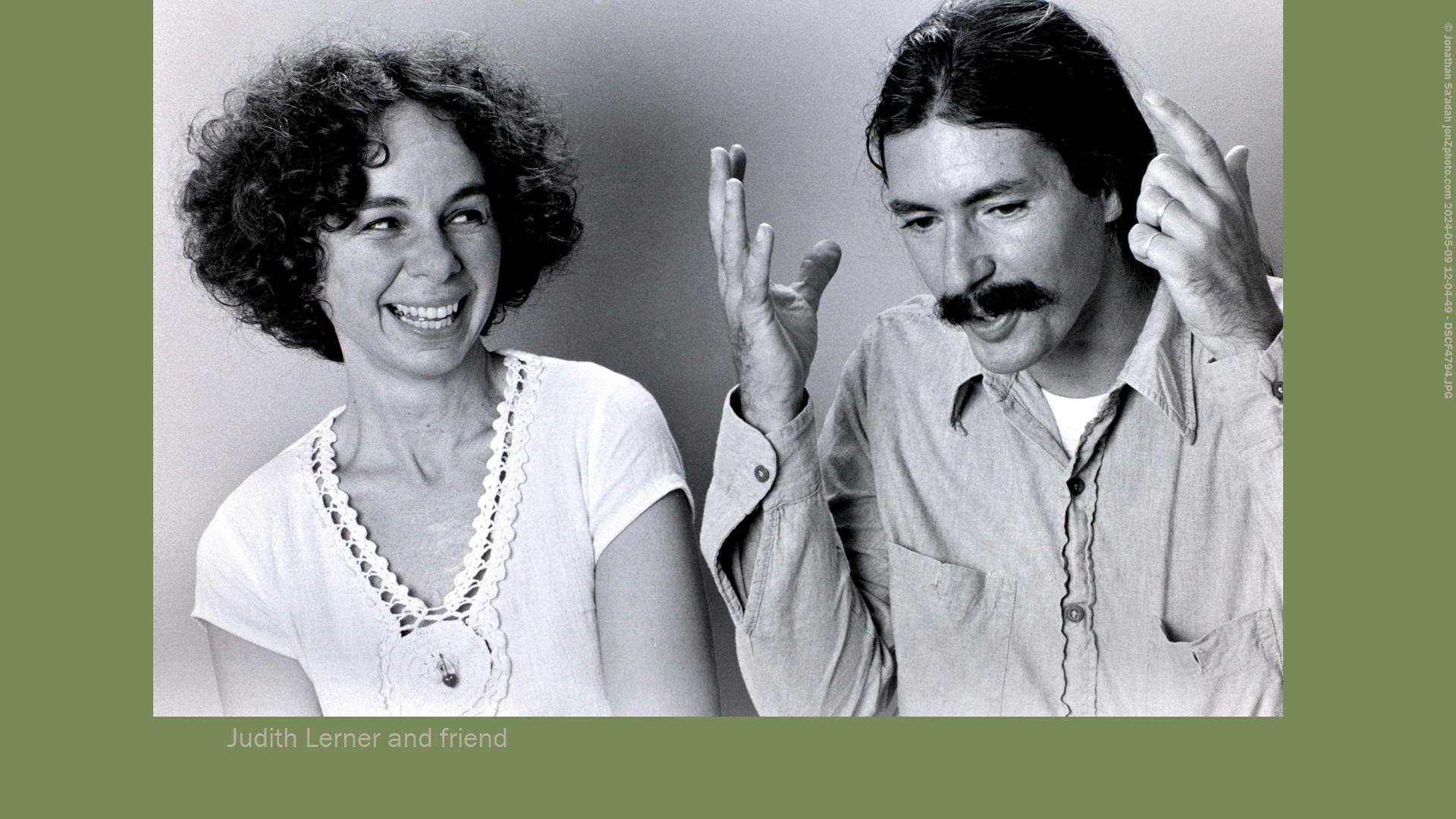
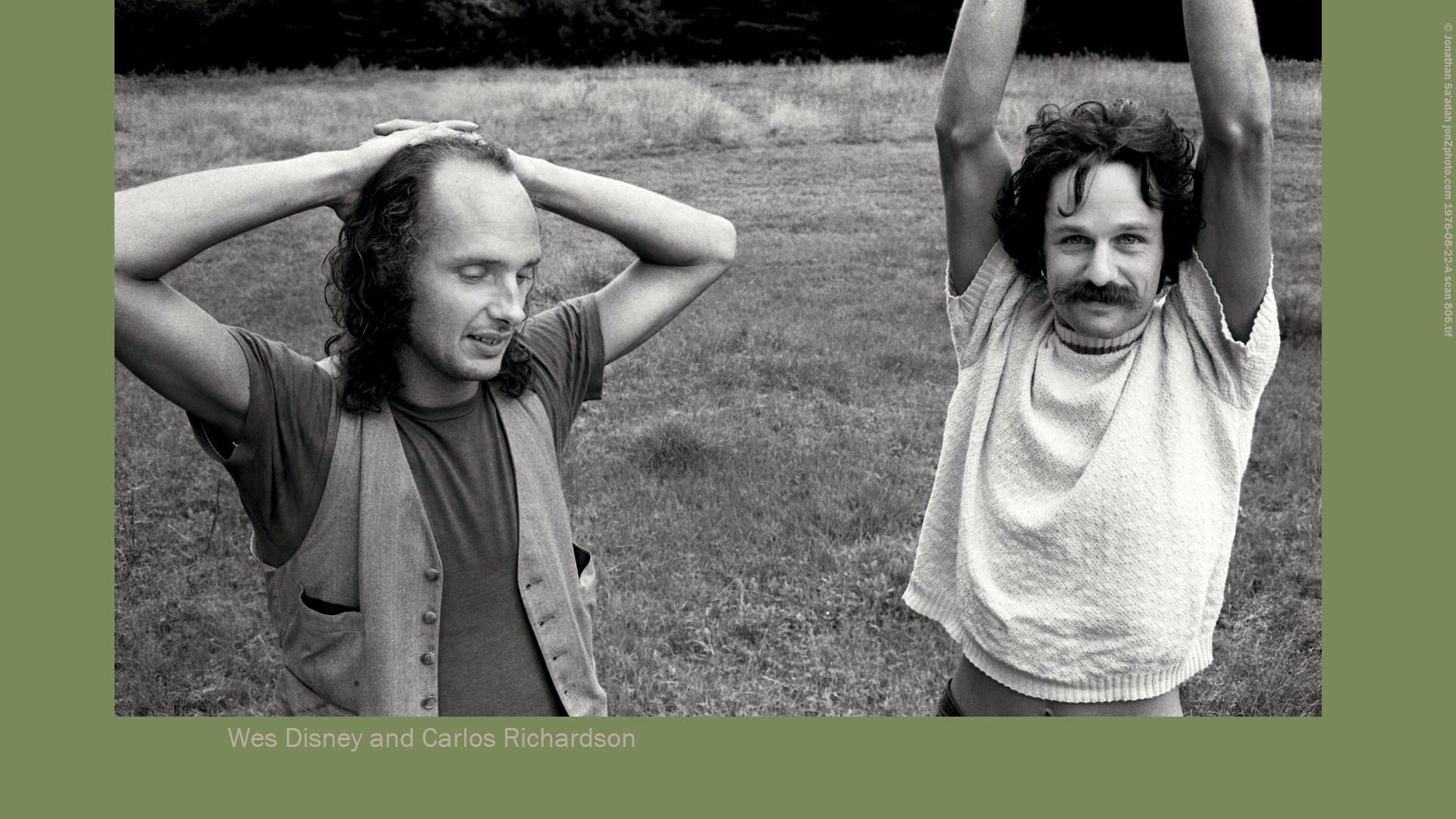
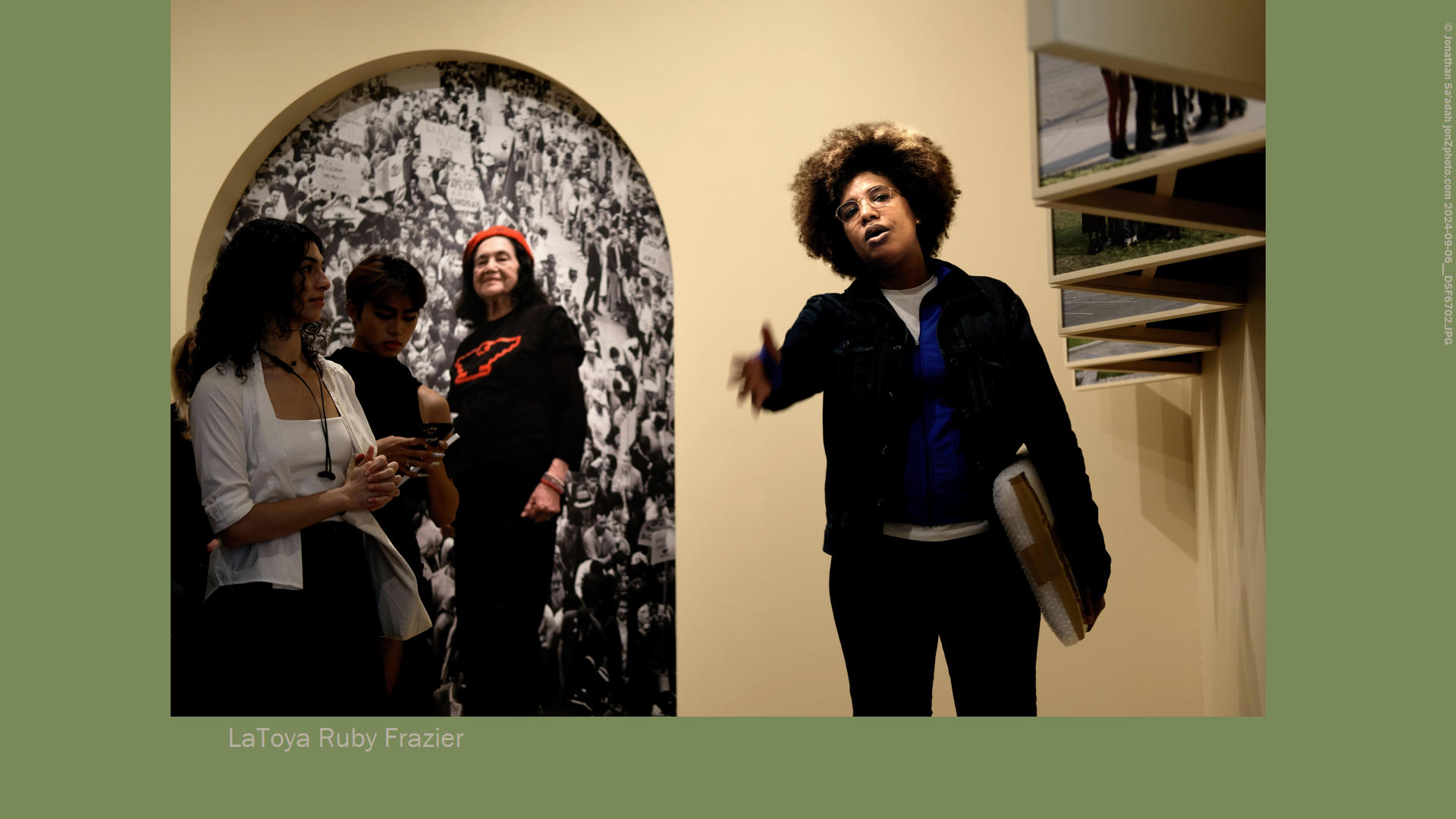
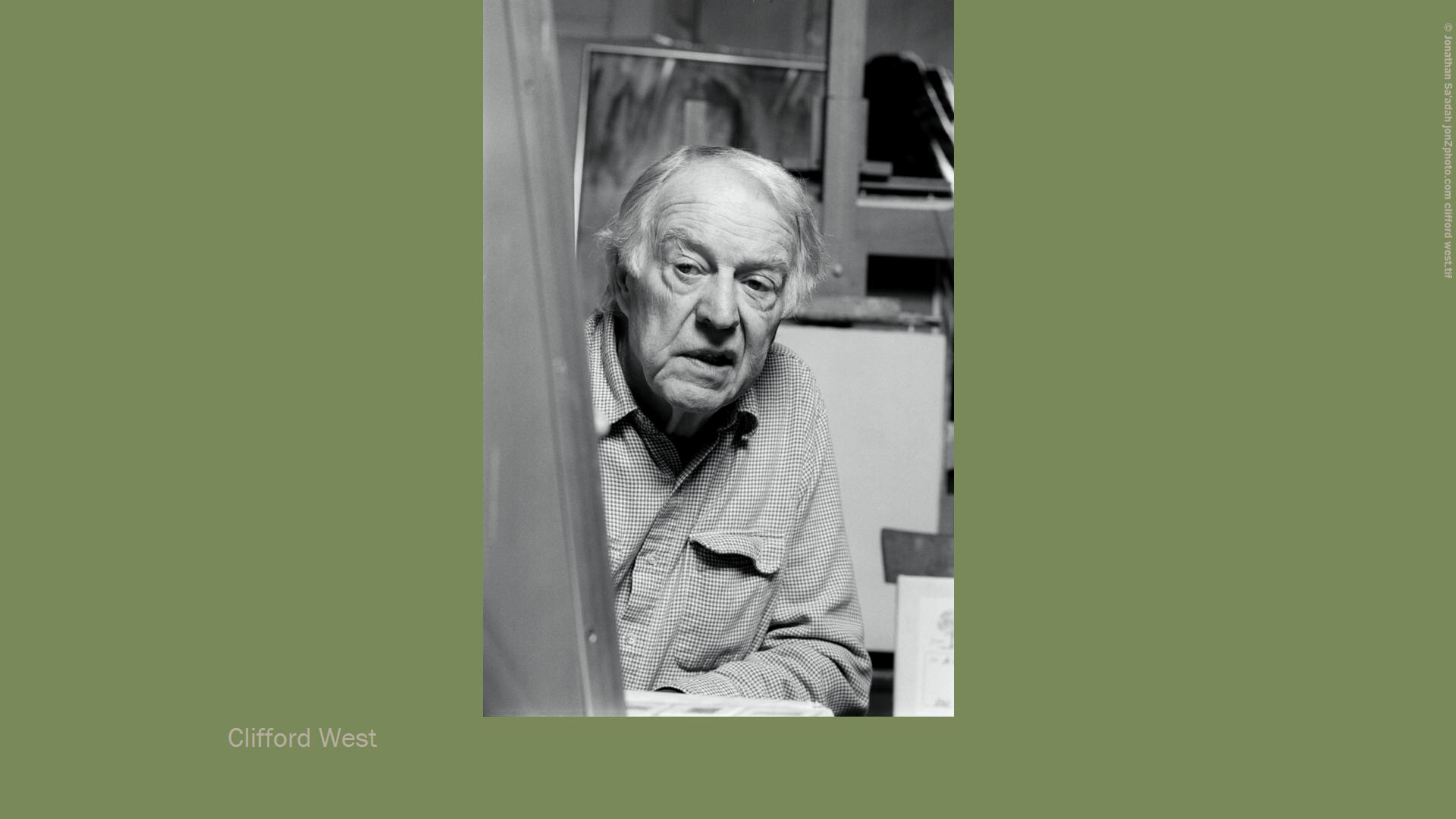
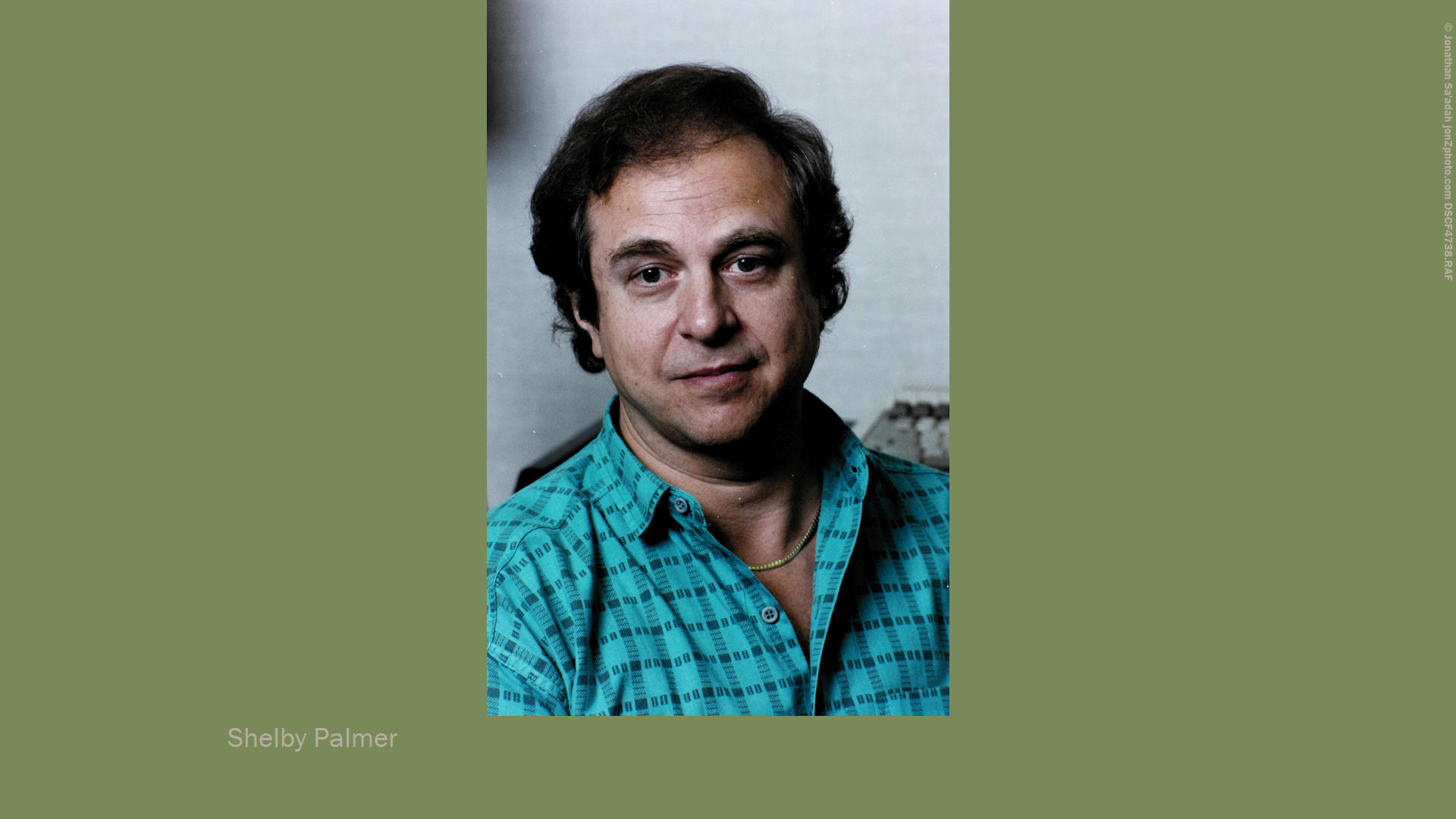
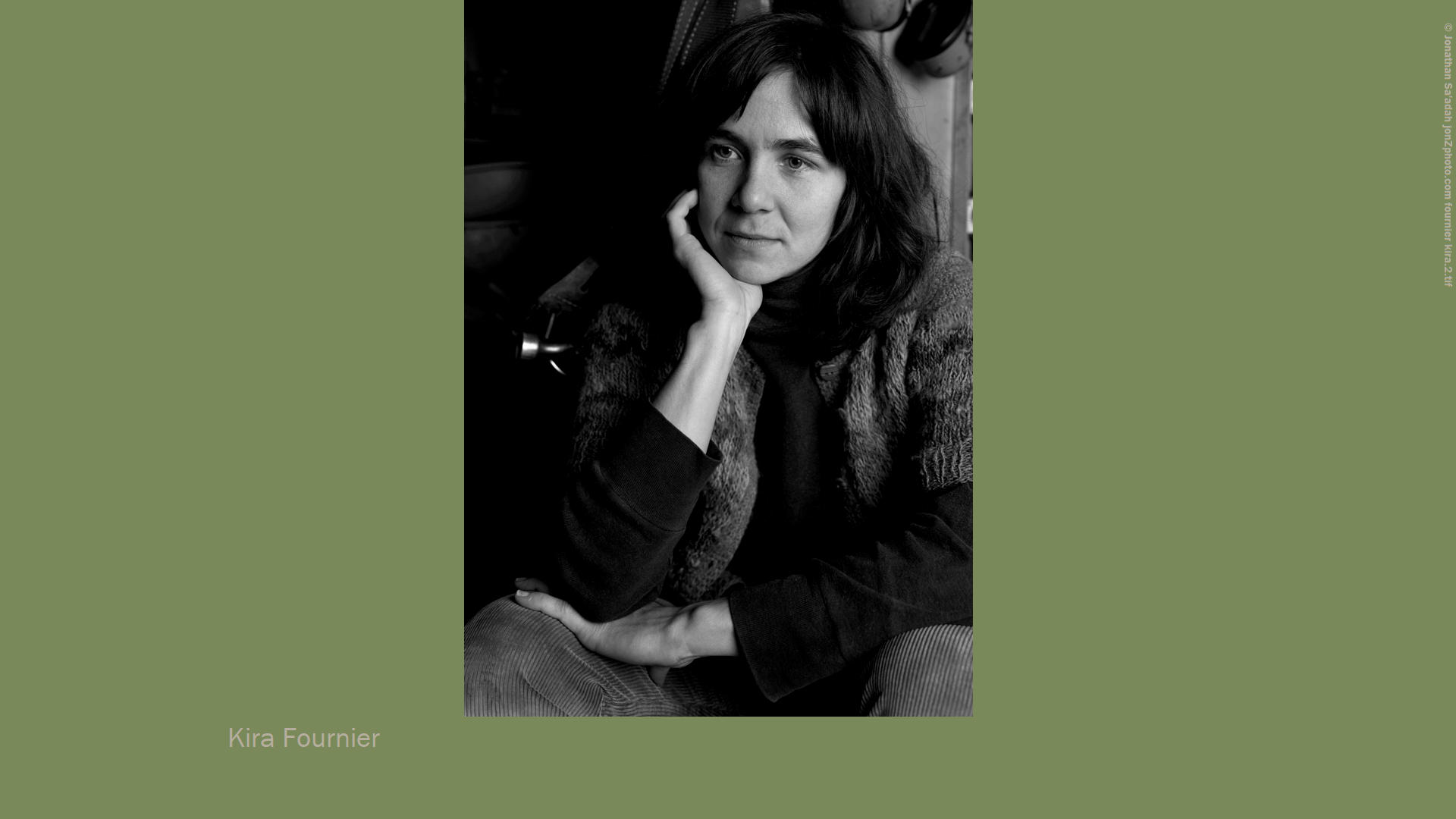
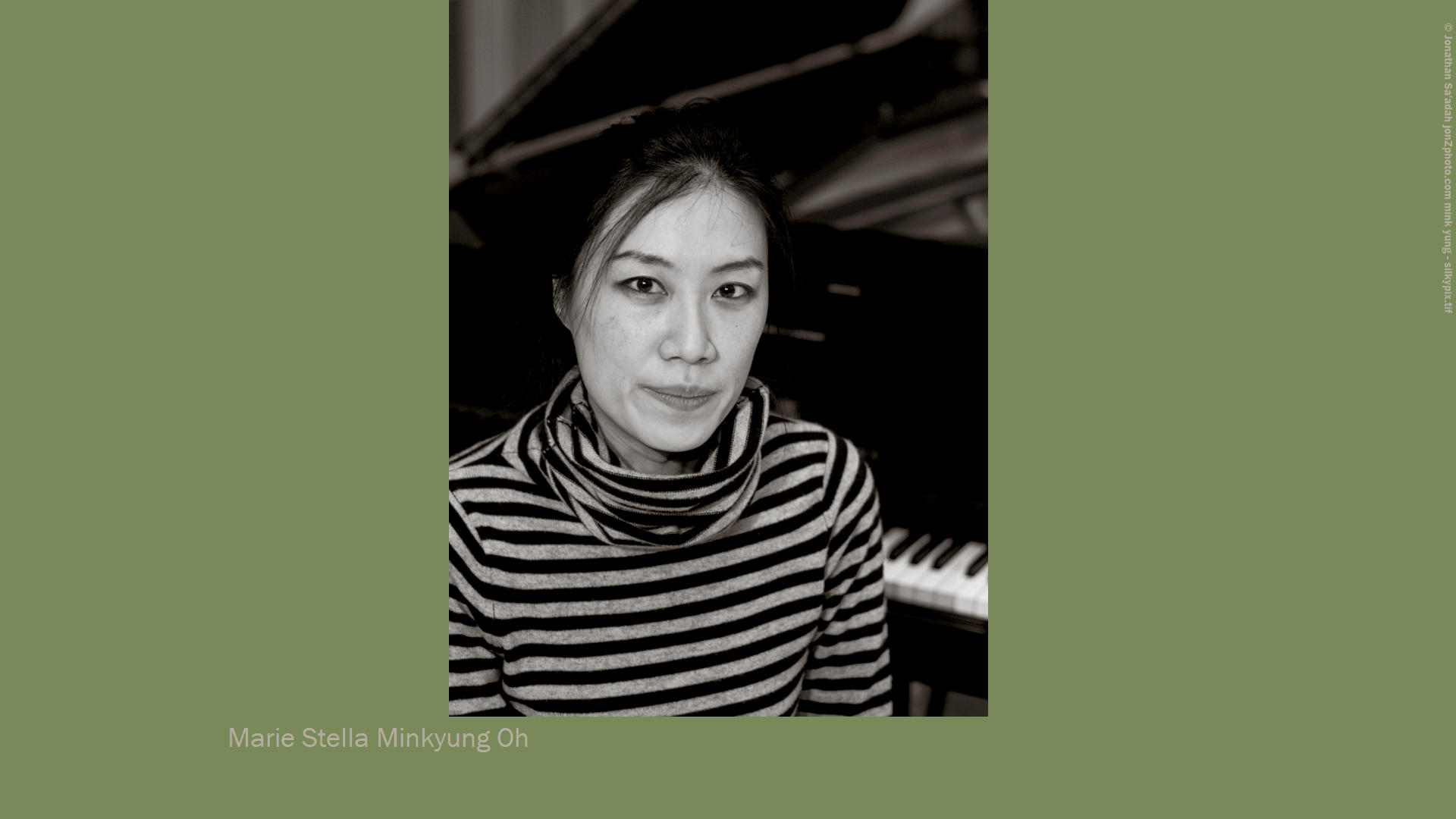
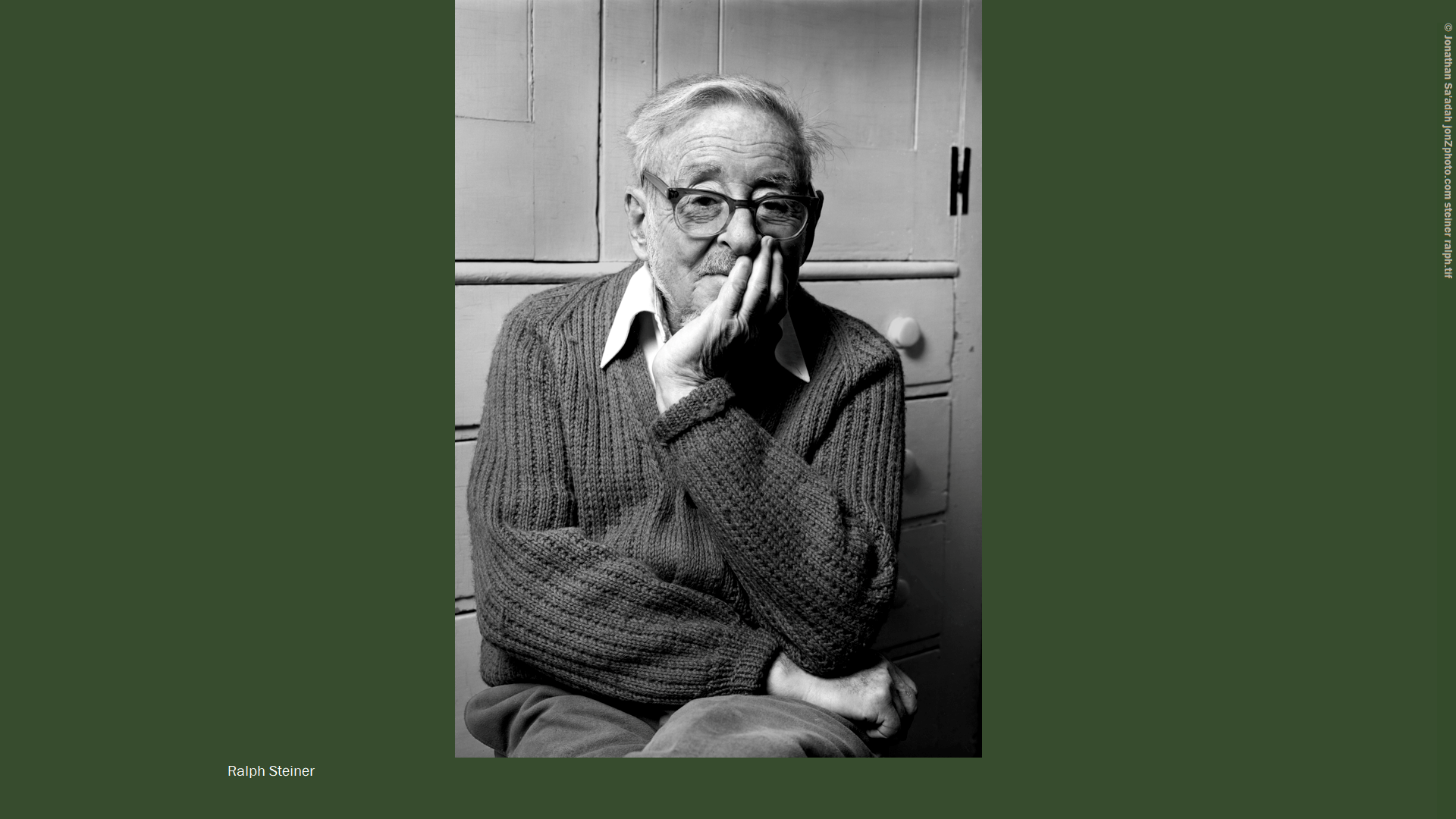
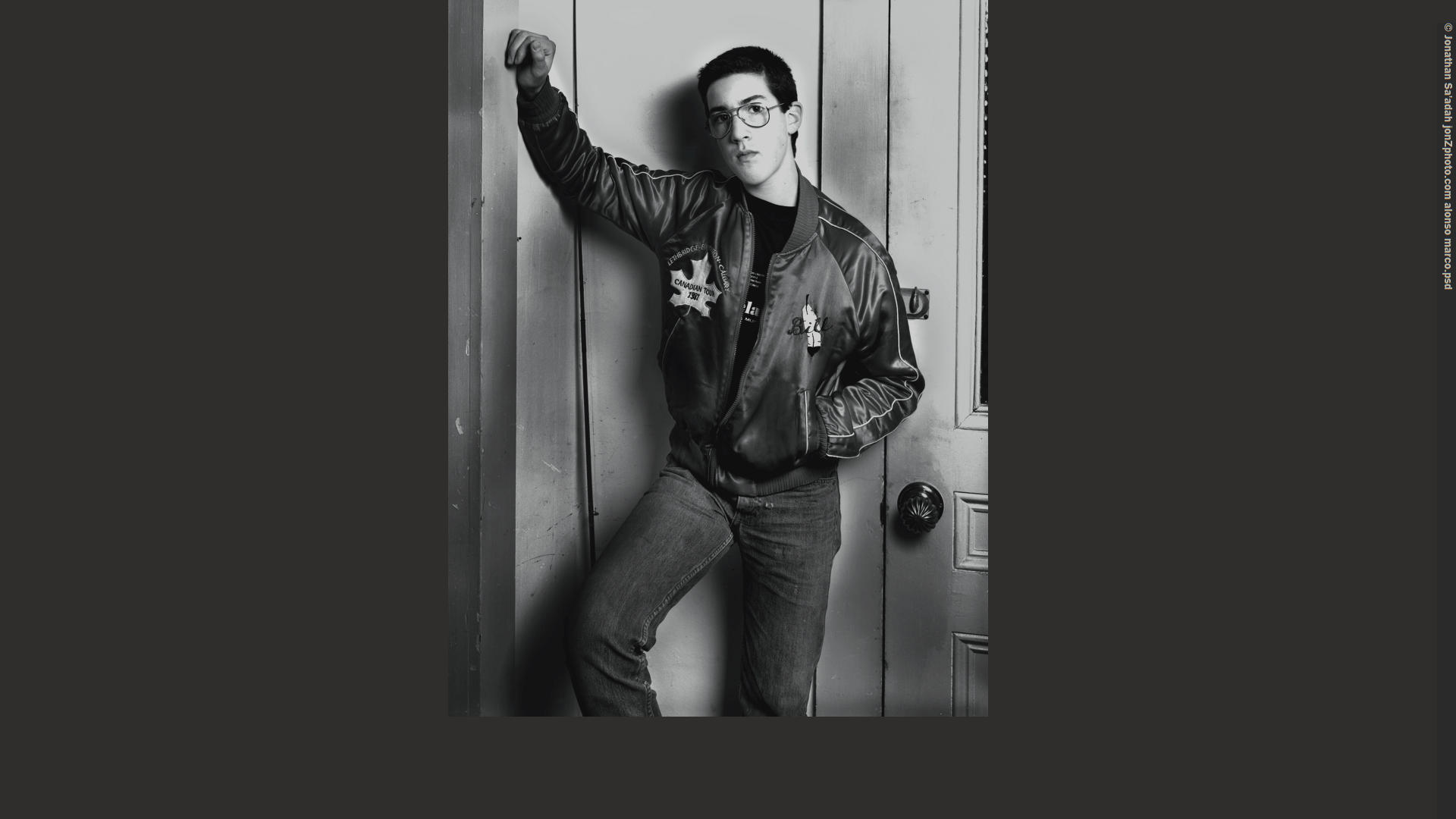
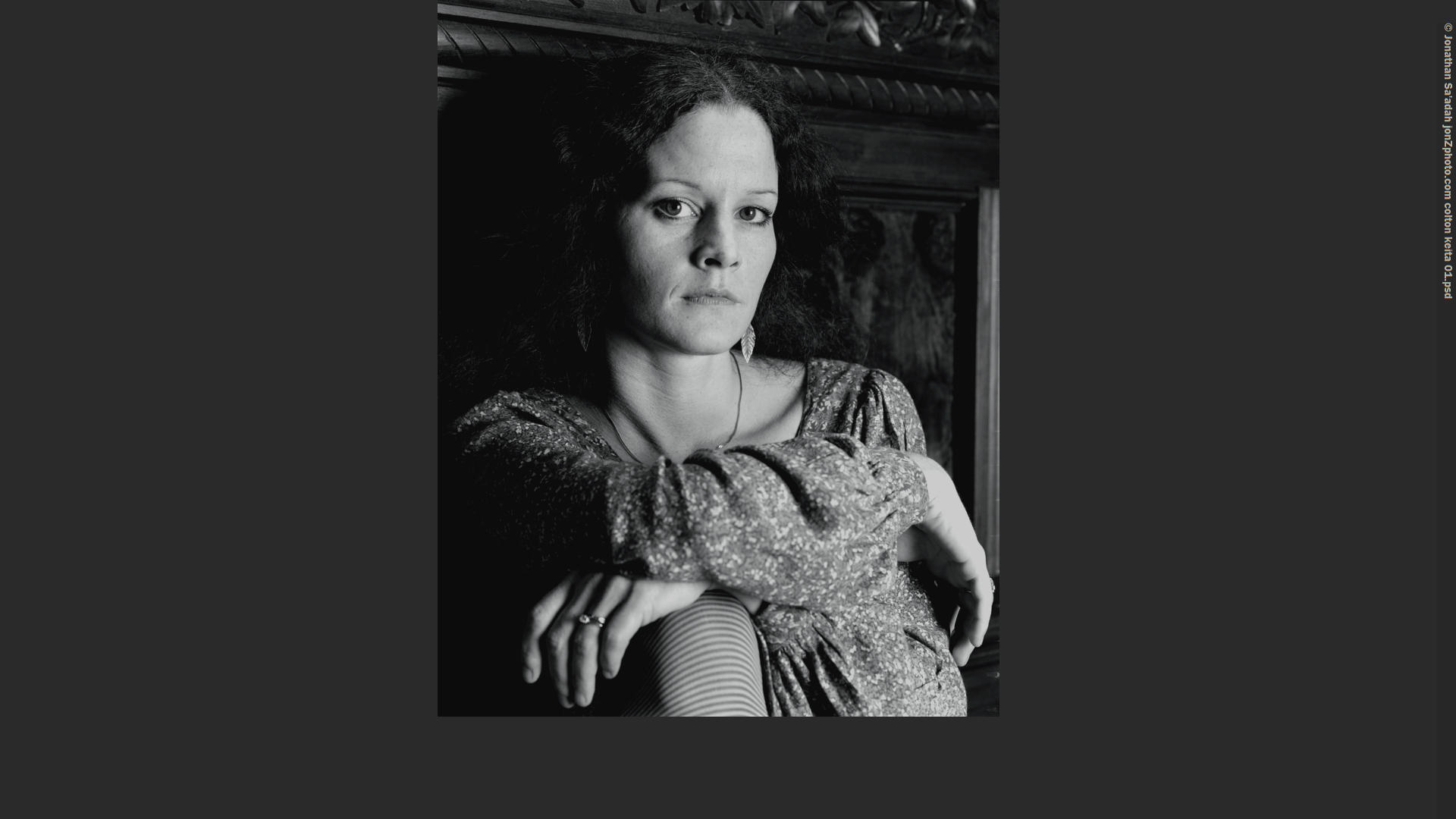
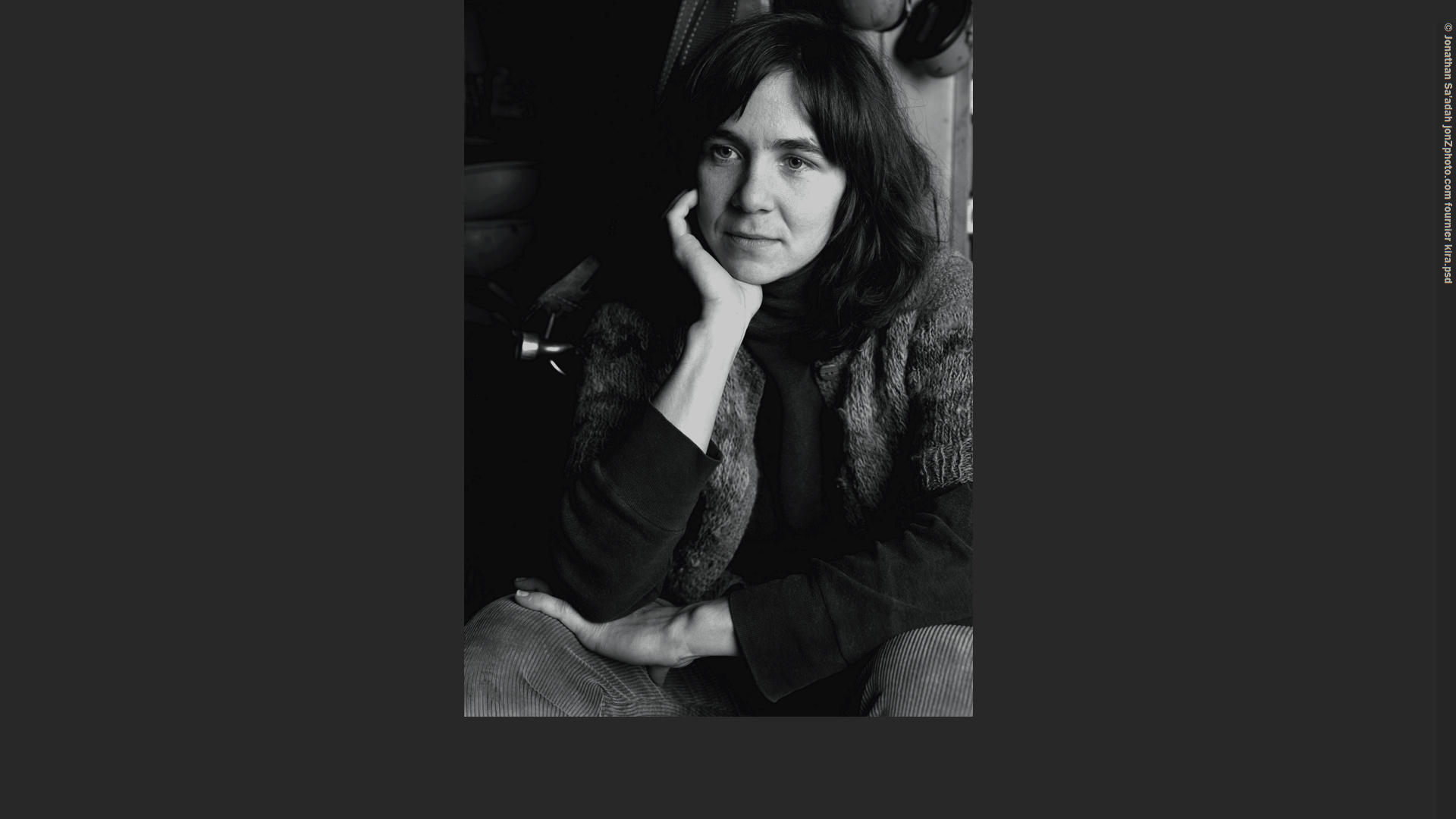
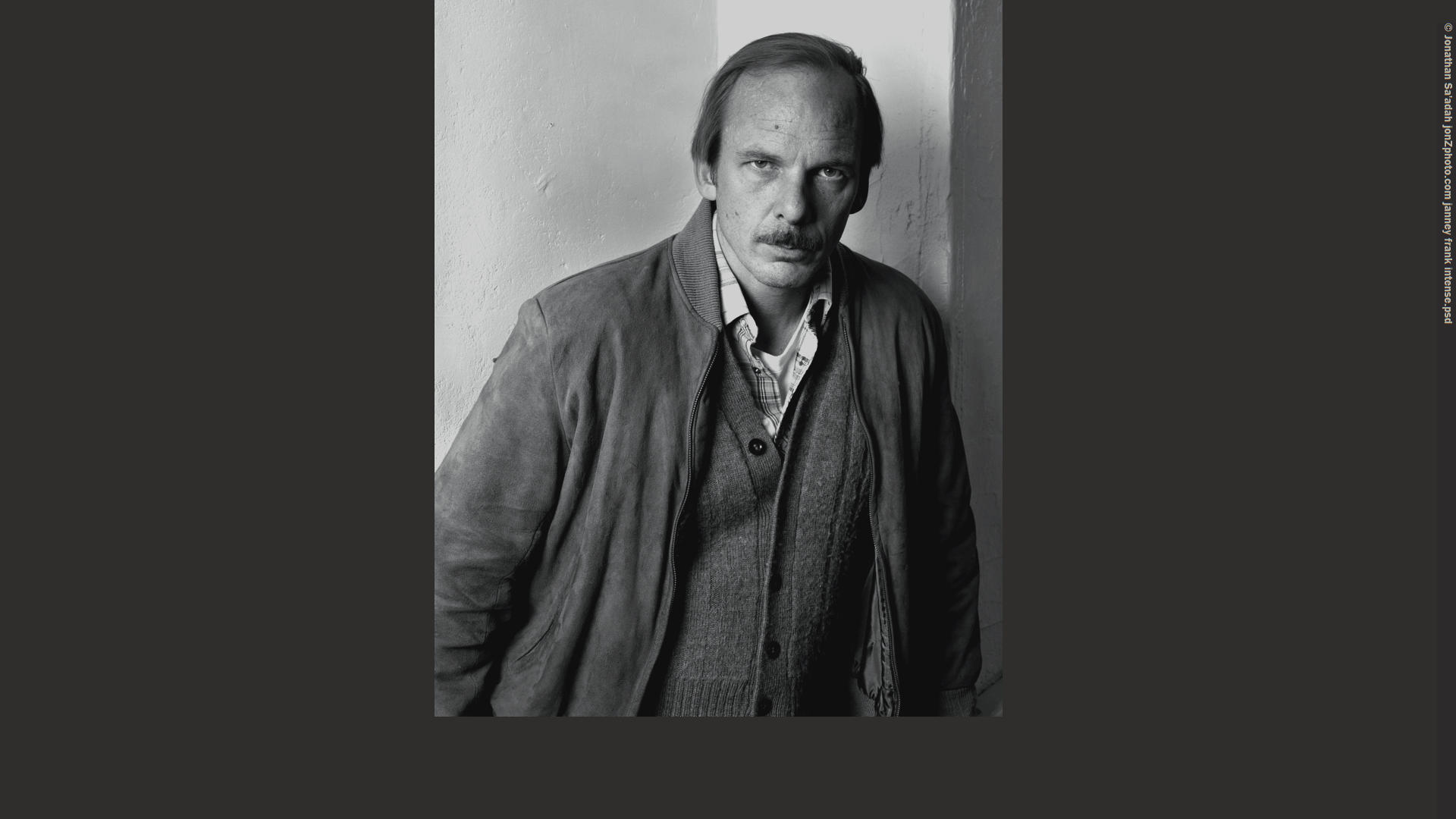
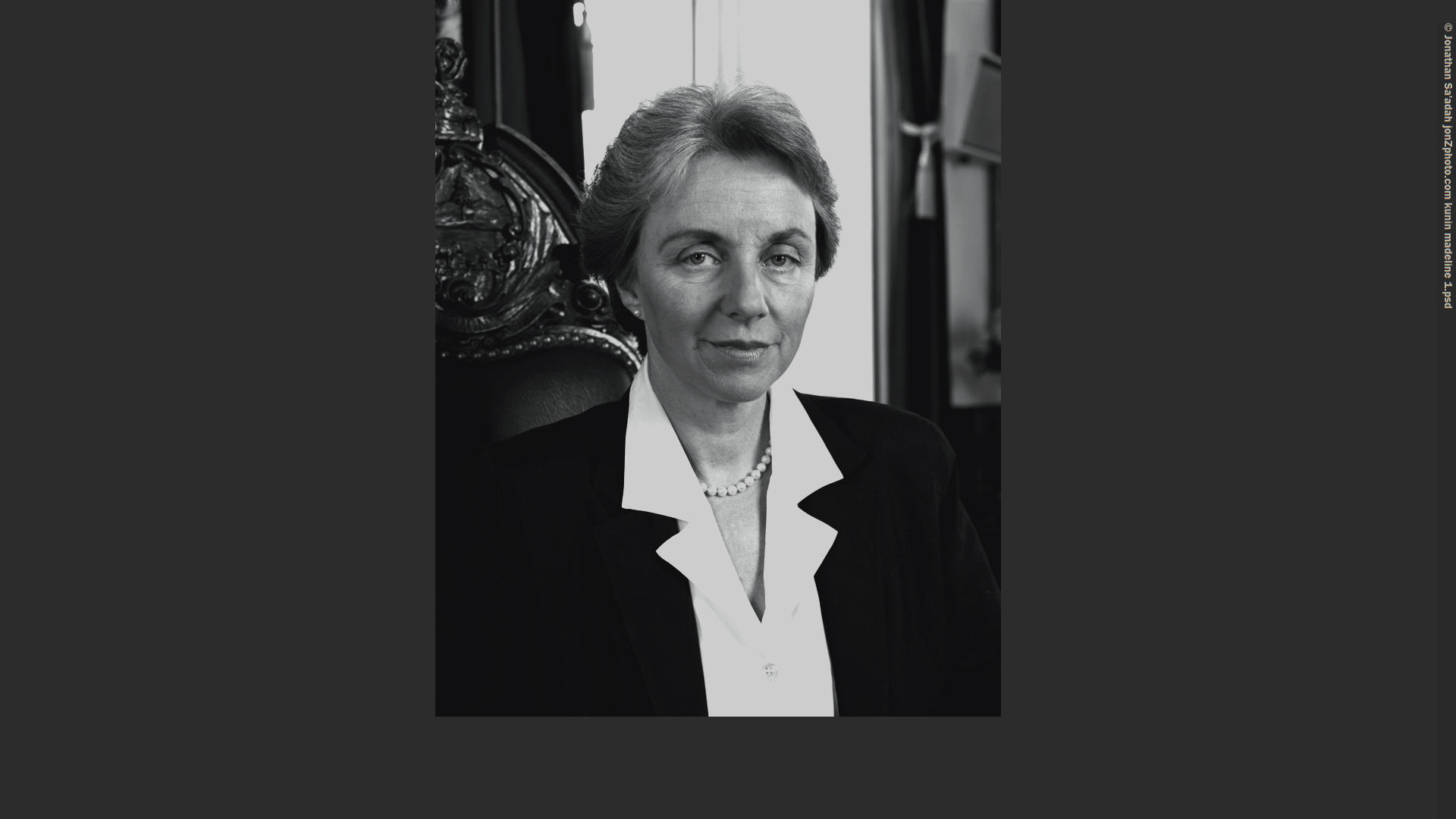
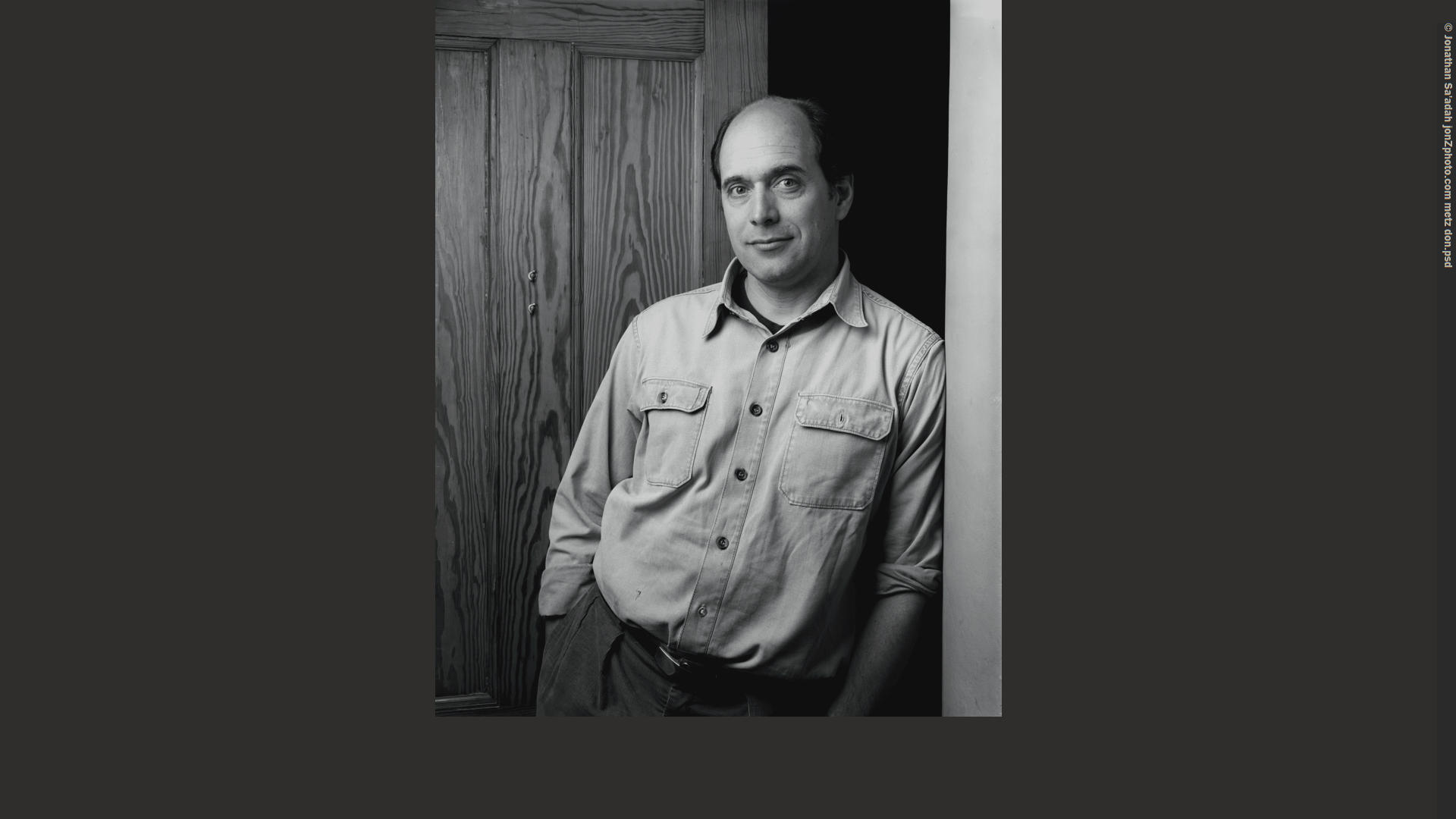
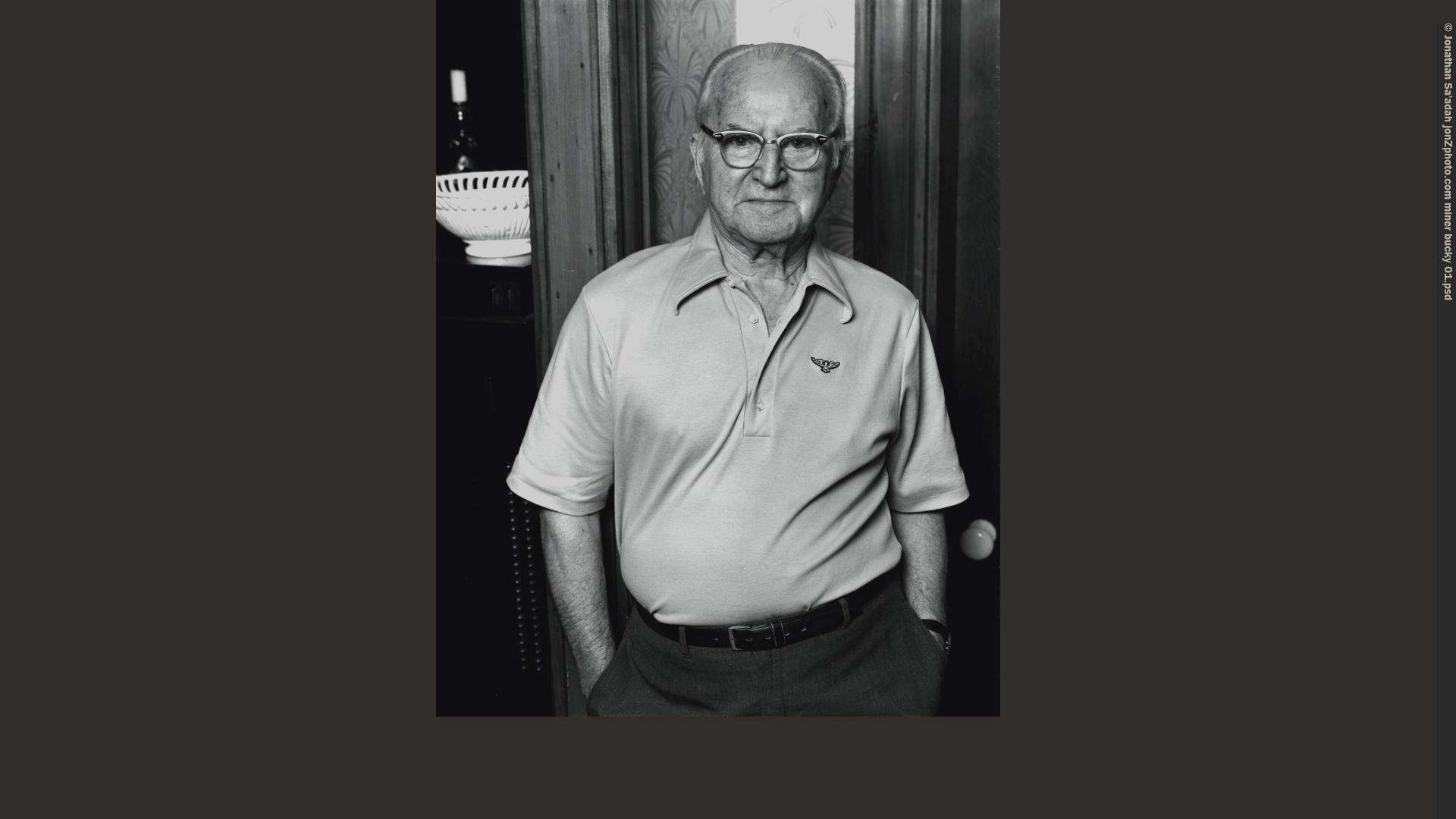
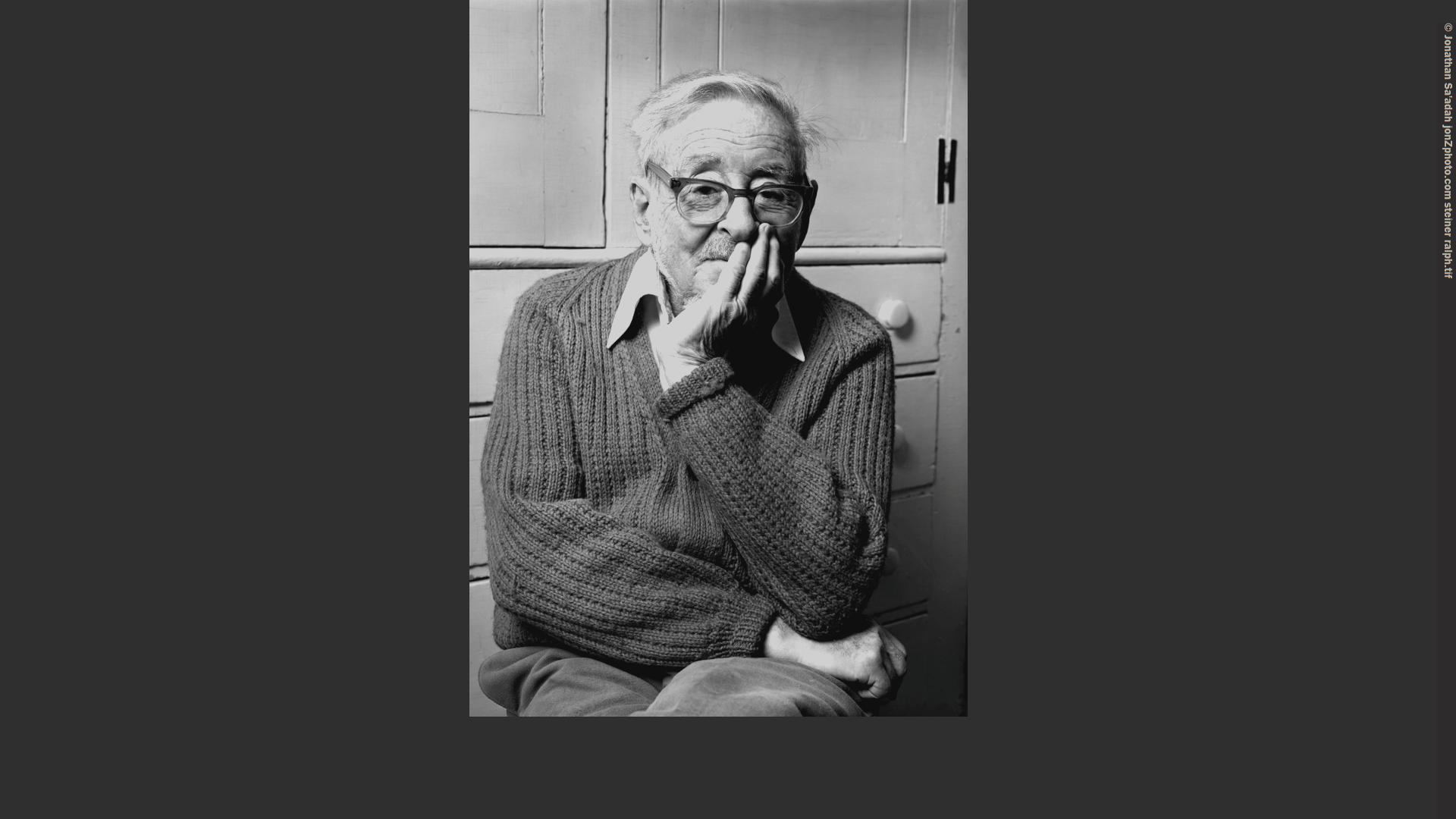
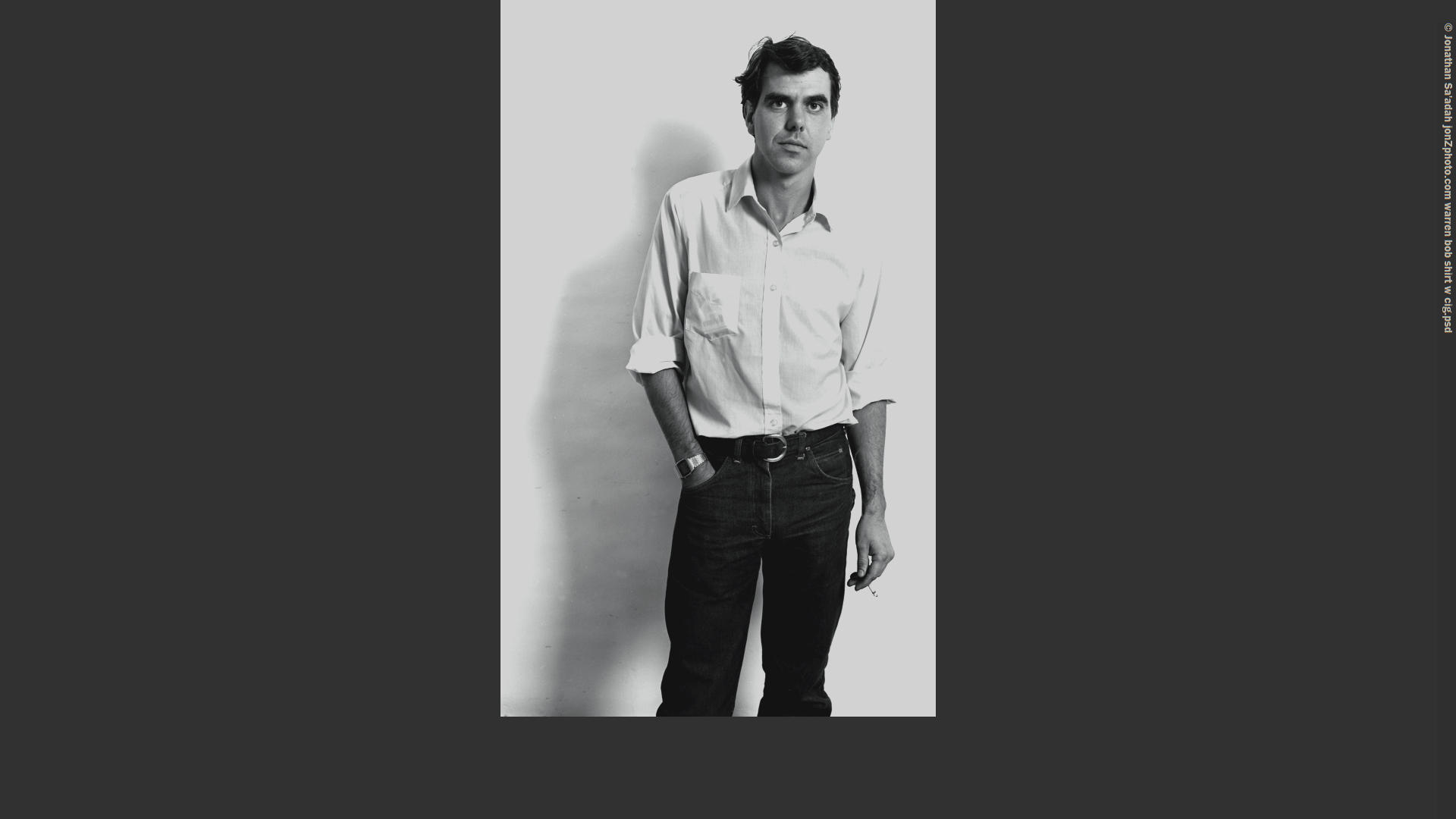
    Looking over these portraits I realize just how passionate each of these people is about their work, and that’s undoubtedly what draws me to photographing them. There’s an exception in Neneh Cherry, who is shown as a child, but even then she was madly creative. There’s a lot of creativity in this group!

  • The Memory of Presence: Portraiture

    The Memory of Presence: Portraiture

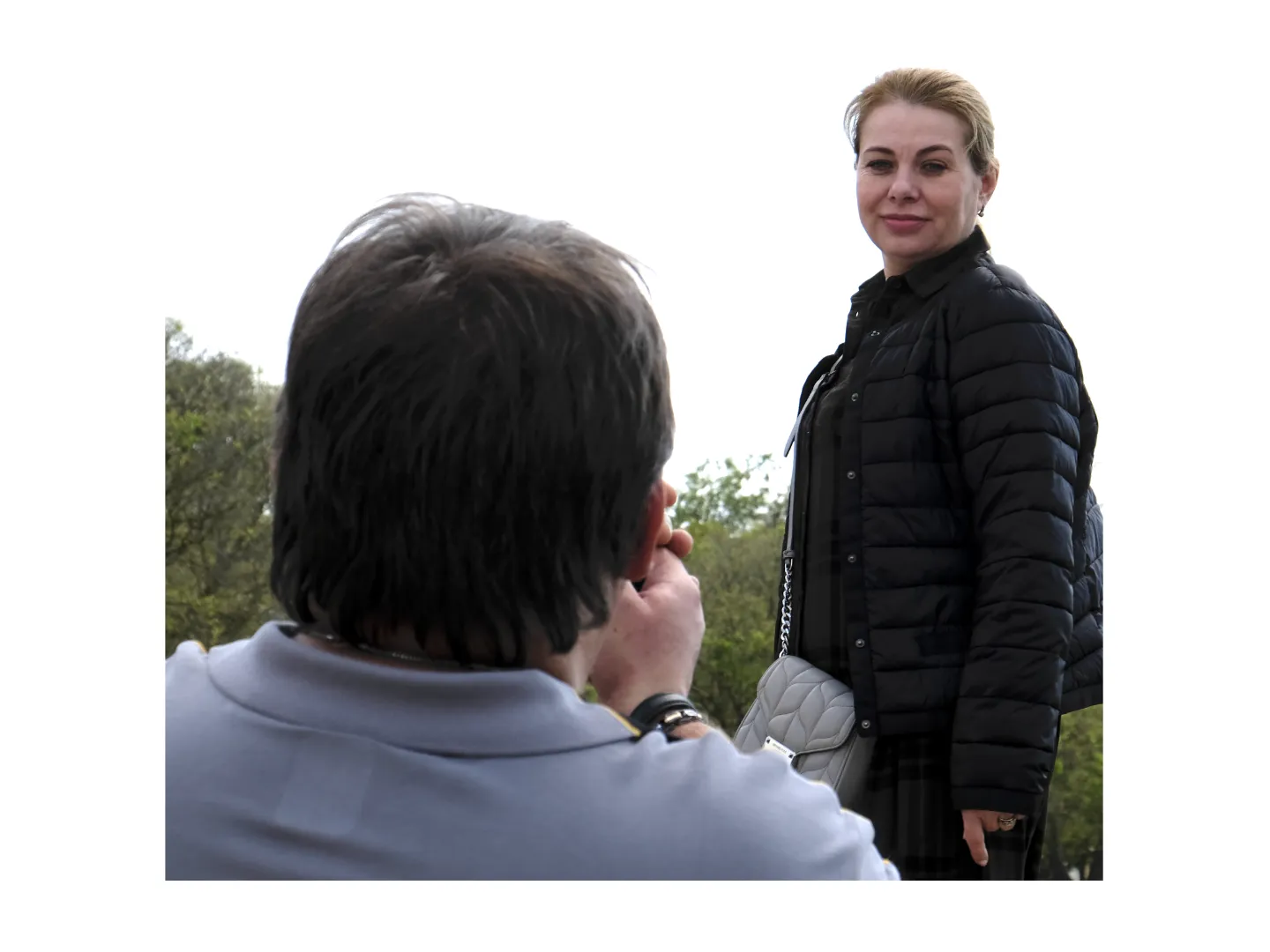
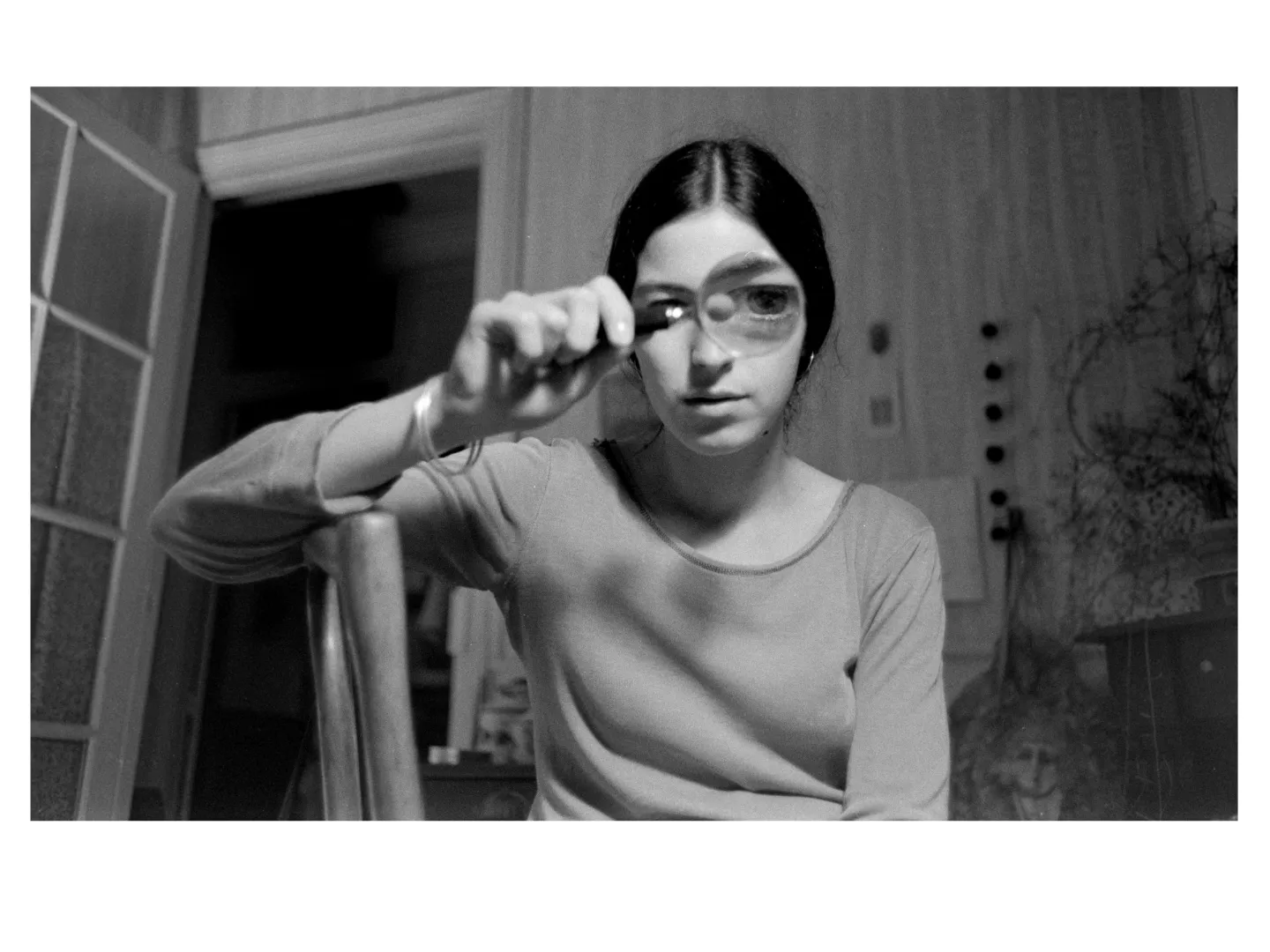
    Almost as soon as I picked up a camera, I began photographing people. For a naturally shy boy, it became an easy and natural way to start a conversation – one that didn’t rely entirely on words. The camera offered a kind of permission: to look, to observe, and to engage with others in a way that felt both purposeful and safe. I photographed friends, family, and those closest to me – mostly people who were part of my everyday life. At the time, I may not have fully understood why, but there was already a sense that these moments, and these faces, mattered.

    Sometimes I wonder how much that instinct has really changed. The circle of people I photograph has grown over the years, extending beyond the familiar into wider and more varied encounters. Yet at its core, the process remains the same. Portraiture, for me, is still grounded in a kind of exchange – a quiet conversation between the photographer and the person in front of the camera. It is in that exchange, however brief or subtle, that a photograph begins to take shape. When it works, the result feels shared, as though both people have contributed something to its creation.

    That said, the outcome is not always immediately welcomed. Not every photograph is liked, even by those closest to me. Friends and family have sometimes reacted with hesitation or discomfort when seeing themselves in an image, particularly when the photograph reveals details they would rather ignore – wrinkles, blemishes, or features they feel self-conscious about. These reactions are familiar and deeply human. We are often our own harshest critics, especially in the present moment, where self-awareness can feel magnified.

    And yet, time has a way of reshaping that relationship. Photographs that once felt unflattering or difficult often soften in meaning as the years pass. Distance allows us to see ourselves with more generosity, or at least with less immediacy. The details that once seemed like flaws become part of a larger whole – evidence of a moment, a phase, a version of ourselves that no longer exists in quite the same way. In this sense, photography benefits from time just as much as it records it.

    Time, of course, does not simply pass – it accumulates loss as well as memory. Many of the people I have photographed are no longer alive, and the images that remain have taken on a weight I could not have anticipated when I first made them. What may have once felt casual or routine becomes irreplaceable. A photograph transforms into a trace of presence, something that endures beyond the physical world. This enduring quality has always been one of photography’s most powerful attributes: its ability to hold onto what cannot be held otherwise.

    Because of this, portraiture carries a quiet responsibility. There is always a challenge in taking a living, breathing human presence and rendering it into a still image that retains some emotional truth. A photograph inevitably simplifies, but when it succeeds, it does not feel reductive. Instead, it feels concentrated – like something essential has been distilled and preserved.
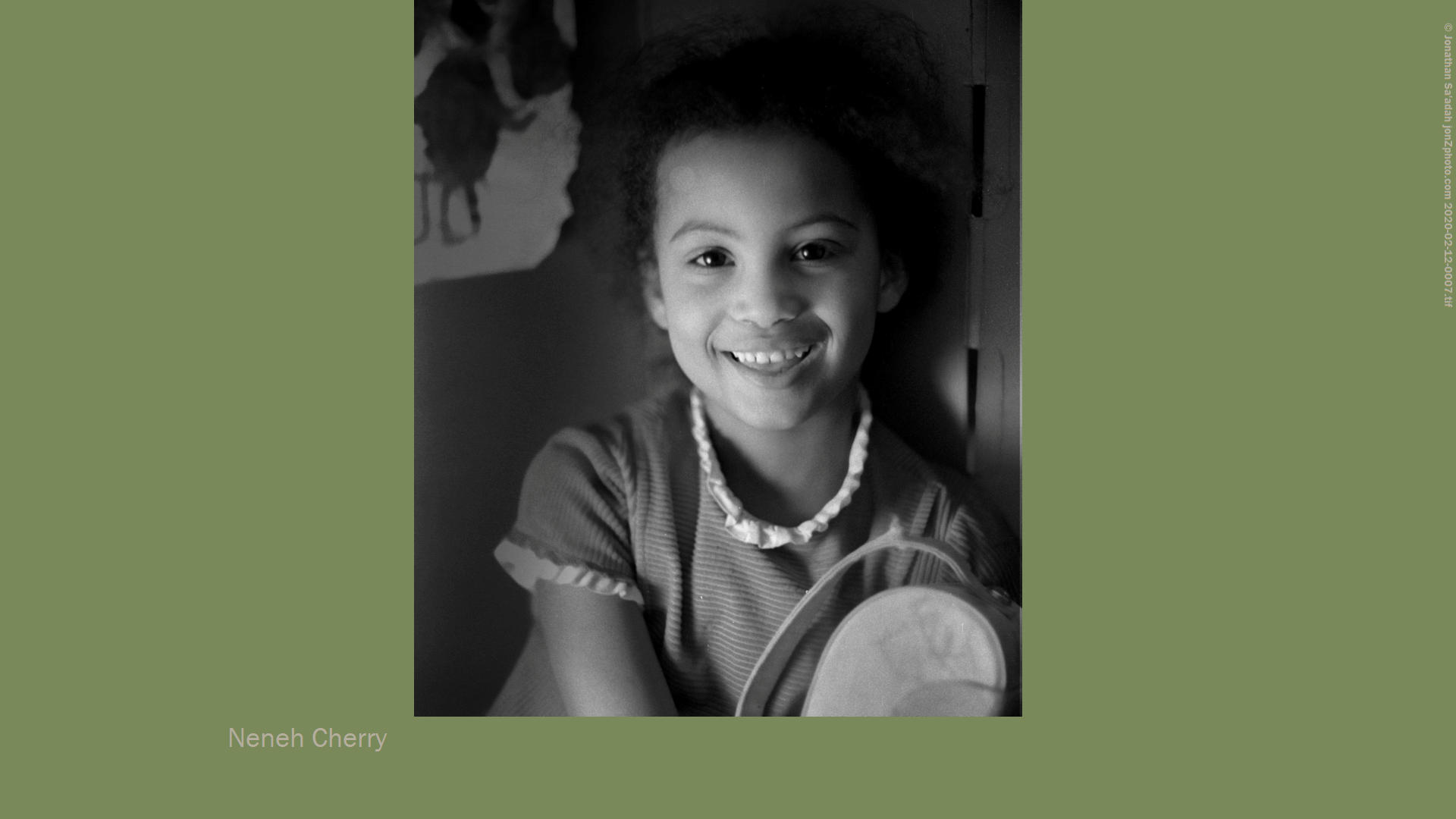
    When that happens, the image becomes more than a likeness. It becomes a memory, not only for those who knew the person, but potentially for anyone who encounters the photograph. Even without context, a strong portrait can resonate, suggesting something universally recognizable in a specific individual. In that way, what begins as a personal act – photographing someone you know – can extend outward, becoming something shared, something lasting, and something quietly meaningful.

  • Serendipity

    Serendipity

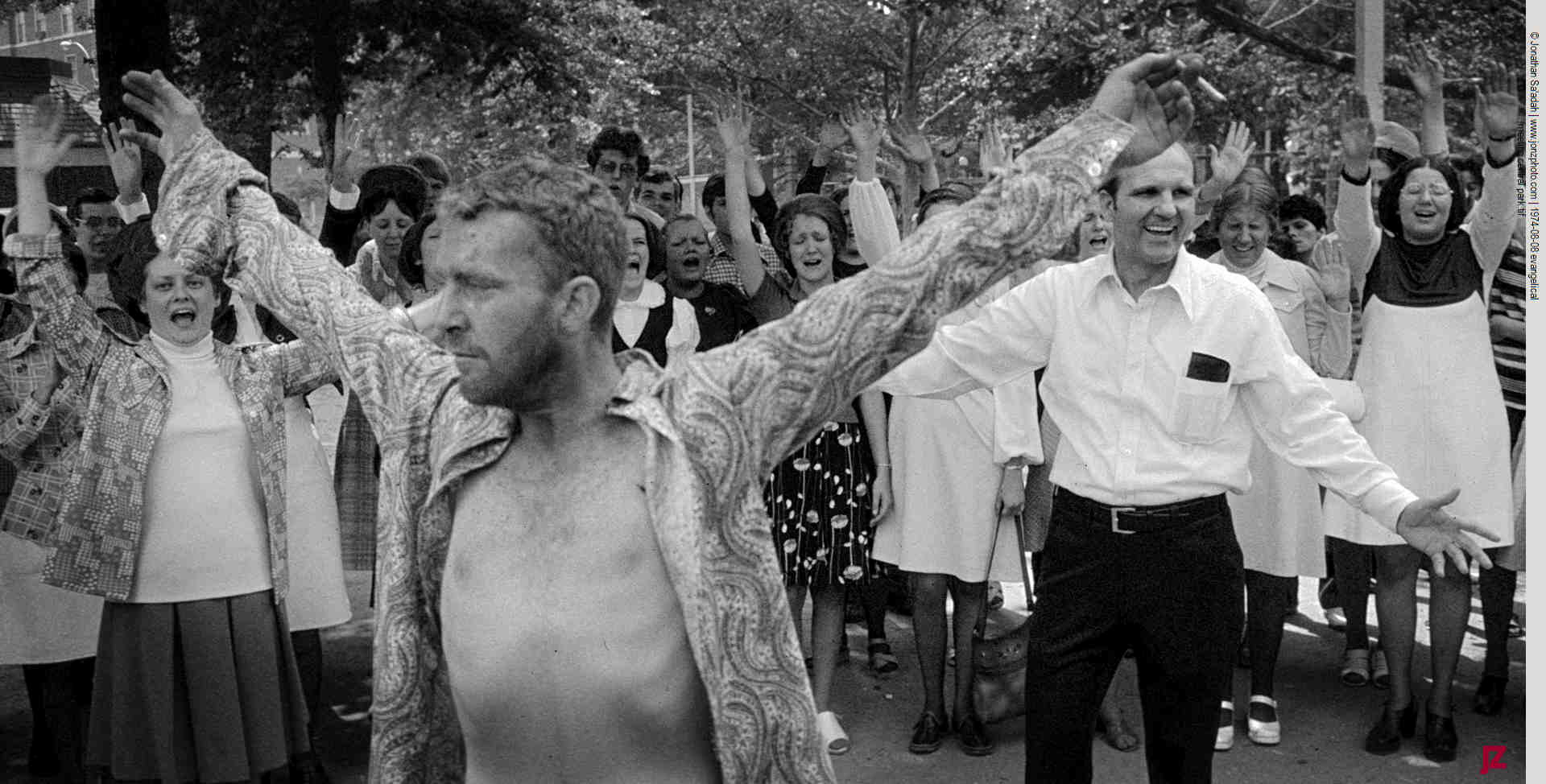
    Evangelical Christian gathering in Central Park, 1967

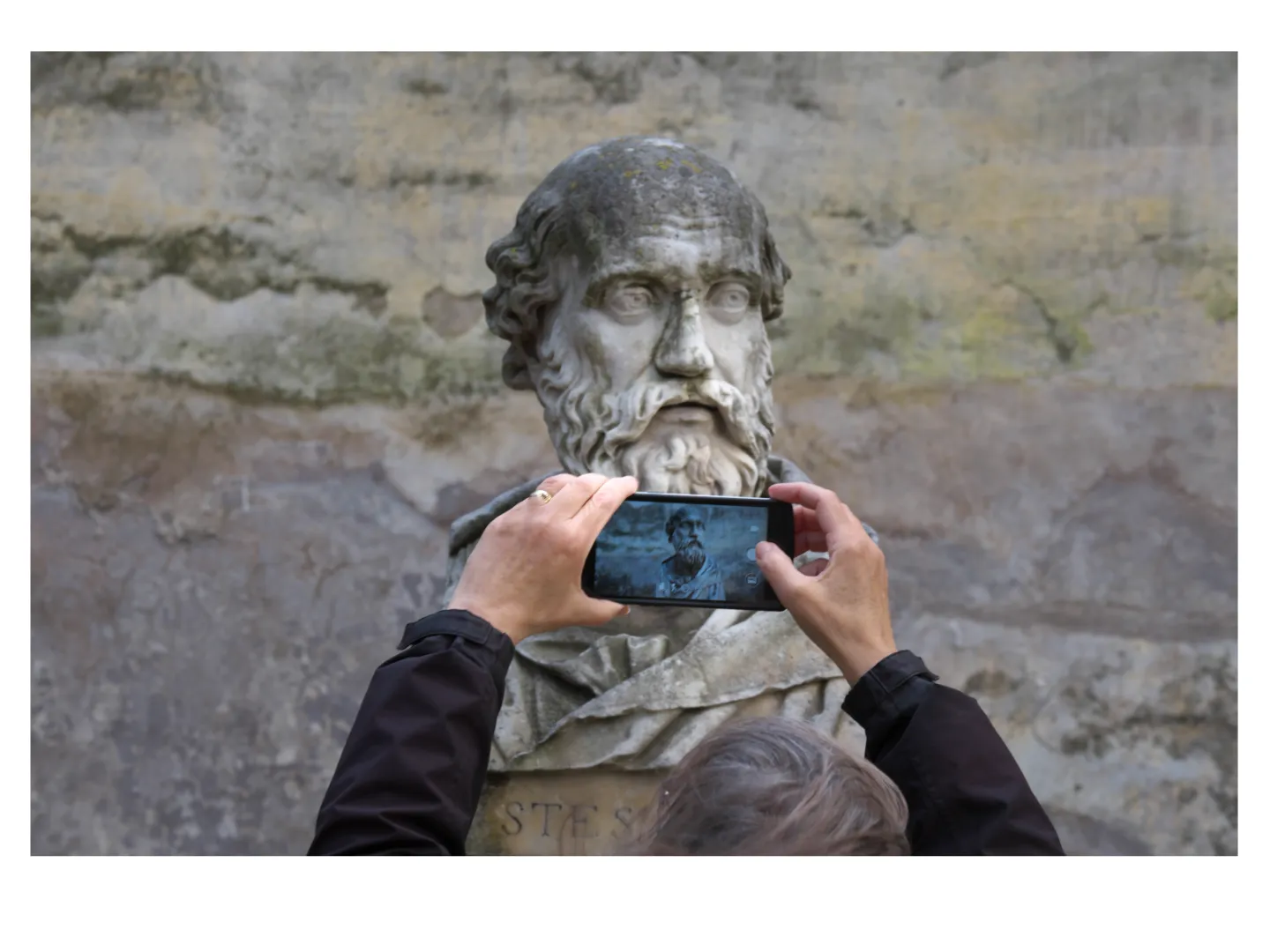
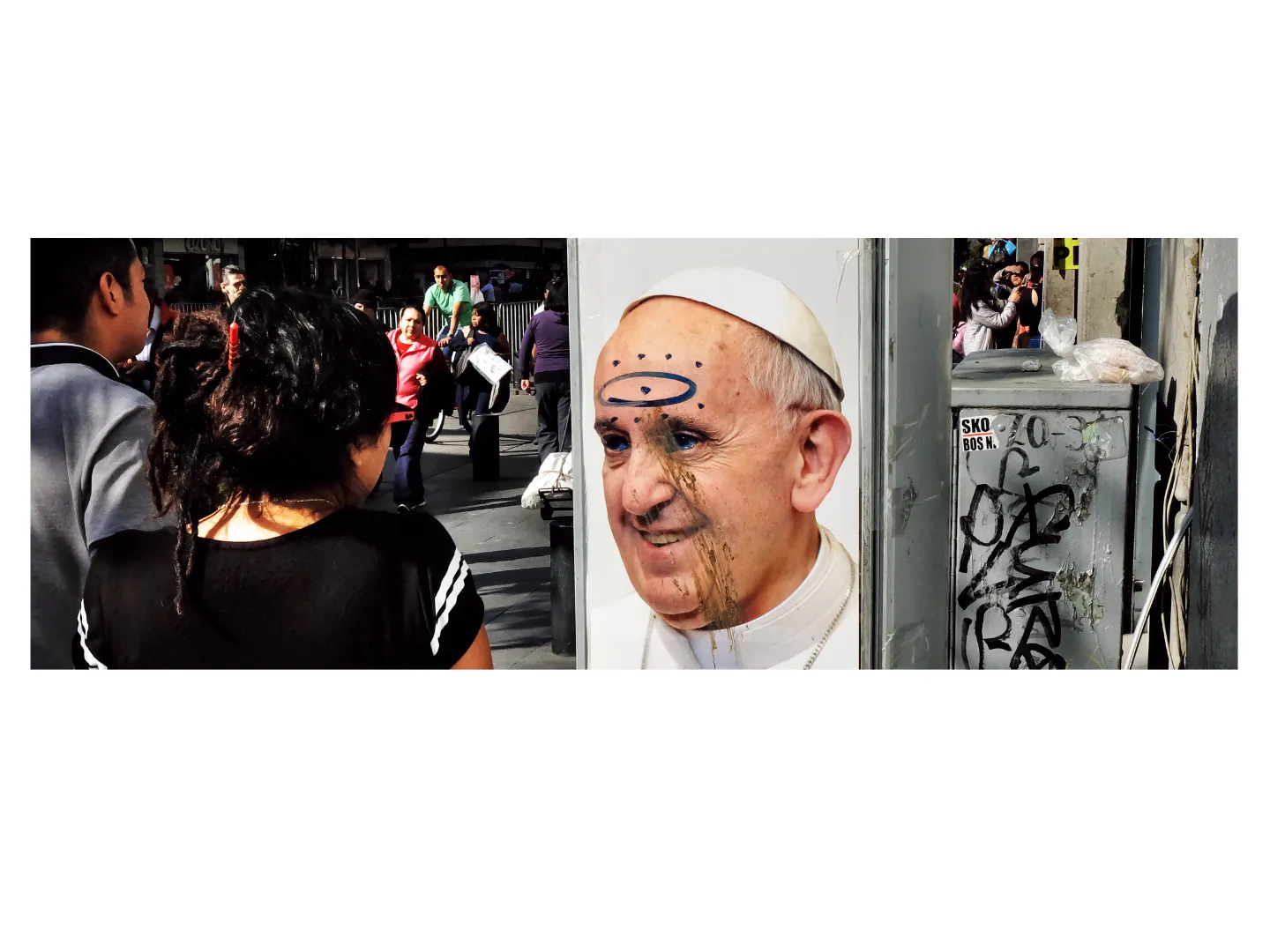
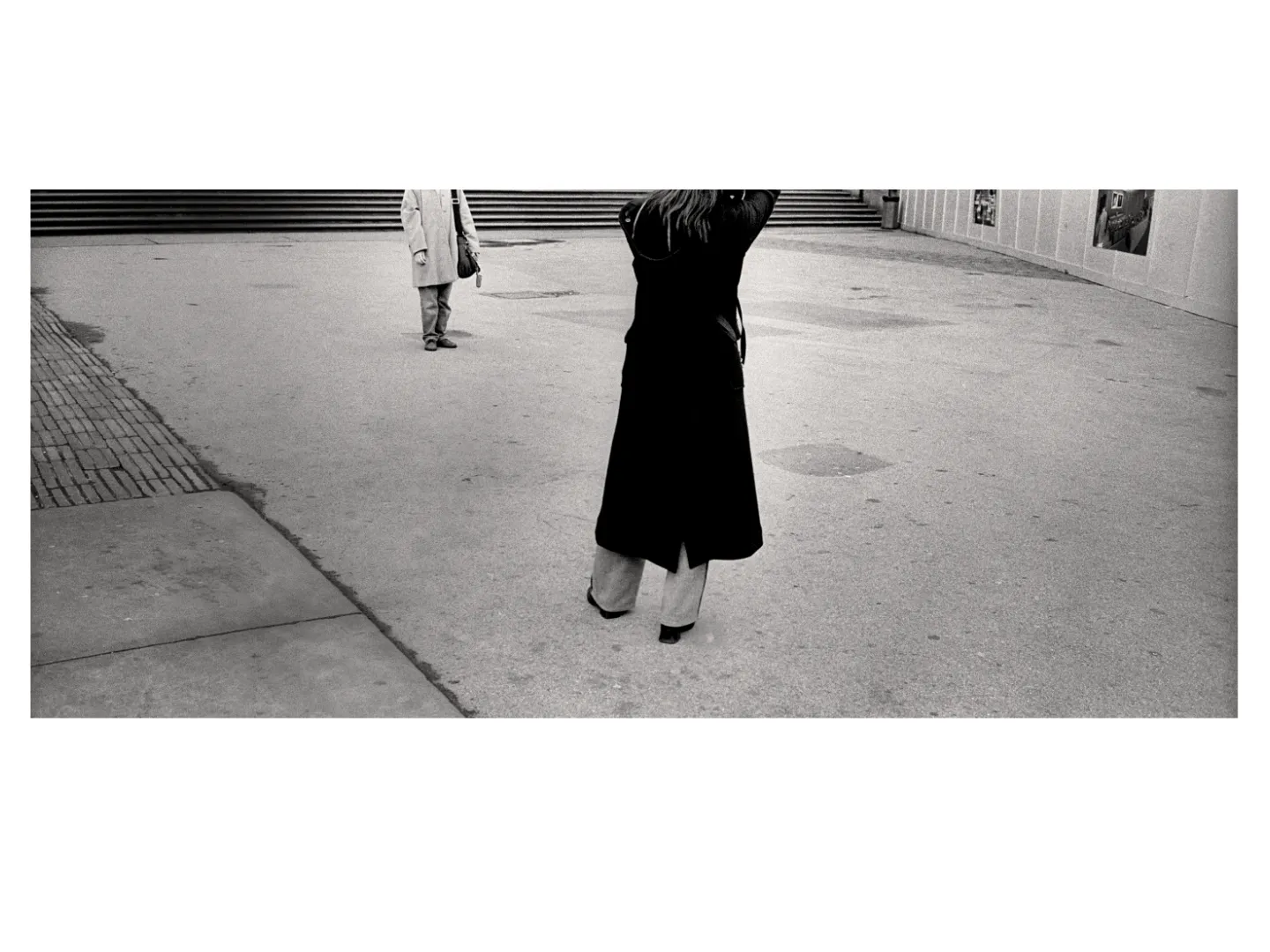
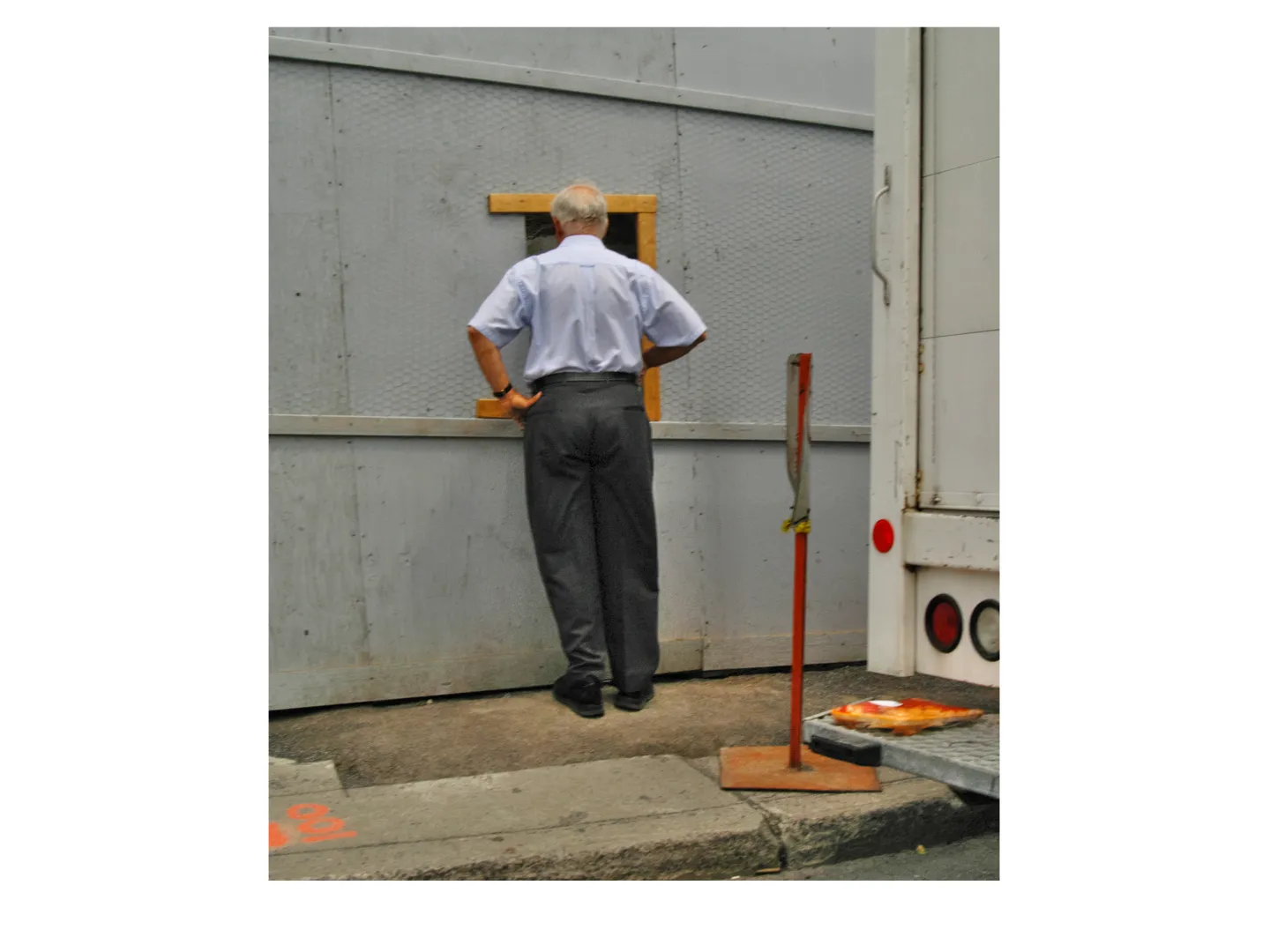
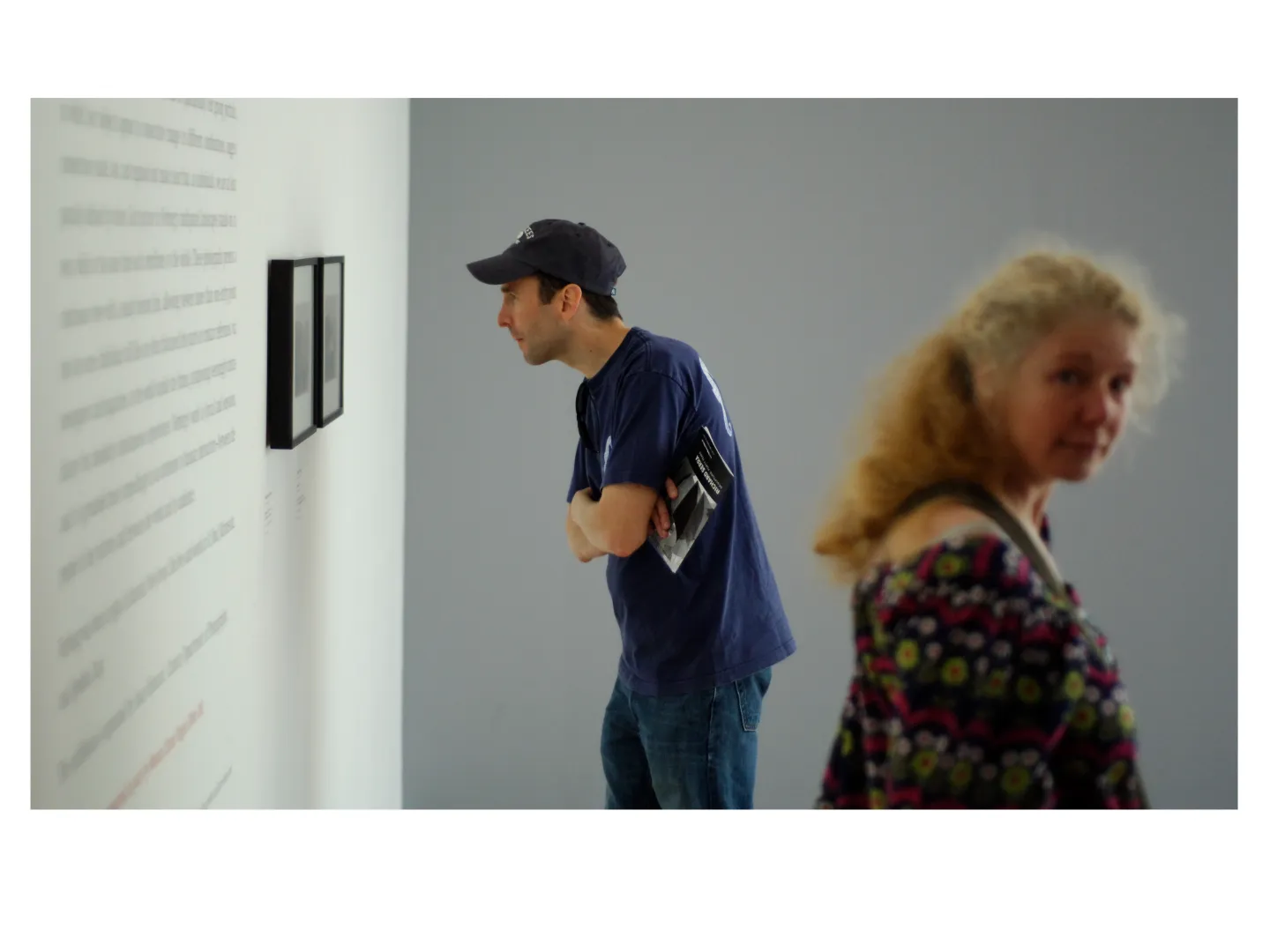
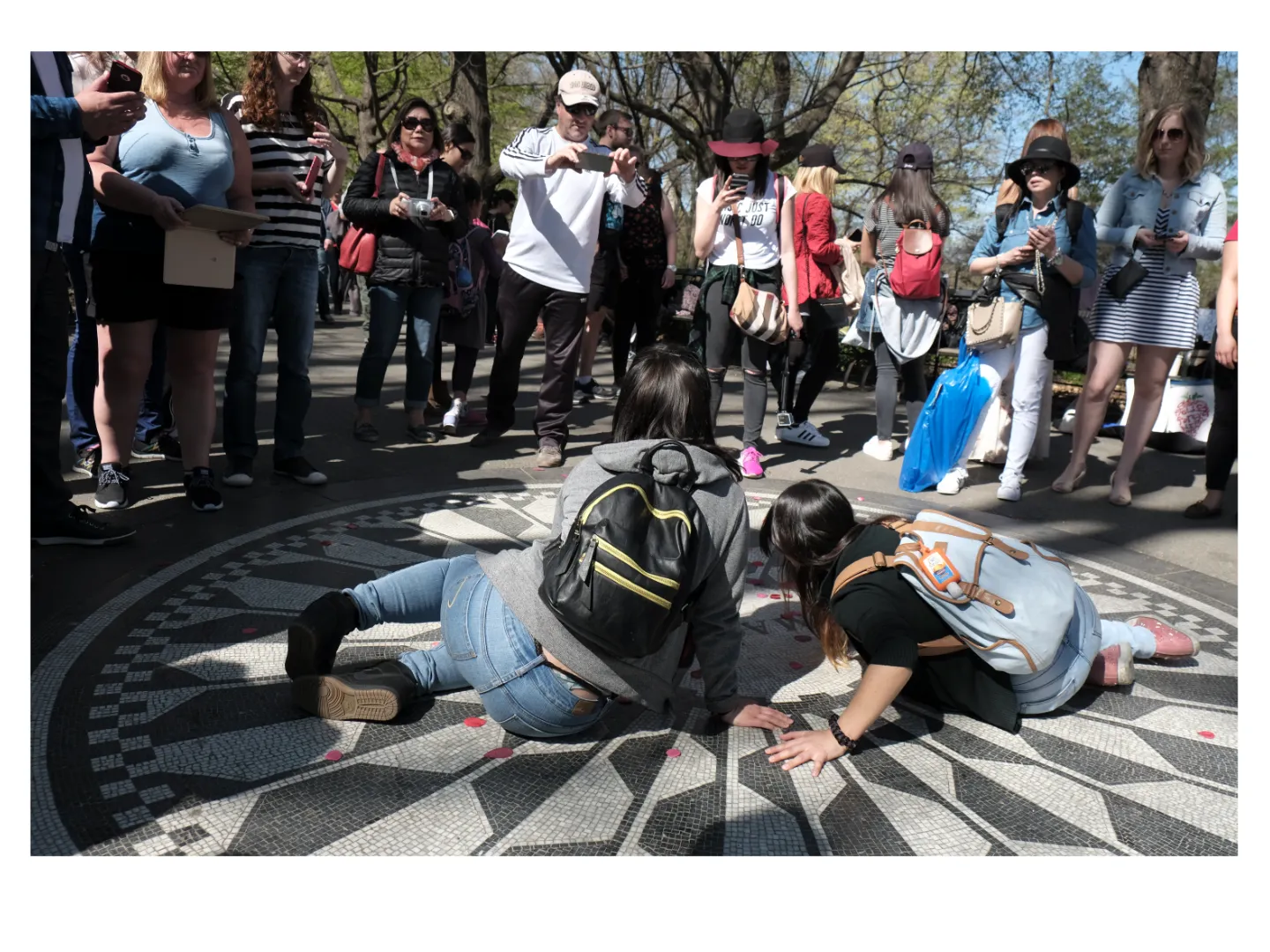
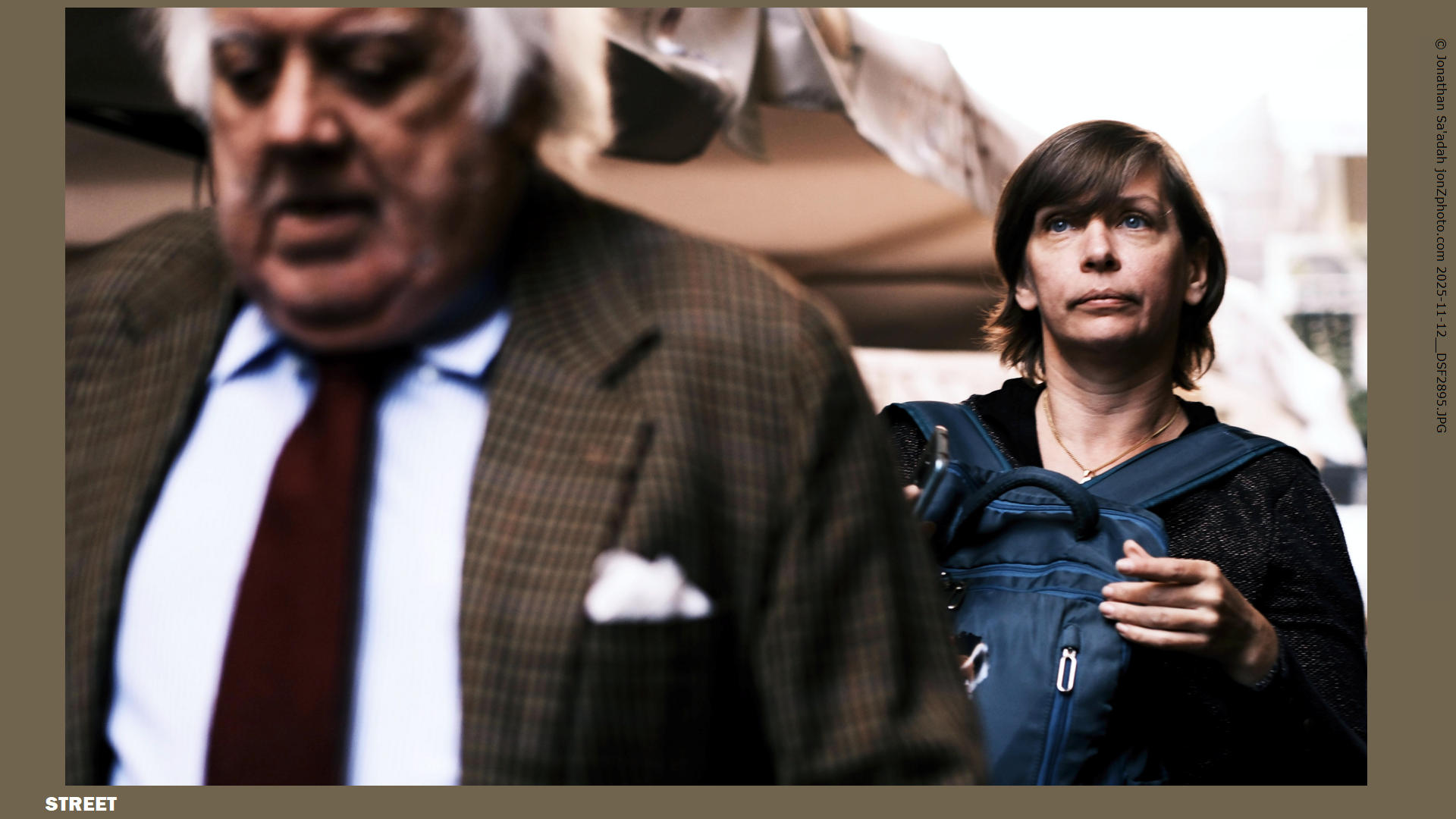
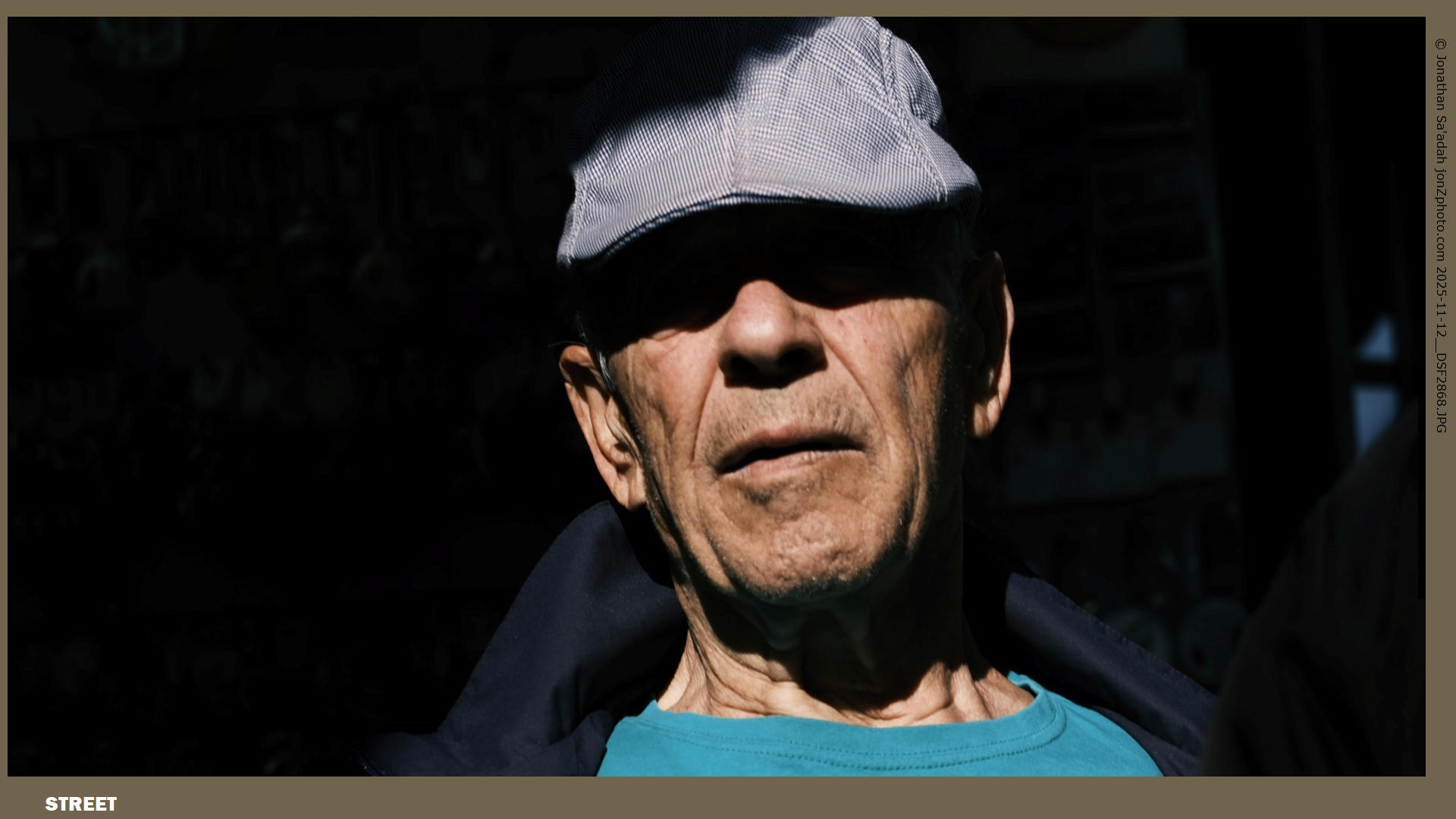
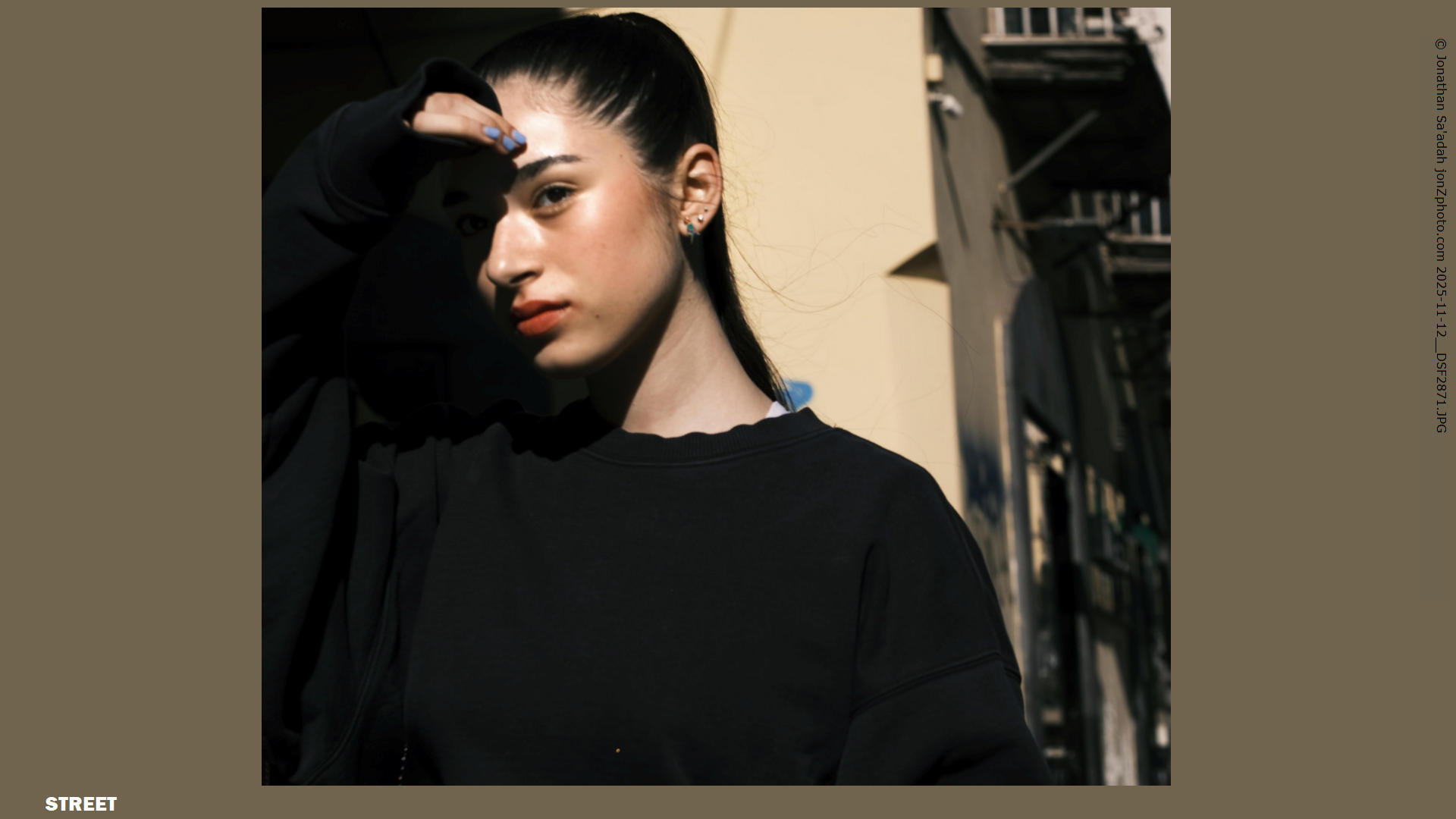
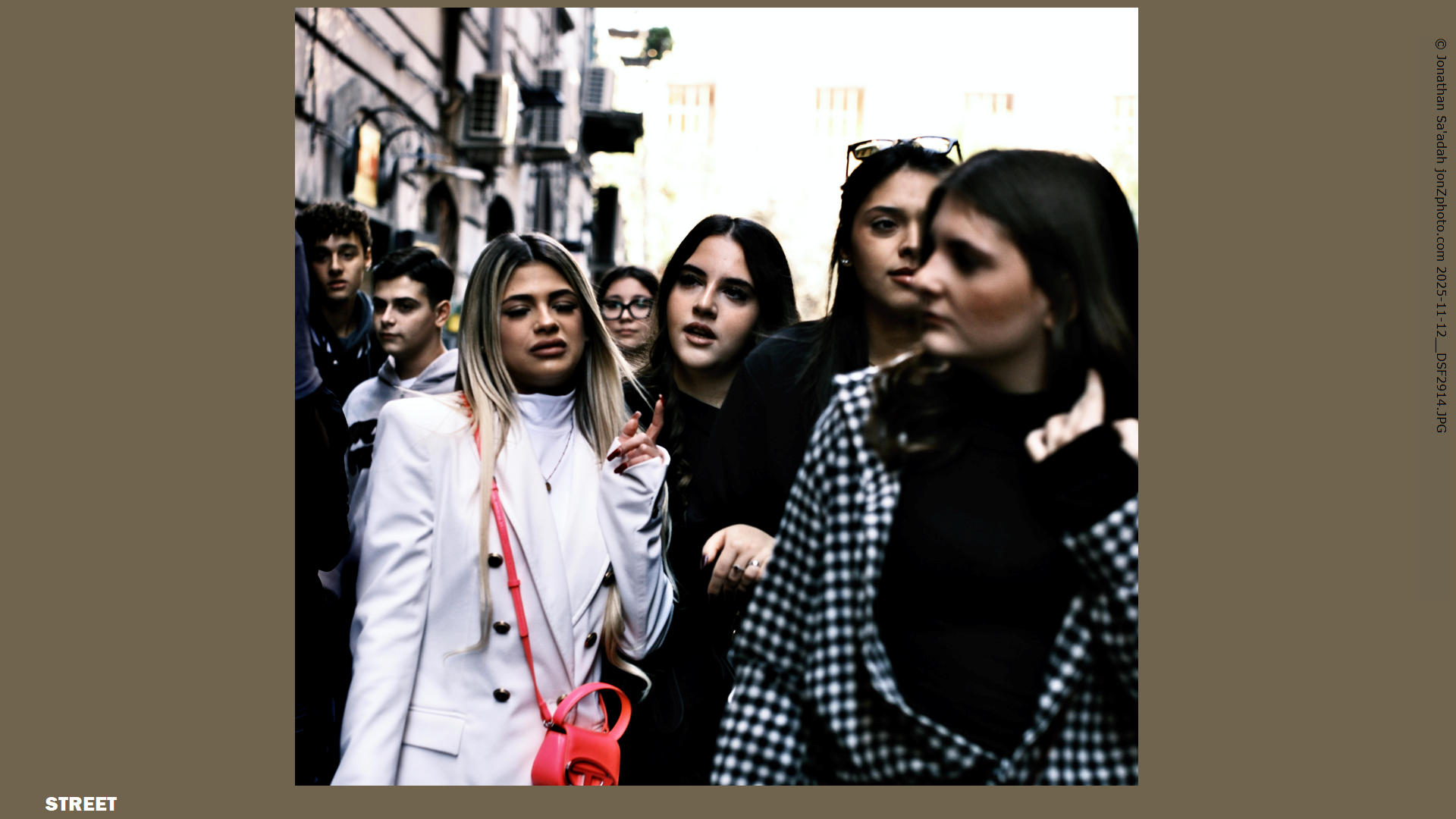
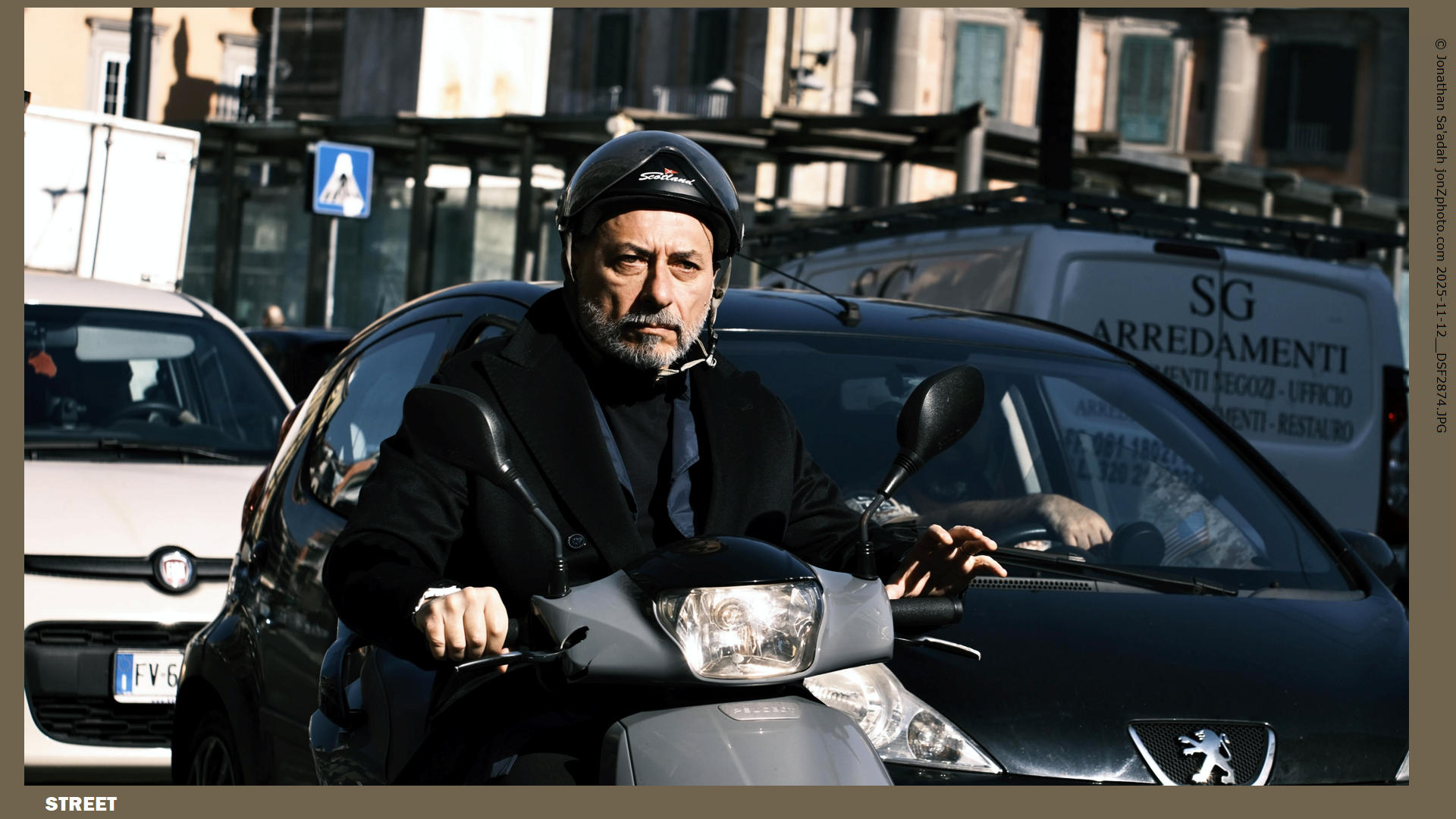
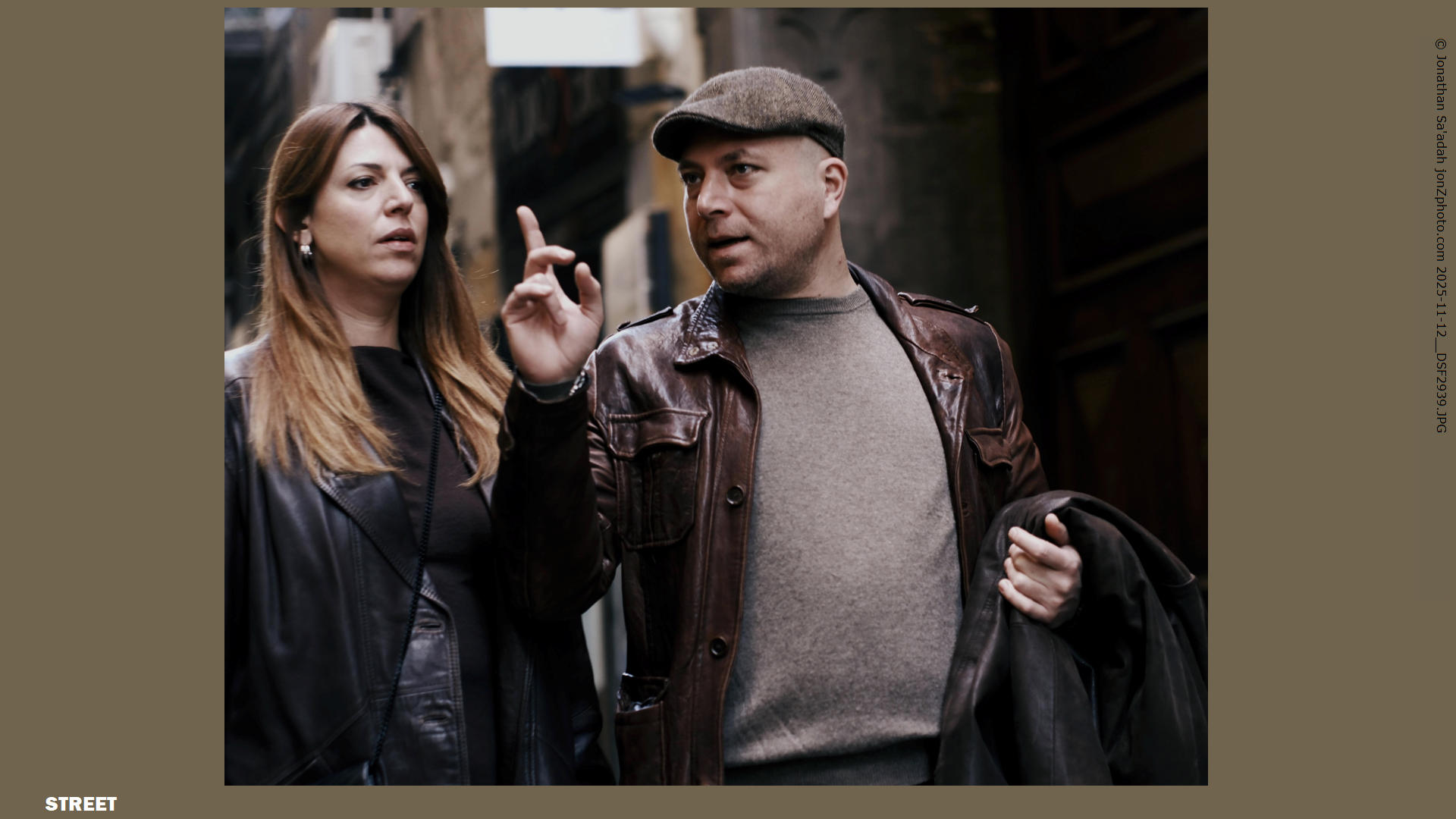
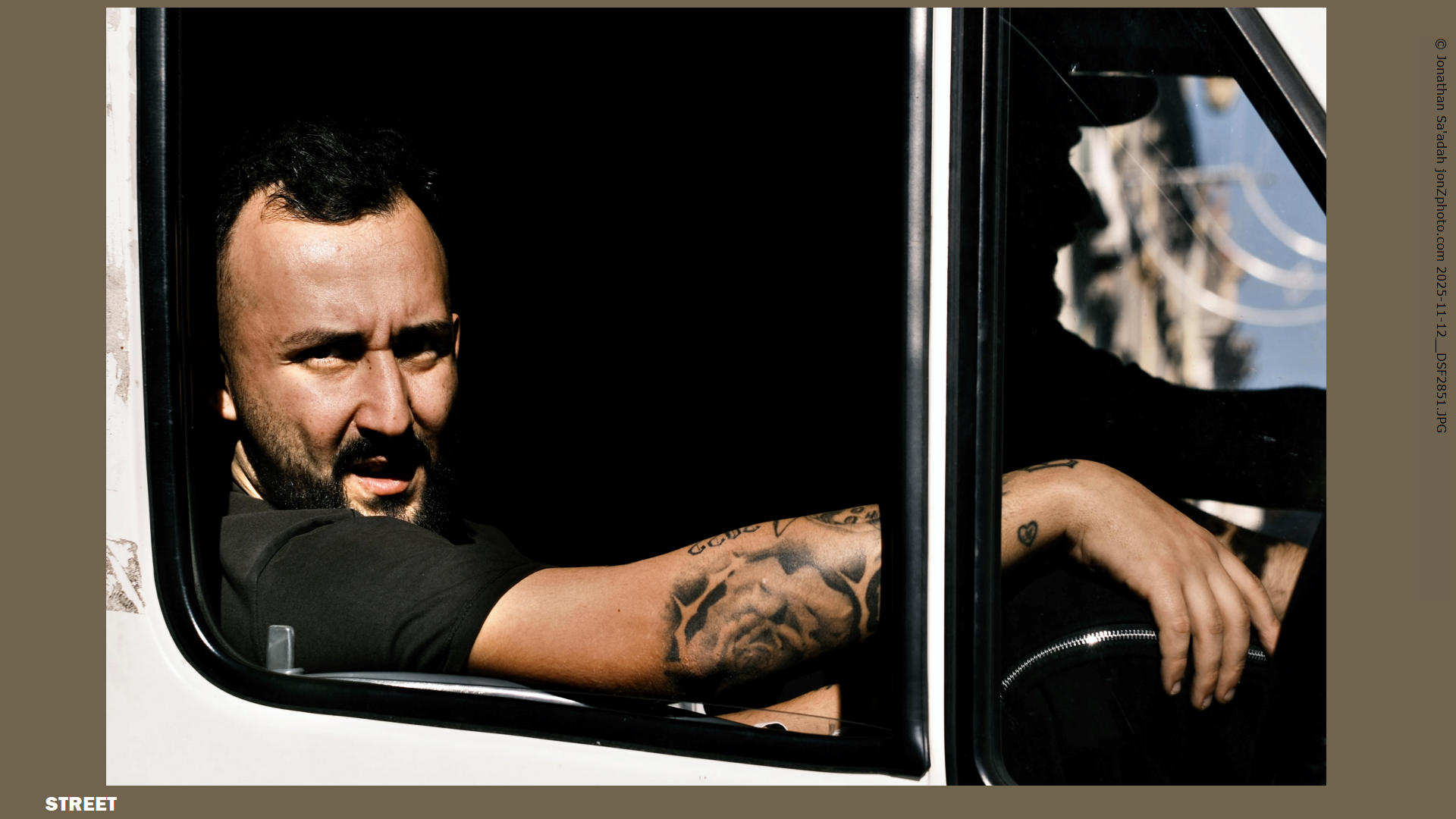
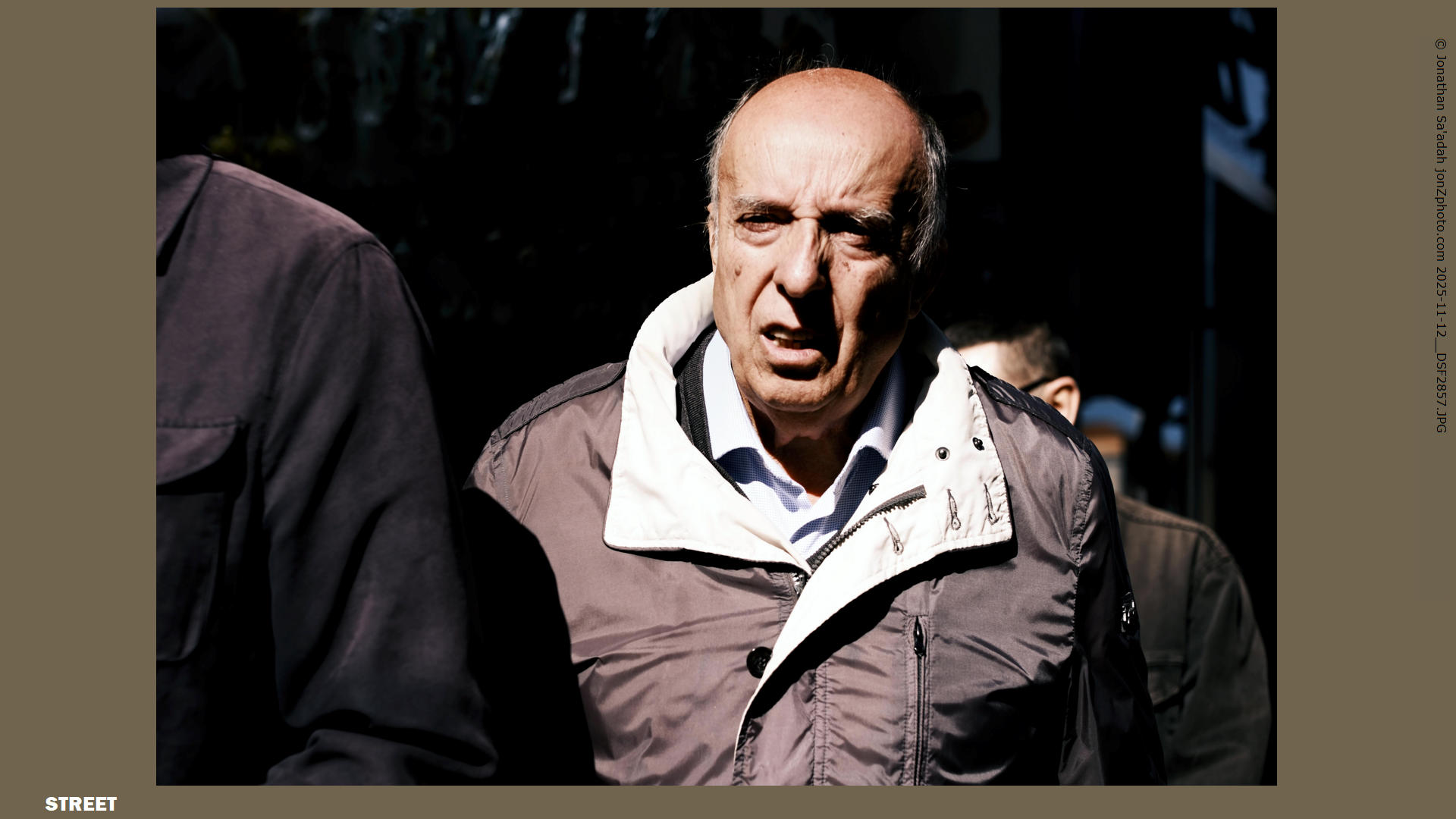
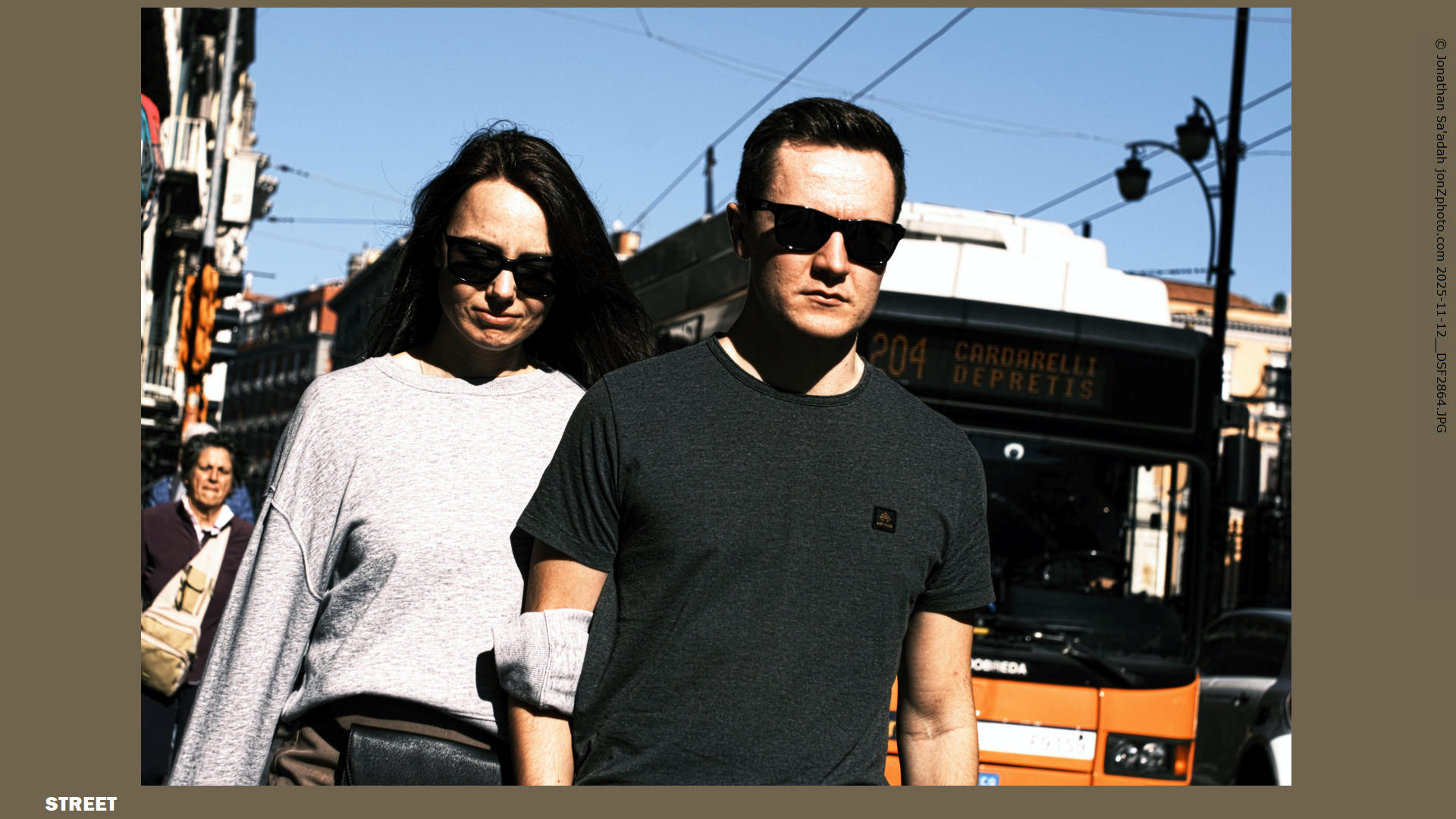
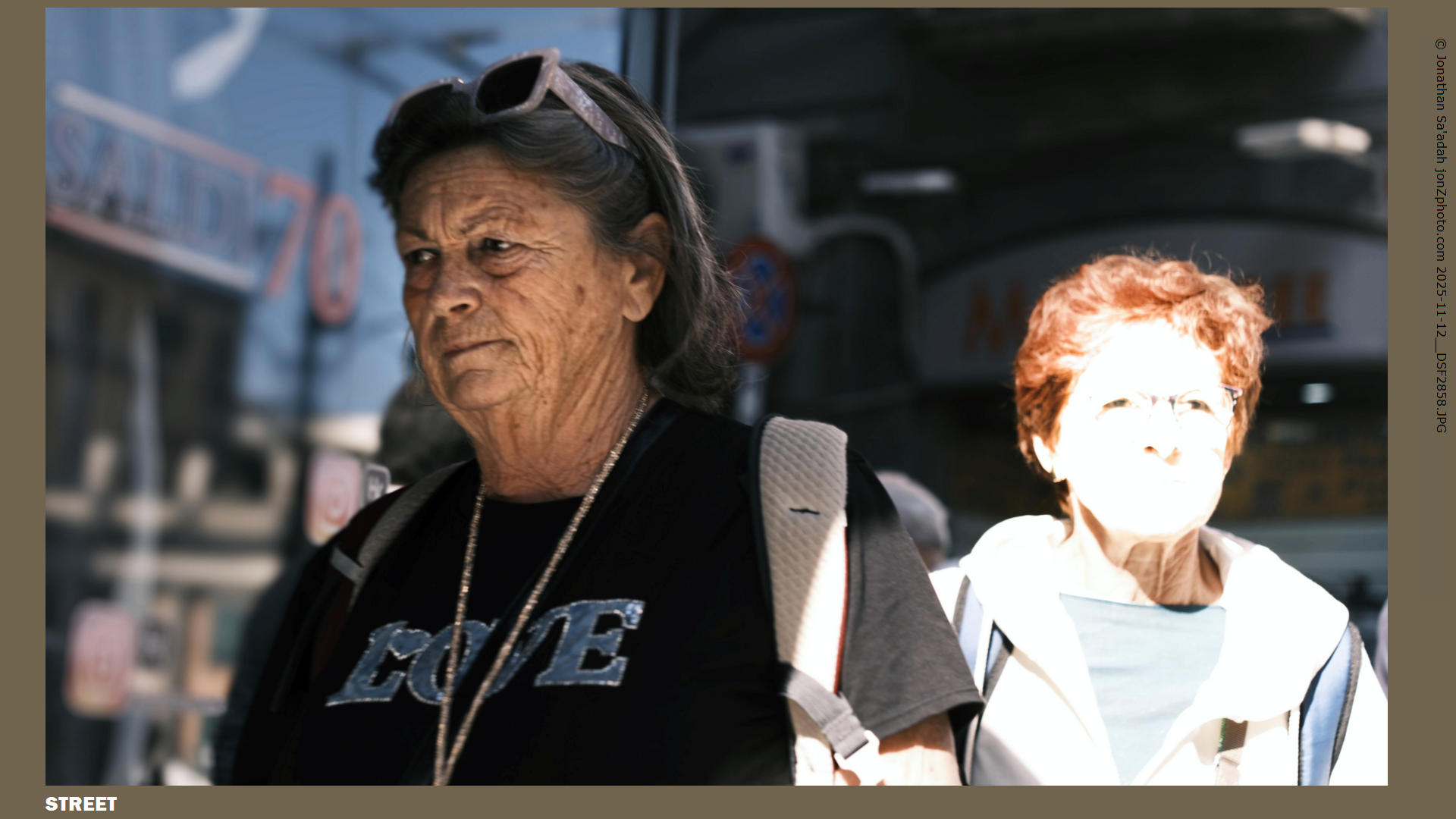
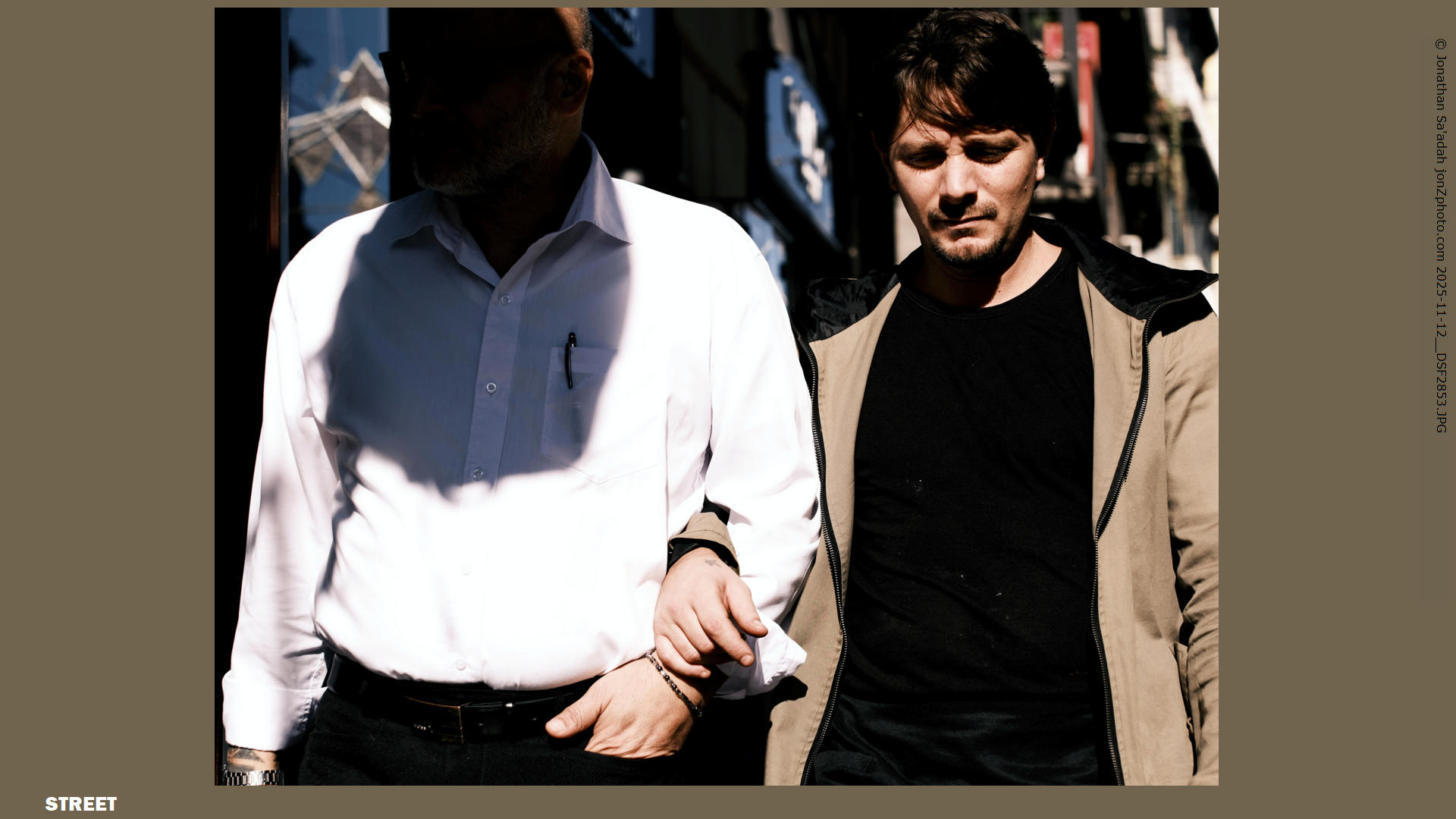
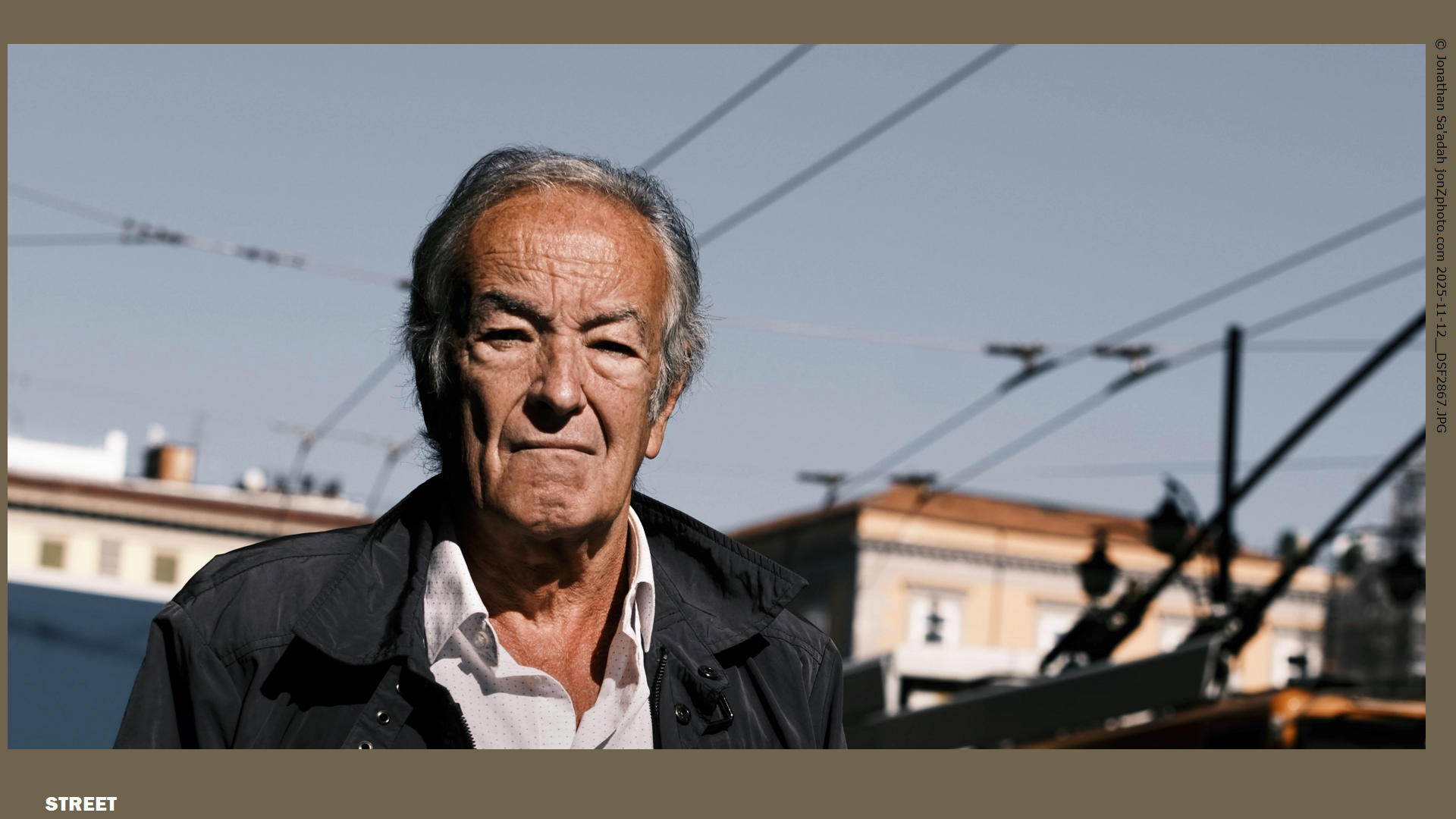
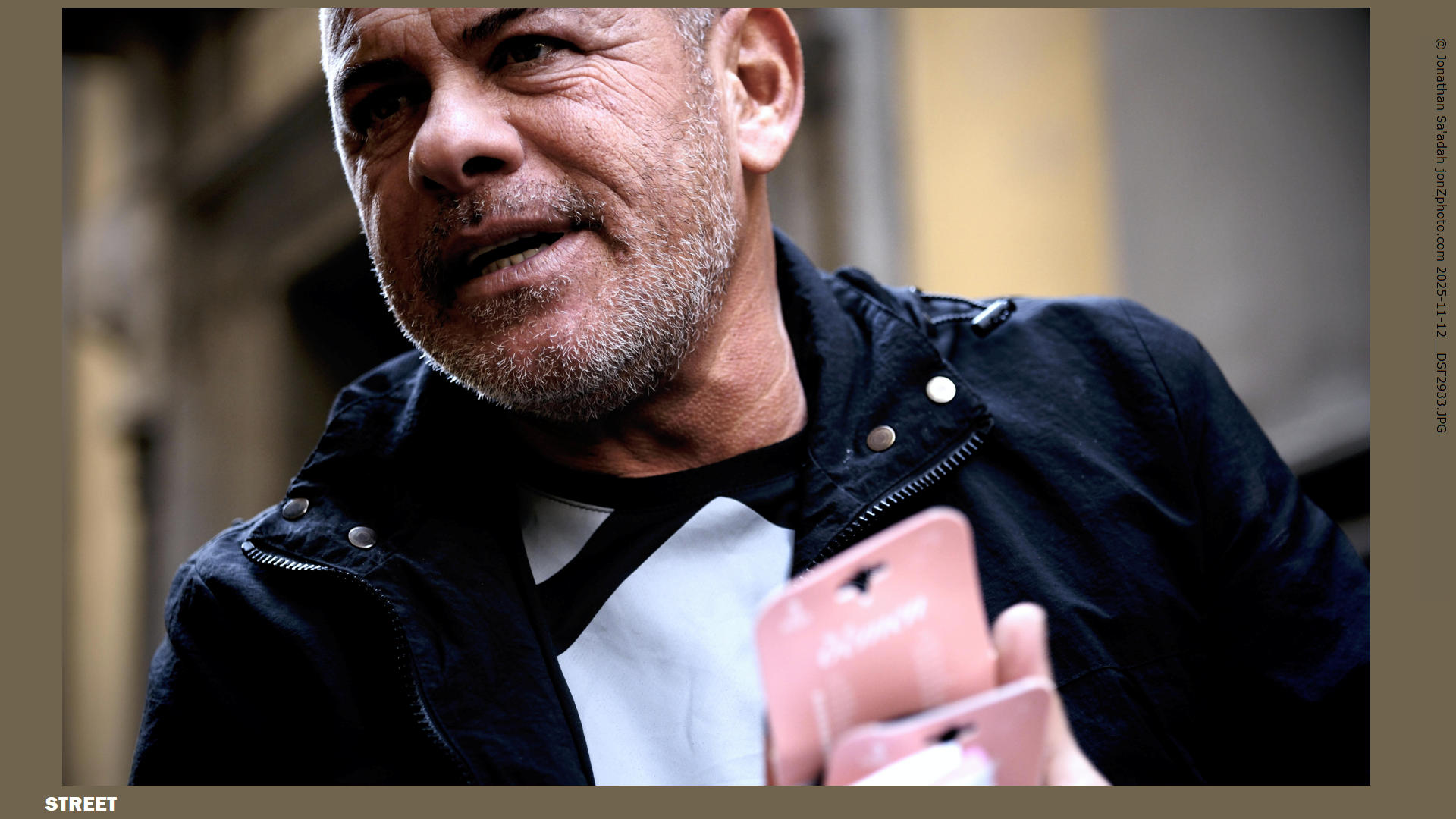
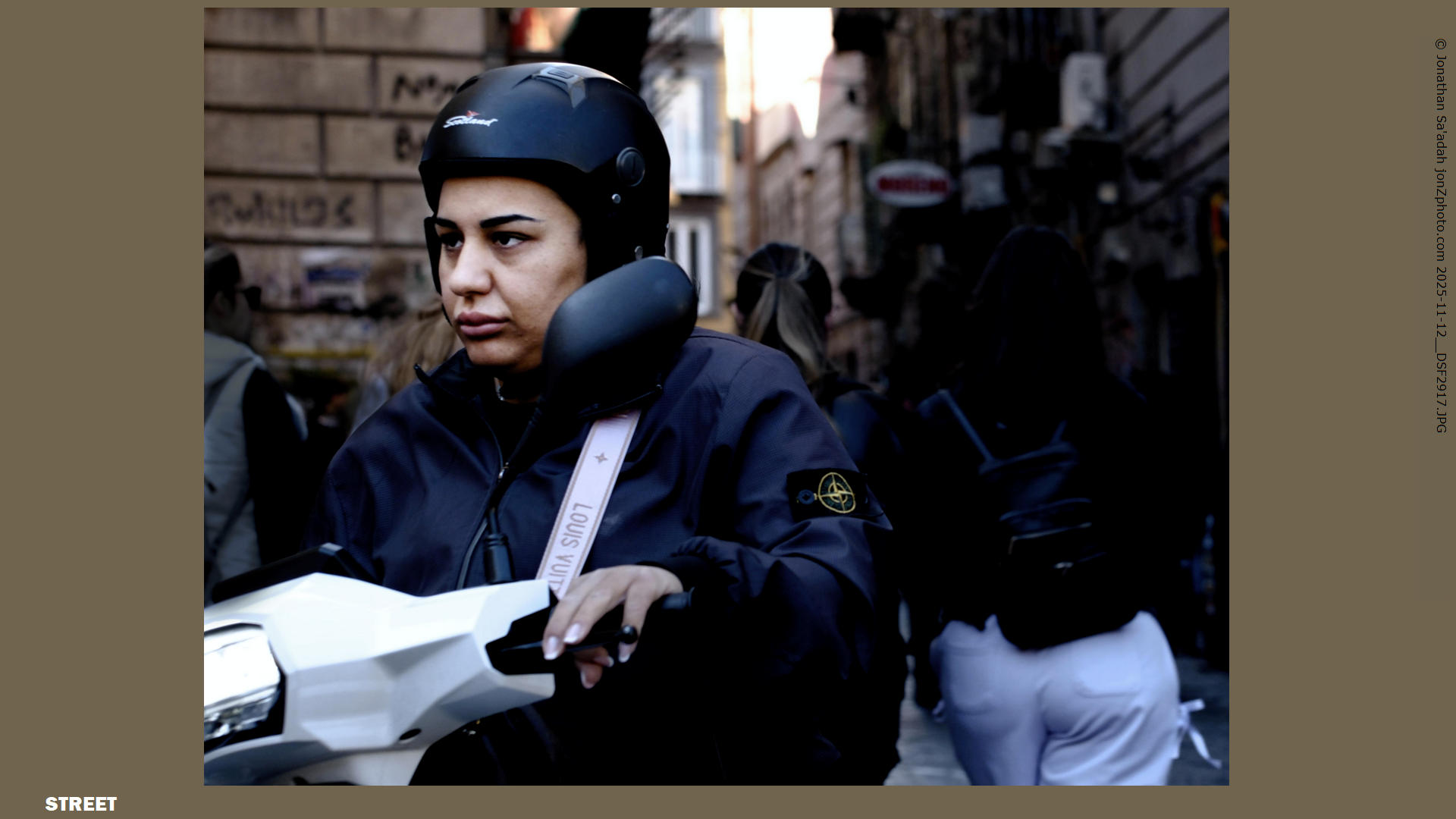
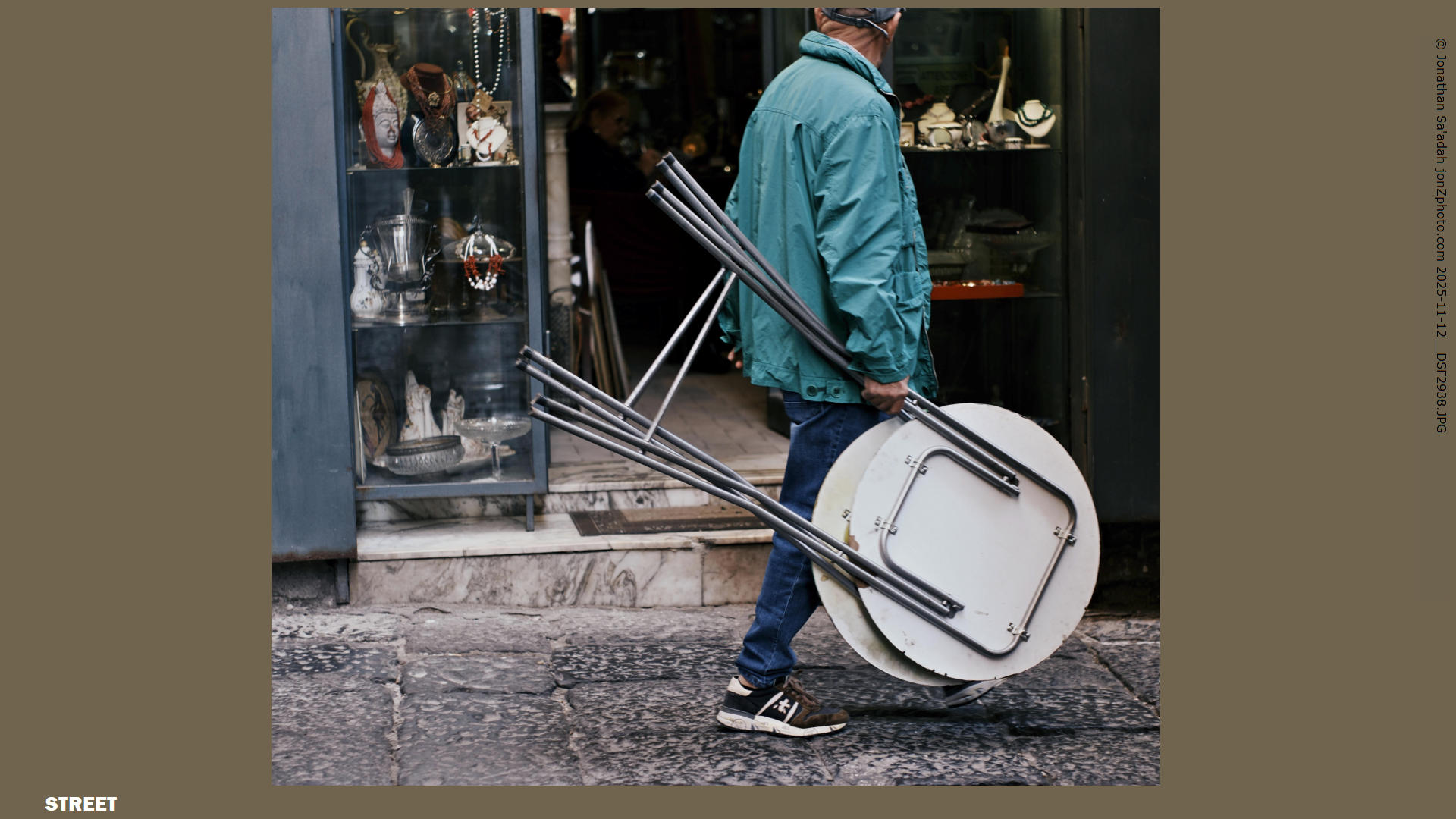
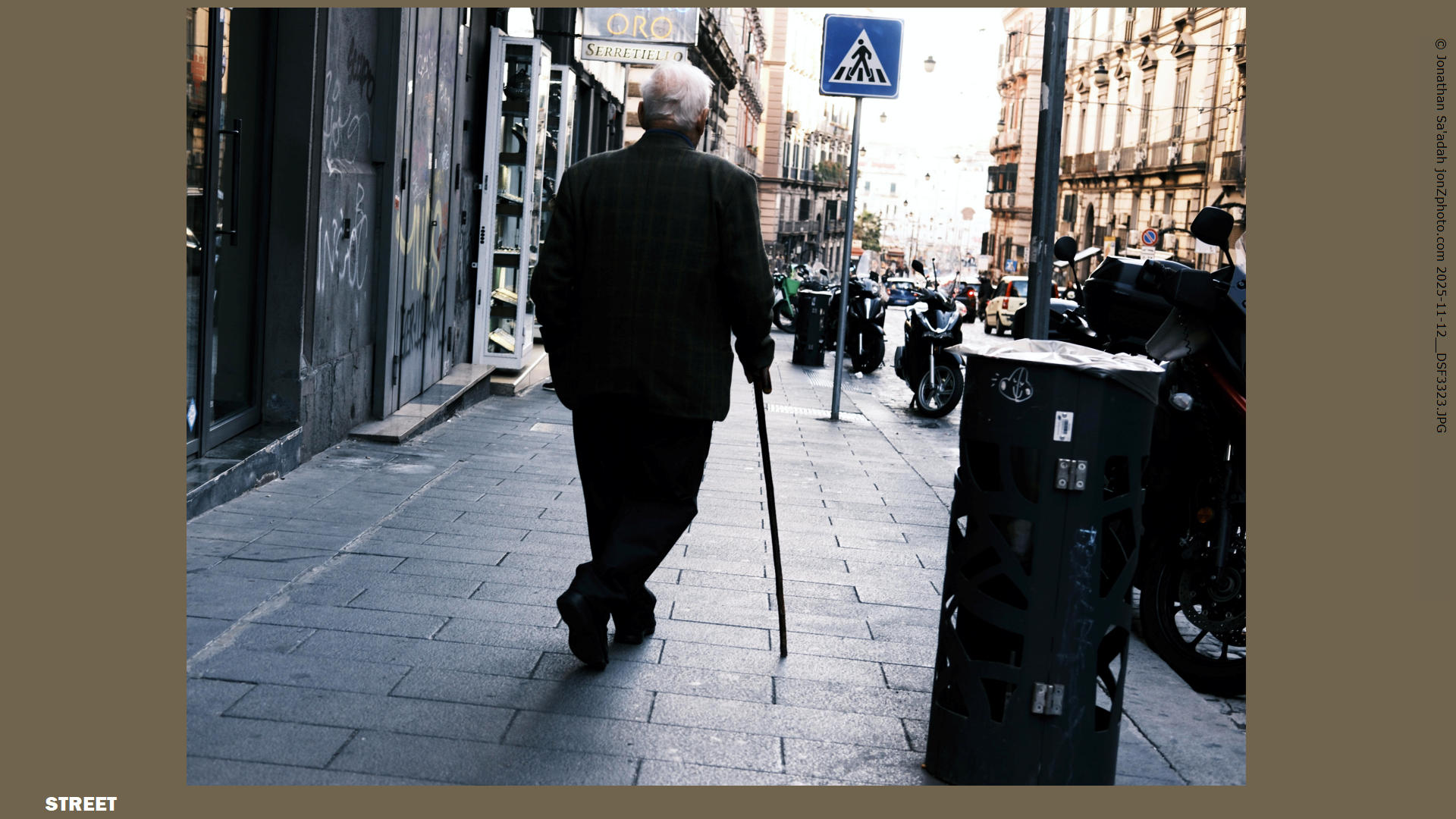
    From the time I started using a camera I’ve photographed people. Most of the time I’m completely open about what I’m doing, but I also like swinging the other direction and taking pictures where I’m more surreptitious and people are unaware of the camera. When miniature cameras came into play in the 1930s photographers quickly took advantage of their size to photograph unobtrusively in public spaces. I did too – some of my earliest photographs were street photographs. At the time I didn’t know anything about Walker Evans or Helen Levitt or really any of the history of the medium. To me it was exciting to take un-posed photographs. I liked the serendipity and the interplay with coincidence which lies at the heart of street photography. It shaped both how I shoot and my attraction to the medium’s mystique. Unlike most photographic genres, which often involve contemplation and thought, using my camera on the street unfolds the uncontrolled theatre of everyday life. I photograph in this environment not as a director, but as a responsive observer, being alert to the fleeting alignments that appear without warning and vanish in an instant. For me, serendipity is not just a pleasant surprise; it’s what gives the best photographs lasting meaning.

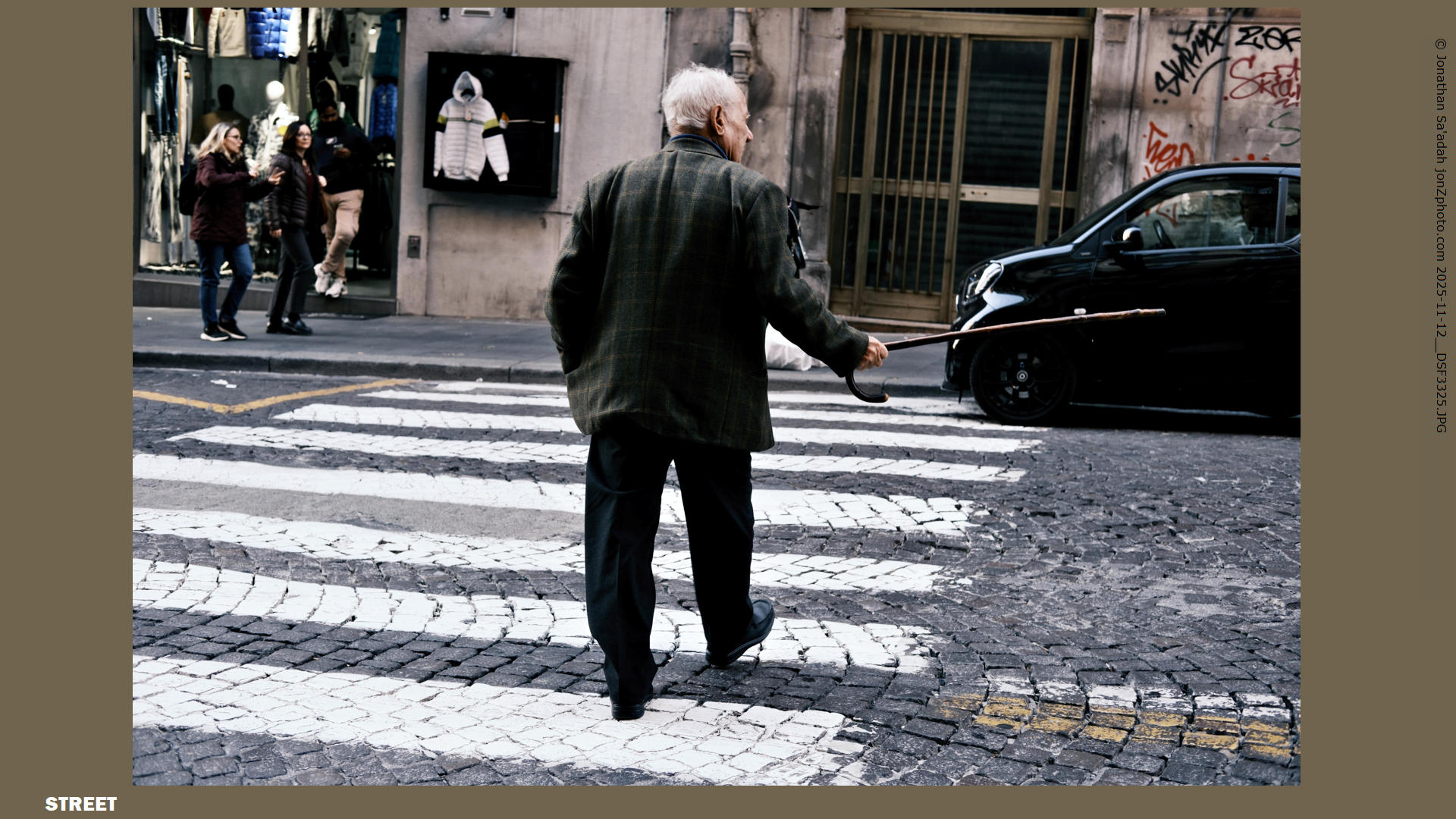
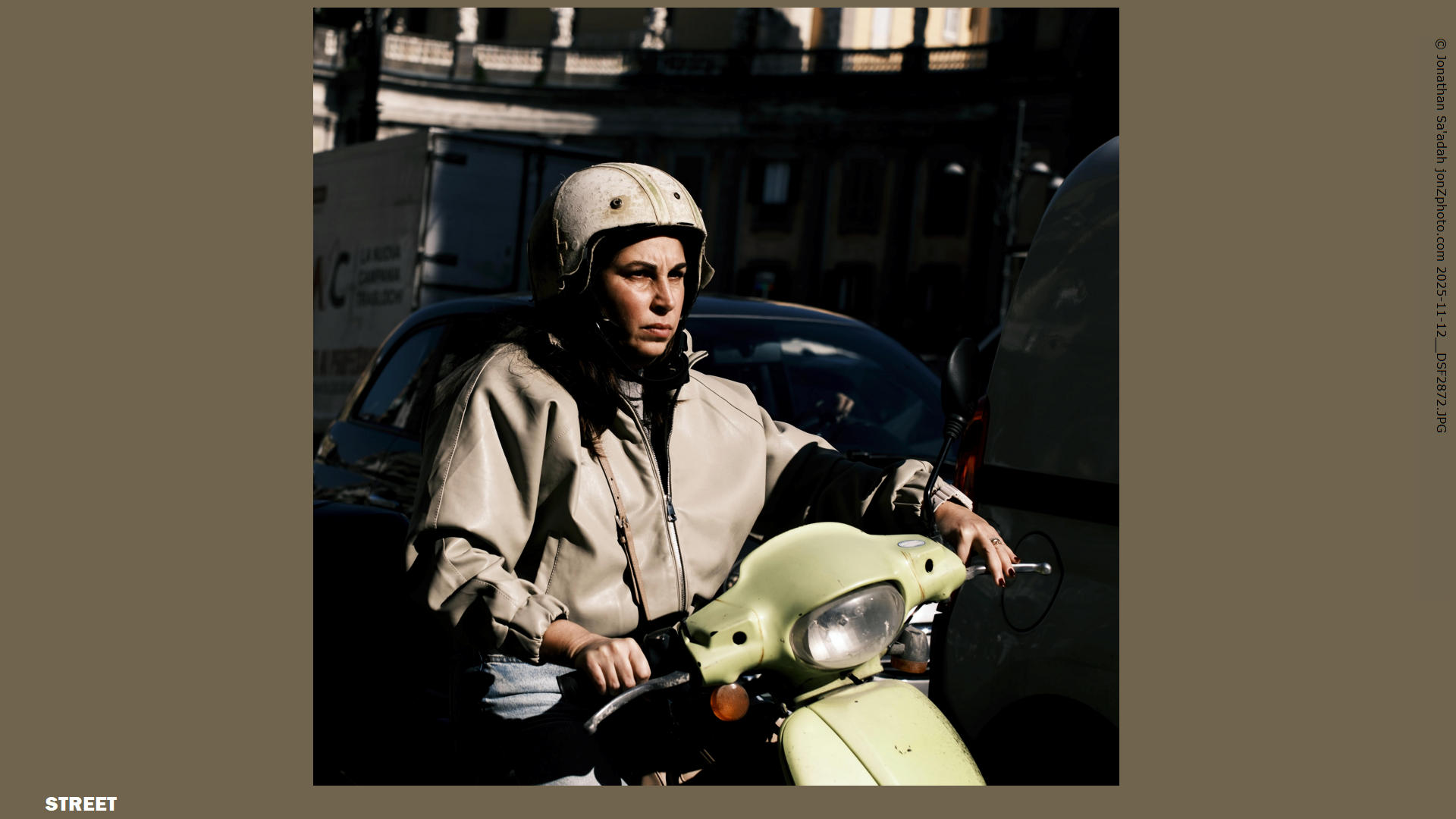
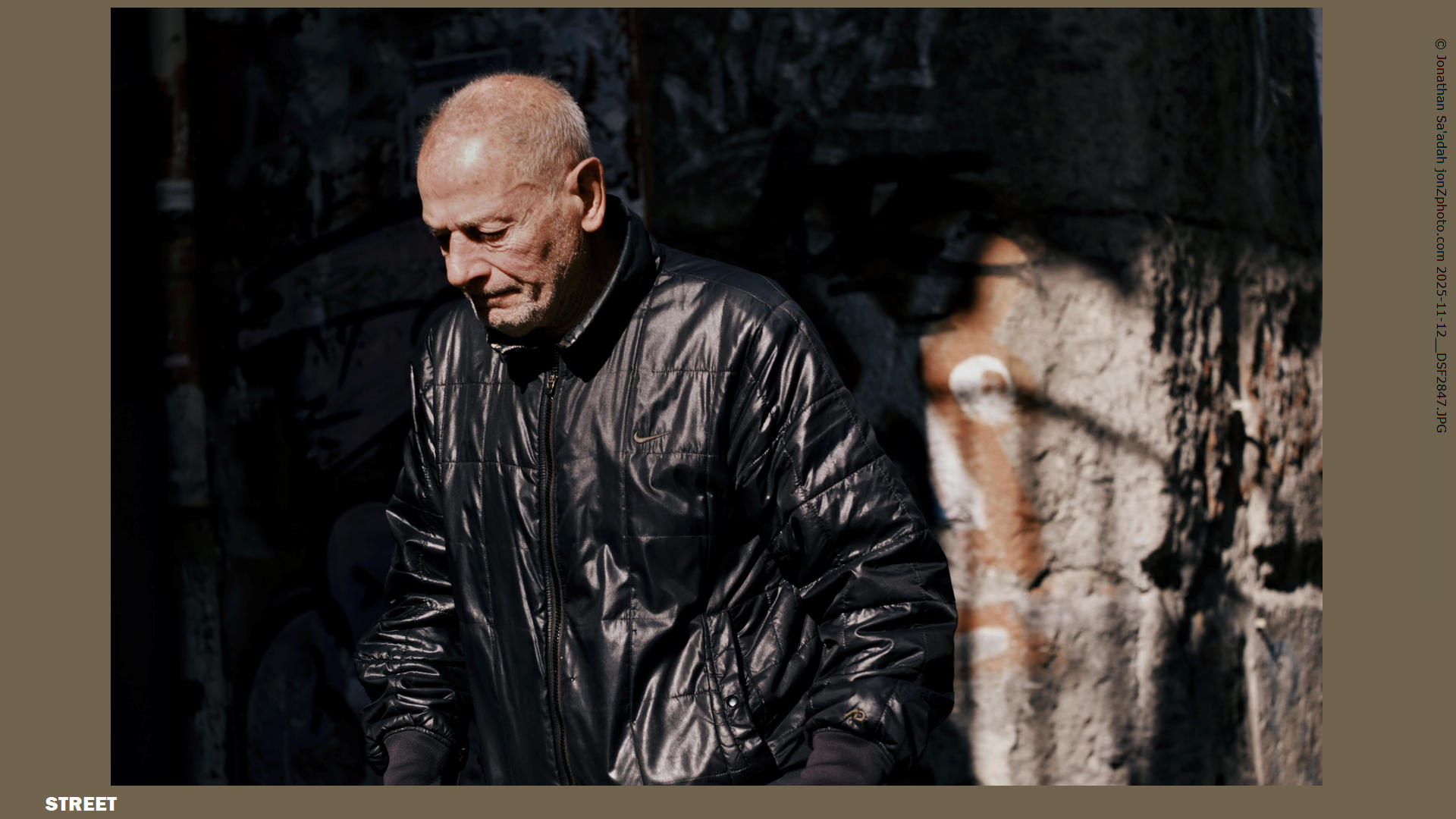
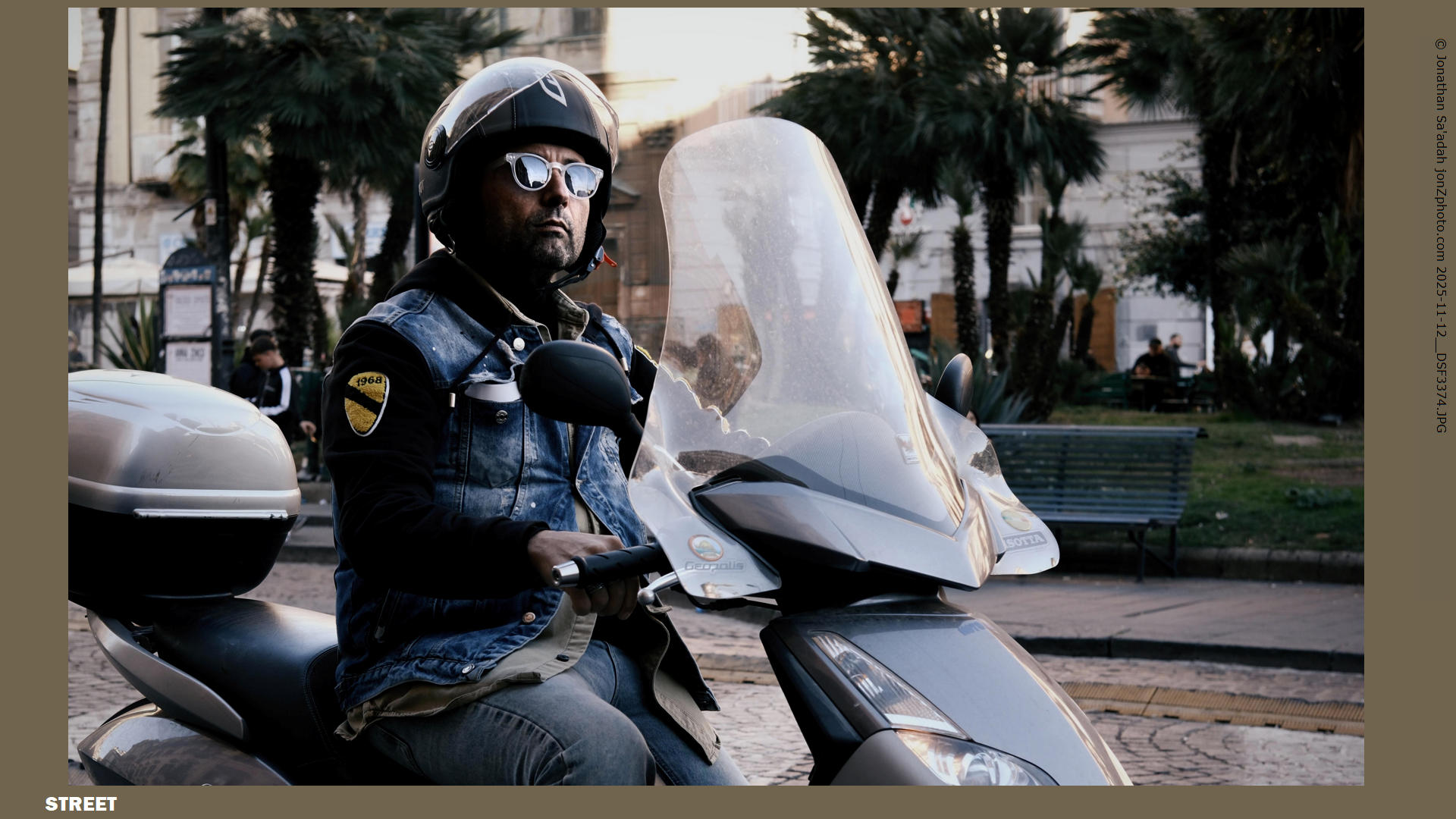
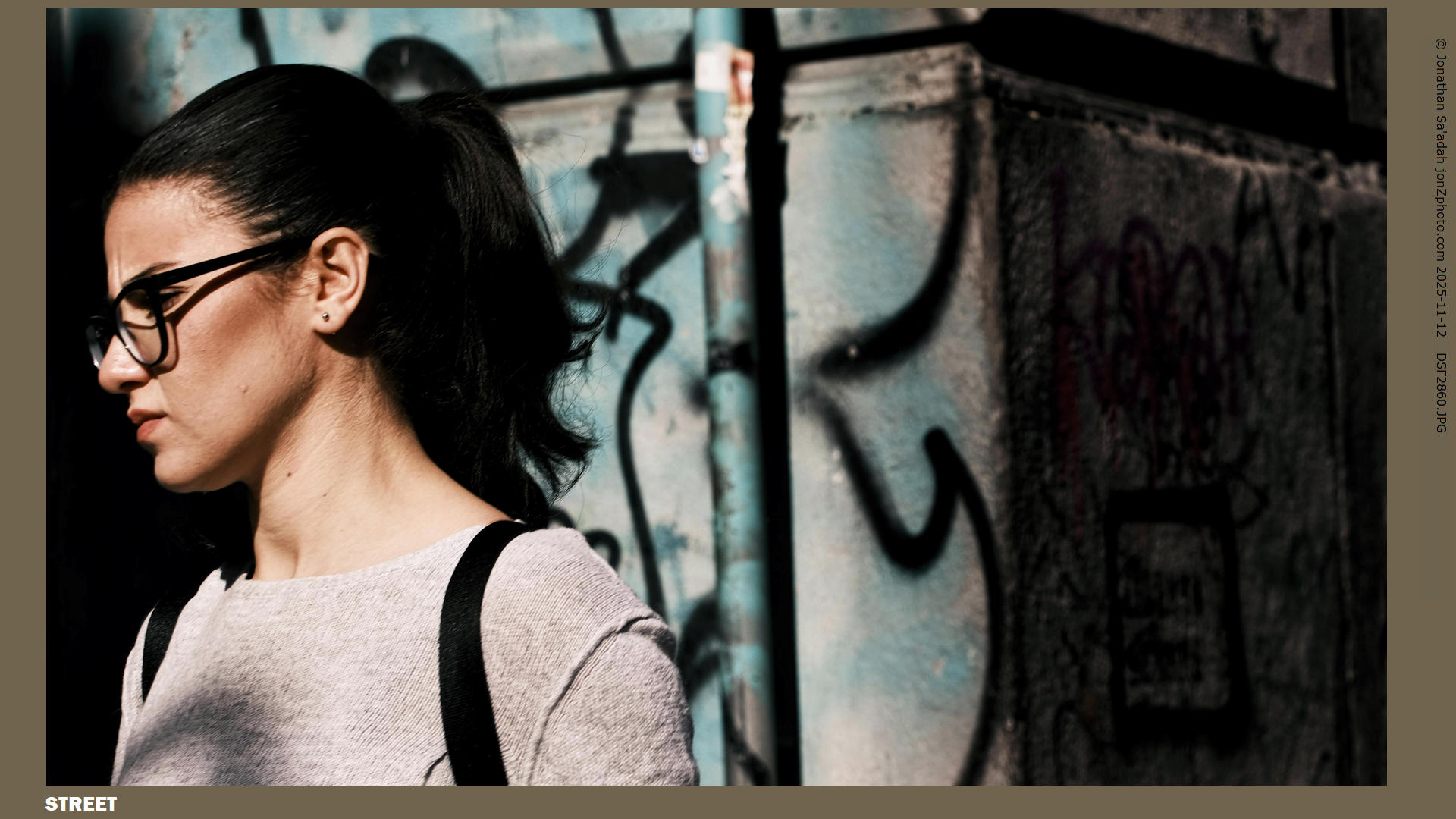
    At first glance, it is tempting even for me to describe these moments as “luck.” A person steps into strong light with graffiti in the background that mirrors their fashion, couples march arm in arm lost in the urban landscape, a glance or gesture becomes an unexpected moment. I happen to be present, at precisely the right time. Yet if I stop at luck, I misunderstand my own role. Serendipity is less about random fortune and more about the meeting point between chance and my readiness.

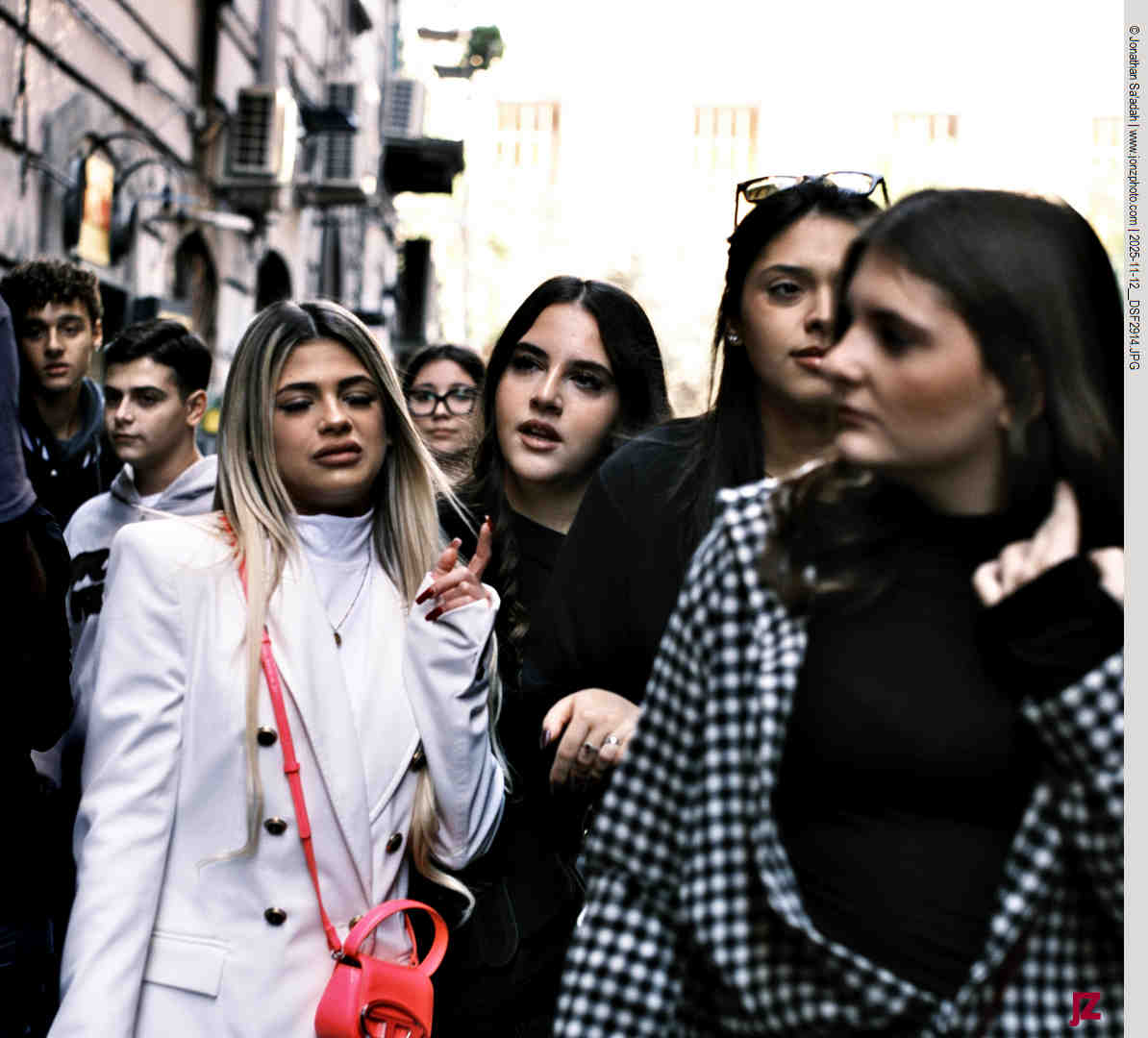
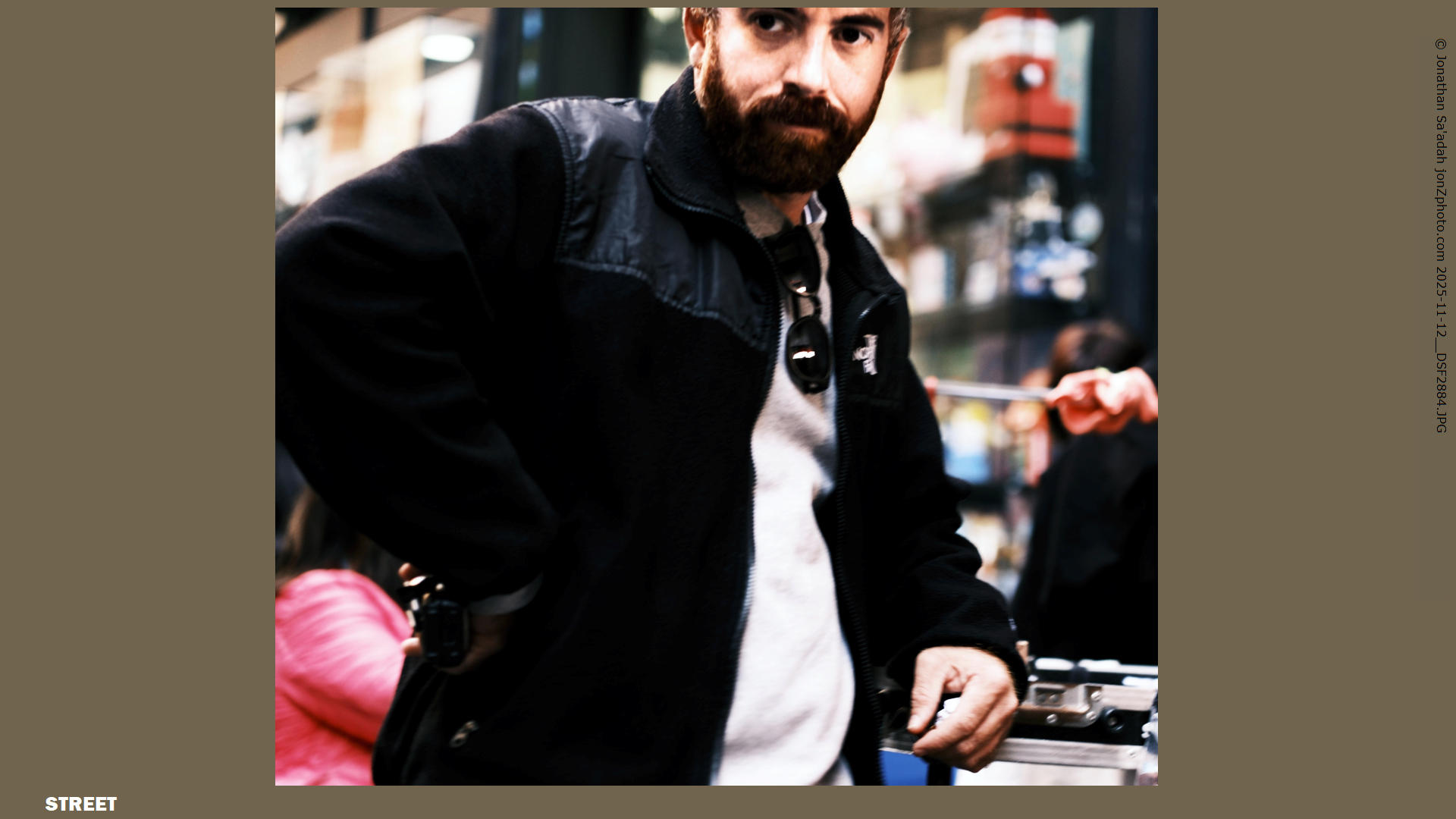
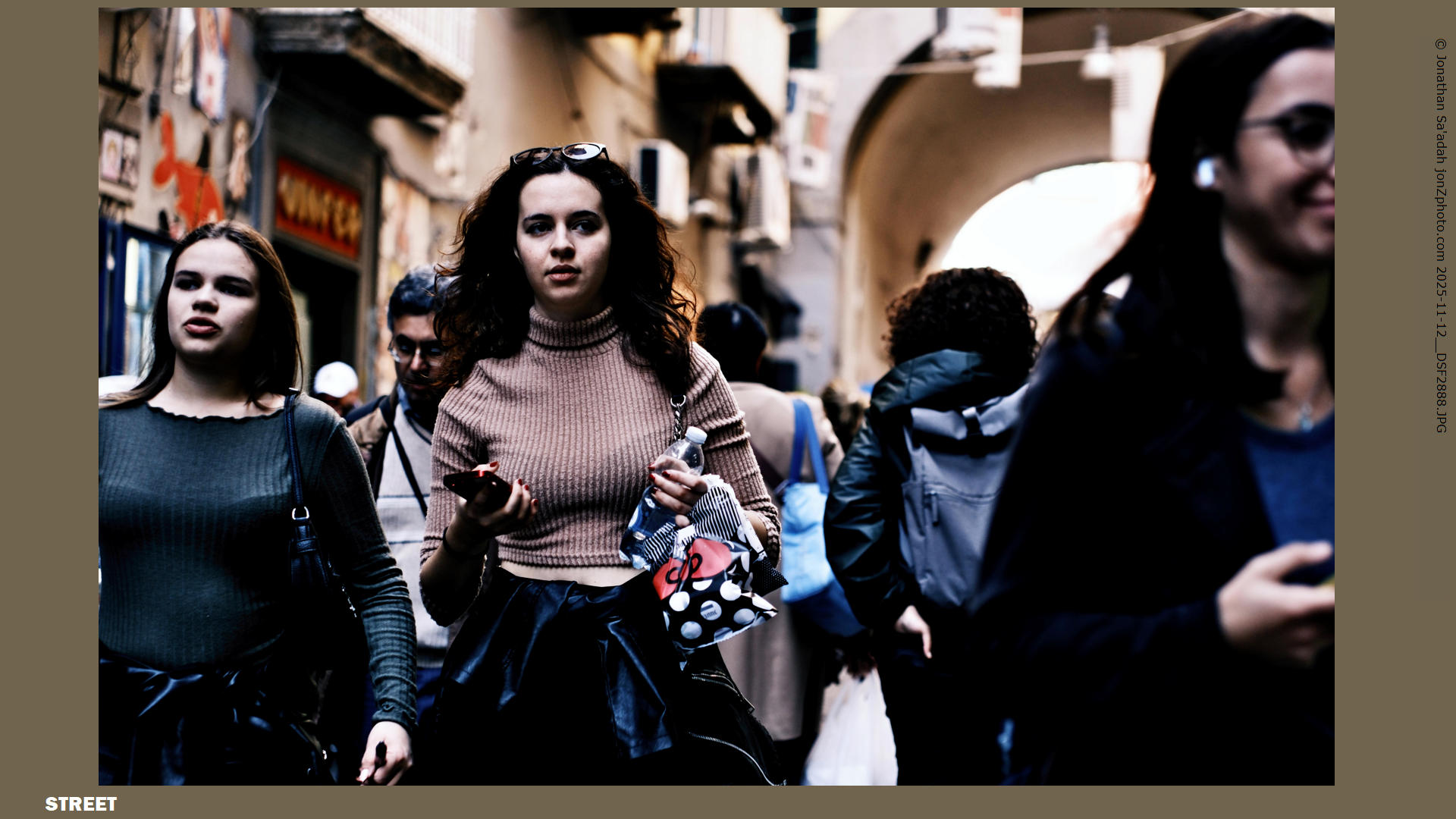
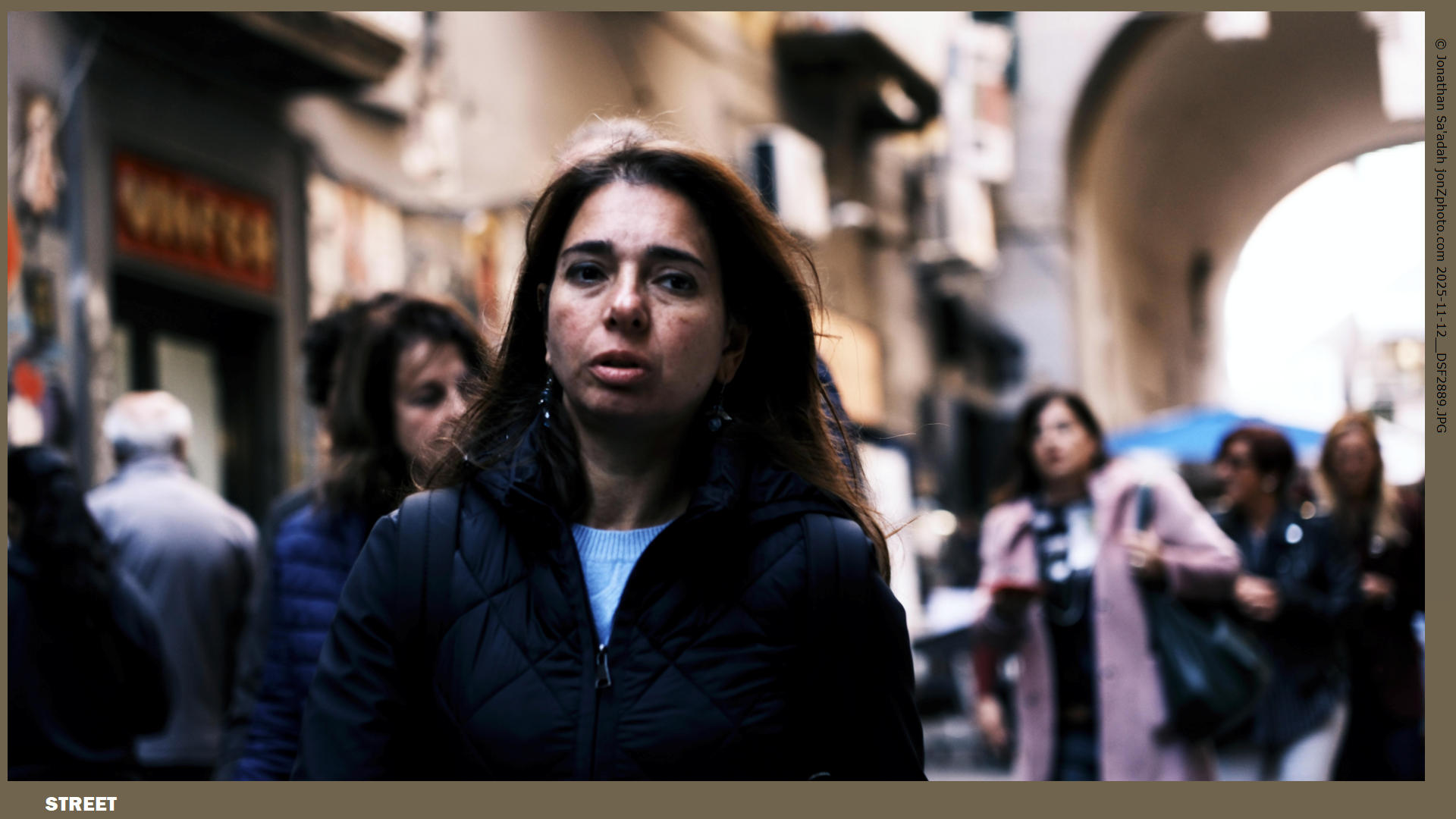
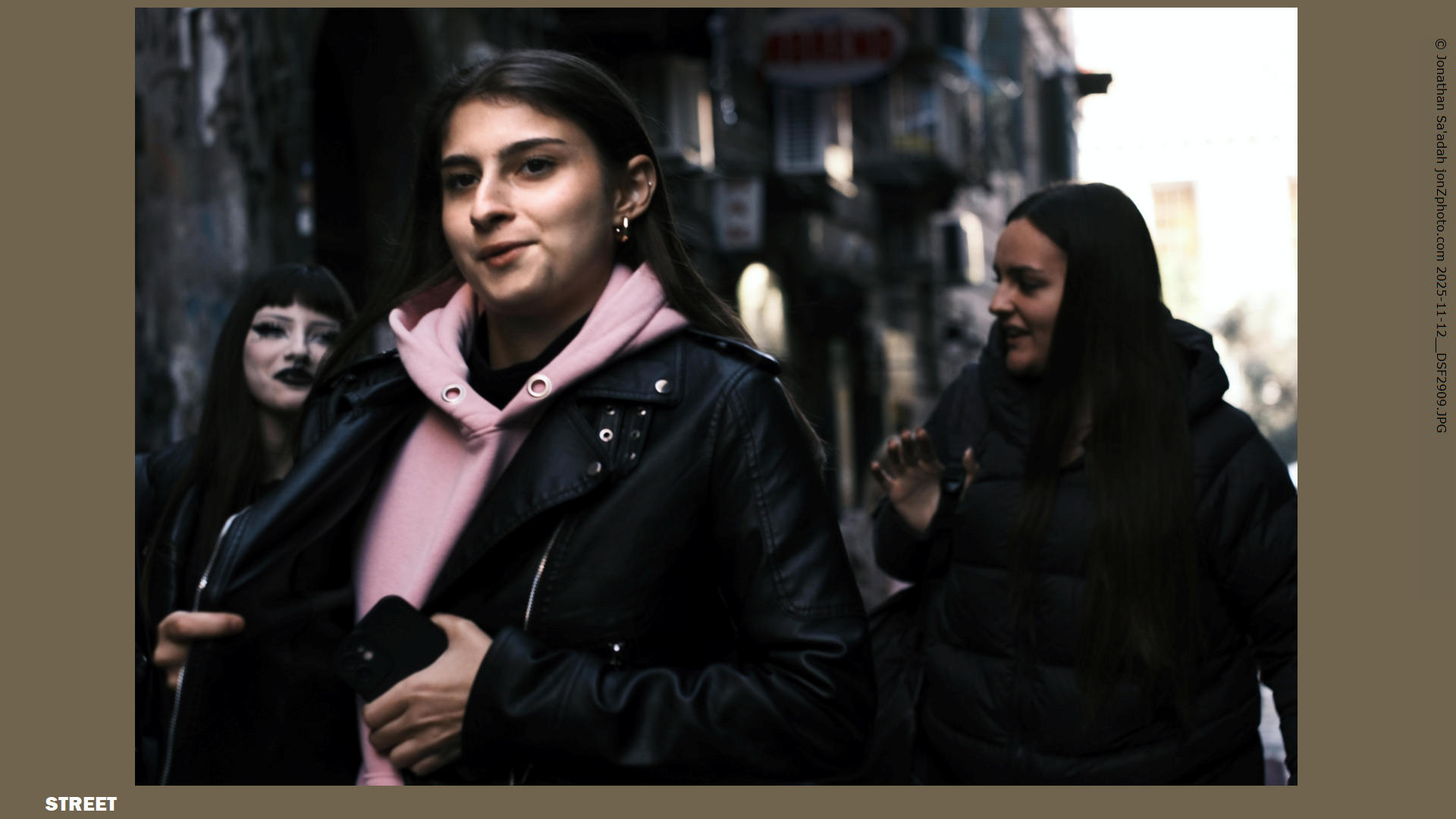
    Over time, I’ve cultivated a particular state of attention that invites serendipity. I’ve learned to recognize promising situations—strong light, layered reflections, expressive fast moving crowds, unusual streetscapes—and I linger without knowing exactly what I am waiting for. This patience is not passive; it is a quiet form of anticipation that assumes something might happen. When a convergence does occur, I have to react instinctively, framing and exposing in fractions of a second. Normally I use the traditional wide angle lens of street photography which is forgiving of fast action, but in these photos I chose to use the more difficult short telephoto to concentrate on figures, and to isolate them within the urban environment. The resulting photos may look like pure accident, but actually they rest on familiarity with my camera, a sense of composition, and countless hours spent wandering without any guaranteed payoff.

    Serendipity also shapes the way street photographs are interpreted. Viewers often project narrative onto coincidental details: a shadow aligning with a face becomes a metaphor for inner turmoil, a repeated color across strangers suggests hidden connection, a sign’s content appears to comment on the person beneath it. These readings often exceed anything I consciously intended at the moment of exposure. My street photography, then, feels like a collaboration between the chaos of the world, my own alertness, and the imagination of the viewer. Serendipity is the thread running through all three, binding them together.
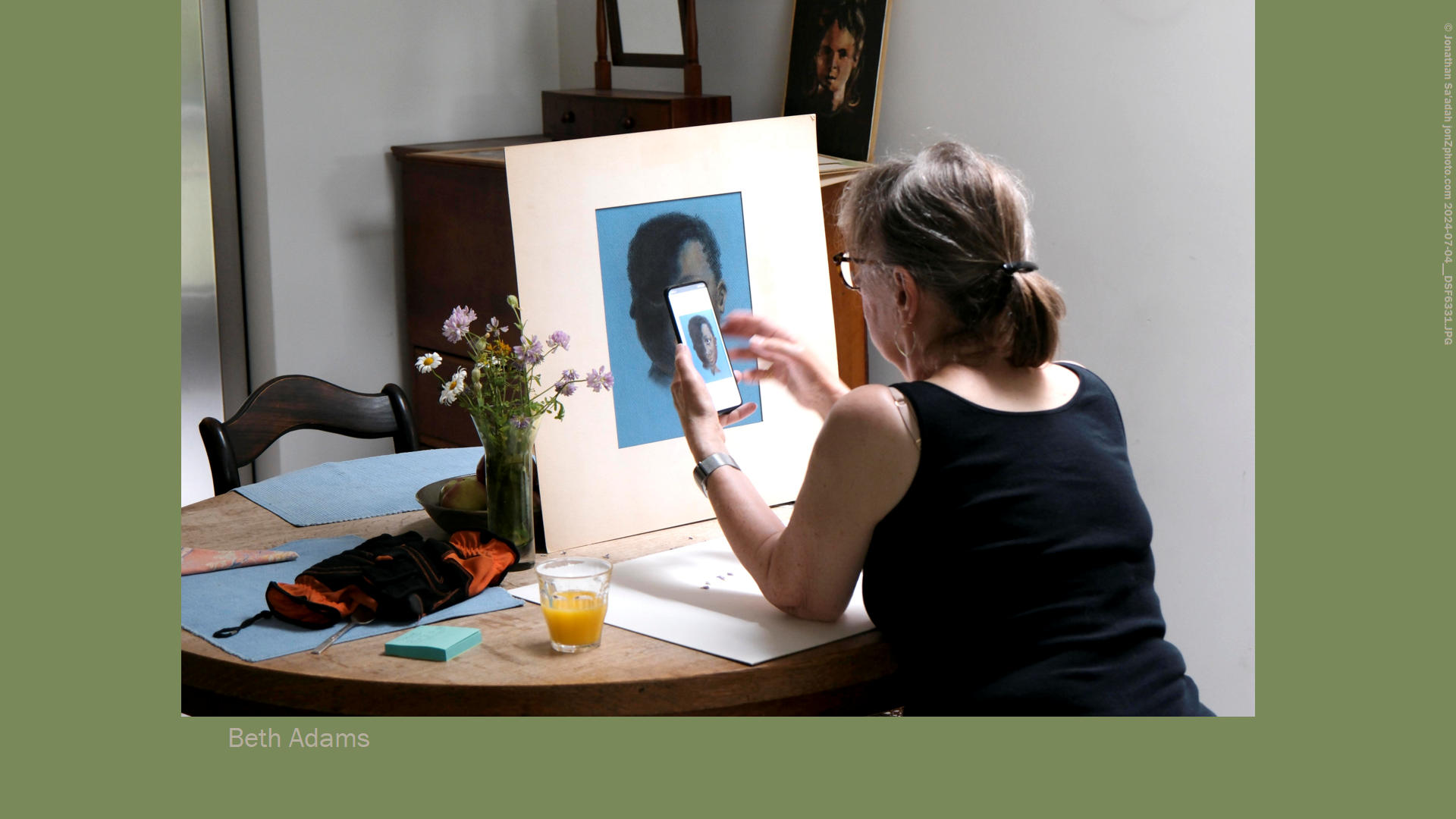
    In a culture saturated with images that are posed, retouched, and optimized, serendipitous street photograph holds a special honesty for me. It acknowledges that the world is richer and stranger than my plans, and that meaning can emerge from chance encounters as powerfully as from deliberate design. When I practice street photography with openness to serendipity, I accept that I am not fully in control—and I discover, again and again, that this lack of control is precisely where some of my most resonant images often arise.

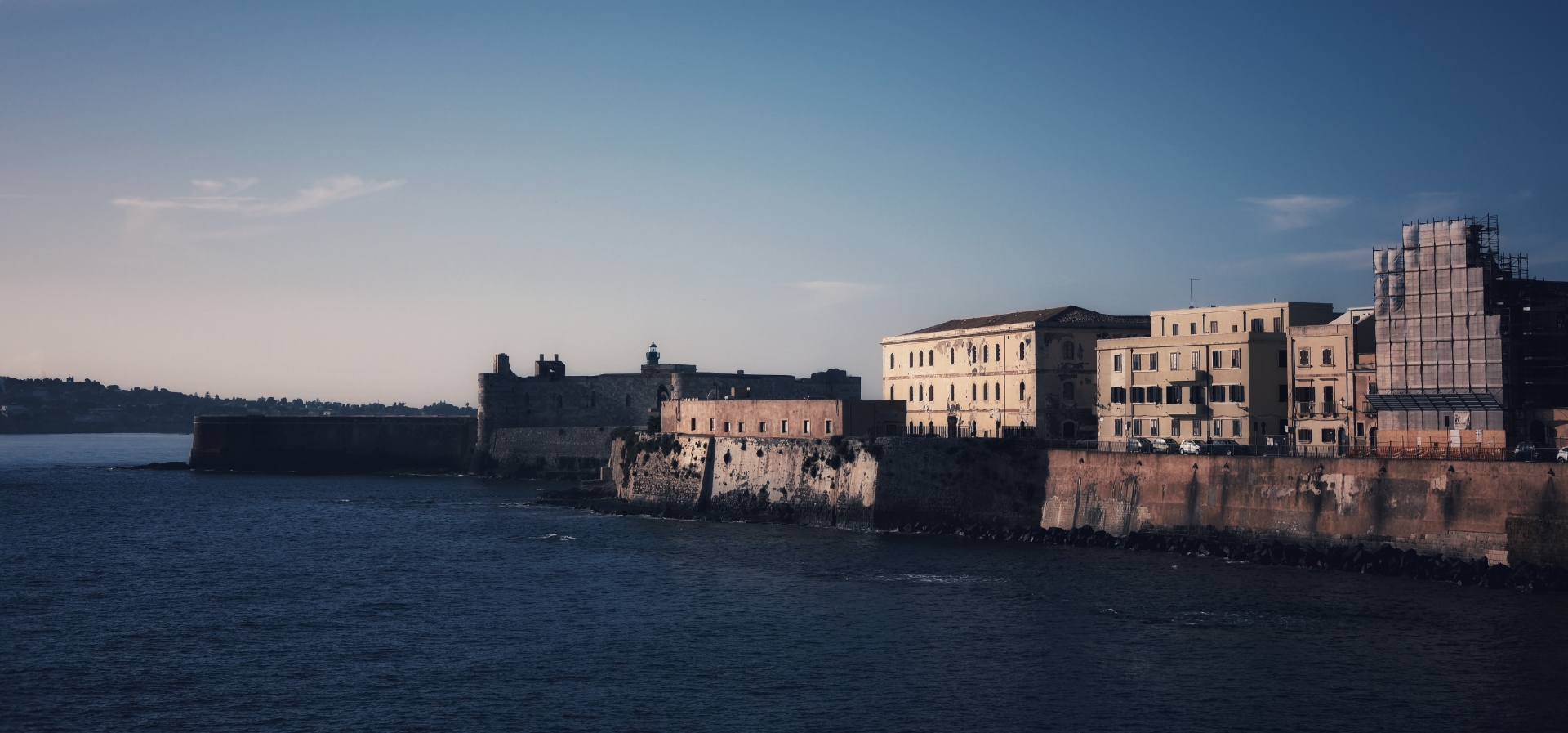
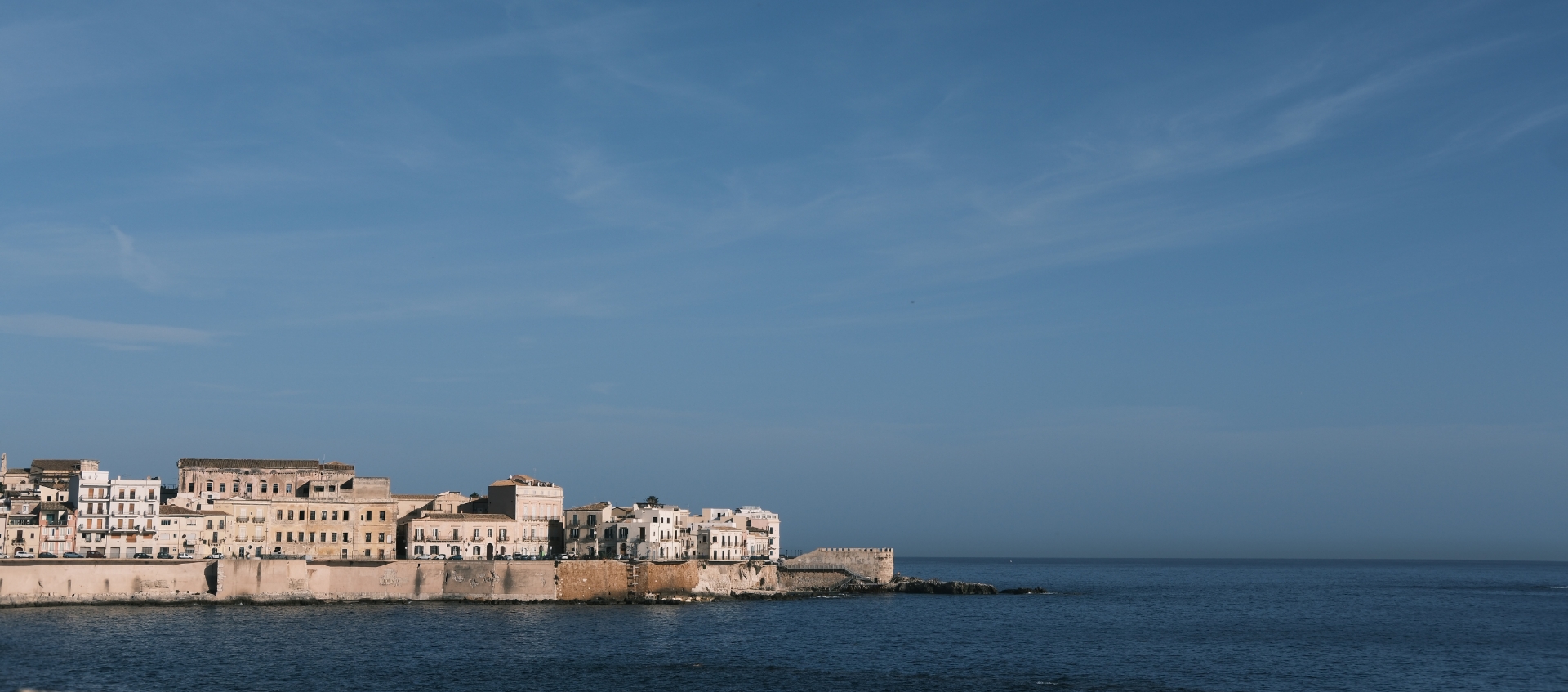
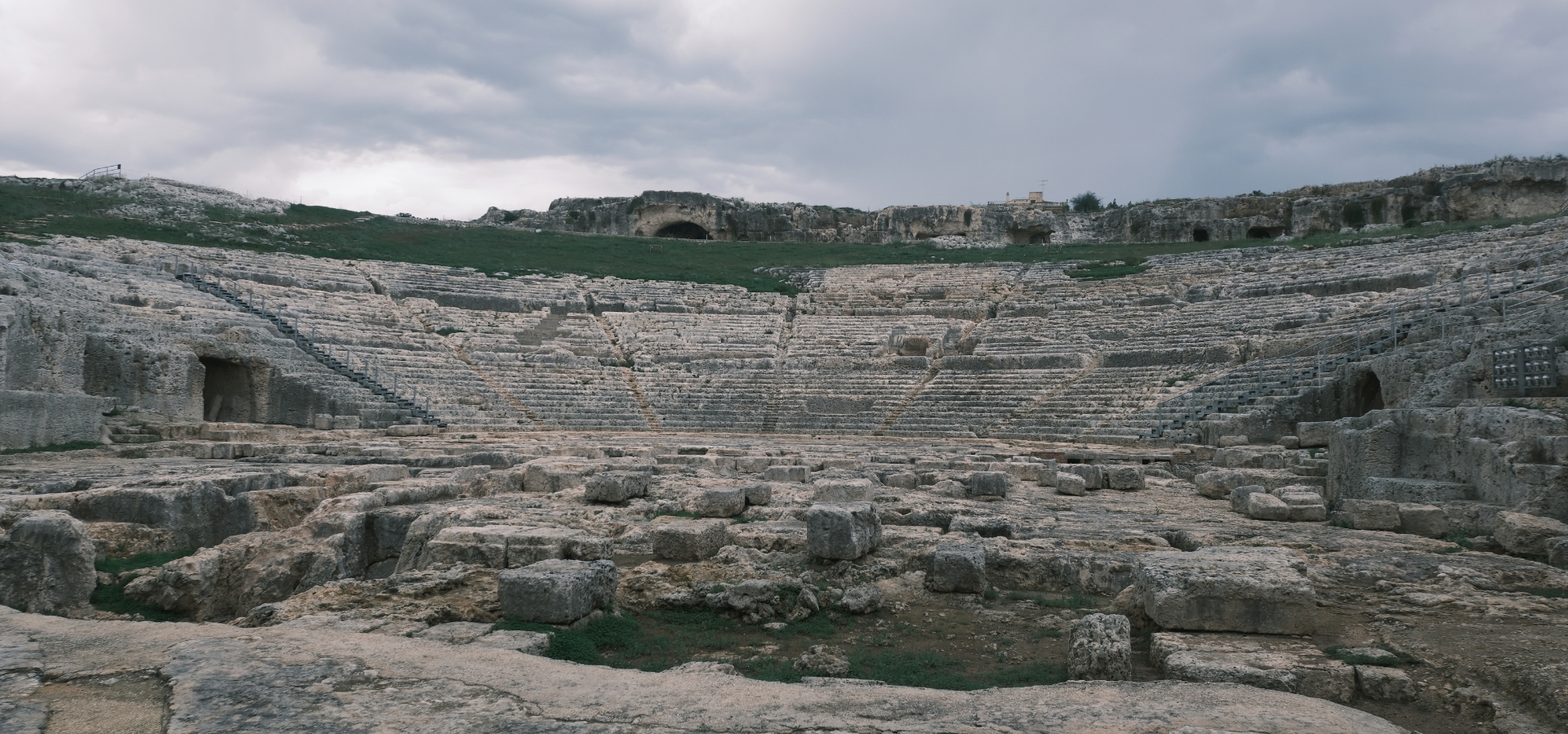
  • Eastern Sicily

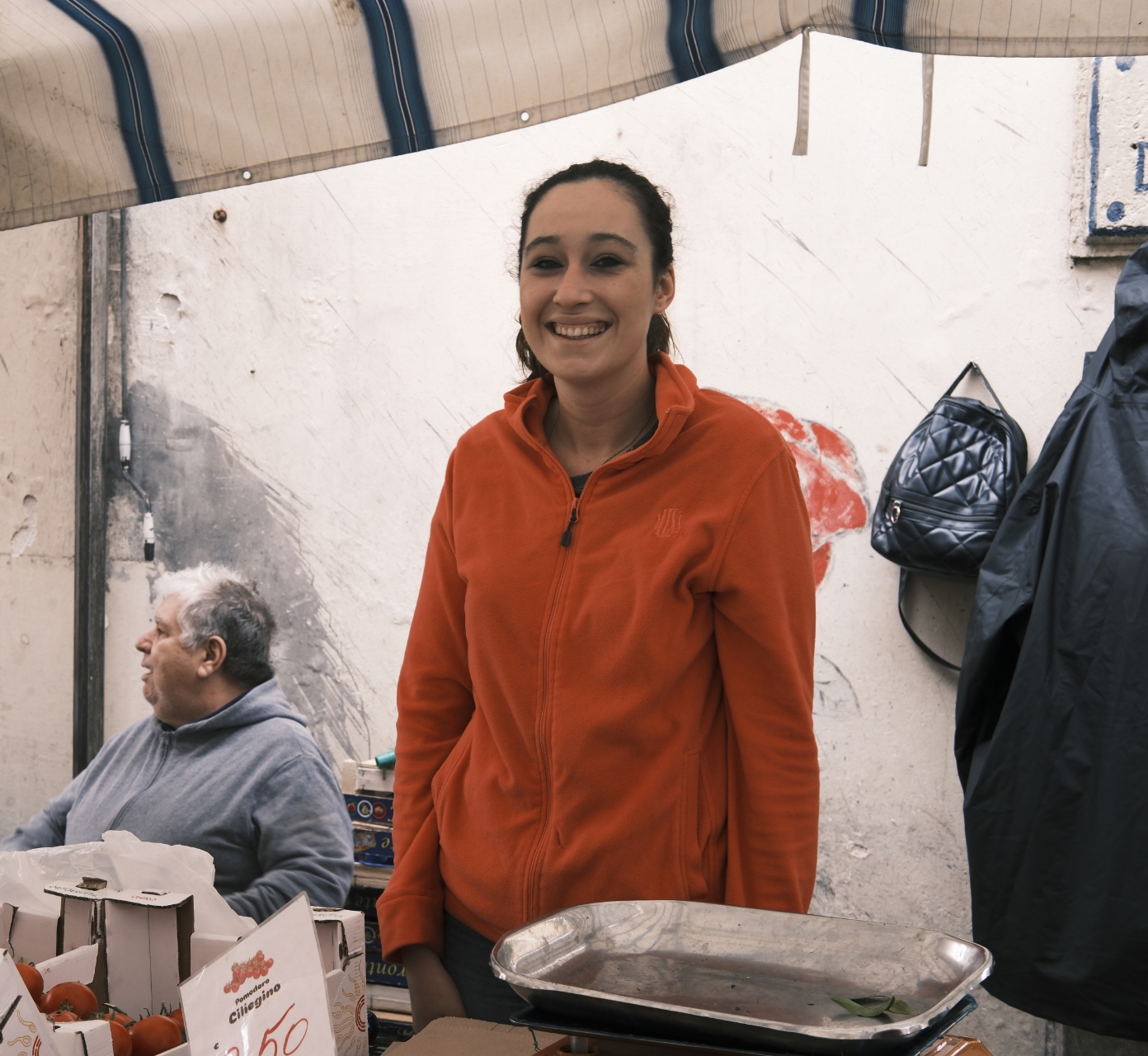
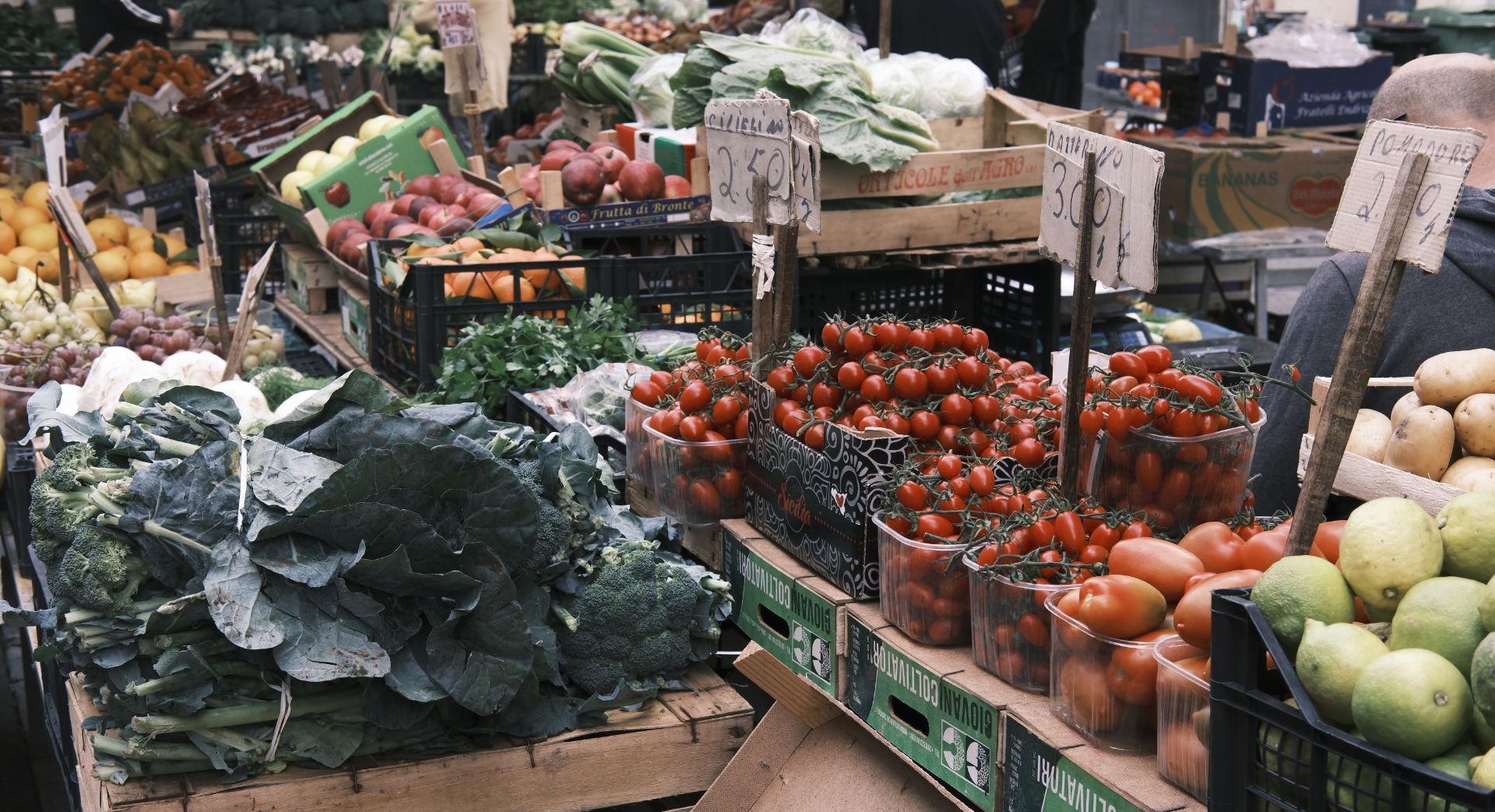
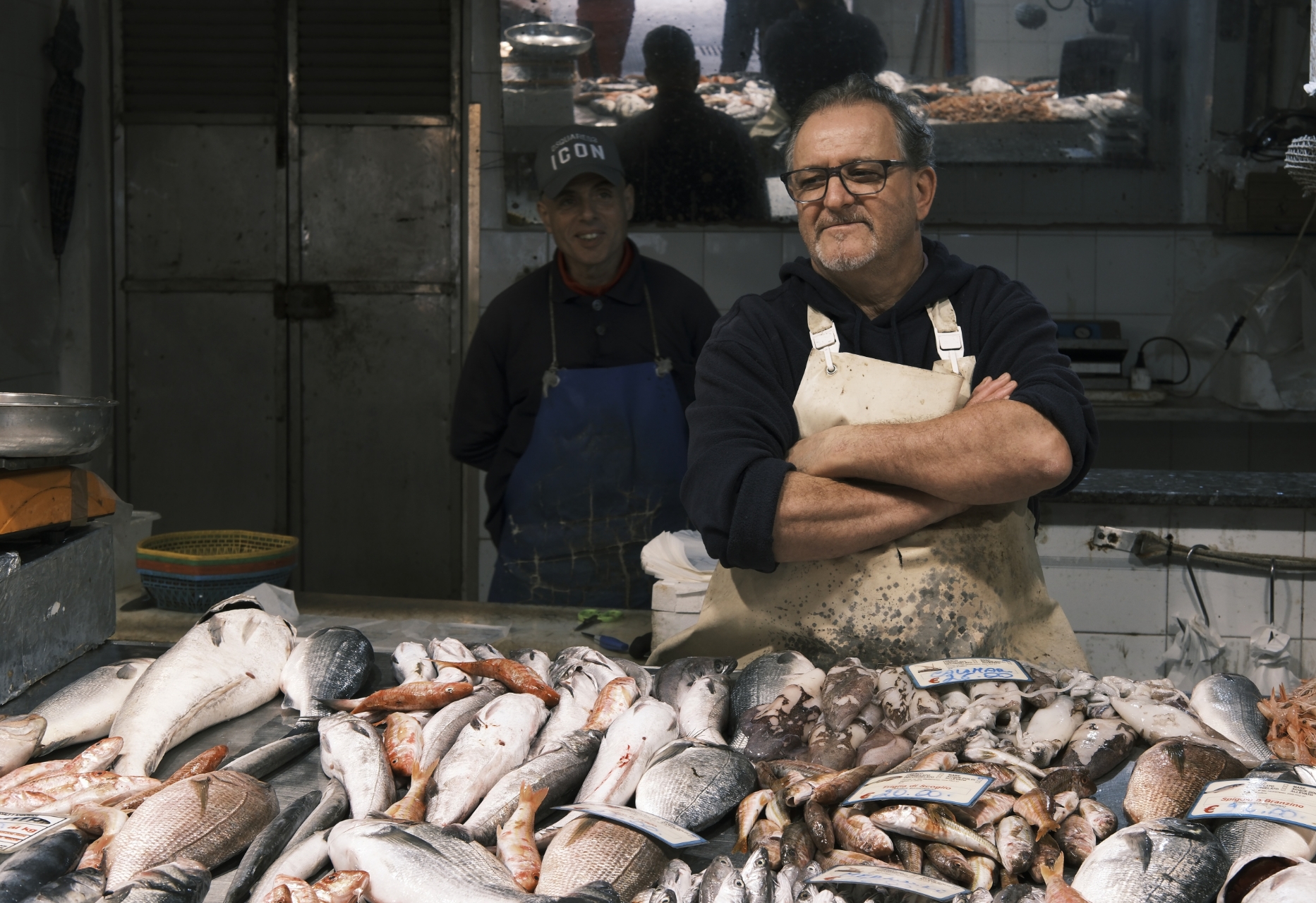
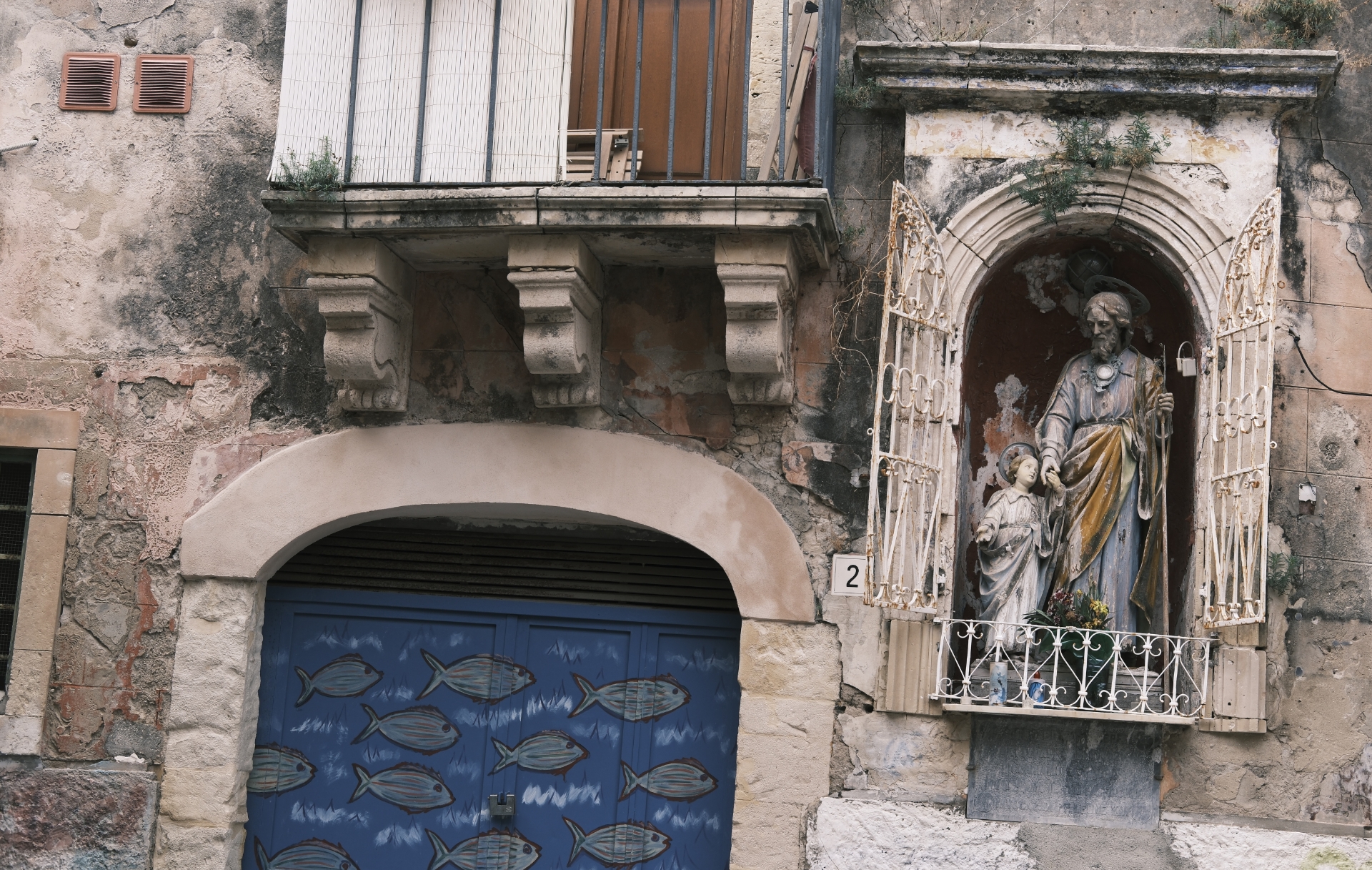
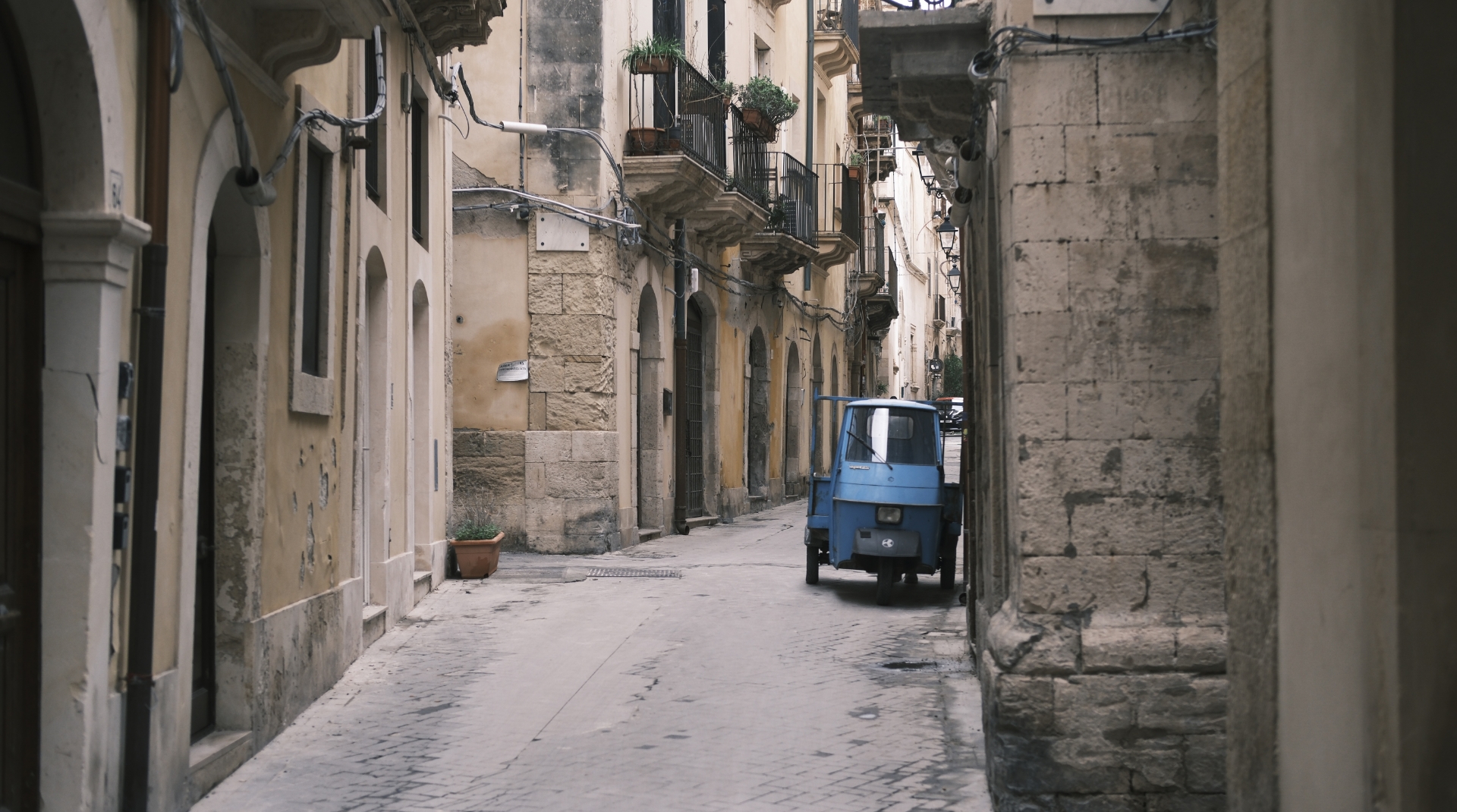
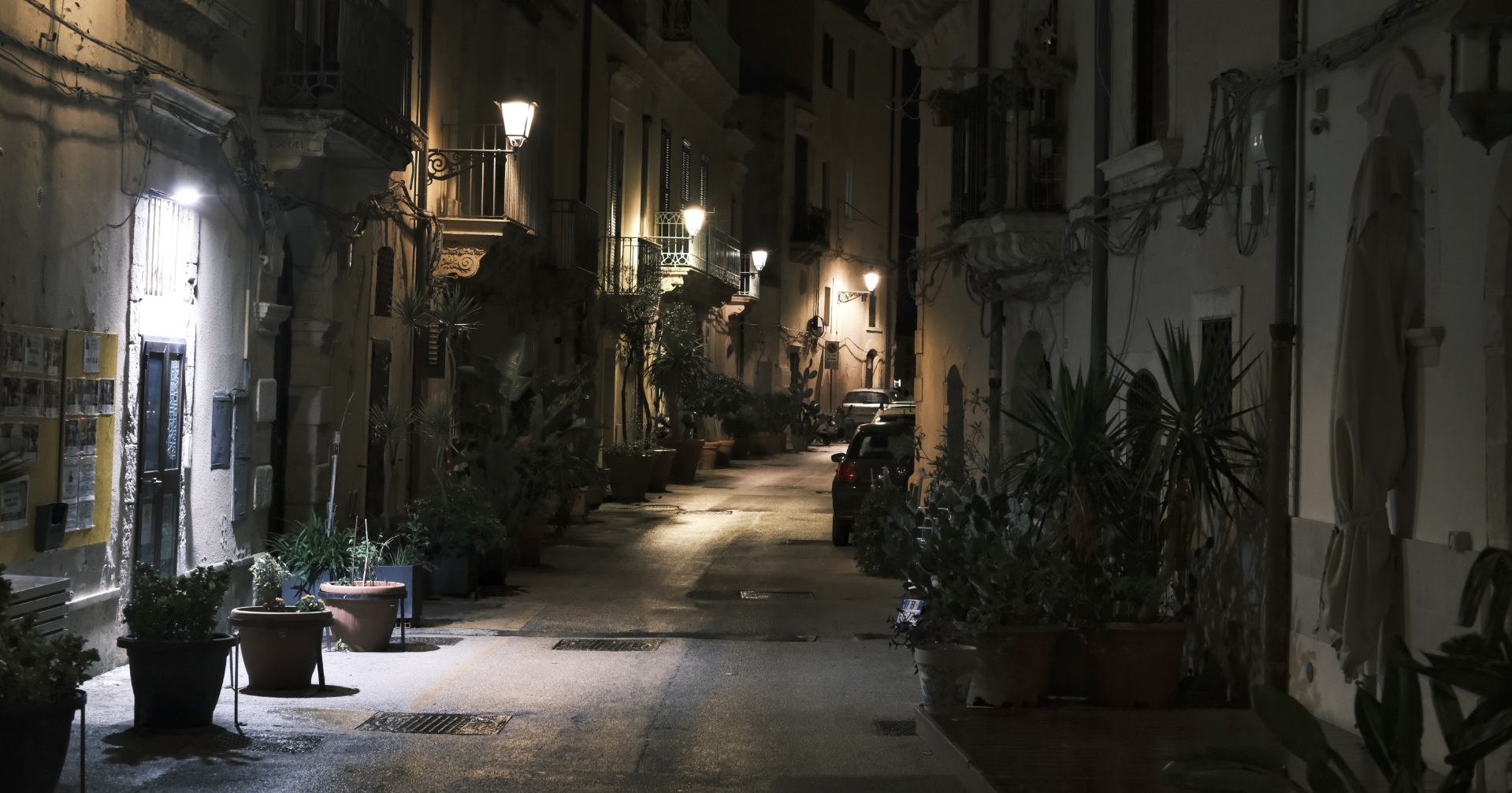
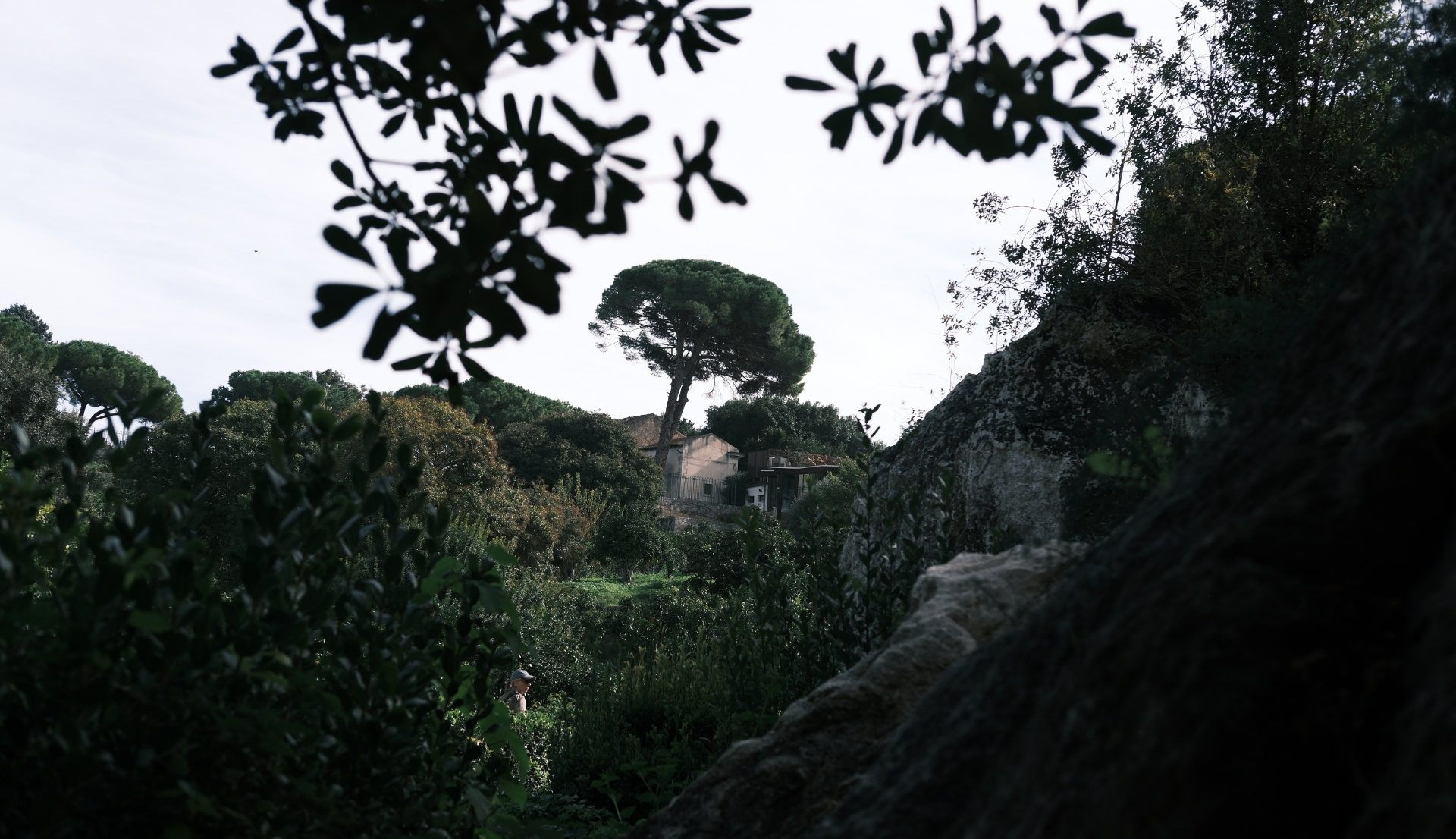
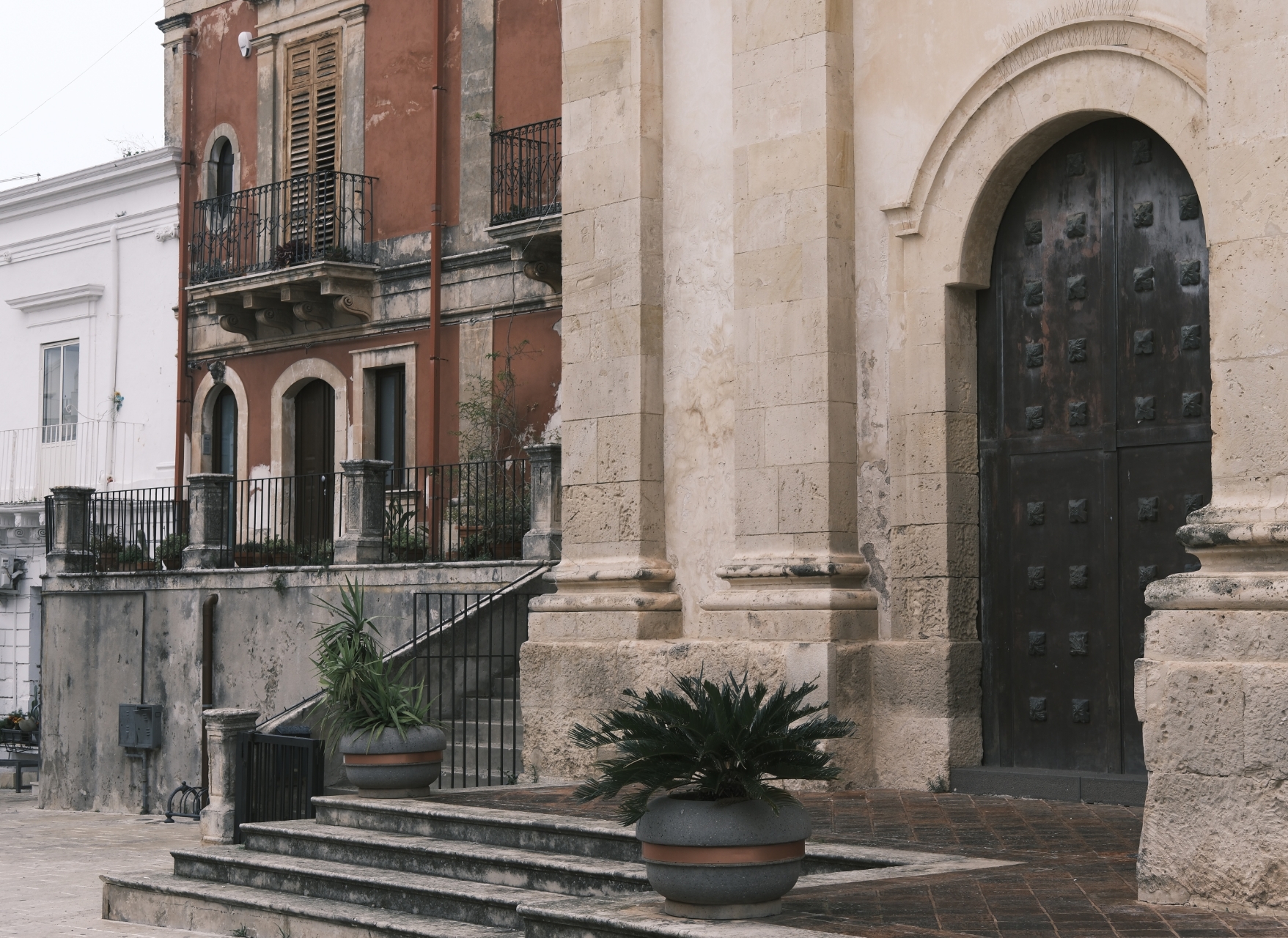
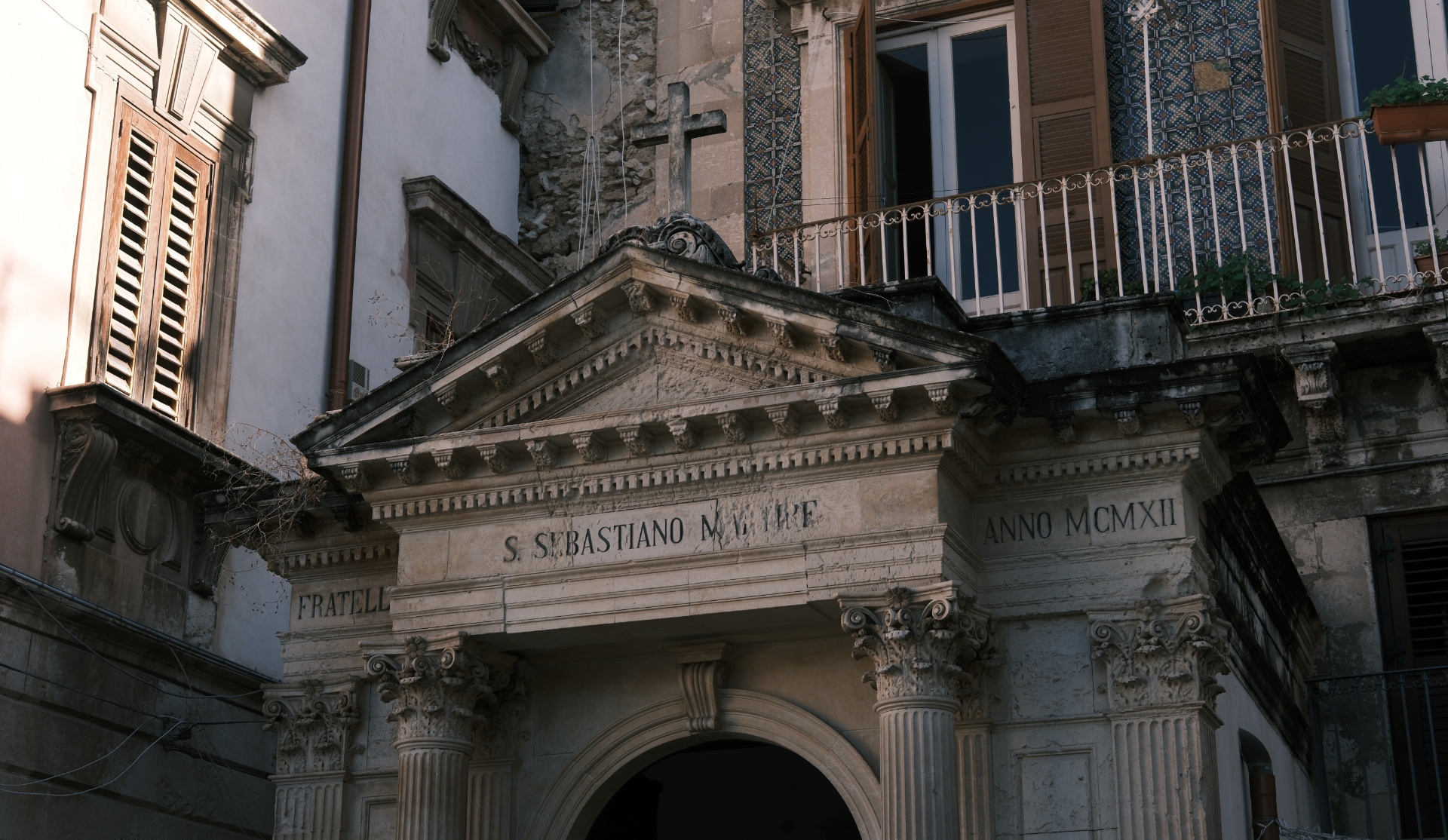
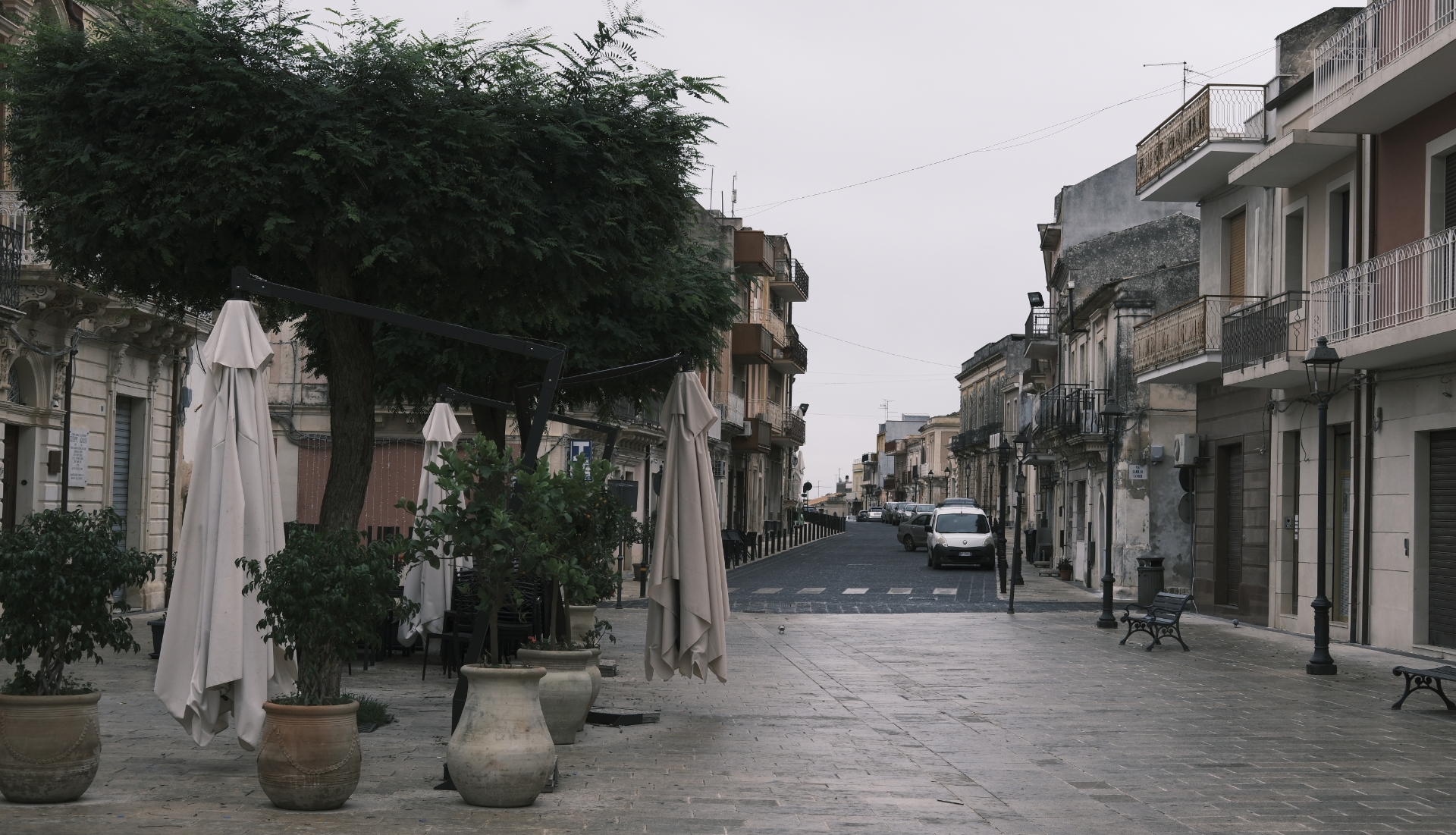
    To me Sicily feels related to southern Italy but contrasted with Naples where we were before everyone seems quite relaxed and the pace of life less frenetic. At least on the eastern side of the island.
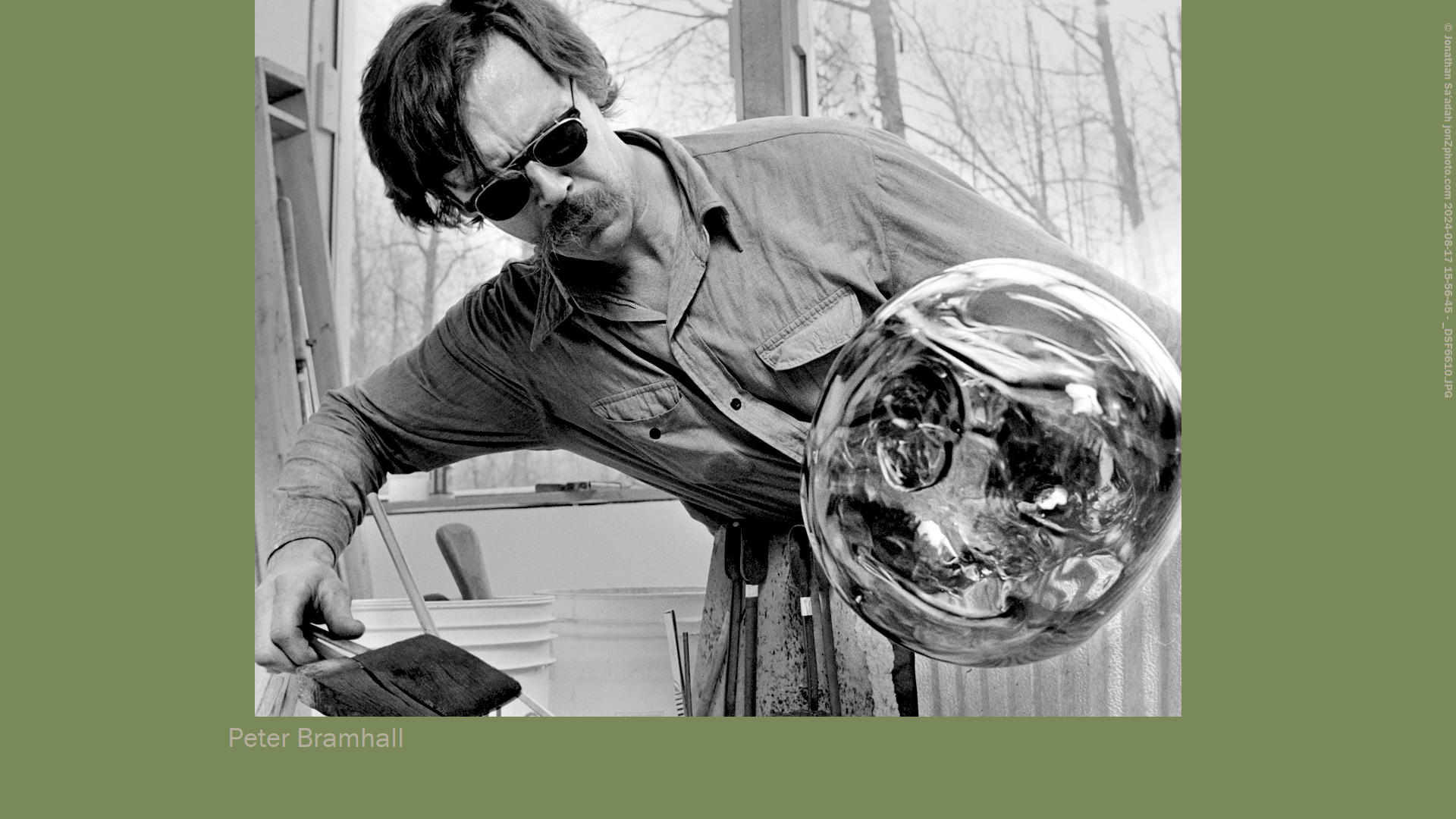
    Yesterday in Syracuse we had rented a car and were just pulling out of the parking lot. The streets are tight so to get out of the parking space I needed to nose out into traffic and then back in again to get angled ok, but once I pulled into traffic I couldn’t get the Renault into reverse gear. So there I was, blocking traffic. I figured great, now I’m really going to get it! But no one seemed preturbed. Five or six cars backed up waiting patiently for me to get my act together. Beth went back into the rental agency to find someone to help. Meanwhile, an older man jumped into the passenger seat next to me and showed me the ring on the stick shift that needed to be pulled up to get the car in reverse. By then it had probably been 2-3 minutes (it felt like an eternity!) and finally someone got impatient and honked. My friendly helper looked startled, crossing his eyes in mock disgust, and interrupted our learning session to jump outside the car and yell at the guy honking.
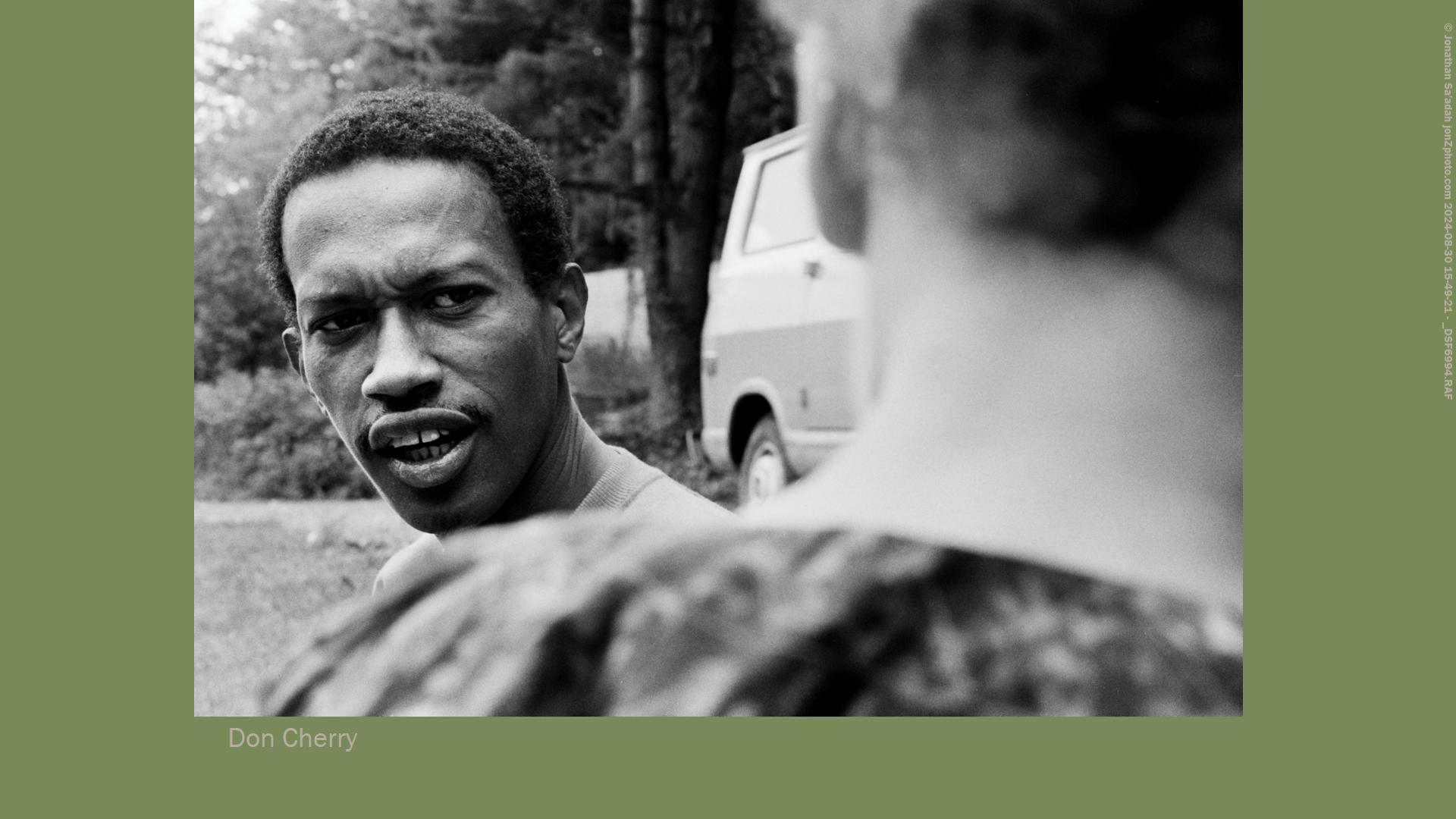
    OK, I thought, it’s not that different from Naples!