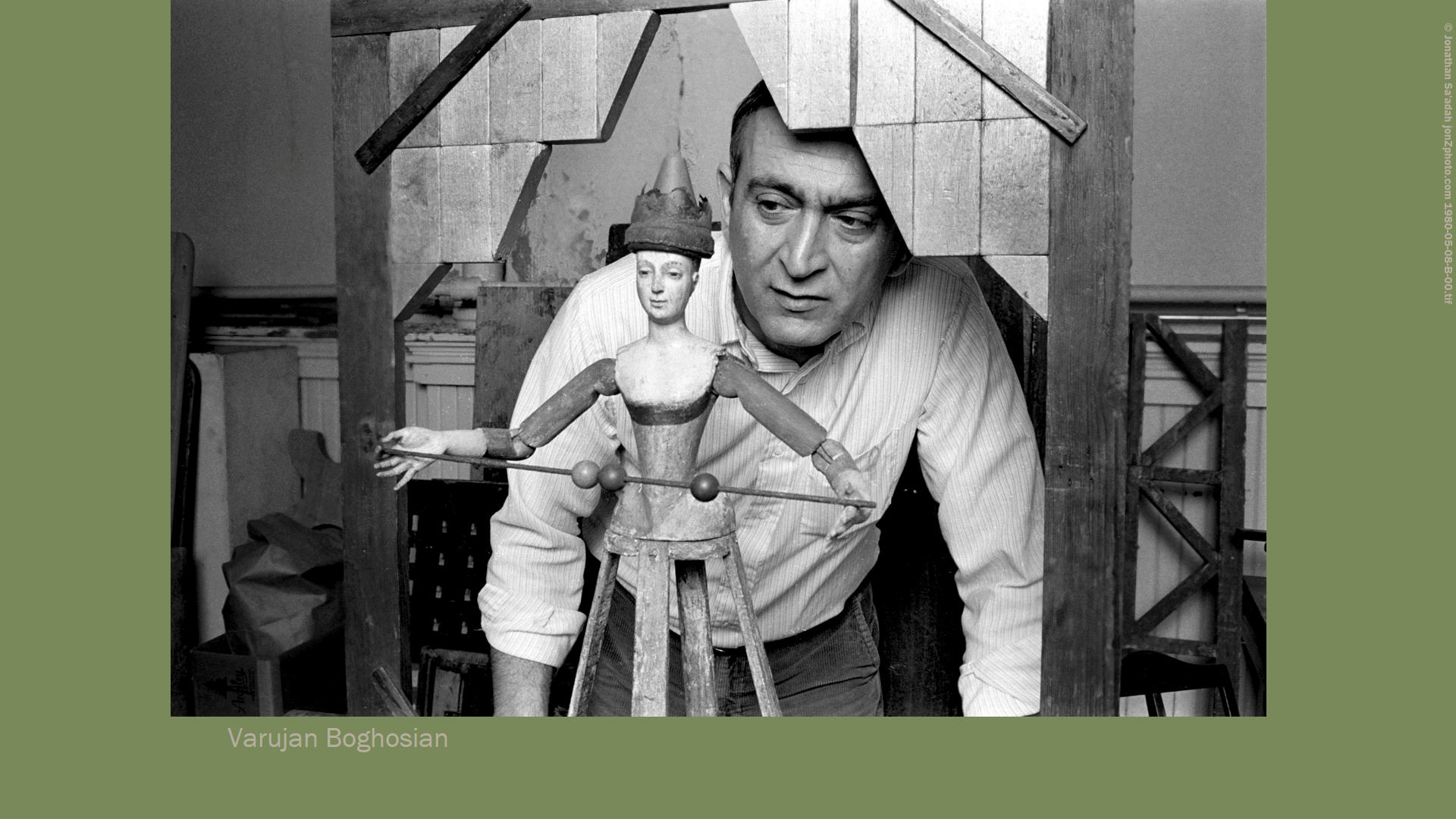
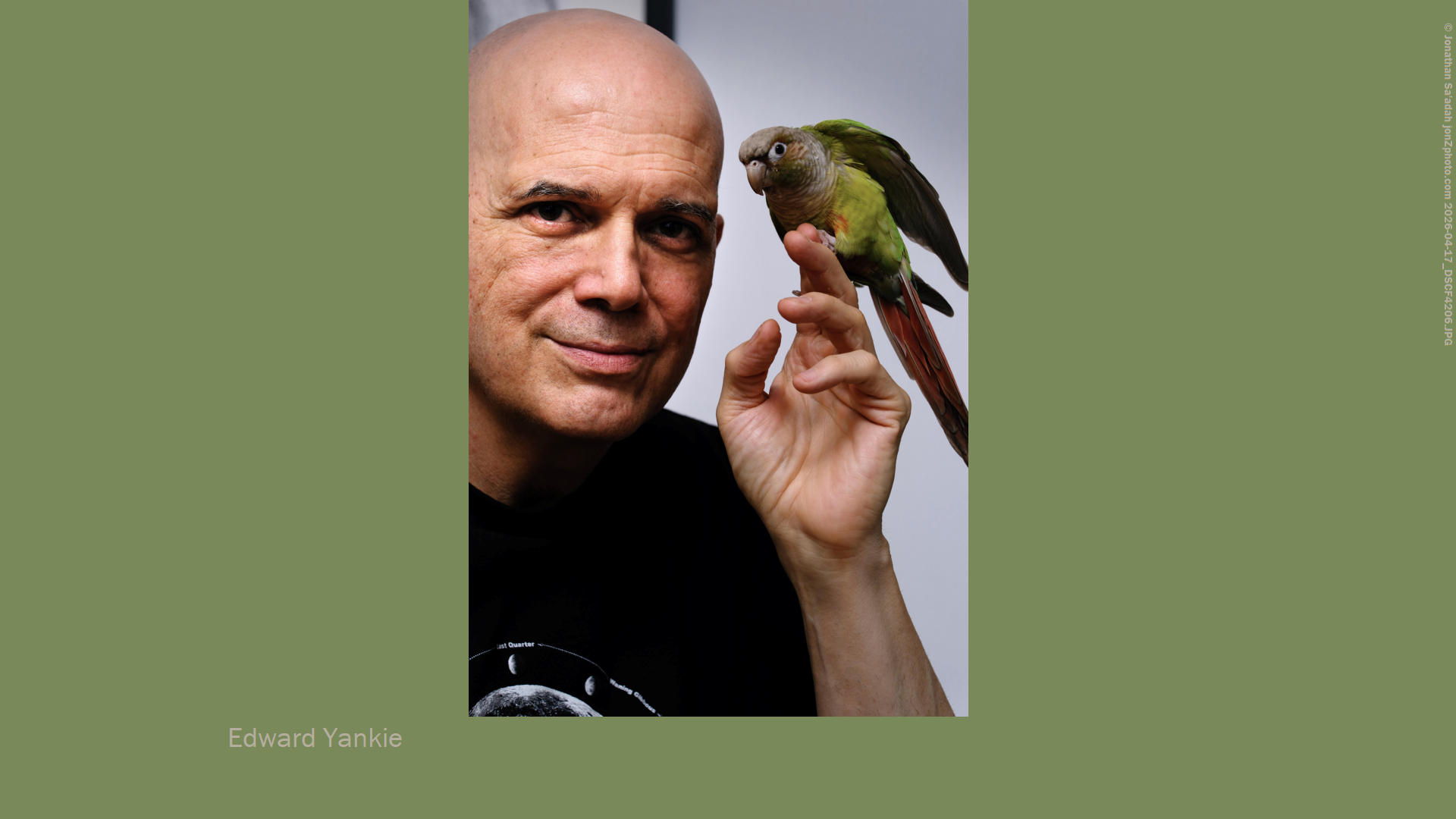
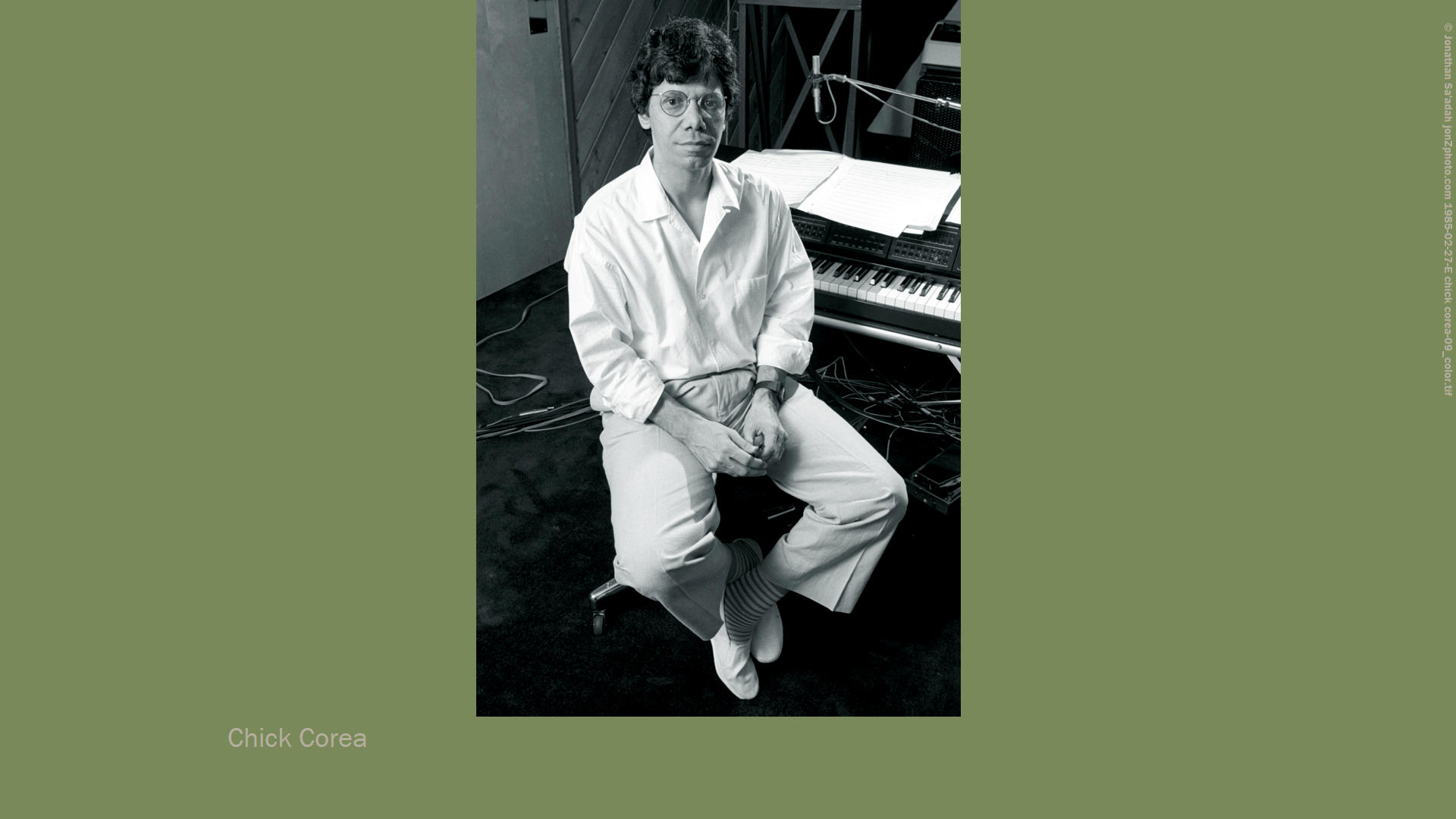
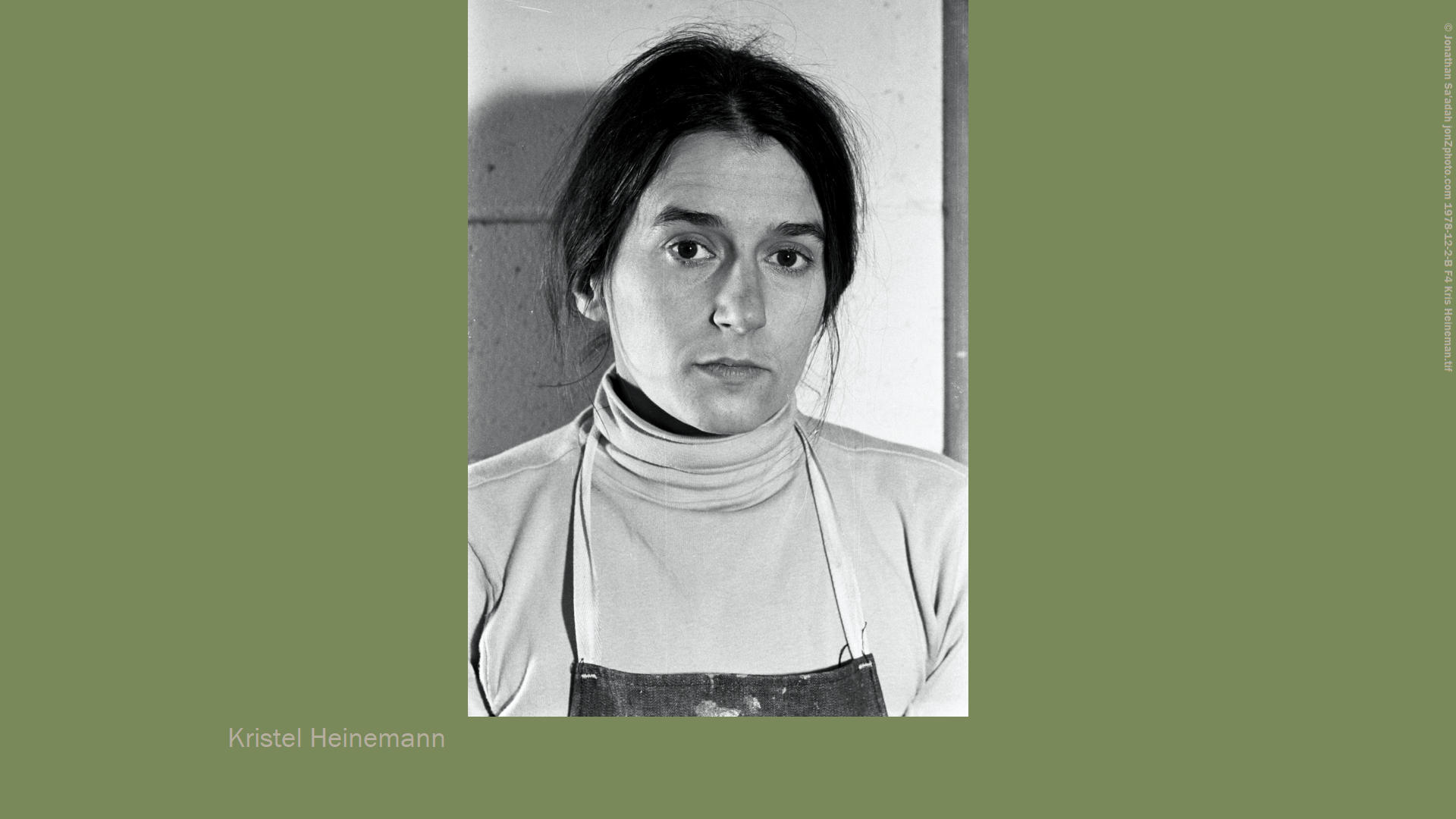
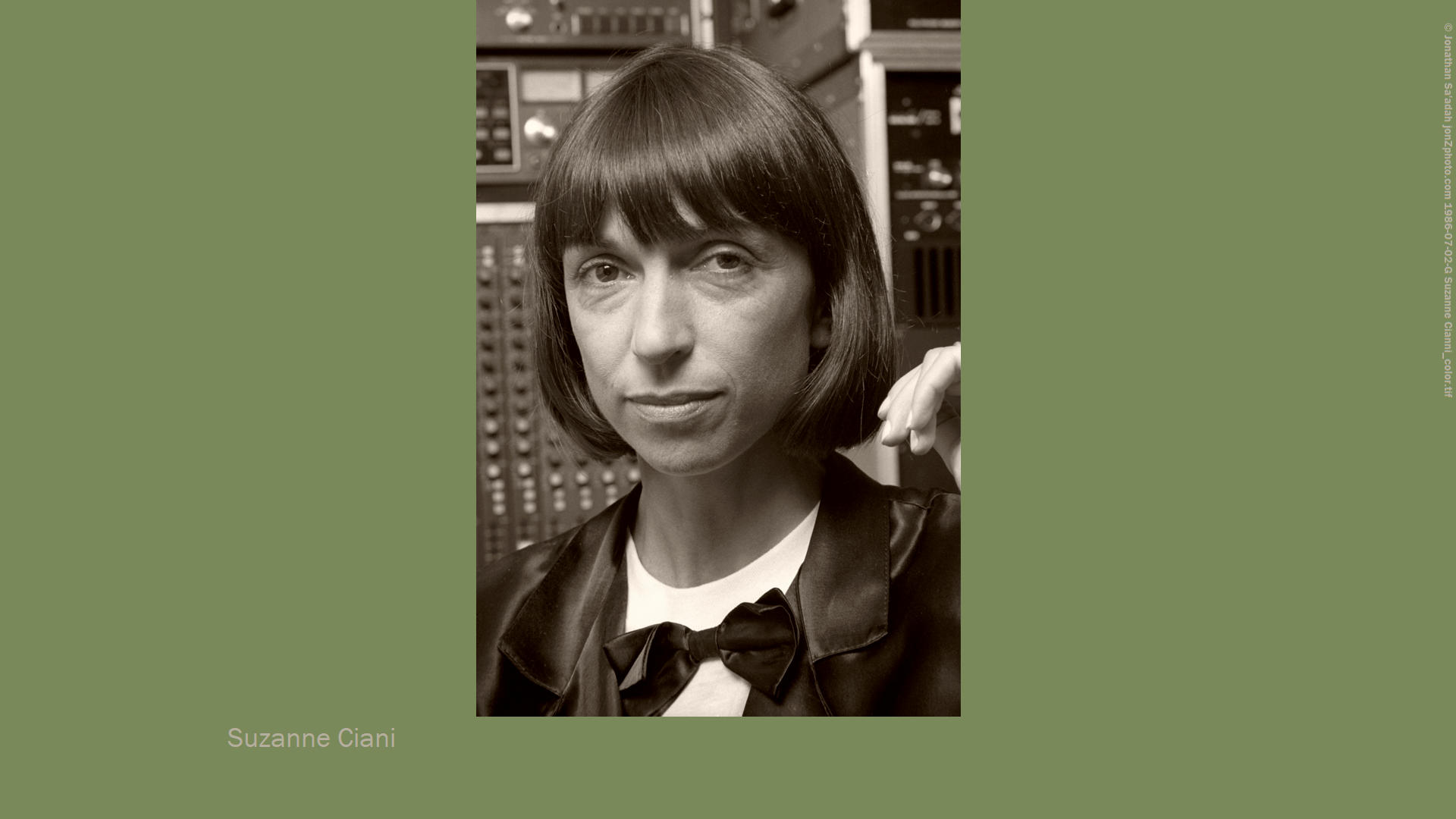
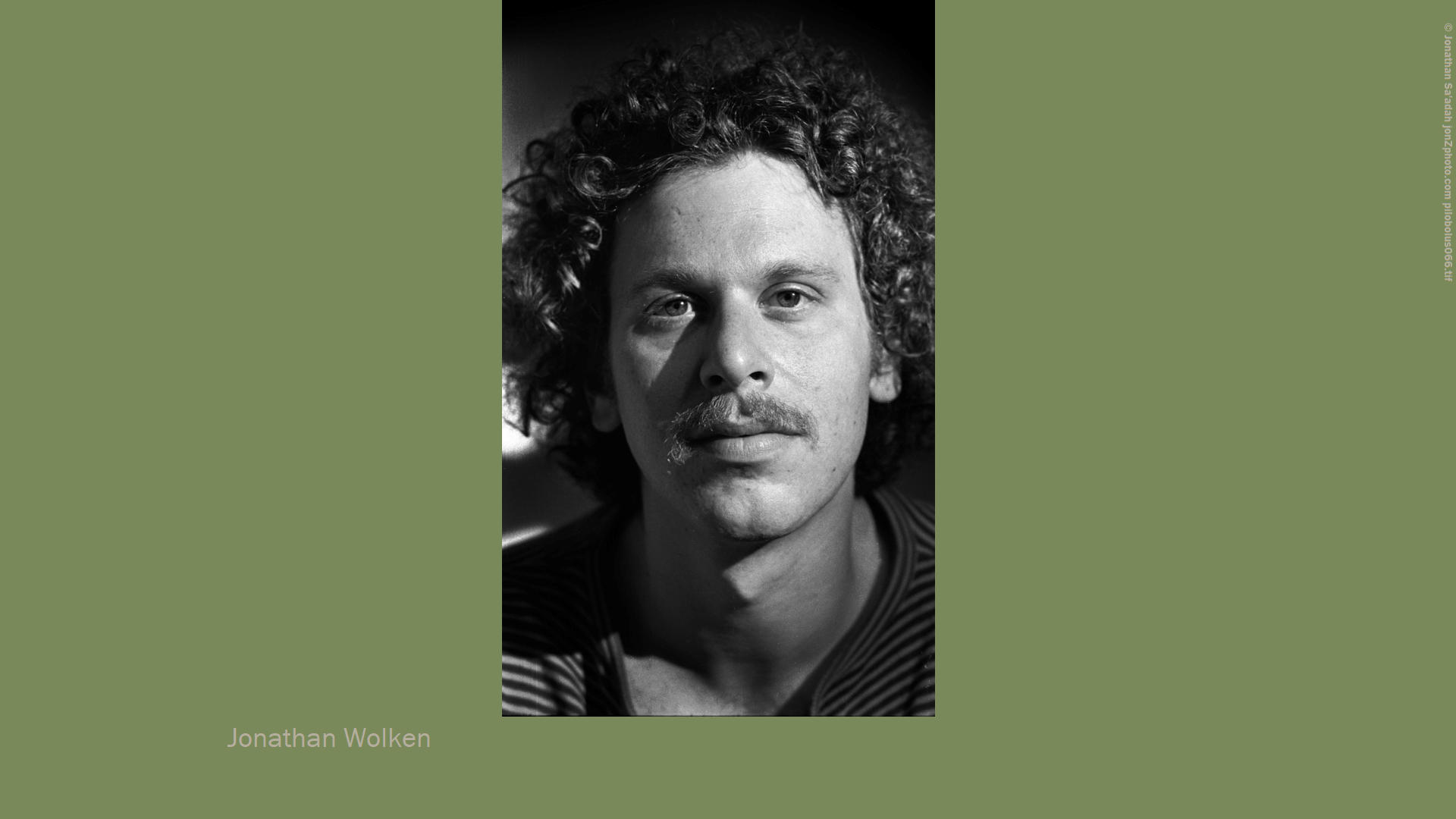
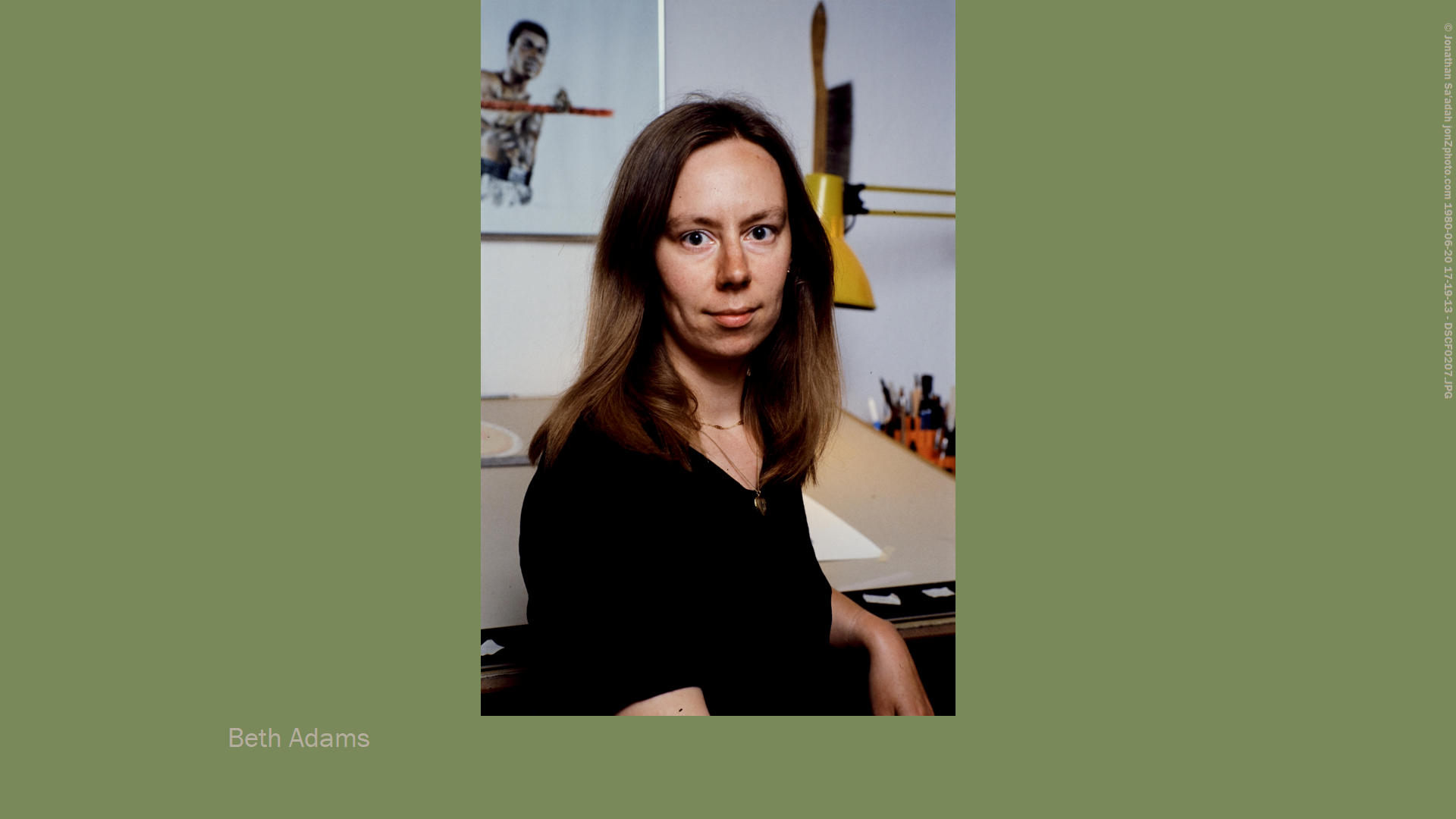
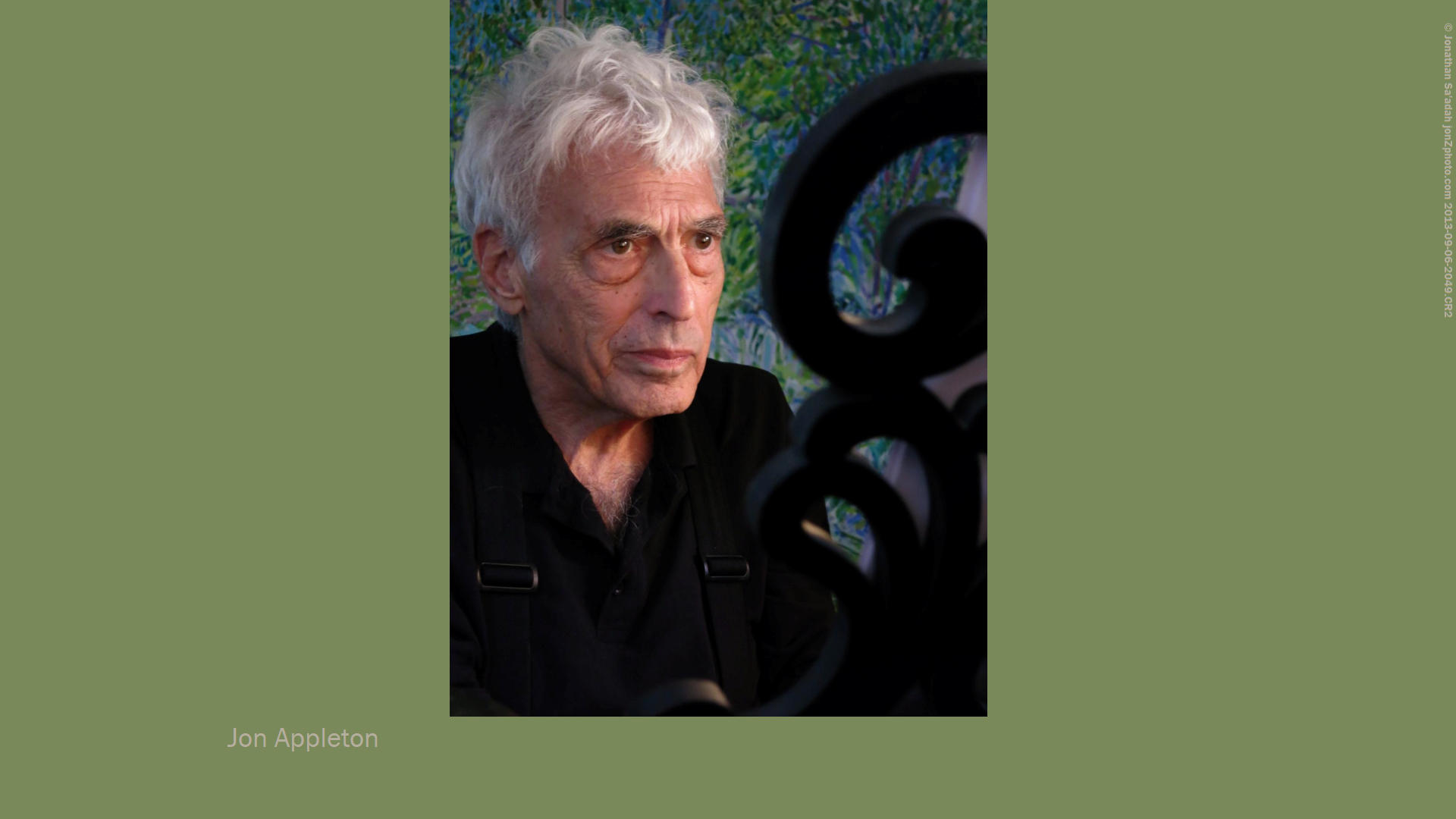
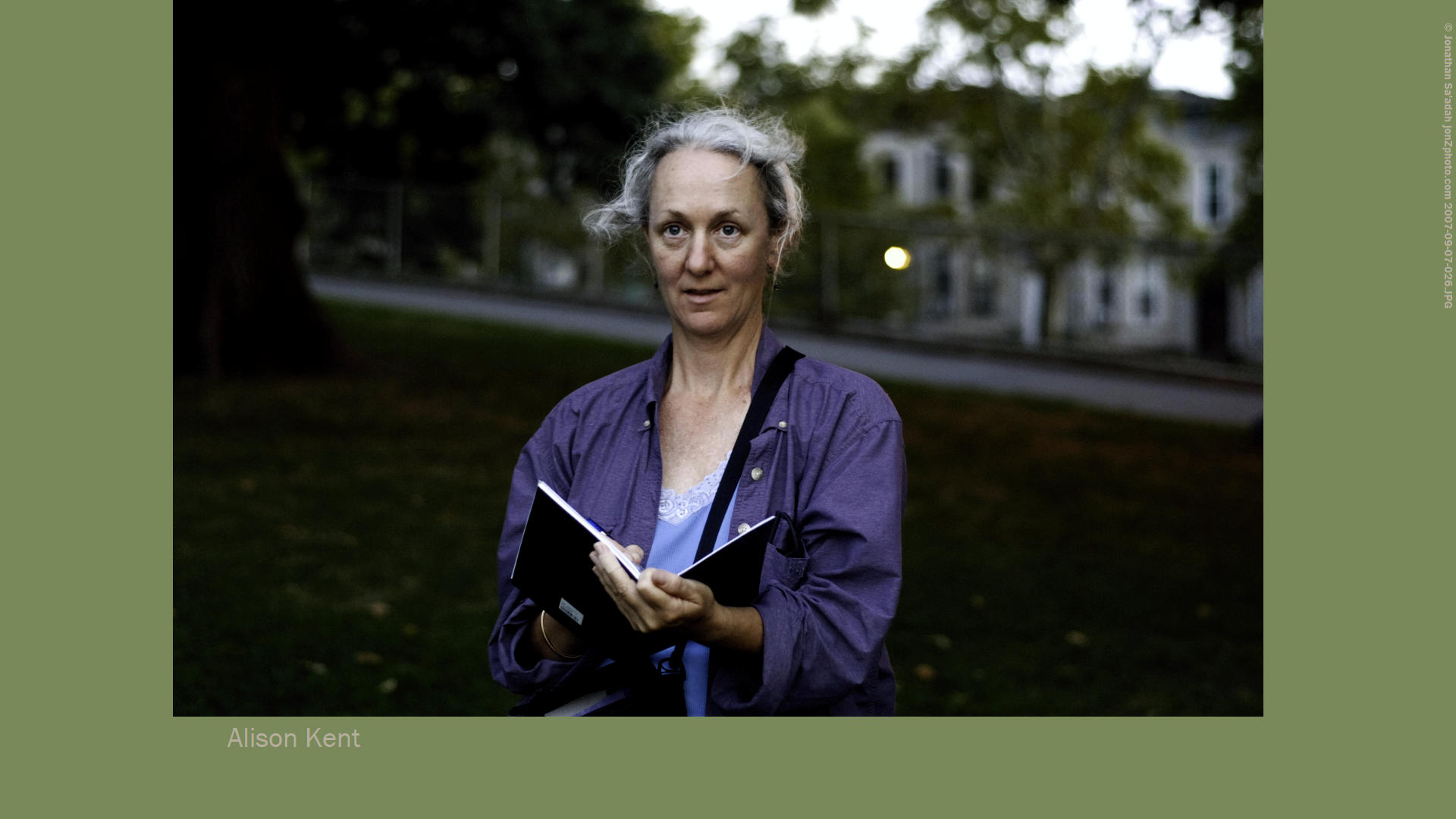
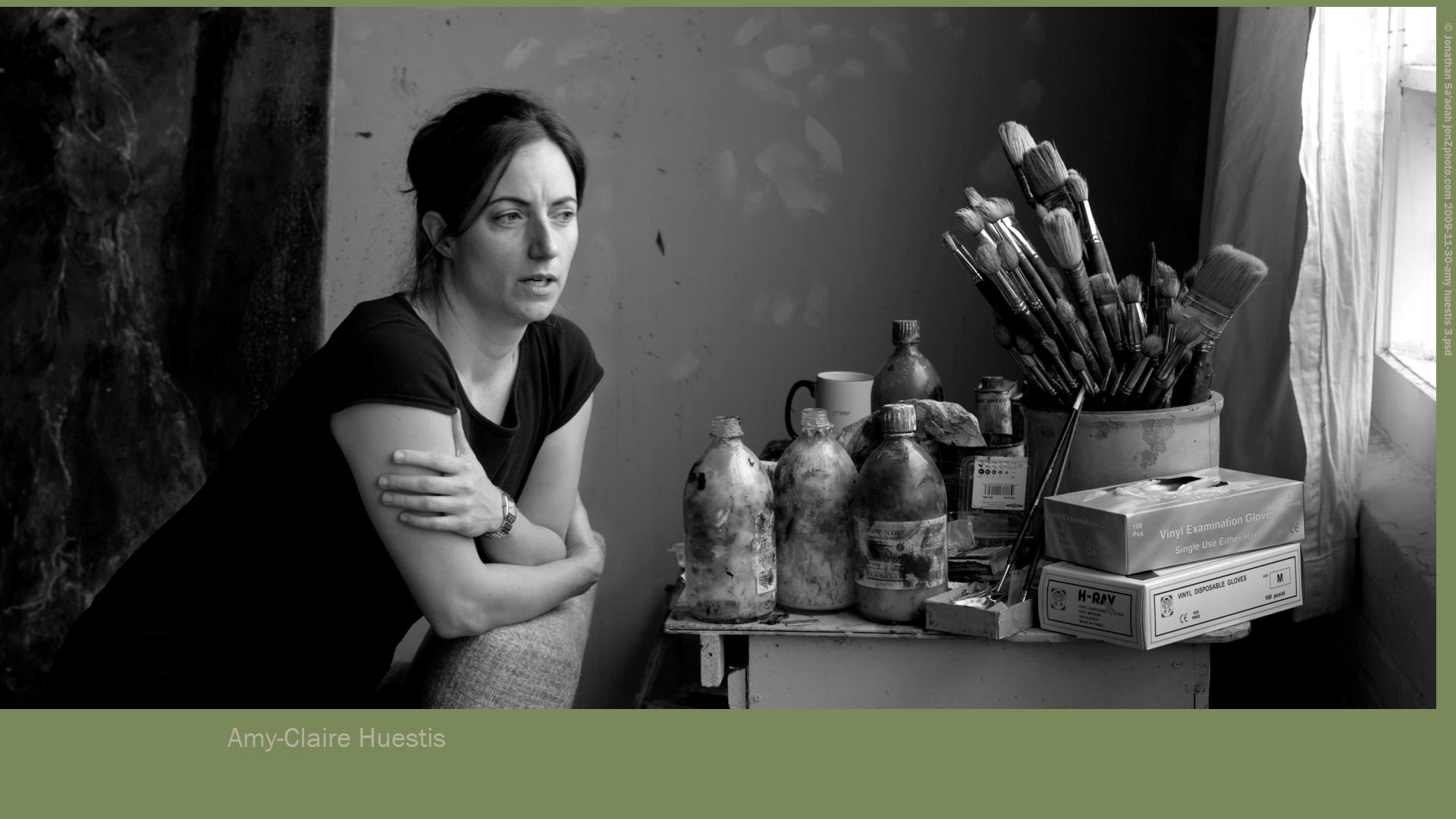
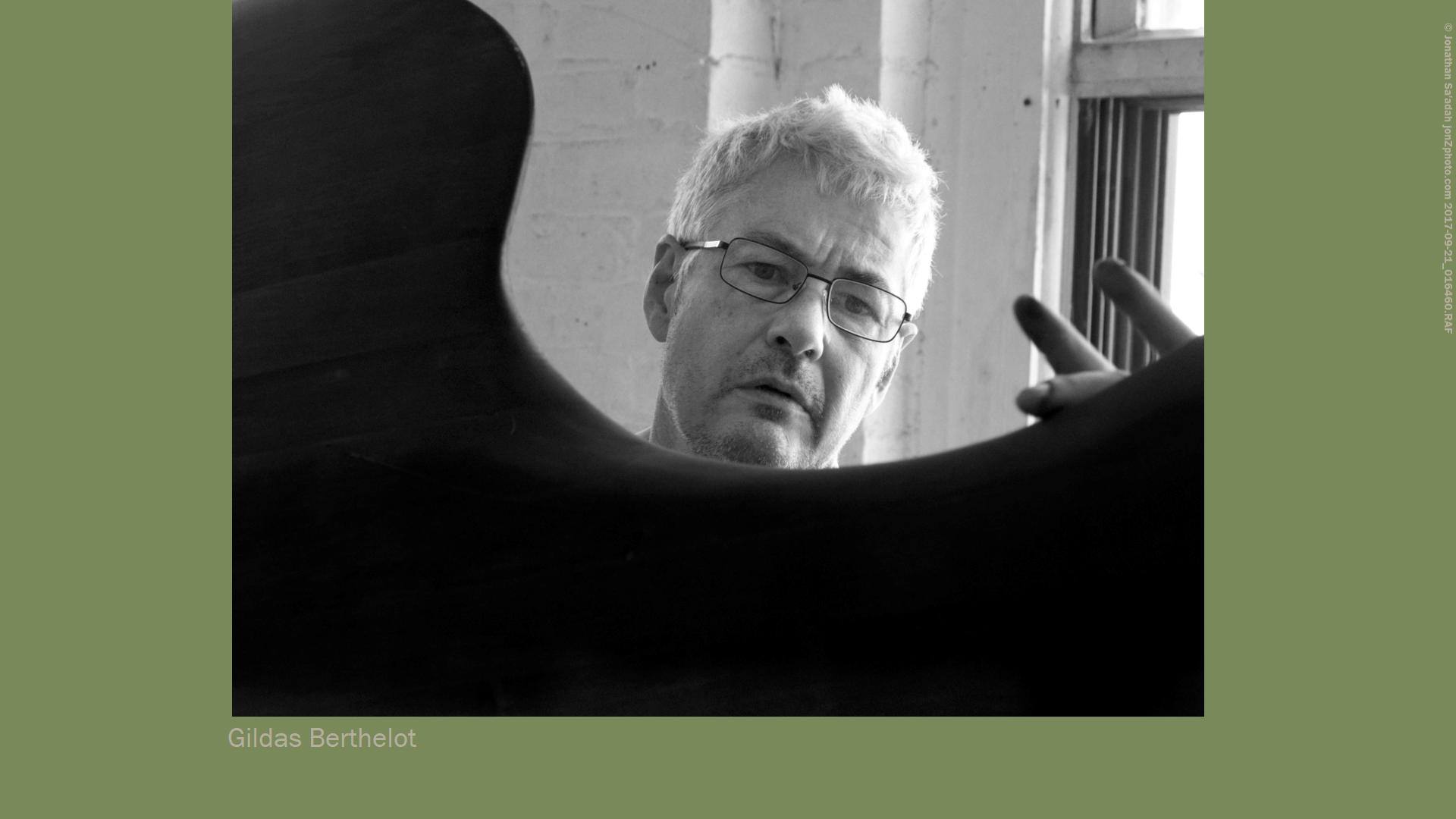
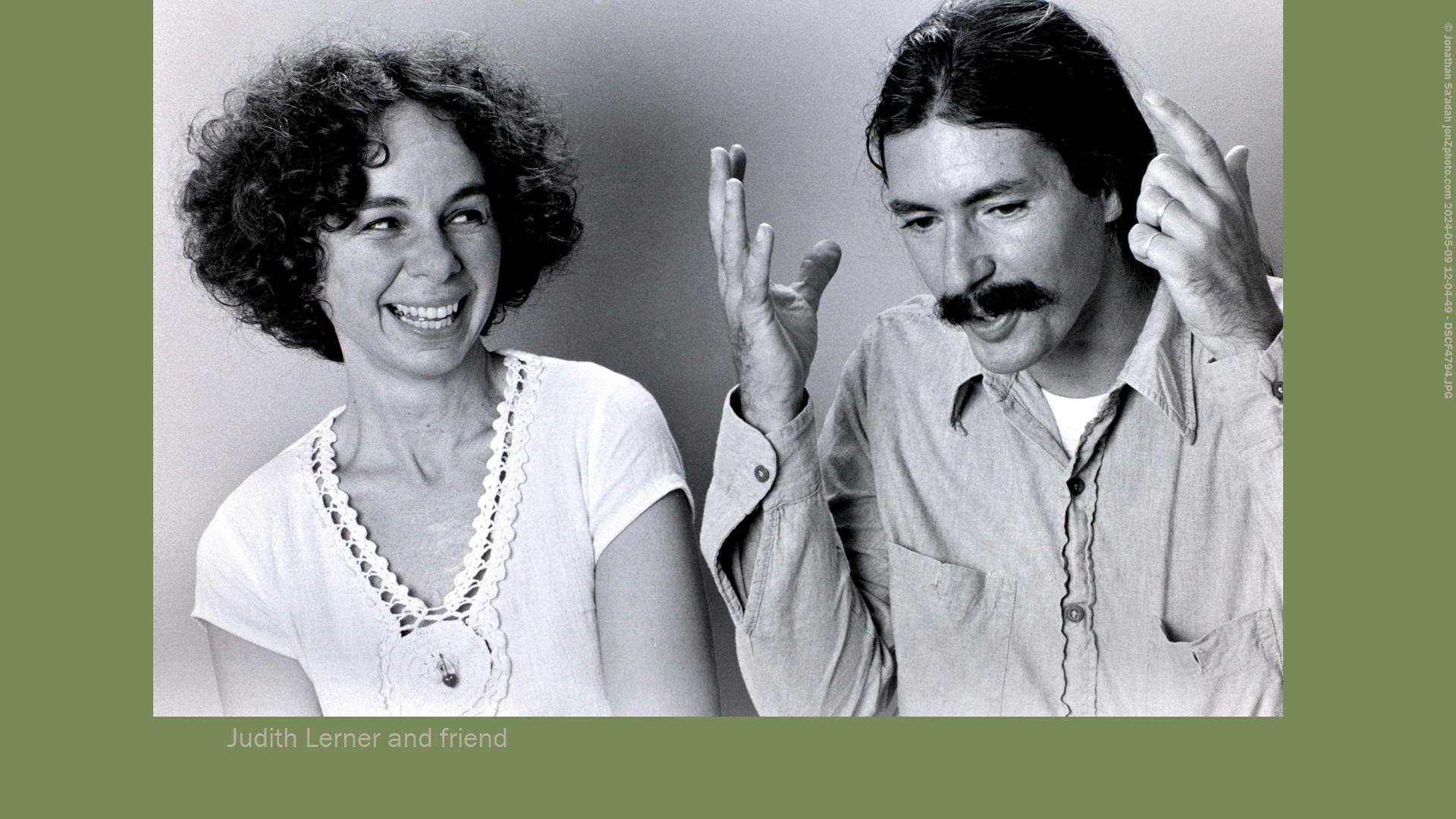
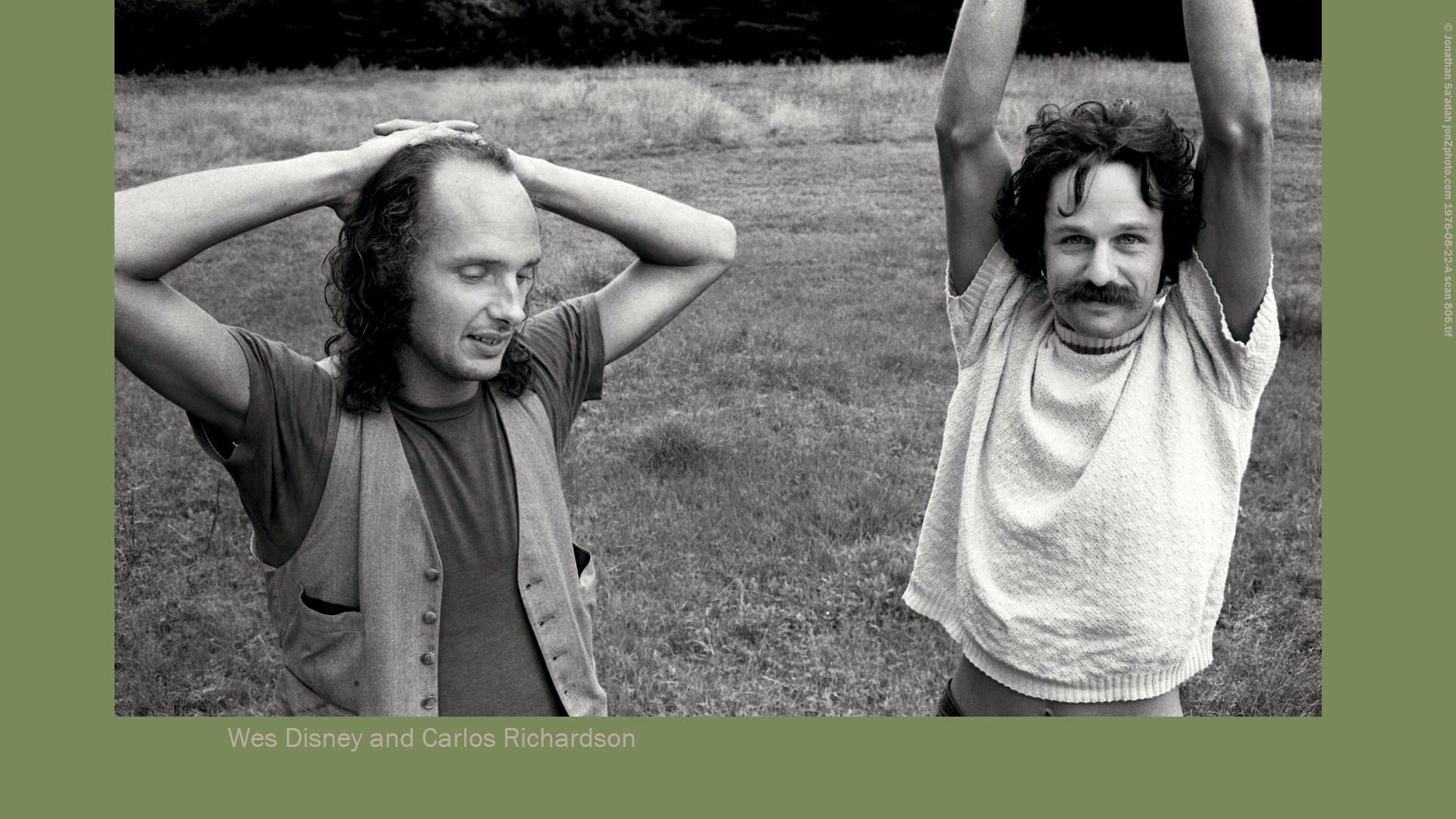
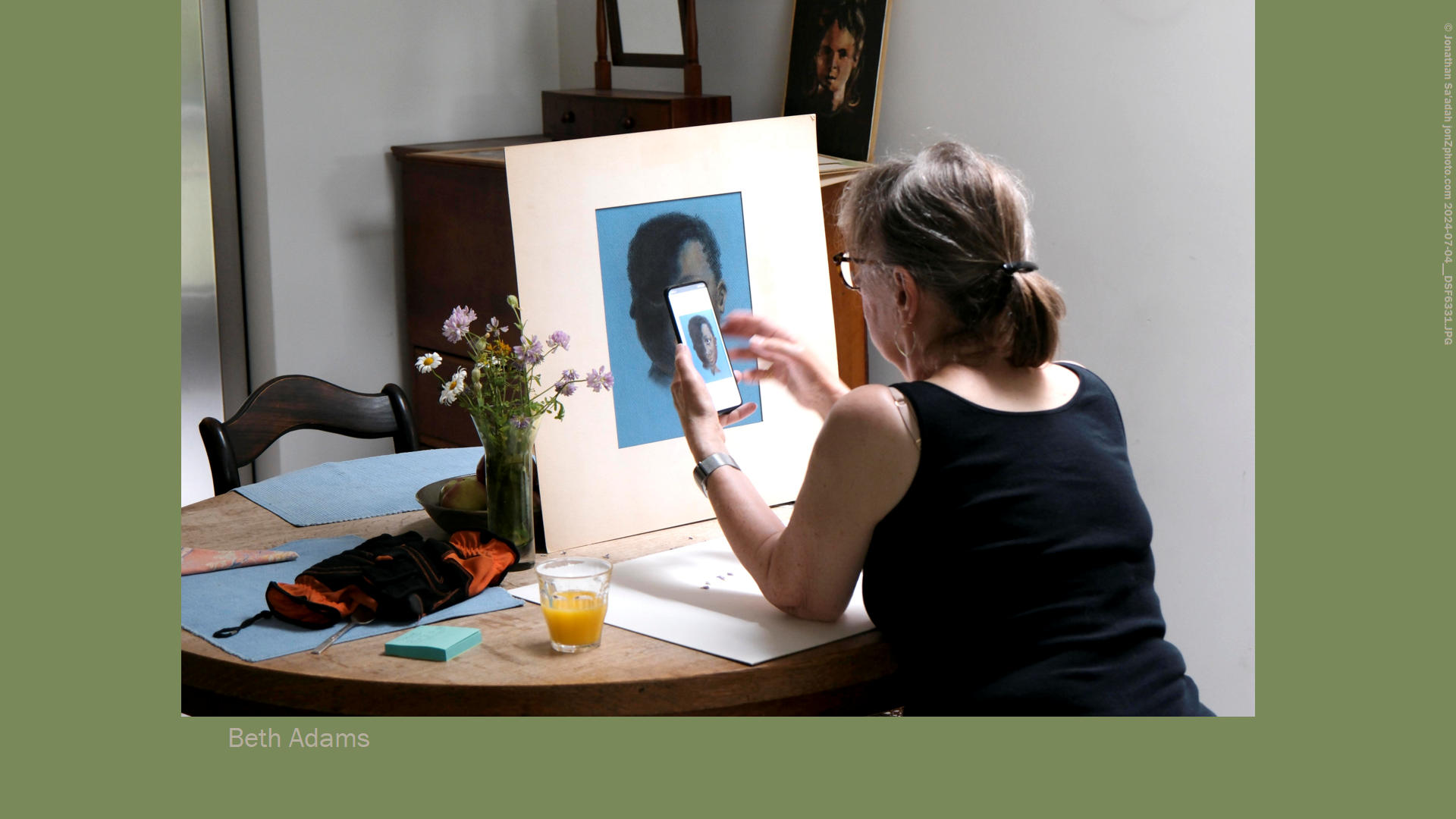
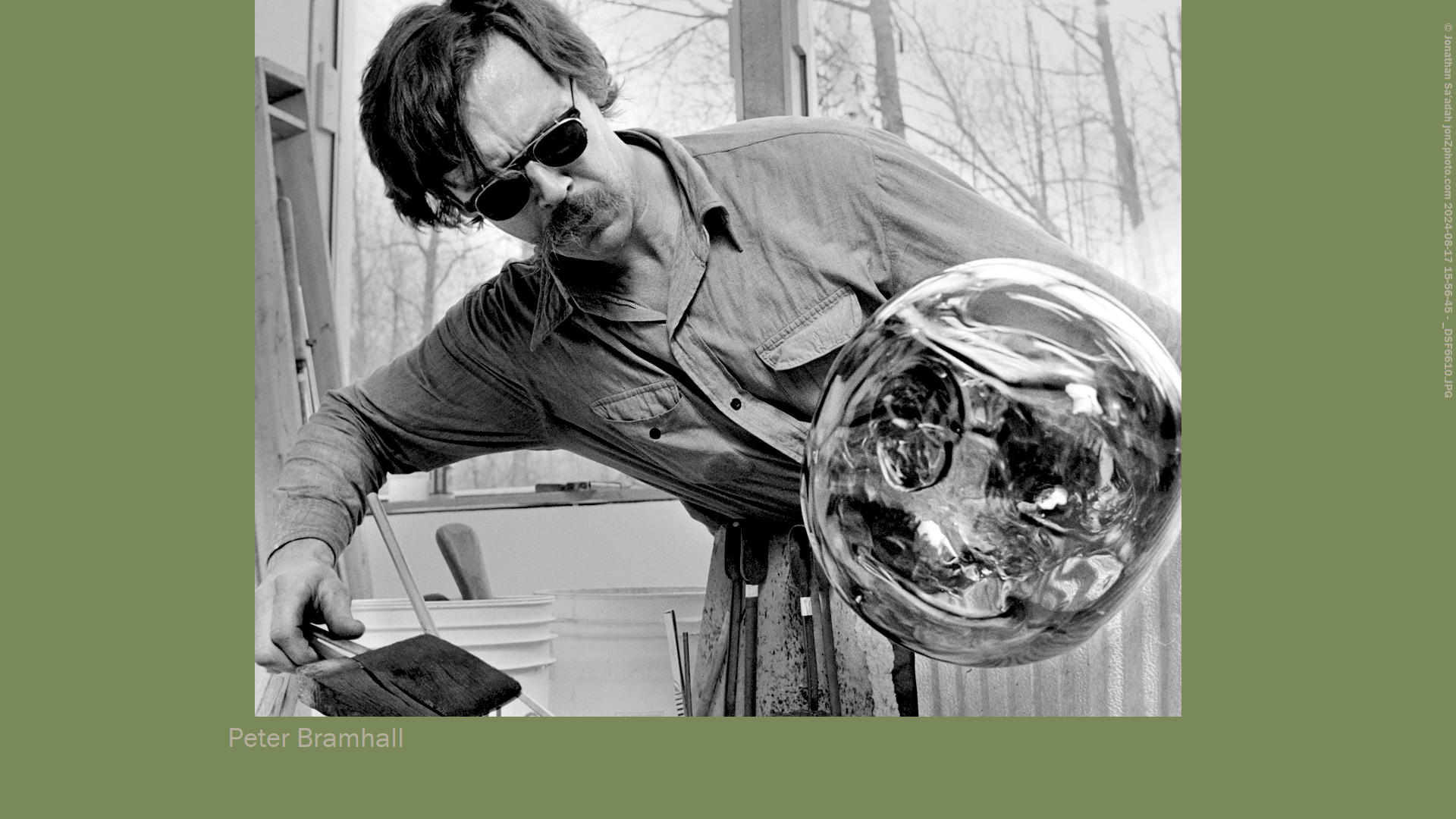
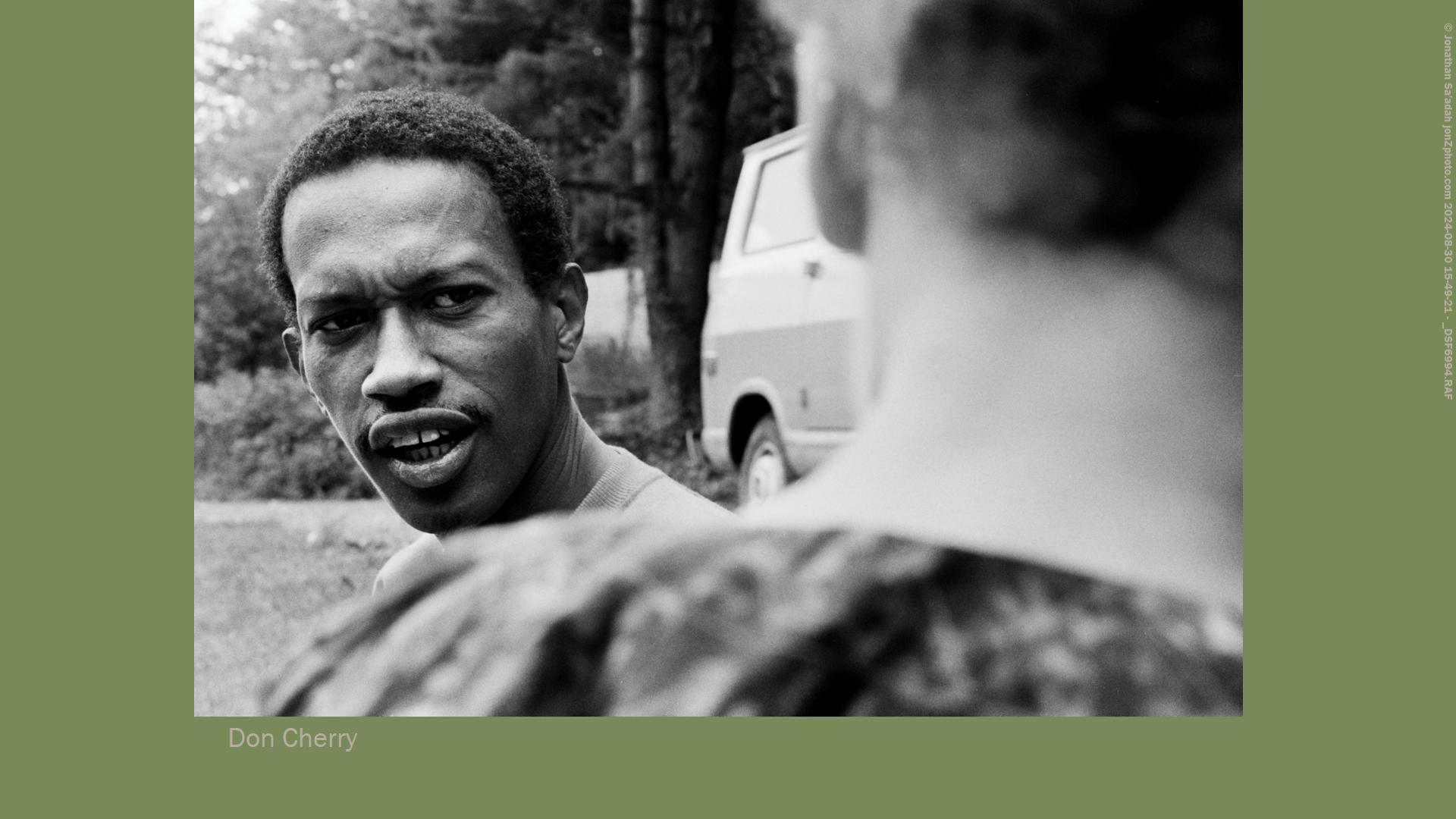
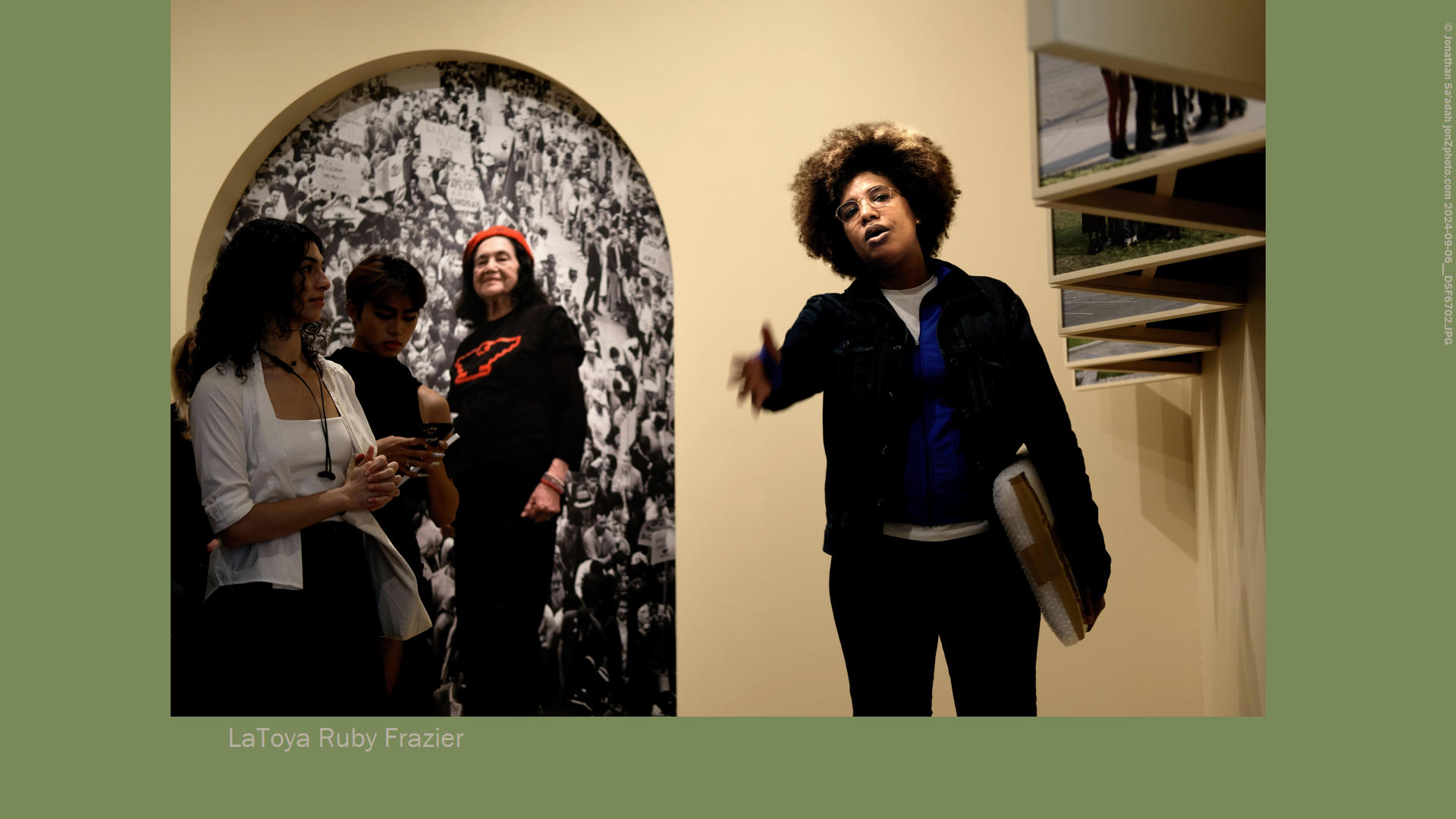
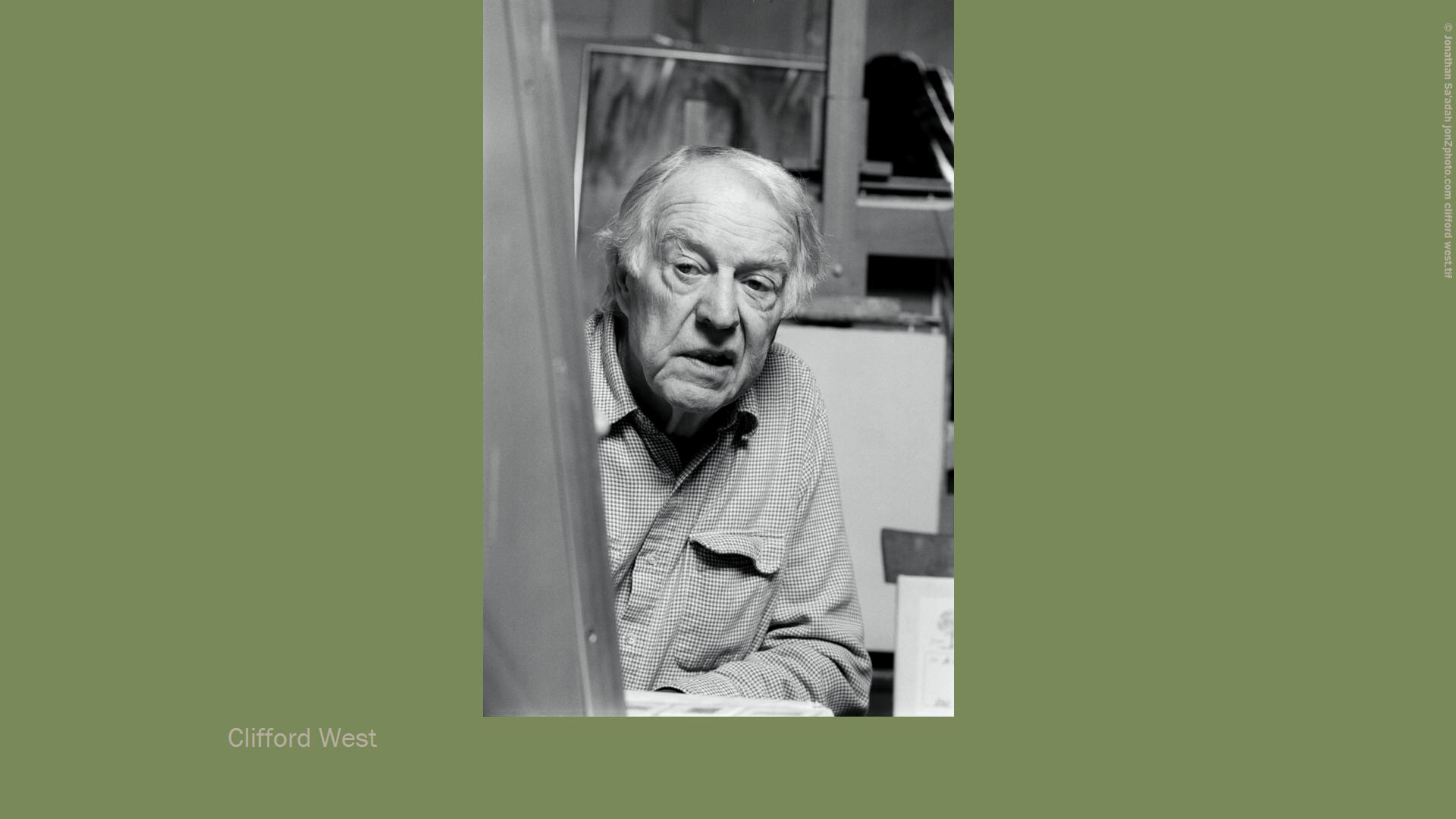
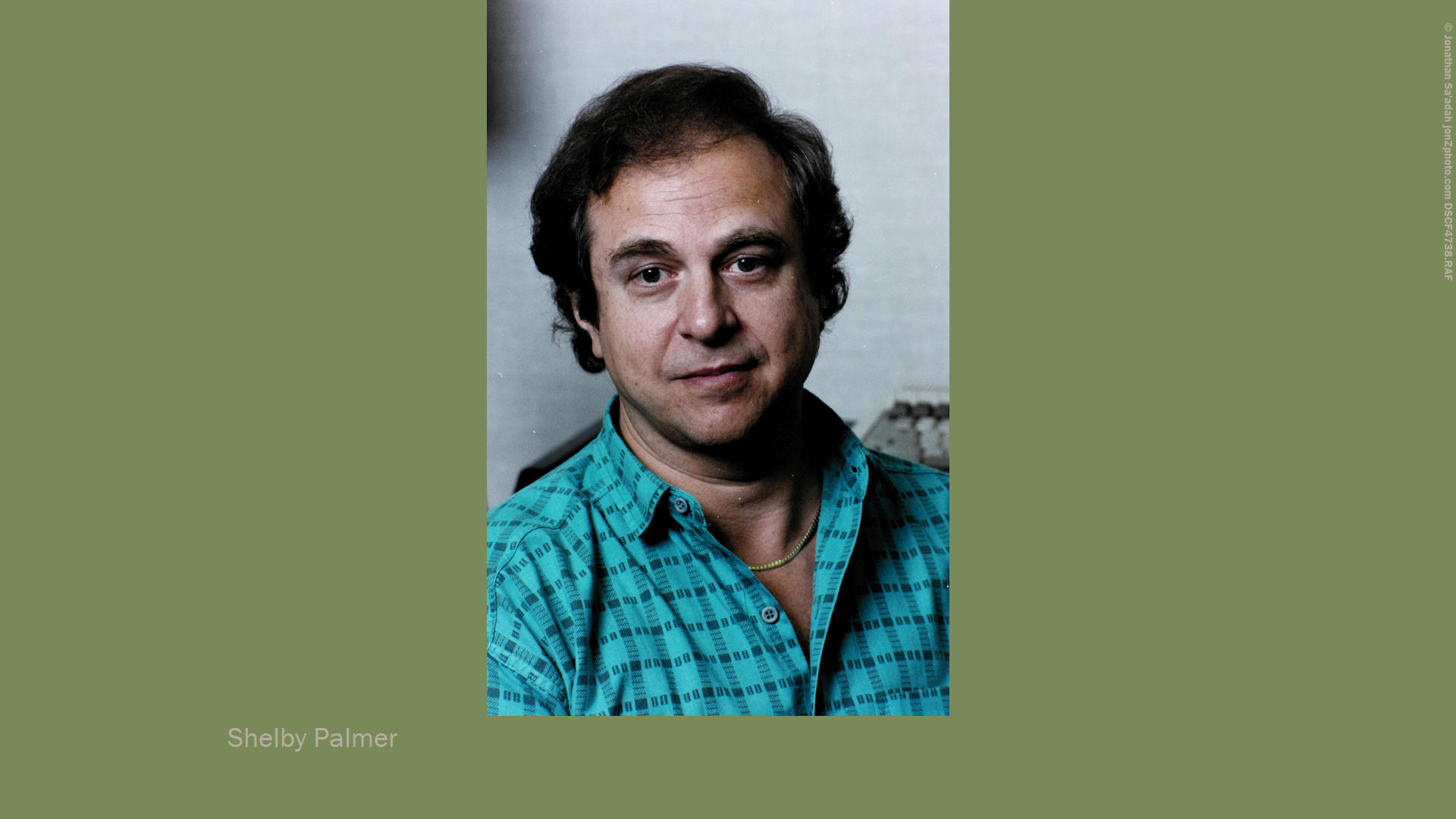
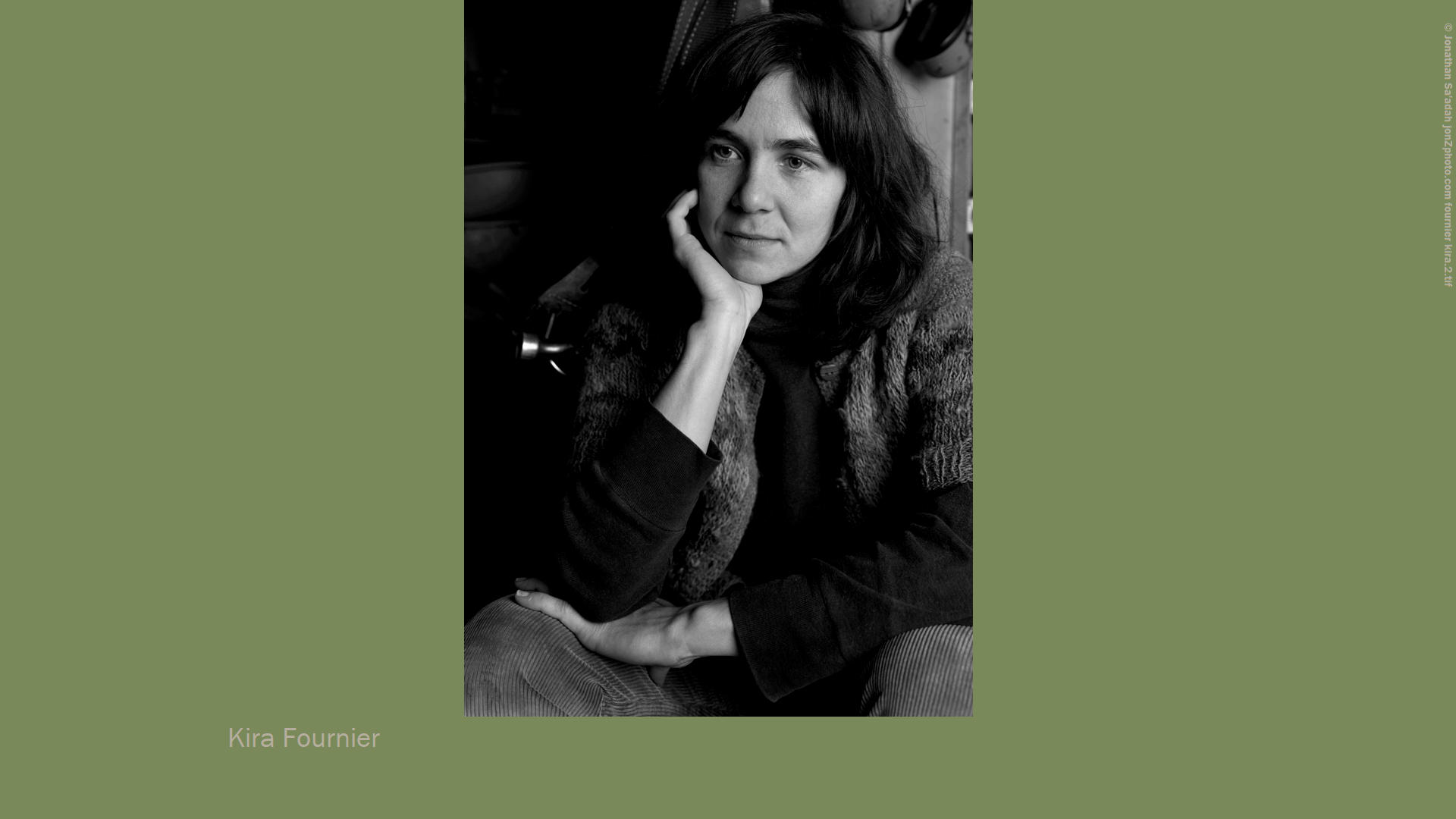
Looking over these portraits I realize just how passionate each of these people is about their work, and that’s undoubtedly what draws me to photographing them. There’s an exception in Neneh Cherry, who is shown as a child, but even then she was madly creative. There’s a lot of creativity in this group!
Category: Artists
-
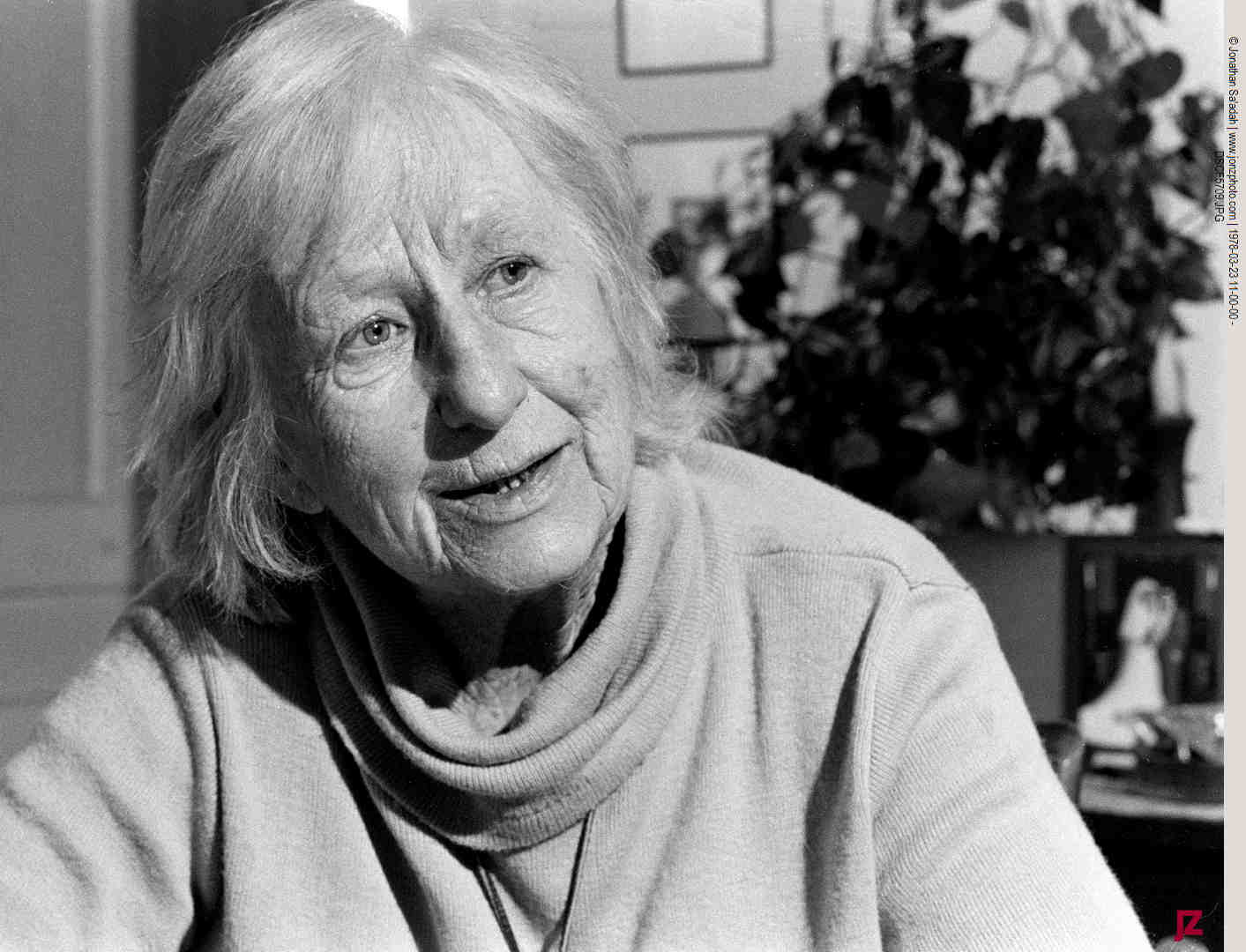
The Administrator’s Year: Running Vermont’s Most Radical CETA Arts Program
The history of American federal spending is littered with contradictions — moments when even unlikely leaders championed programs that would have lasting cultural impact. Such was the case with the Comprehensive Employment and Training Act (CETA), signed into law by President Richard Nixon in December 1973, not out of any particular regard for artists, but as part of a broader effort to combat unemployment during an economic downturn.
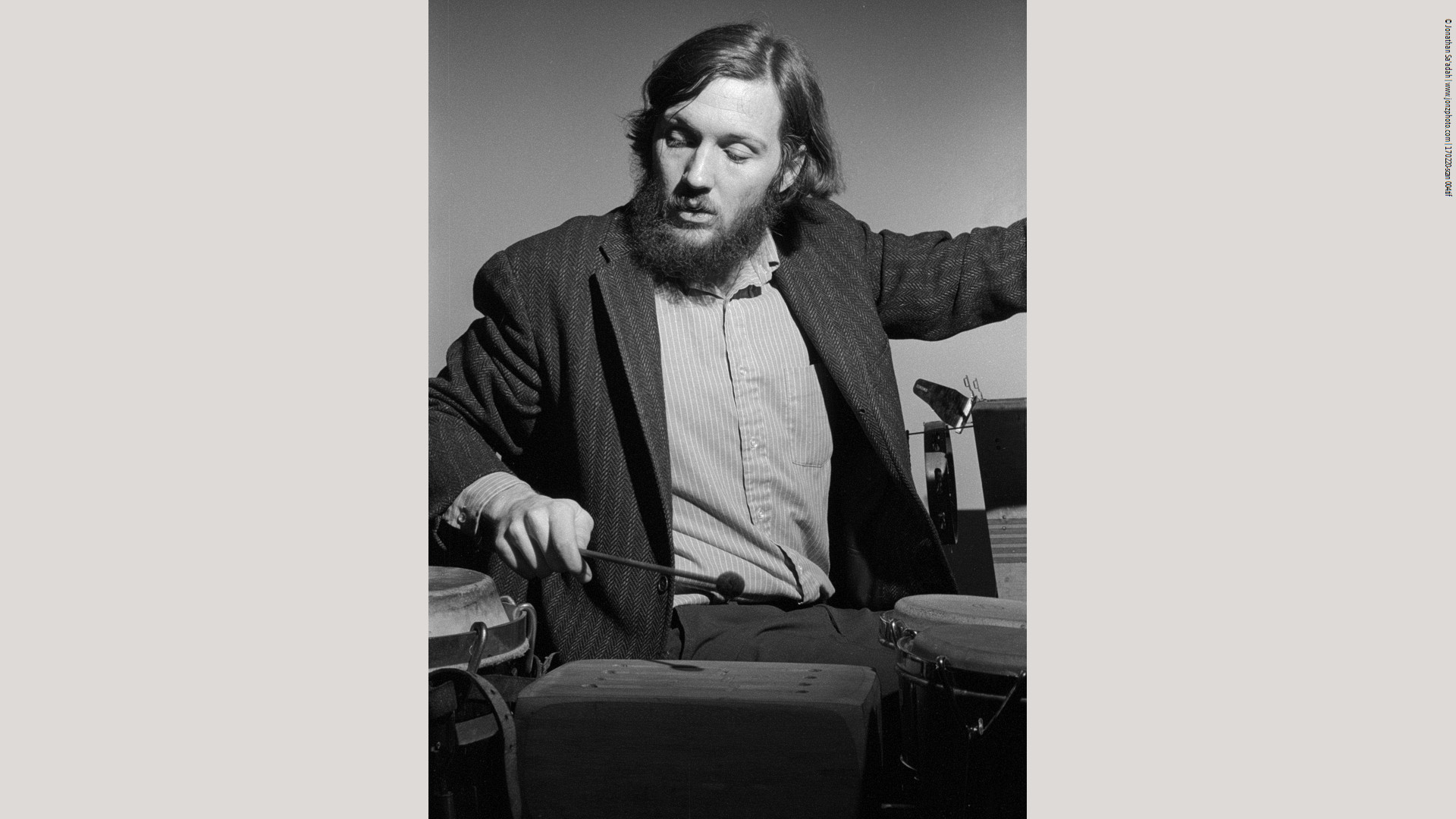
Even in 1978 it was obvious that Ron Hadley was going to have a career as a jazz keyboard player. Almost 50 years later, he has, but the CETA job helped him at the early part of his career with some stability and a time to focus on his own compositions. Yet between 1974 and 1981, CETA would prove to be a transformative lifeline for the American arts community. More than 20,000 artists received full-time employment through the program — the largest federal support initiative for creative workers since the Depression-era Works Progress Administration. What distinguished CETA from its 1930s predecessor was its fundamentally decentralized structure: rather than operating as a centralized federal program, CETA distributed funds through more than 500 local entities, allowing individual communities to shape arts employment according to local needs and priorities.
In Vermont, the state’s Arts Council became one such recipient, directing CETA funds towards organizations across the state for arts-related projects. At its peak, the program supported about 70 (exact number unknown) Vermont artists, paying them $10 per hour as teachers, radio stations producers, arts administrators/programmers embedded in community organizations, and ensemble performers — meaningful work that sustained a generation of creative workers in a state not known for deep pockets in the arts, and helped the organizations they were employed by. It also contributed to a rural ethos where Vermont drew radical artistic organizations and artists, such as the Bread and Puppet Theater, which moved to Glover and became a fixture in the state.
How I Became an Arts Administrator
In February 1977, I was hired to administer a program unique in Vermont and most likely in federal CETA history. The position came my way almost by accident. When Fonda Joy Segal, the renegade CETA administrator who had conceived and pushed through the program, began interviewing candidates, I lived nearby and was the first to walk through the door. Segal, a Brooklyn-born iconoclast who had met her husband while modeling at the School of Visual Arts in Manhattan and later moved to Vermont to open a health food store in Woodstock, saw something in me — or perhaps simply recognized that I was willing to take on the work.
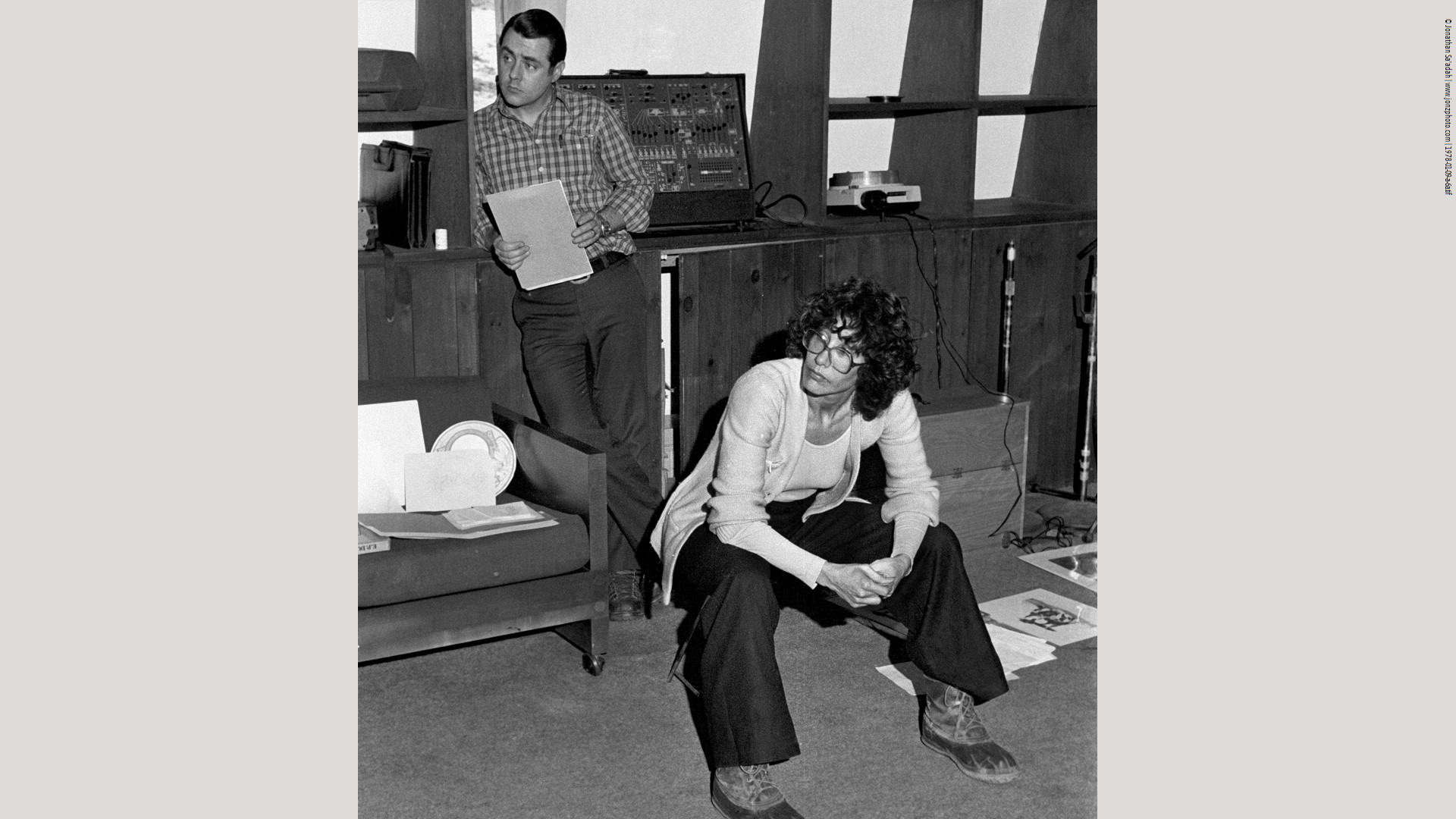
Fonda Segal and Bill Schubert (owner of Philo Records) reviewing portfolios during the artist selection process. Ferrisburg, Vermont, January 1978. 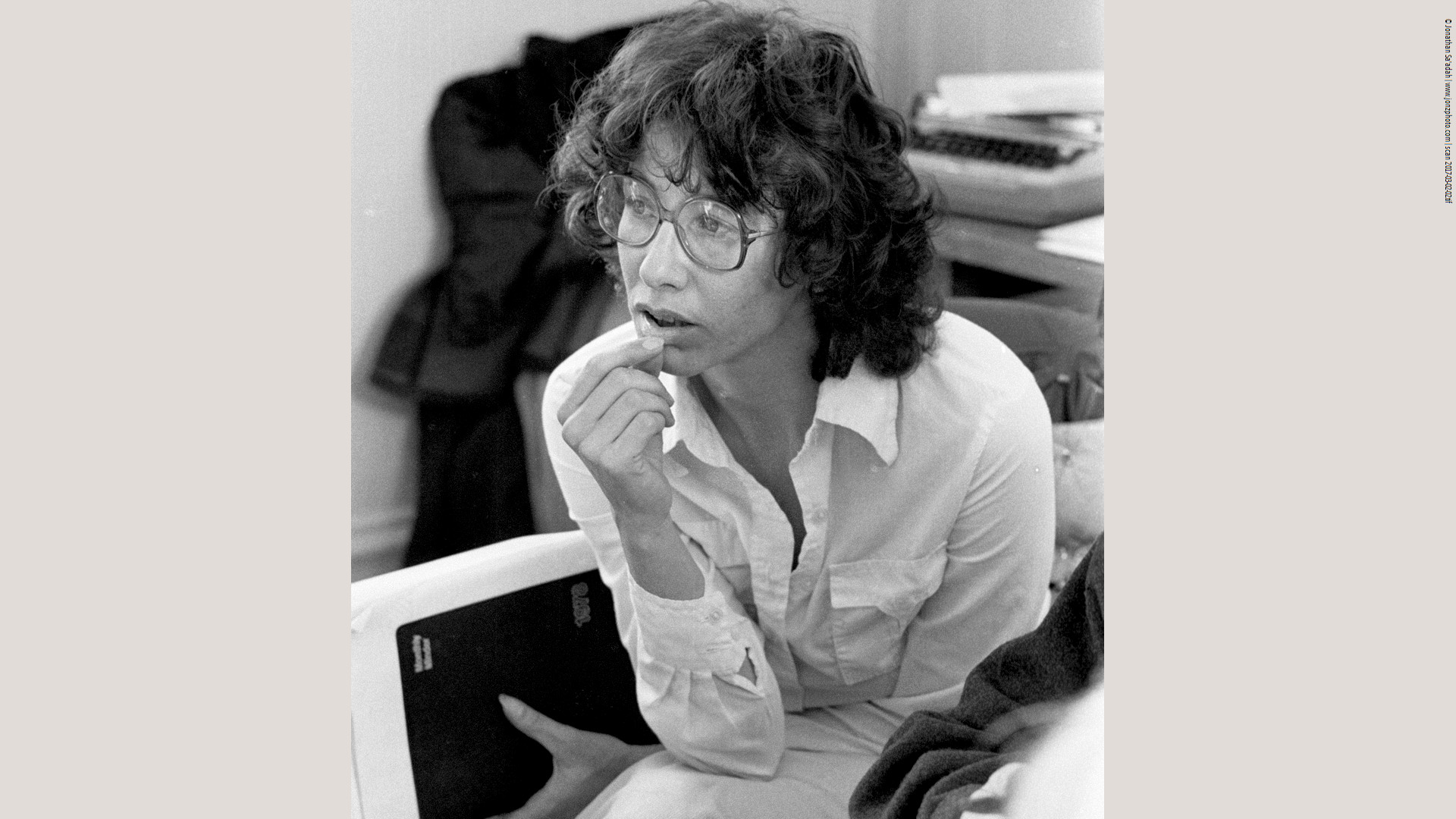
Fonda in the program’s “administrative office”, shared with Pentangle Arts in Woodstock, Vermont. She offered me the job on the spot. I accepted, grateful for the steady income and intrigued with the prospect of traveling across Vermont to meet working artists. I had no way of knowing, in that moment, that this program would be one of the most experimental and short-lived arts programs launched by the arts “establishment” of the state.
“Vermont Images” was Segal’s brainchild, and it represented a radical departure from how CETA funds were typically deployed. While other CETA programs paid artists to teach in schools or participate in cultural organizations, Vermont Images took a different approach entirely: it provided direct financial support to seven selected artists to pursue their own creative work, without any obligation to teach, exhibit, or serve institutional needs. It was unconditional support — a rarity in the bureaucratic world of government arts funding.
My job was to make it work. As administrator, I was responsible for periodically meeting with each of the seven artists, monitoring the program’s progress, and coordinating the logistics of what was, in many ways, an act of faith in artistic practice itself.
A Year Traversing the State
Over the course of the program’s single year of operation, I traveled the length and breadth of the small state of Vermont. I crossed the Green Mountains. I drove through villages and rural hamlets. I found myself in the private creative spaces of serious working artists — people who had committed themselves to their practice despite the economic precarity that typically defines artistic life.
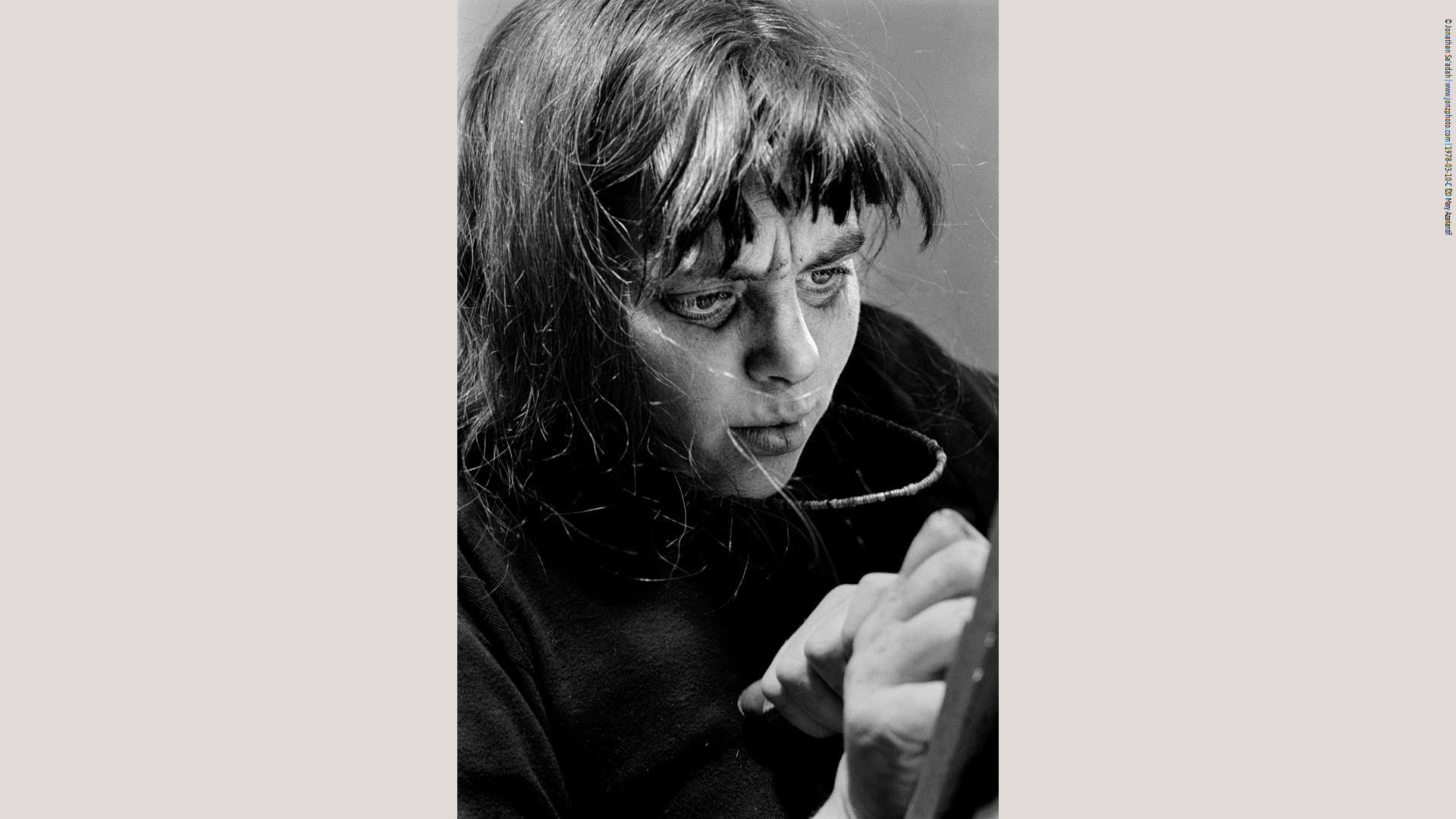
Mary Azarian lived (and lives) on a family hilltop farm in Vermont. Her woodcuts are widely published and have won many awards. She also publishes books through the Farmhouse Press. What I witnessed, from studio to studio, was the tangible impact of unconditional support. These seven artists — selected by Segal with an advising committee — represented the kind of working creatives who sustained Vermont’s cultural life but rarely received institutional recognition or steady income. For them, Vermont Images was not a stepping stone or a credential-building opportunity. It was a lifeline. The support I helped administer allowed them to continue their work, to deepen their practice, and to remain in Vermont rather than perhaps migrating to larger cultural centers where opportunities for artists were more abundant.
I learned something during that year that bureaucrats and institutional administrators often miss: the direct correlation between financial security and artistic flourishing. I saw how steady income removed the constant anxiety that forces artists to abandon their studios for survival jobs. I understood, from conversations and studio visits, how meaningful the program’s support had been in these artists’ lives.
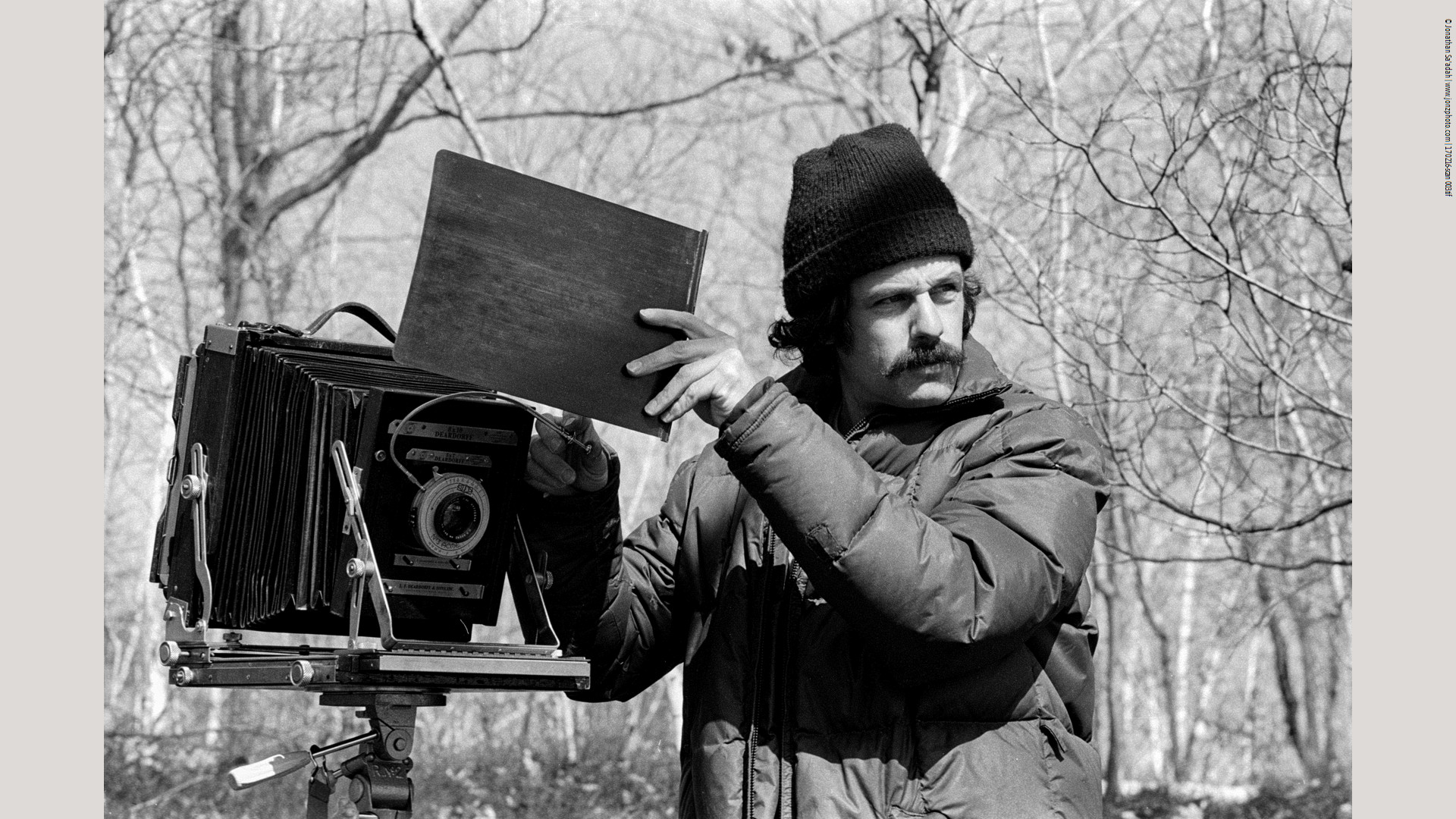
Carlos Richardson used negatives taken with an 8×10 view camera in making platinum prints. He had a career as a teacher and a photographer. The Clash Between Vision and Institution
But Vermont Images existed in tension with the institution that housed it. The Vermont Arts Council itself was run by Ellen McCulloch-Lovell, an establishment-oriented administrator more at home navigating institutional relations and political support than thorny artist questions. McCulloch-Lovell deserves credit for building up Vermont’s arts infrastructure and contributing substantially to the state’s cultural development. But her orientation was fundamentally different from Segal’s — and mine, by extension.
Where McCulloch-Lovell thought in terms of institutions, infrastructure, and sustainability, Segal thought in terms of artists and creative need. Vermont Images represented that artist-centered philosophy taken to its logical conclusion: direct support, no strings attached, no institutional mediation.
It was too free-form for the Vermont Arts Council. The program was not renewed.
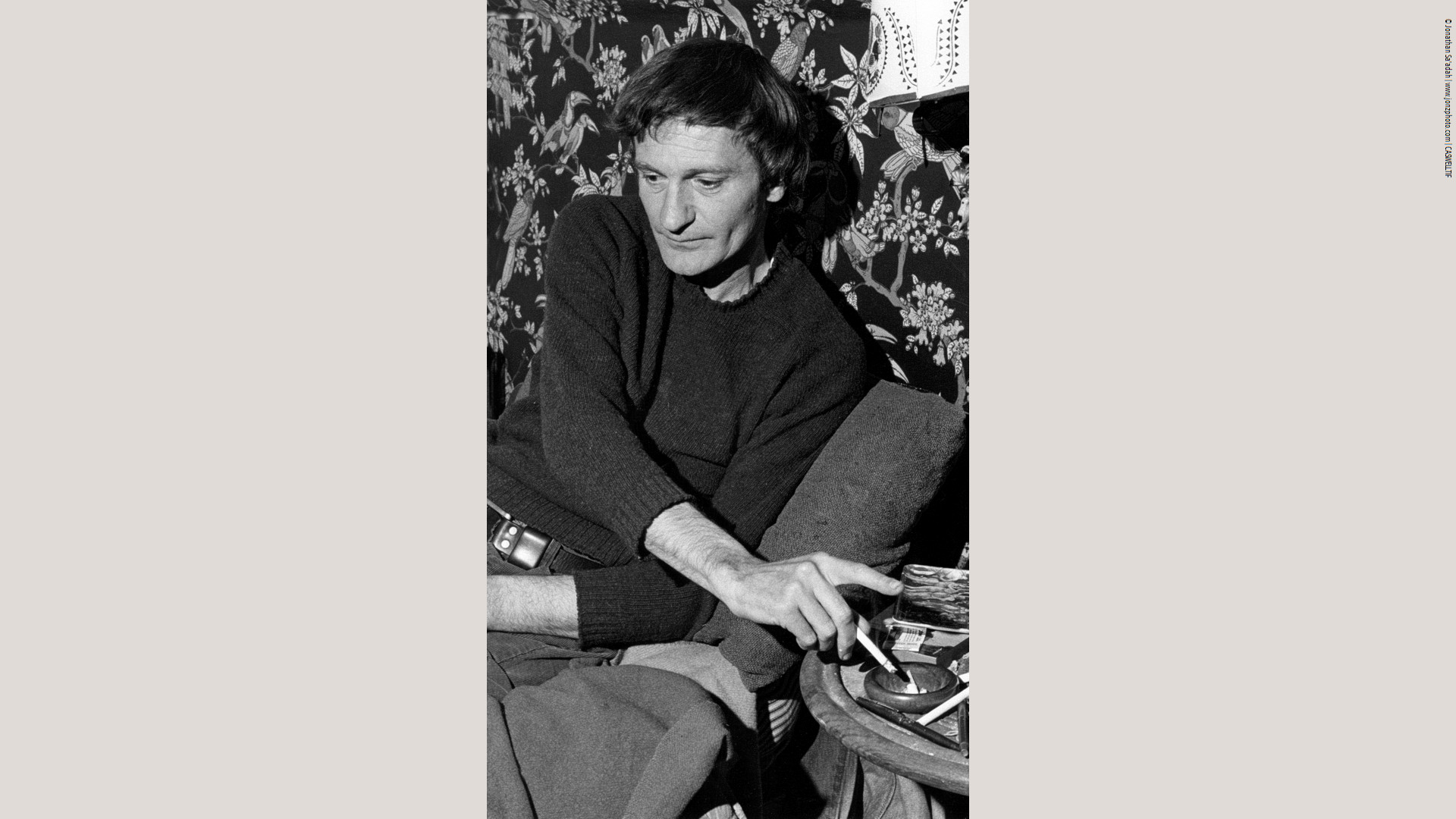
Robert Caswell was a poet and professor in Burlington Vermont. He taught at the University of Vermont in the English department and is remembered for his book Exiled from North Street. He died in 2014. In any case, nationally the CETA program was winding down. When Ronald Reagan took office in 1981, he moved quickly to terminate CETA altogether, abruptly ending a decade of federal arts employment support. The remaining CETA programs in Vermont, which had continued to support artists working with cultural institutions, were shuttered. The experiment was over.
A Glimpse of What Was Possible
My year as administrator of Vermont Images offered a rare window into what federal arts support could look like when bureaucracy stepped back and trust stepped in. It had a modest budget and seven artists to support — not enough to transform the state’s cultural landscape, but enough to change the lives of those seven people, and myself. I had traversed Vermont’s back roads and witnessed creative practice in its most authentic form, unmediated by institutional necessity.
The program lasted only a year. It never grew. It was deemed too unconventional to continue. But for those seven artists, and for me, it represented something exceedingly rare in American life: a government program designed not to serve the state’s interests, not to build institutions, not to create measurable outcomes — but simply to support artists in doing their work.
That simplicity, that directness, that trust in creative practice itself — these things made Vermont Images worth remembering, even fifty years later.
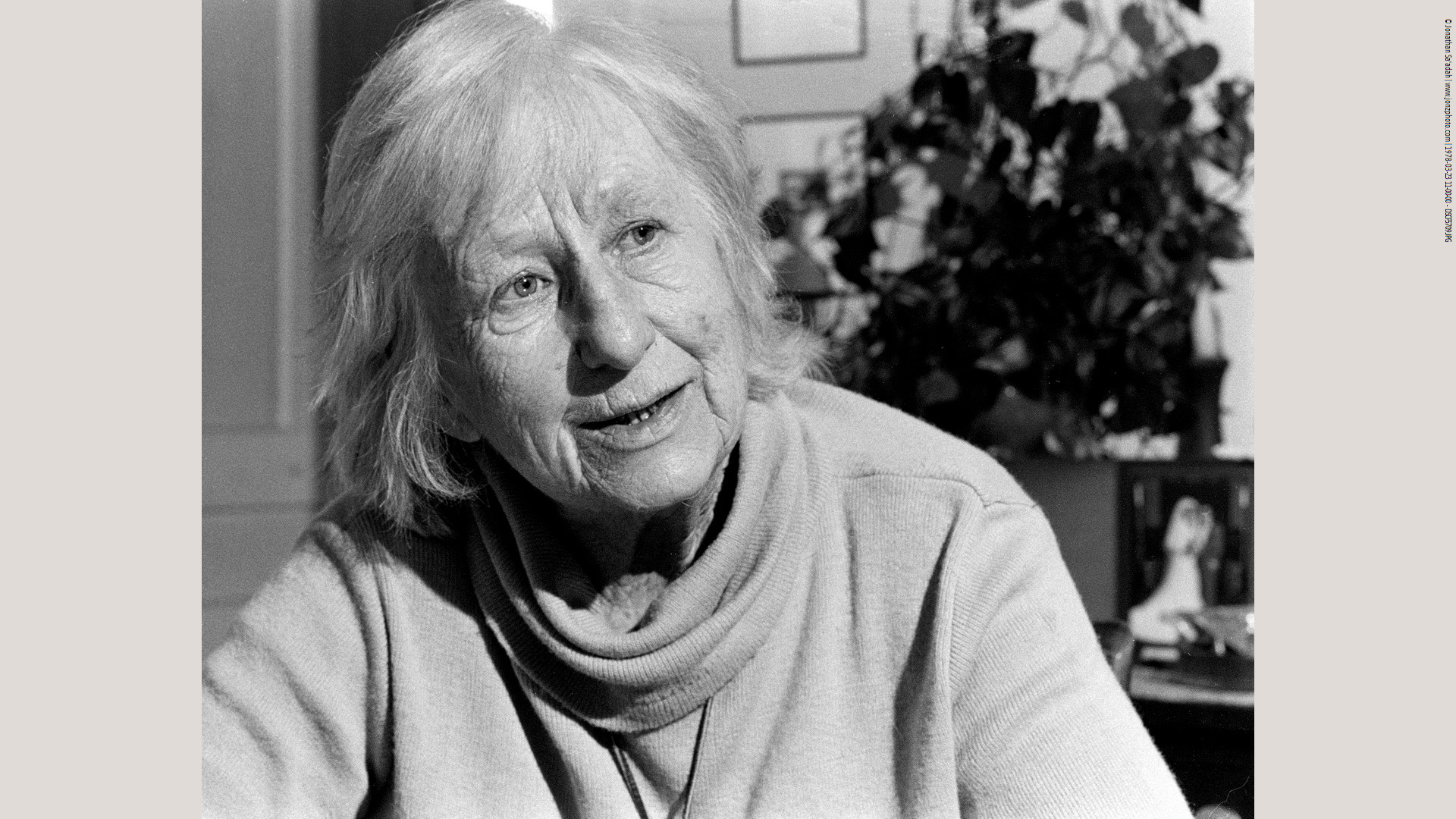
Ernestine Pannes was a cross-dispciplinary researcher and writer, and was always exceedingly hard to pigeonhole. The committee decided that her research as a sociologist met the test for artistic work and supported her project studying the Vermont town of Weston. Her work was published under the title Waters of the Lonely Way. -
Side by Side with Don Cherry: Notes from the Moki Years
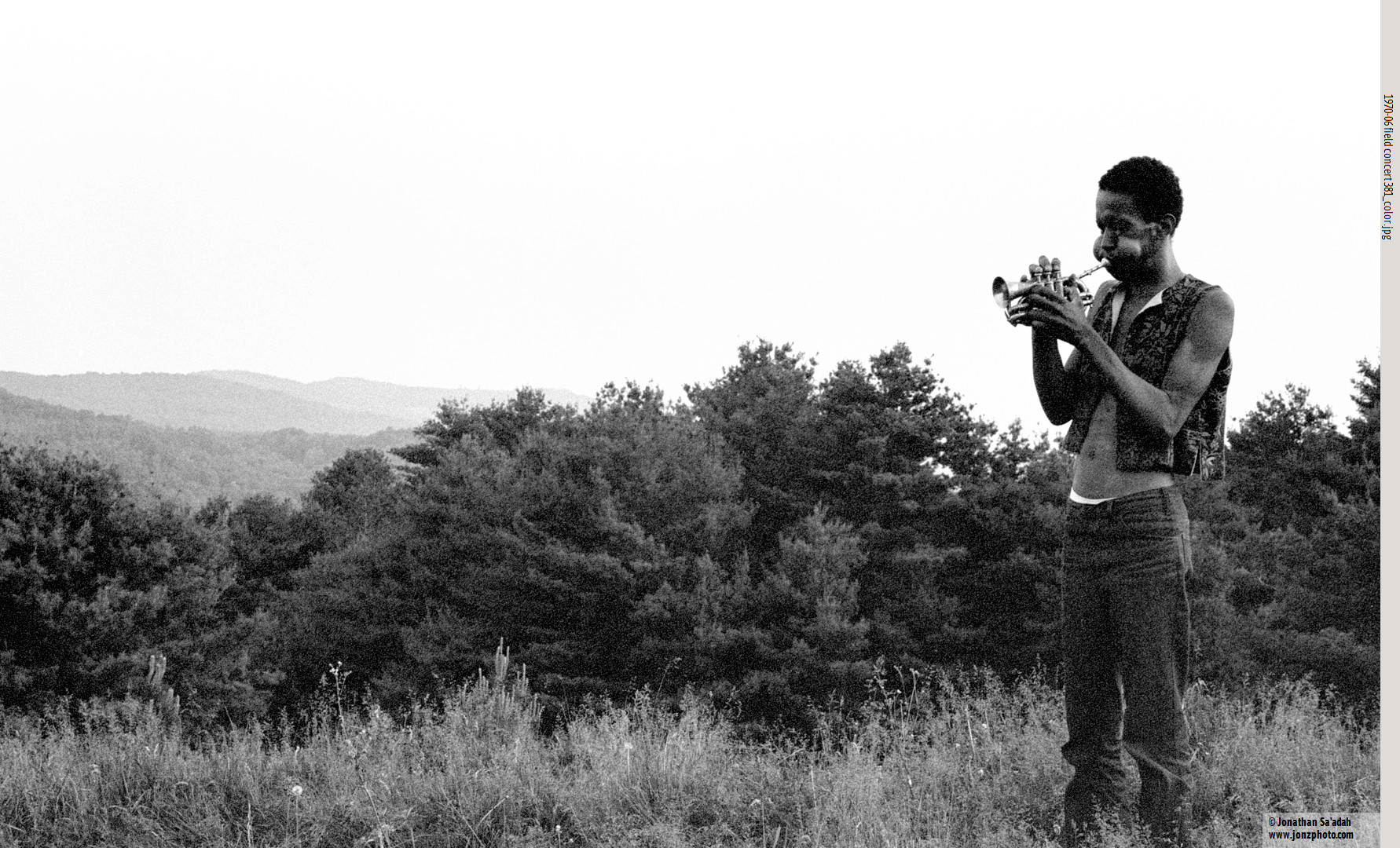
Concert For a Field (Thetford, Vermont, 1970) Don Cherry was always evolving, both a teacher and a student, moving on a musical and personal journey through many related but different landscapes. In the six years (1970 to 1976) when I knew him well, he was exploring a holistic fusion of life, art, and sound developed with his wife, Moki Cherry. For much of that time they worked out of their base in an old schoolhouse in southern Sweden.
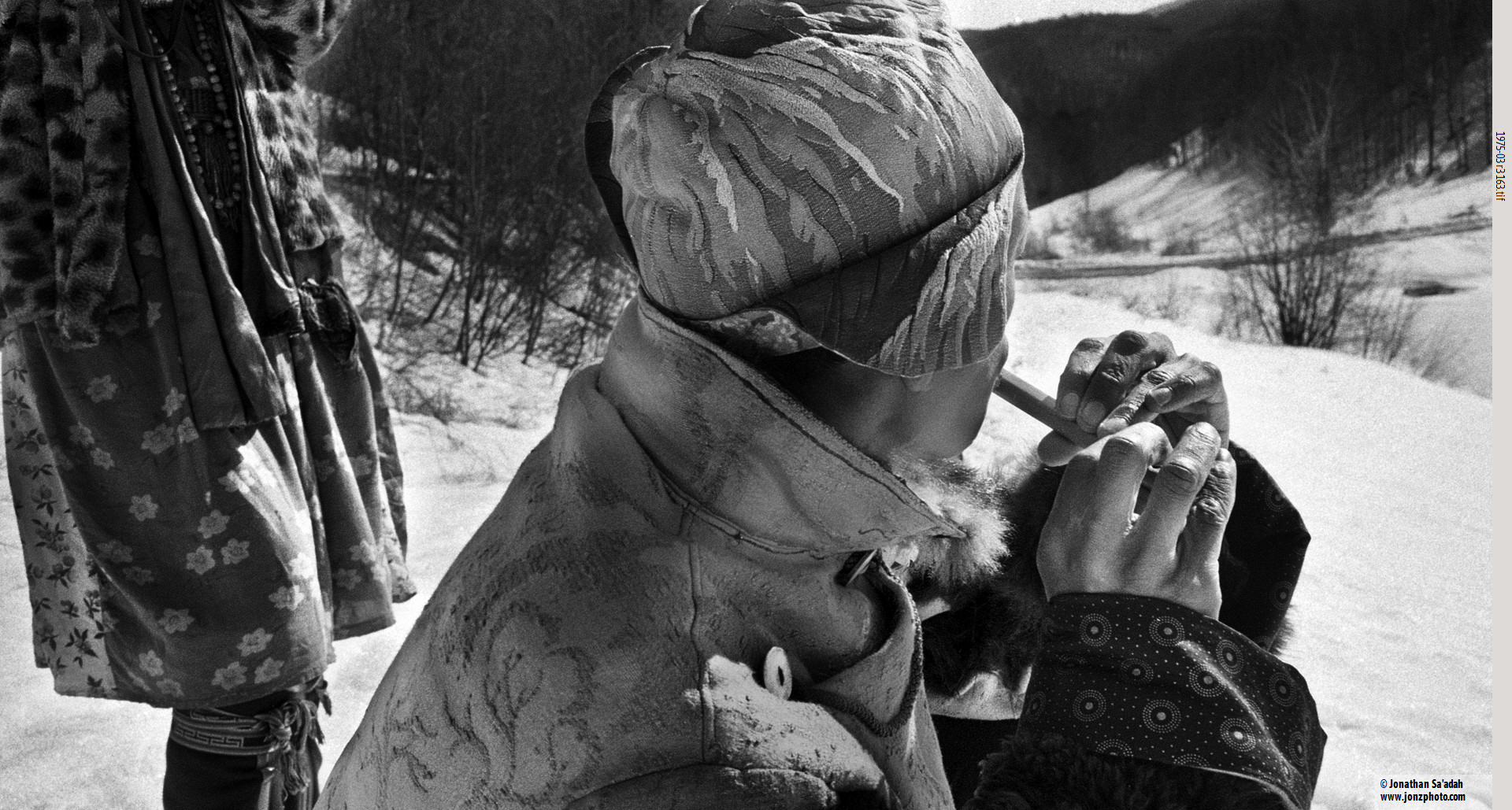
Barnett, Vermont, 1975.
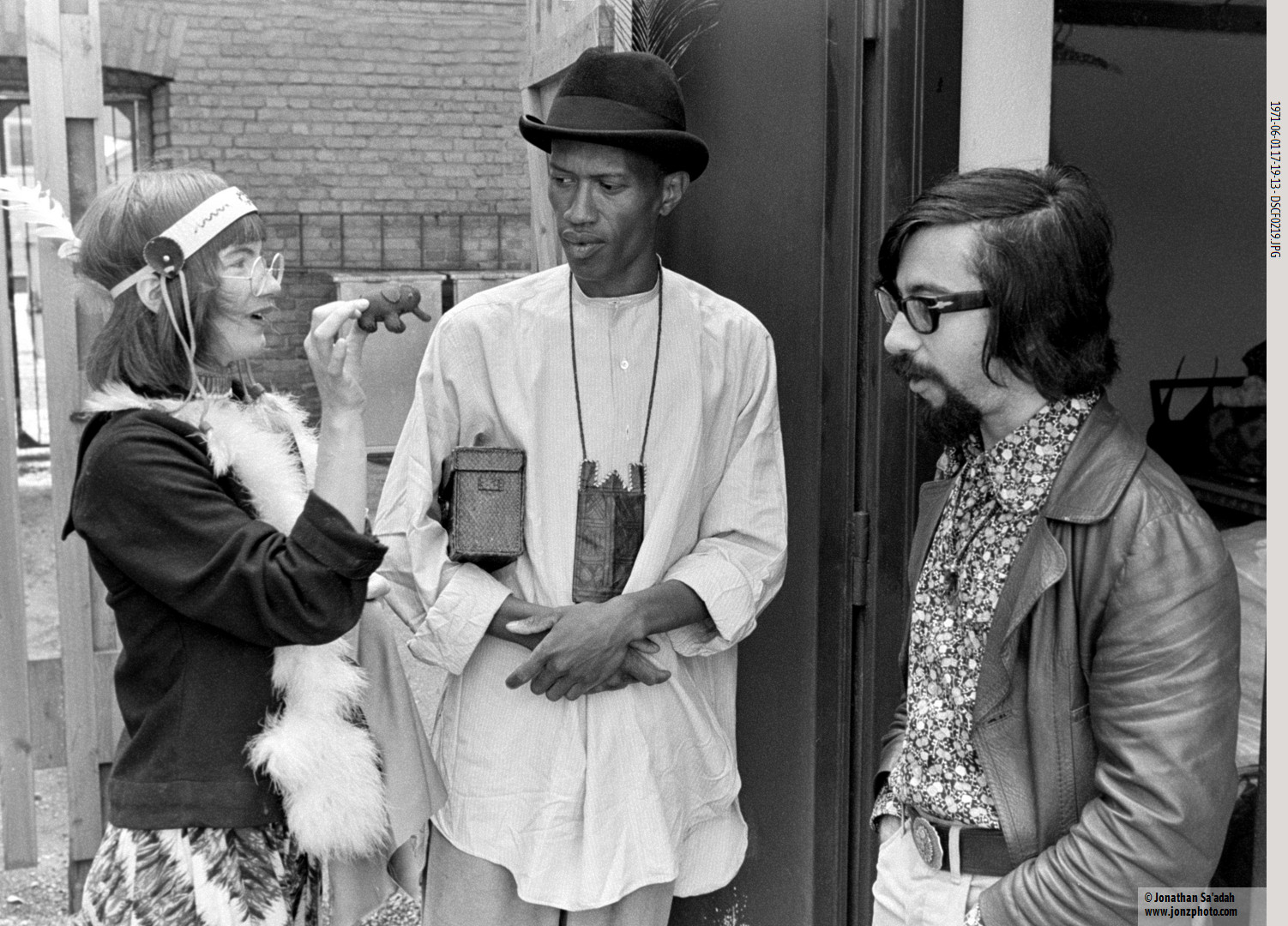
As part of his evolution as a musician Don was always collecting and studying instruments from across the globe: the doussn’gouni (Malian hunter’s harp), bamboo flutes, and various percussive instruments. He learned through the exchange of tapes and travel/sharing with other musicians. His 1975 album Brown Rice exemplified this synthesis, incorporating Indian scales, Middle Eastern modalities, and African rhythmic structures well before the tag “world music” even existed. Collaborations with Turkish drummer Okay Temiz further cemented Cherry’s commitment to what he viewed as a universal musical language, unencumbered by geographic or genre boundaries.Don and Okay Temiz seem a little skeptical of Moki’s elephant. (Stockholm, 1971) 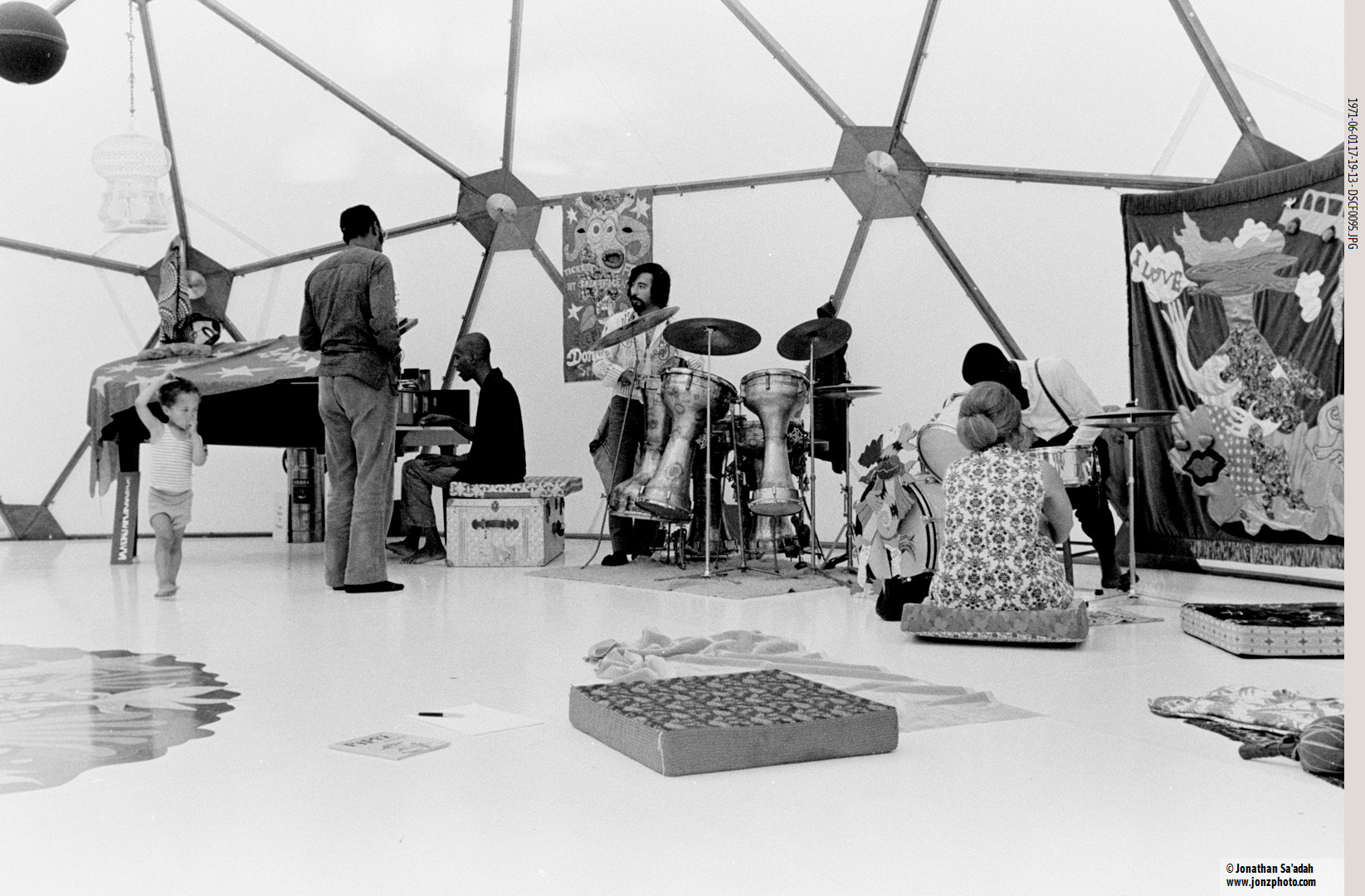
Moki and Don’s collaboration at the Moderna Museet. Okay Temiz in the centre. (Stockholm 1971)
Don’s weakness was his on-and-off heroin addiction, which Moki fought against through her love and attempting to keep him physically separated from the people and places that encouraged him to backslide. It was not an easy life, but he was a man who gave a lot to the people he cared for, and I was grateful to be in his and Moki’s creative family for the years that I was.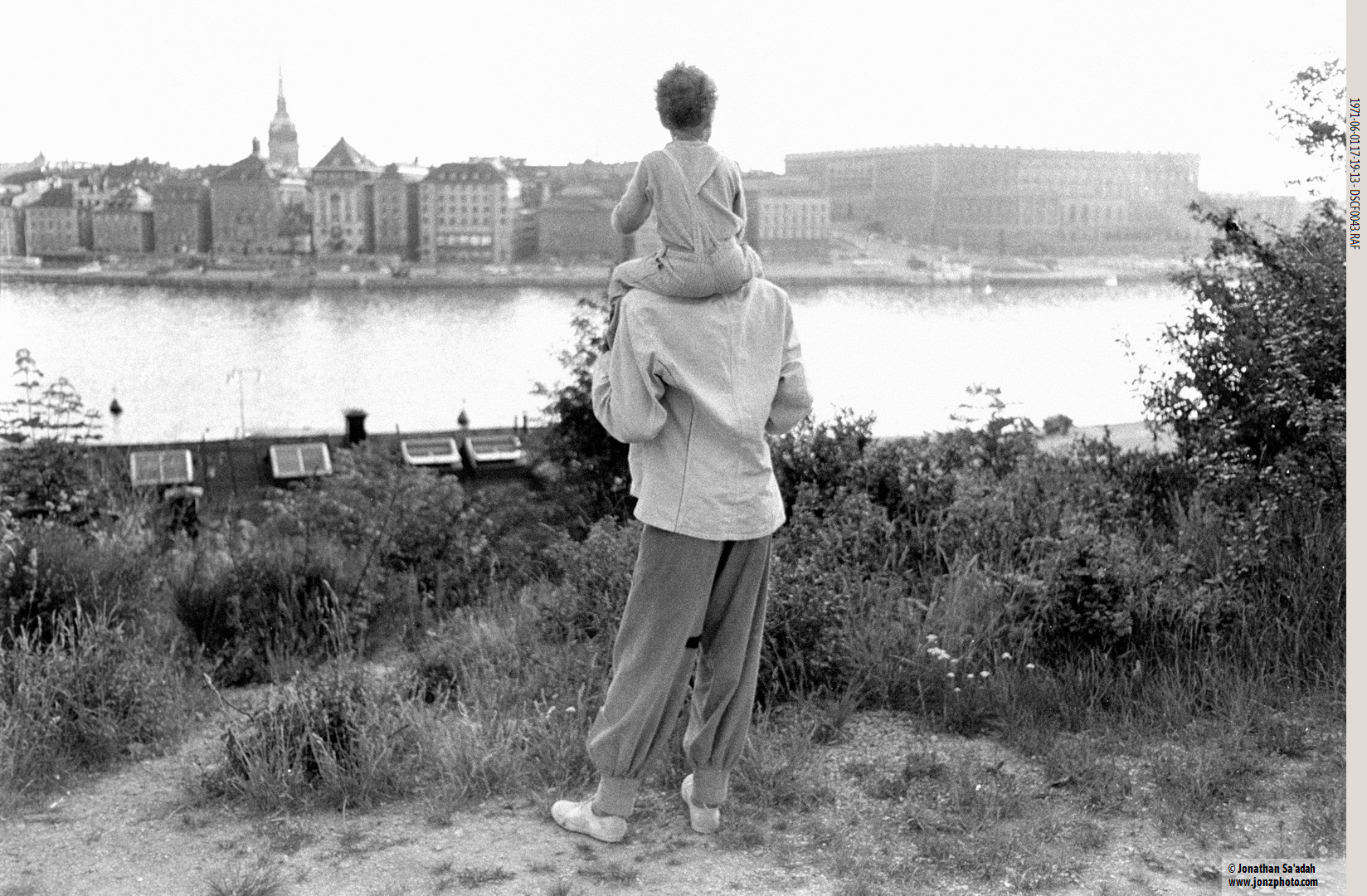
Don Cherry with his son, Eagle-Eye, looking out at Gamla Stan. (Stockholm, 1971) -
Joseph Losey: The Blacklisted American Director Who Found Redemption in European Cinema
Hollywood exile Joseph Losey transformed from a promising American filmmaker into one of Europe’s most celebrated auteurs after fleeing McCarthyism in the 1950s. His journey from blacklisted director to celebrated European master of psychological cinema reveals both the destructive power of political persecution and the resilience of artistic vision.
Decades after his death, critical studies continue to emerge about Joseph Losey’s work and life. In an industry where few directors achieve lasting recognition, Losey’s enduring influence stems from his unique position as an American artist who found his voice in European exile, creating films that bridged continental sensibilities with Hollywood craftsmanship.
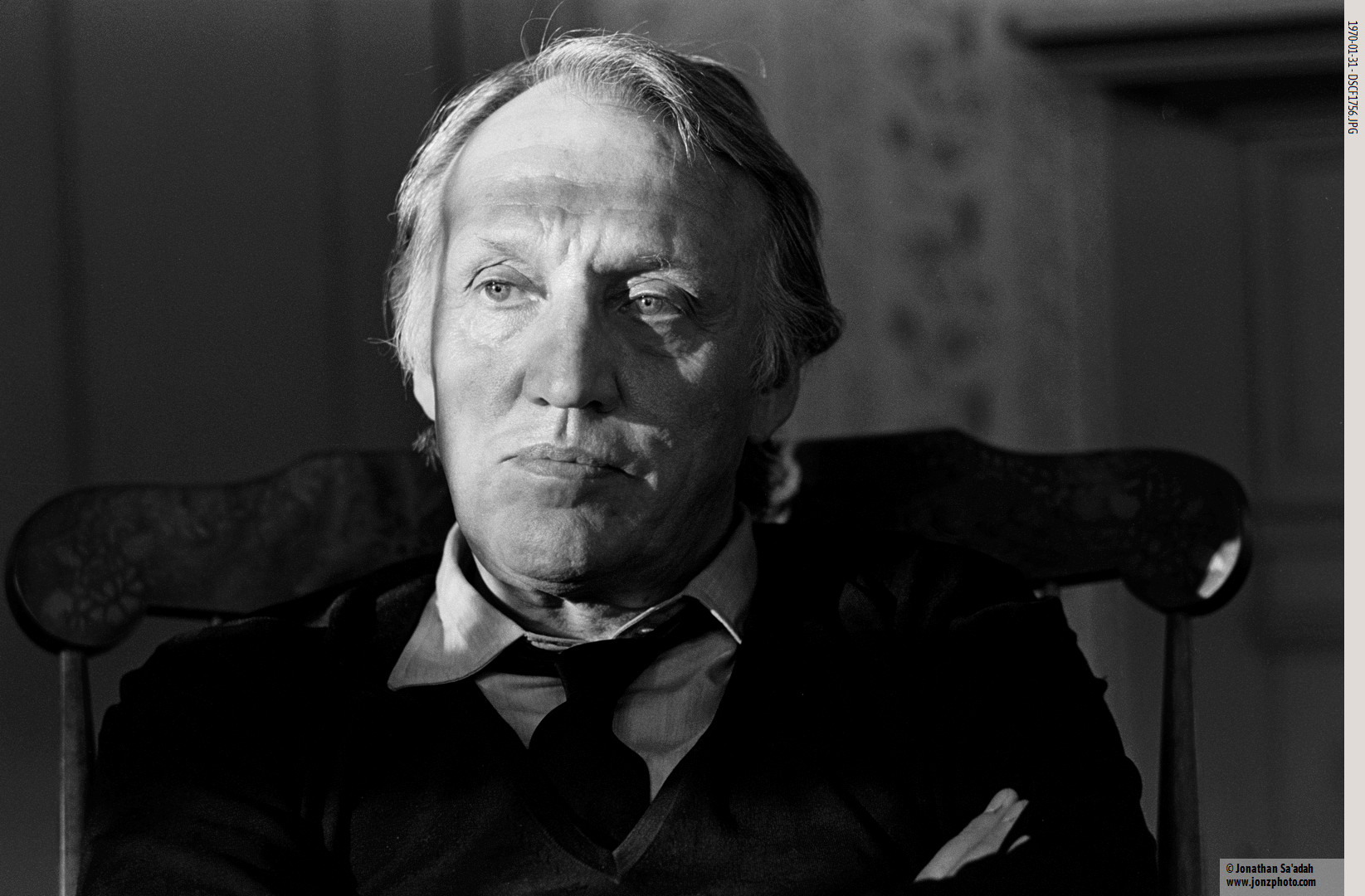
▲ Joseph Losey as guest professor at Dartmouth College, 1970, in his first trip back to the United States after his forced departure due to blacklisting. He was given an honorary doctorate by the college three years later. From Privilege to Exile: The Making of an Artist
Born into a family with a history of wealth and privilege, Losey’s immediate circumstances were more modest. His grandfather had not bequeathed his fortune to Losey’s father, Joseph Losey II, who worked as a claim agent for the Burlington Railroad after failing to complete college. Despite reduced circumstances, Losey grew up surrounded by culture and arts through his aunt’s connections in La Crosse, Wisconsin. Her home was a large estate where renowned musicians like Sergei Rachmaninoff and Jascha Heifetz would stay (and rehearse) when they visited the city for performances.
This early exposure to high culture shaped Losey’s artistic sensibilities. He pursued undergraduate studies at Dartmouth and graduate work at Harvard, later traveling to Russia to study film. Upon returning to the United States, he was hired by Hallie Flanagan, National Director of the Federal Theater Project, to work on the groundbreaking Living Newspaper project in New York. The work, already controversial with right-wing critics, would later contribute to his political troubles.
Losey’s career trajectory seemed destined for success when Dore Schary, head of production at RKO, offered him his first directorial position in 1948. However, his fortunes changed dramatically when Howard Hughes acquired controlling interest in RKO. Hughes offered Losey a “poison chalice” – directing I Married a Communist – which Losey categorically refused. This decision effectively ended his relationship with RKO. A year later, and after much trouble, he was released from his contract and allowed to work for Paramont, but by then J. Edgar Hoover’s FBI had flagged him as a communist sympathizer.
The European Renaissance
Rather than testify before Joseph McCarthy’s committee and implicate fellow leftists, Losey chose exile. His departure from the United States was hurried and unplanned, arriving in Europe without work and with tenuous legal status. His passport renewals were always uncertain, often valid for only two years, and work permits presented constant challenges.
The early European years were marked by financial hardship and professional humiliation. Losey directed low-budget genre films under pseudonyms to protect his collaborators from blacklisting. Yet these difficult circumstances proved transformative. The European film industry, particularly French critics, proved more receptive to his evolving style as he developed the complex themes of alienation, outsider status, and social critique that would define his mature work.
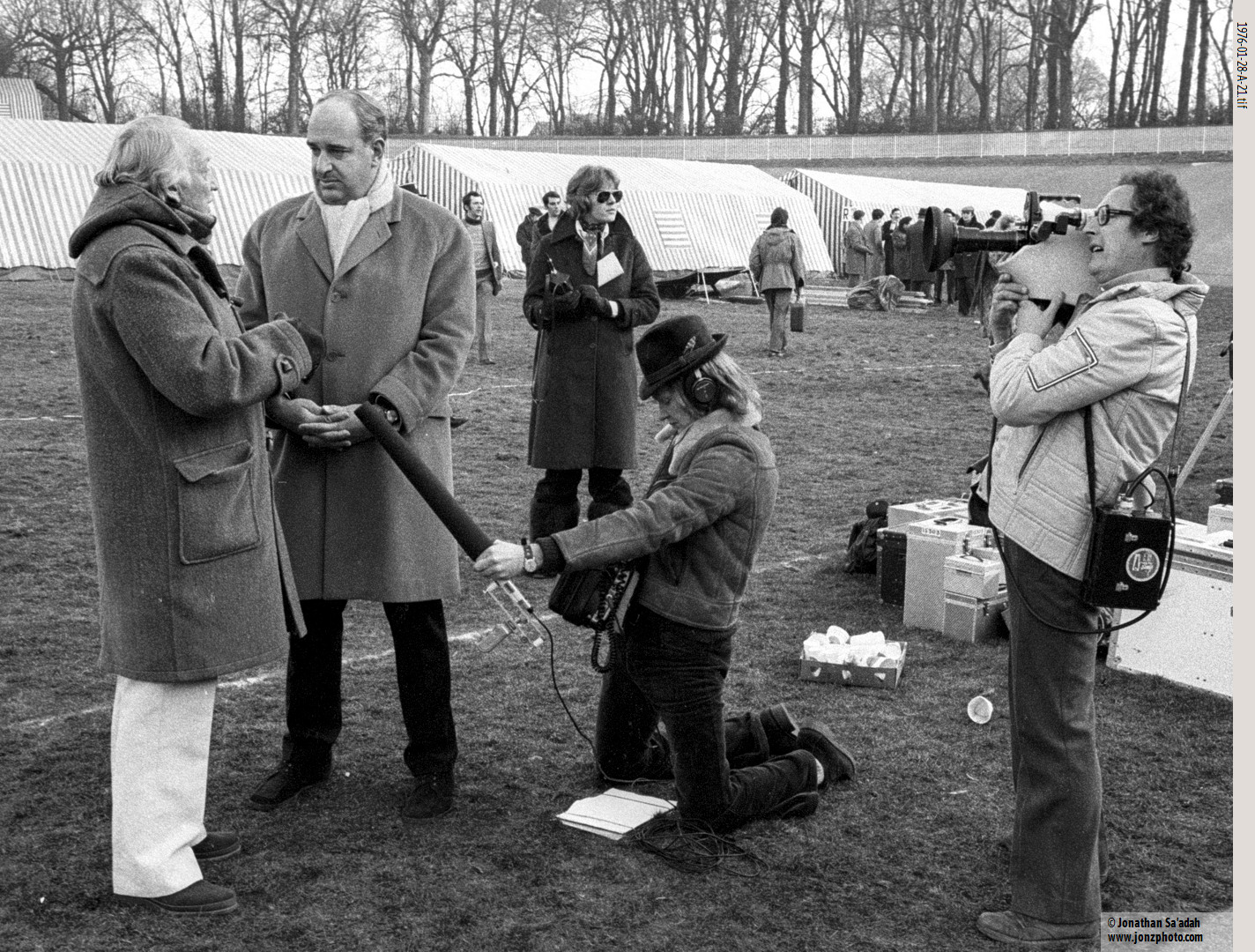
▲ Losey being interviewed for French TV in 1976. The striped tents in the background were used for dressing and makeup of the over 2,000 extras who were used in the stade scene filmed at the Vélodrome Municipal de Vincennes in the eastern part of Paris. Despite the constraints, Losey repeatedly found projects that resonated with his moral and political beliefs. He later acknowledged that being blacklisted had been a blessing, removing him from Hollywood’s commercial temptations and allowing him to develop as a serious filmmaker. His European period saw acclaimed collaborations with screenwriter Harold Pinter on The Servant, Accident, and The Go-Between.
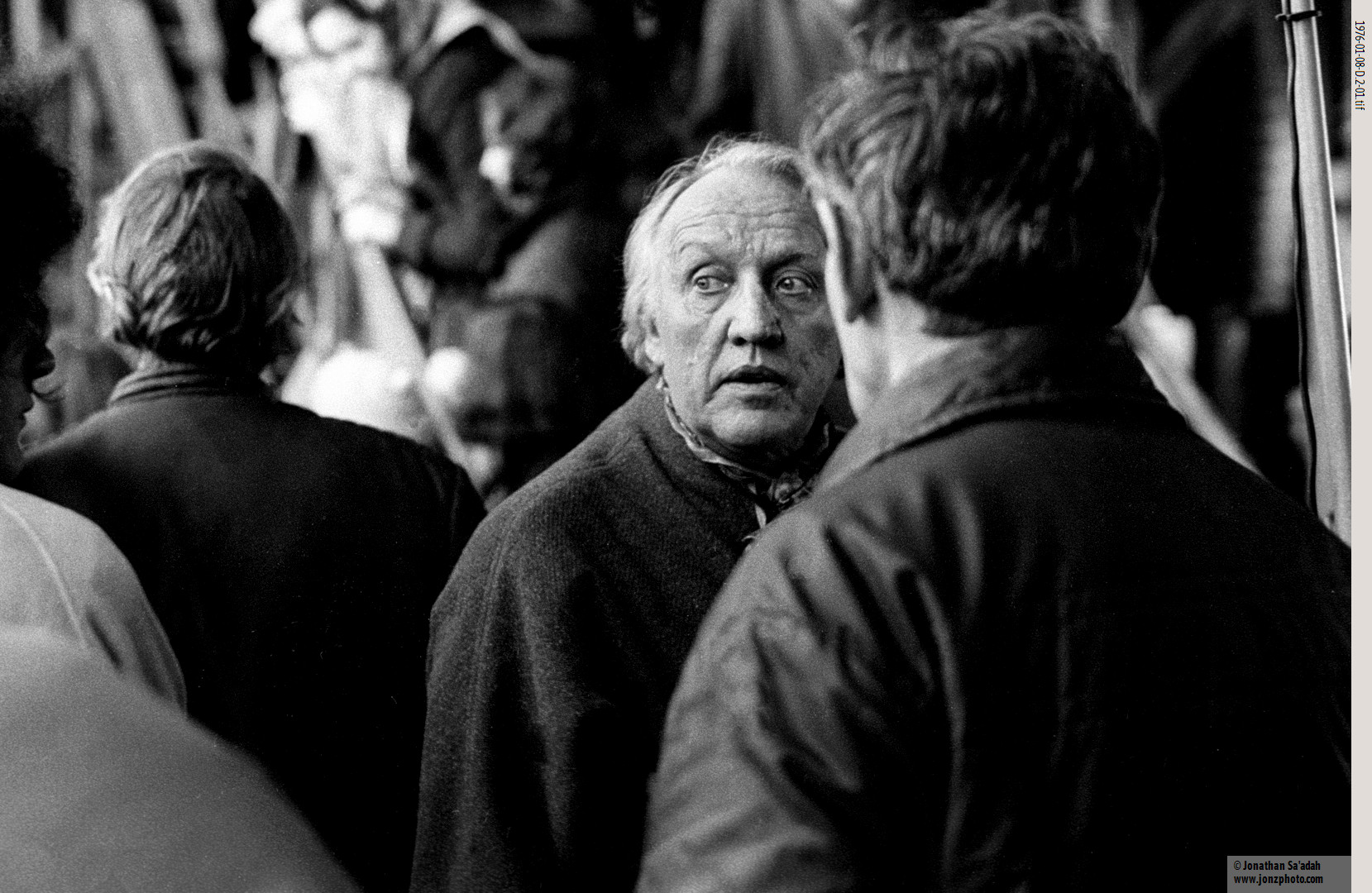
▲ Losey at Usine Citroën. The scene filmed here, when Klein is searching for his double’s girlfriend, was one of the few places in the film where Losey allowed a sympathetic view of humanity to show through the female workers in the wartime factory. The M Klein Production: A Career Pinnacle
By 1975, when Losey began work on M Klein in France, he had established himself as a major auteur in European cinema. The project came to him through actor Alain Delon, who owned the rights to the screenplay. Losey heard that Greek director Costa-Gavras had declined directing the film, and he contacted Delon. Delon was eager to work with a recognized auteur to enhance his serious acting credentials. Having previously collaborated successfully with Losey on The Assassination of Trotsky, the project went forward.
Losey’s personal history of political persecution and exile deeply informed his approach to M Klein, a film exploring themes of identity, persecution, and moral complicity in wartime France. Before production began, he worked with screenwriter Franco Solinas in the Italian coastal town of Fregene, with his wife Patricia serving as translator. Losey significantly revised the script, cutting an hour of material to create greater intensity and developing characters more fully, particularly the female roles.
The production process revealed Losey’s meticulous approach to film-making. His days began at 6:30 AM and extended past 7:00 PM with dailies, followed by planning for upcoming filming, business negotiations, and correspondence. The demanding schedule reflected his total commitment to the craft, a work ethic that impressed cast and crew alike.
The Director’s Burden and Vision
Losey’s approach to directing embodied the complex demands of the role – balancing financing, writing, casting, and countless daily decisions while maintaining artistic vision under commercial pressure. His reputation for integrity and refusal to compromise attracted top professionals who knew he would “stick to his guns.”
The production of M Klein exemplified these qualities. From the first day of shooting at Cachan, where actress Isabelle Sadoyan performed a brutal nude scene under carefully controlled conditions, Losey established a tone of mutual respect and professionalism. The international crew, including professionals from England, France, and Italy, responded to his leadership with enthusiasm and dedication.
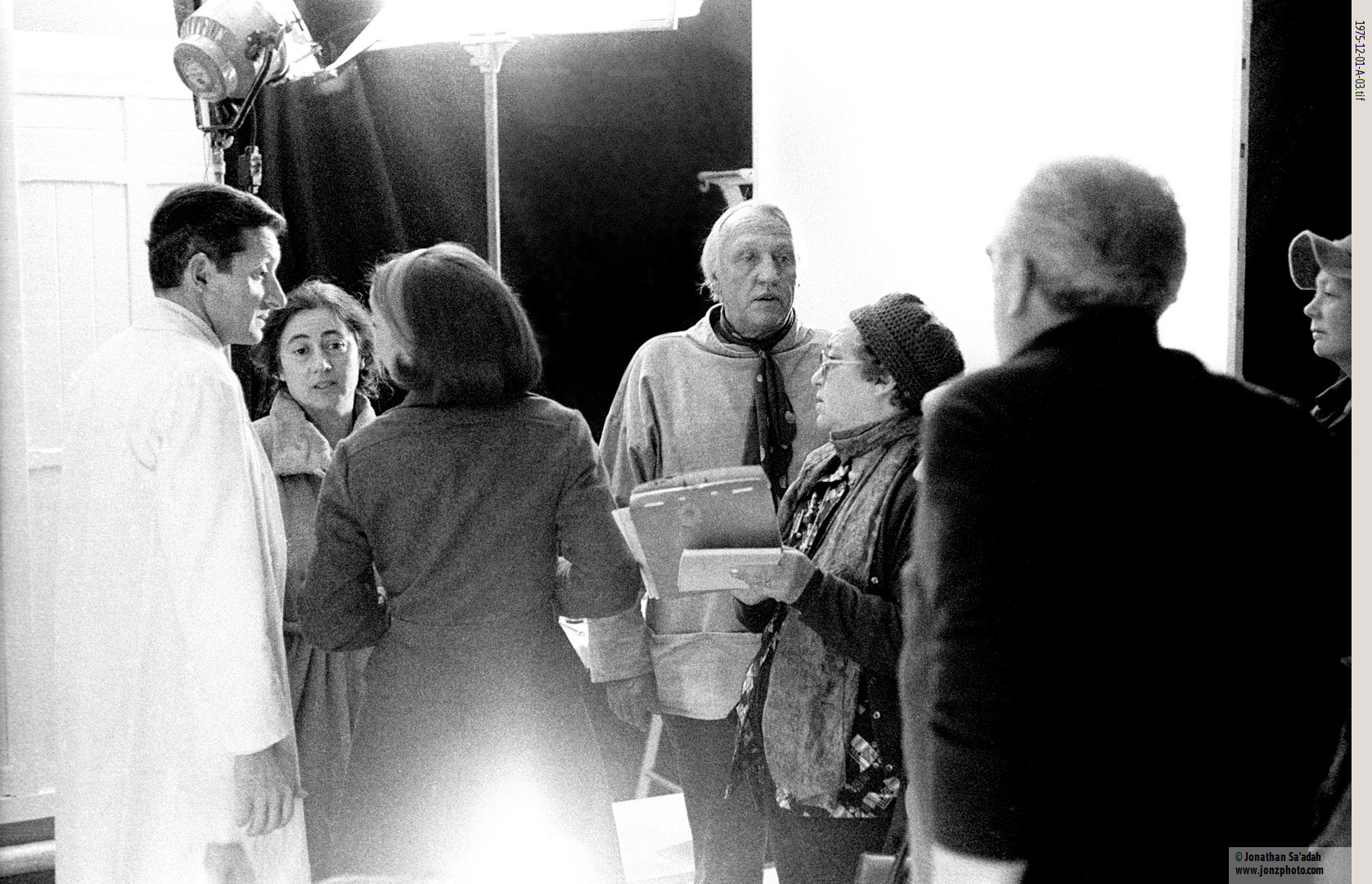
▲ Preparing to film at Cachan, south of Paris. Actress Isabelle Sadoyan is on the left in the robe, and far right Patricia Losey is just visible. This was the first day of filming and set the tone for the entire eight-week shooting schedule. Not every aspect of production went smoothly. On January 20, 1976, Alain Delon left the production in anger, threatening the film’s completion. Yet through Losey’s consistent honesty and professional integrity Delon was brought back in. Losey built sufficient trust among his collaborators to overcome such crises. He neither pulled punches nor compromised the truth, qualities that sustained his reputation throughout his career.
Legacy of an Artist in Exile
Joseph Losey’s career represents a unique trajectory in cinema history – an American artist who found his authentic voice only after being forced from his homeland. His story illustrates both the destructive power of political persecution and the possibility of artistic redemption through exile. The films he created in Europe, particularly his collaborations with Harold Pinter and works like M Klein, demonstrate how personal adversity can fuel artistic achievement.
Losey’s enduring influence lies not just in his films but in his embodiment of the artist as exile – someone who transformed displacement into creative advantage. His work continues to resonate with contemporary audiences because it addresses universal themes of alienation, identity, and moral choice while maintaining the technical excellence and narrative sophistication that mark great cinema.
The blacklisted director who fled McCarthyism ultimately created a body of work that stands as testament to artistic integrity. In losing his American career, Joseph Losey found his authentic voice as a filmmaker, proving that sometimes the greatest creative breakthroughs emerge from the most challenging circumstances.
Joseph Losey’s films
Date of release Film Country 1948 The Boy with Green Hair United States 1950 The Lawless United States 1951 M United States 1951 The Prowler United States 1951 The Big Night United States 1952 Stranger on the Prowl Italy 1954 The Sleeping Tiger United Kingdom 1956 The Intimate Stranger United Kingdom 1957 Time Without Pity United Kingdom 1958 The Gypsy and the Gentleman United Kingdom 1959 Blind Date United Kingdom 1960 The Criminal United Kingdom 1962 Eva Italy/France 1963 The Damned United Kingdom 1963 The Servant United Kingdom 1964 King & Country United Kingdom 1966 Modesty Blaise United Kingdom 1967 Accident United Kingdom 1968 Boom! United Kingdom 1968 Secret Ceremony United Kingdom 1970 Figures in a Landscape United Kingdom 1971 The Go-Between United Kingdom 1972 The Assassination of Trotsky Italy/France/United Kingdom 1973 A Doll’s House United Kingdom 1975 The Romantic Englishwoman United Kingdom 1975 Galileo United Kingdom 1976 Monsieur Klein France 1978 Roads to the South France 1979 Don Giovanni Italy/France 1982 La Truite France 1985 Steaming United Kingdom
More about Joseph Losey
Archer, Eugene. “Expatriate Retraces His Steps: Joseph Losey Changes Direction with His British ‘Servant.’” New York Times (1923-), March 15, 1964. 115707295. ProQuest Historical Newspapers: The New York Times.
Barthel, Joan. “I’m an American, for God’s Sake!” New York Times (1923-), March 26, 1967. ProQuest Historical Newspapers: The New York Times.
“BFI Screenonline: Losey, Joseph (1909-1984) Biography.” Accessed January 23, 2024. http://www.screenonline.org.uk/people/id/451136/index.html.
Canby, Vincent. “Cool, Elegant ‘Mr. Klein’ Is a Metaphorical Movie.” New York Times (1923-), 1977, 44.
Caute, David. Joseph Losey: A Revenge on Life. New York: Oxford University Press, 1994.
Ciment, Michel. Michel Ciment Interview Losey in Paris, 1976.
Film Director Joseph Losey and Playwright Harold Pinter Discuss “Accident”, 1967, 2024. https://www.youtube.com/watch?v=hhQQ-wBSQkI.
Galileo Protal. “Life of Galileo with Bertolt Brecht.” Museum, 2010. https://portalegalileo.museogalileo.it/egjr.asp?c=36300.
Gardner, Colin. “Joseph Losey.” In Joseph Losey, 1st ed. Manchester Film Studies. Manchester, UK: Manchester University Press, 2019.
Gavrik Losey, Son of Elizabeth Hawes, Oral History Interview, 2016 September 12, 2016. https://www.youtube.com/watch?v=yZkZTxWgMO8.
Goldberg, Eva. “Politics in American Popular Culture.” American Popular Culture. Accessed July 2, 2025. https://americanpopularculture.com/archive/politics/galileo.htm.
Goodman, Ezra. “Meet Pete-Roleum.” Sight and Sound, London: British Film Institute, Summer 1939. 1305505140. ProQuest One Literature.
Houston, Beverle, and Marsha Kinder. “The Losey-Pinter Collaboration.” Film Quarterly 32, no. 1 (1978): 17–30. https://doi.org/10.2307/1211896.
Houston, Penelope, and John Gillett. “Conversations with Nicholas Ray and Joseph Losey.” Sight and Sound, London: British Film Institute, Fall 1961. 1305505087. ProQuest One Literature.
Joseph Losey : Je n’irai Pas En Angleterre, 2012. https://www.youtube.com/watch?v=gTLxYCVUfSU.
Joseph Losey Tribute, 2018. https://www.youtube.com/watch?v=IMNxtkGpWtc.
Losey, Gavrik. Gavrik Losey Interview. The British Entertainment History Project, 2019. https://historyproject.org.uk/interview/gavrik-losey.
Losey, Joseph. Conversations with Losey. Edited by Michel Ciment. London ; New York: Methuen, 1985.
Palmer, James. The Films of Joseph Losey. Cambridge Film Classics. Cambridge: University Press, 1993.
Prime, Rebecca. “‘The Old Bogey’: The Hollywood Blacklist in Europe.” Film History: An International Journal, Indiana University Press, 2008.
Sarris, Andrew. . . . “. . . And the Man Who Made It: Joseph Losey.” New York Times (1923-), November 17, 1968. 118367559. ProQuest Historical Newspapers: The New York Times.
Weiss, Jason. “Screenwriters, Critics and Ambiguity: An Interview with Joseph Losey.” Cineaste Publishers, Inc., 1983.
-
Alexandre Trauner and Joseph Losey: Crafting the World of M Klein
When Joseph Losey set out to make M Klein in 1976, he turned to one of Europe’s most celebrated art directors, Alexandre Trauner, to help bring wartime Paris to life. Their collaboration on this film was not just a meeting of two accomplished professionals, but a convergence of personal histories and artistic philosophies that shaped the film’s haunting atmosphere and visual authenticity.
The Art Director’s Legacy
Alexandre Trauner was already a legend in the world of film design by the time he joined M Klein. Trained as a painter in Hungary, Trauner had built a career in France, working with some of the greatest directors of his era. His credits included an Oscar for Billy Wilder’s The Apartment and a reputation as the “dean of European art directors.” But for Trauner, M Klein was more than another prestigious project – it was deeply personal. Born Sándor Trau, he was a Hungarian Jew who had fled anti-Semitism in Hungary, only to face it again in Nazi-occupied France, where he went underground to survive.
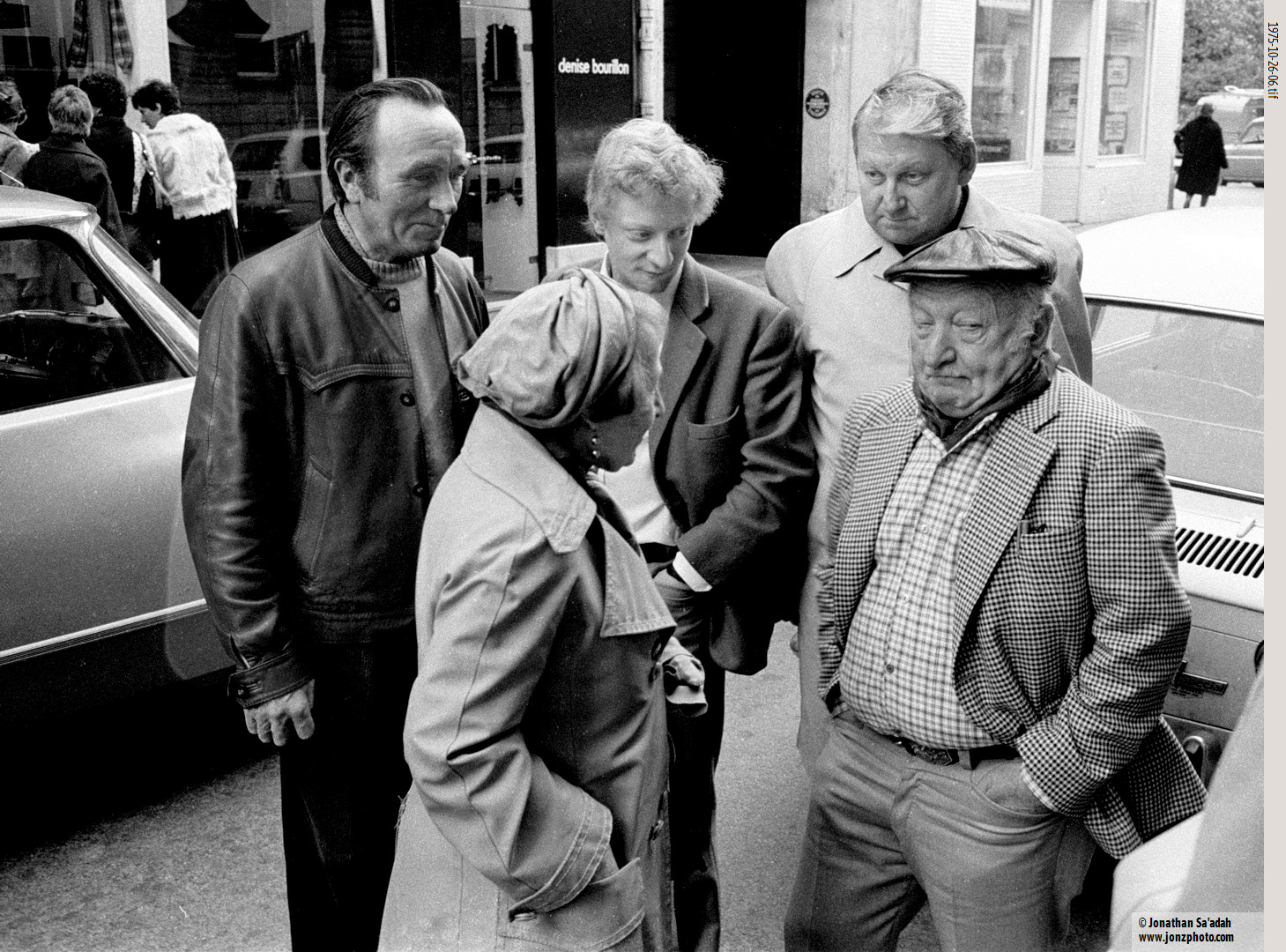
▲ Trademark Trauner Alexandre Trauner had nothing to prove at this point in his career. As a Jewish young man in Hungary he fled the right-wing authoritarian regime of Miklós Horthy, only to face the same situation in Paris when the Nazis captured the city. Building the World of M Klein
Losey’s vision for M Klein demanded a level of realism and atmosphere that only a master like Trauner could deliver. The film was shot both in the controlled environment of Studios de Boulogne and on locations throughout Paris. While Losey preferred the unpredictability and grit of real locations, he grudgingly acknowledged the advantages of studio work: flexibility, control over lighting, and the ability to reconfigure sets as needed. Trauner’s skill lay in making these studio sets feel as authentic and lived-in as the city streets outside.

▲ Trauner with assistants surveying part of Stage A at Studios de Boulogne. In 1976 this was the leading French film studio, hosting many French and American productions. - Studio Mastery: Trauner and his team transformed the cavernous Stage A at Boulogne into convincing interiors, using movable walls and ceilings to create dynamic spaces for the camera and actors.
- Location Expertise: Trauner’s intimate knowledge of Paris allowed him to identify and secure locations that captured the city’s wartime character, from rundown tenements to grand public buildings.
- Visual Storytelling: Trauner’s approach was less about literal storyboarding and more about mood, color, and the “dressing” of the set. With Losey’s input he translated the screenplay’s emotional cues into physical spaces that reflected the film’s themes of identity, suspicion, and moral ambiguity.
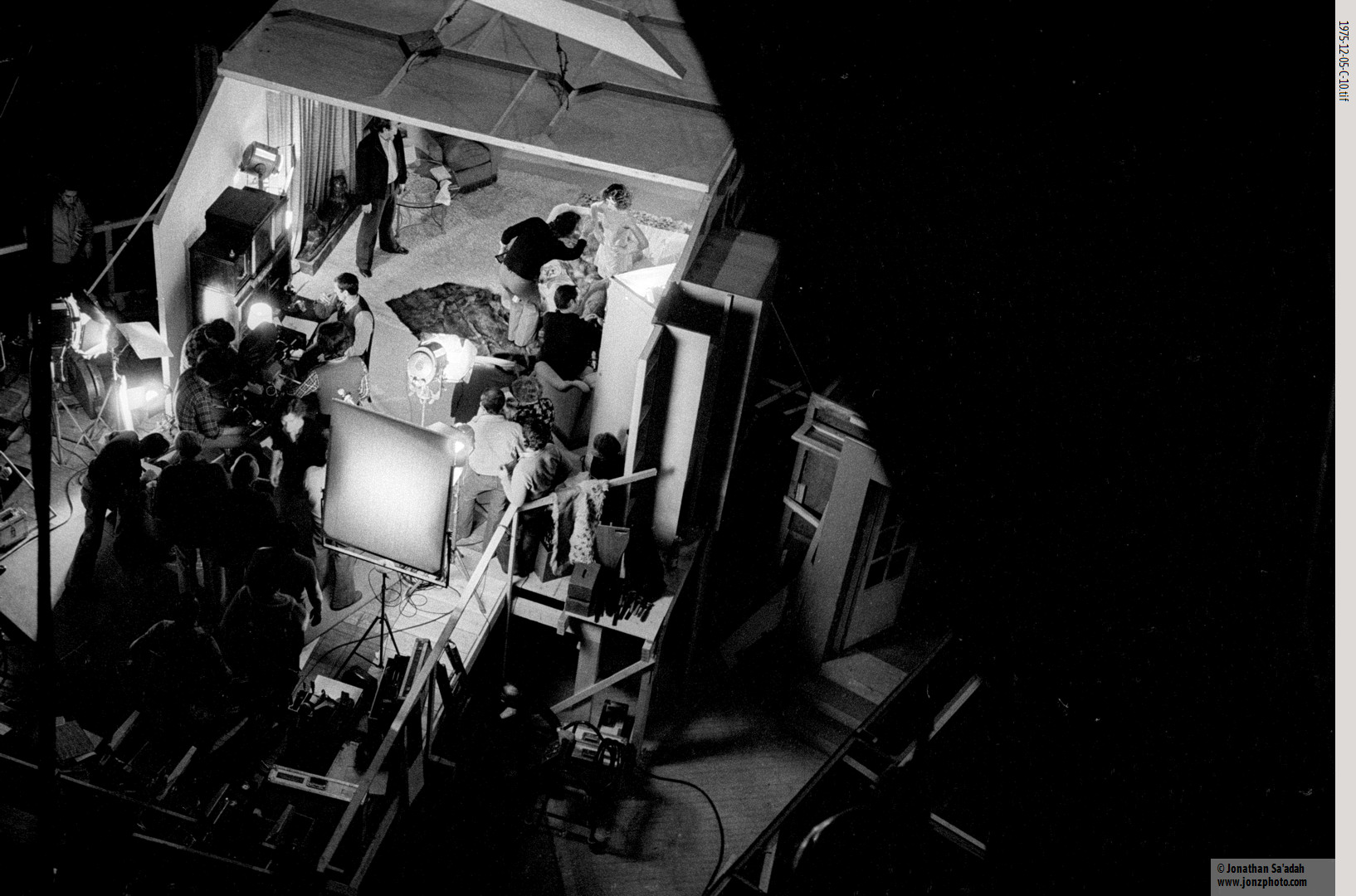
▲ With the walls and part of the ceiling removed, Klein’s bedroom has been transformed into a set for the scene where Jeanine reads from Moby Dick. Klein (Delon) sits at the desk, with the camera positioned right beside him. This photo, taken from a catwalk above, demonstrates the benefits of filming in a studio rather than on location: the space functions as a small stage set, offering flexibility and easy access for the crew. A Partnership of Trust and Professionalism
Losey’s previous long-term collaboration with art director Richard Macdonald had ended before M Klein, making his partnership with Trauner especially significant. Trauner brought a different energy: more structured, less chaotic, but equally committed to artistic excellence. Losey praised Trauner’s professionalism and his ability to immediately grasp and adapt to the director’s needs, saying, “There’s a kind of professionalism about Trauner and a kind of immediate recognition of what I want. Also, if I say to Trauner that something that he’s doing is wrong for me, whatever it may be…he understands and can change this immediately”.
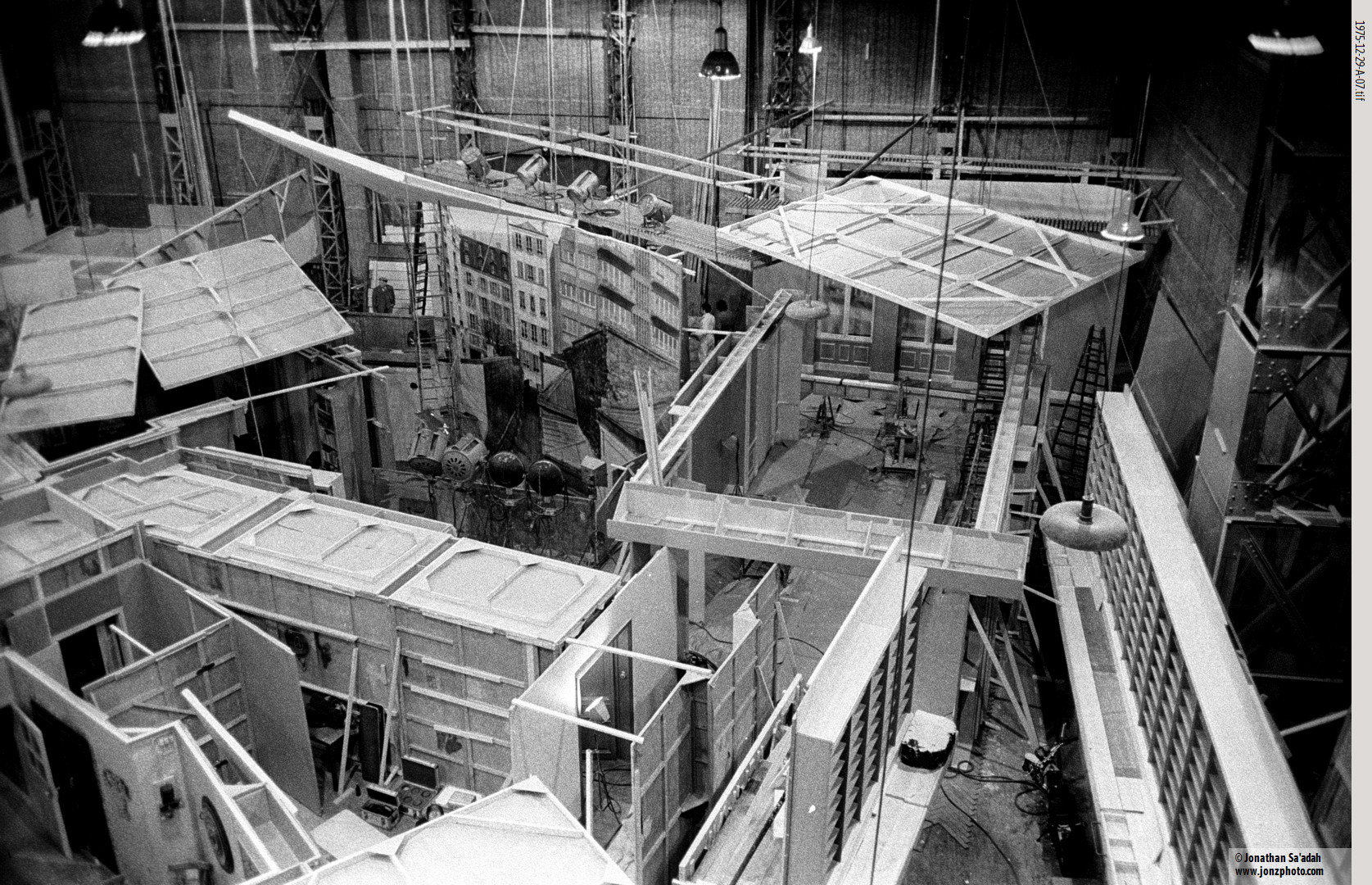
▲ A wider shot of Klein’s “apartment” from above. Note the large painted flats that formed “views” out windows. The small figure in the top left is Trauner. Personal History Meets Artistic Vision
What made Trauner’s contribution to M Klein so powerful was the way his personal history resonated with the film’s subject. Like Margot Capelier, the casting director, Trauner had lived through the Nazi occupation and the persecution of Jews in France. This experience gave him a unique sensitivity to the film’s themes and a determination to render them truthfully on screen. His bond with Capelier – her husband, Auguste Capelier, often collaborated with Trauner after the war – further deepened the sense of shared purpose among the creative team.
The Lasting Impact
The world that Trauner built for M Klein is more than a backdrop; it is a character in its own right, shaping the film’s mood and immersing viewers in the paranoia and uncertainty of occupied Paris. His work stands as a testament to the power of art direction in cinema and to the importance of personal history in shaping artistic achievement.
Through his collaboration with Joseph Losey, Alexandre Trauner helped make M Klein not just a film about history, but a living, breathing evocation of a world on the edge – crafted by someone who had survived its darkest days.
Alexandre Trauner’s Film Credits
Year Film Director Credit Awards 1932 À nous la liberté René Clair Assistant Set Designer 1935 La Kermesse héroïque Jacques Feyder Assistant Set Designer 1937 Drôle de drame Marcel Carné Set Designer 1938 Port of Shadows (Quai des brumes) Marcel Carné Set Designer 1938 Hôtel du Nord Marcel Carné Set Designer 1939 Le jour se lève Marcel Carné Set Designer 1942 Les Visiteurs du soir Marcel Carné Set Designer 1943 Lumière d’été Jean Grémillon Set Designer 1945 Children of Paradise (Les Enfants du paradis) Marcel Carné Set Designer 1946 Les Portes de la nuit Marcel Carné Set Designer 1948-1950 Othello Orson Welles Production Designer 1954 Du rififi chez les hommes Jules Dassin Production Designer 1955 Land of the Pharaohs Howard Hawks Art Director 1956 Love in the Afternoon Billy Wilder Art Director 1957 Witness for the Prosecution Billy Wilder Art Director 1959 The Nun’s Story Fred Zinnemann Art Director 1960 The Apartment Billy Wilder Art Director Academy Award for Best Art Direction (1961) 1961 One, Two, Three Billy Wilder Art Director 1961 Paris Blues Martin Ritt Art Director 1961 Goodbye Again Anatole Litvak Art Director 1962 Five Miles to Midnight Anatole Litvak Art Director 1964 Behold a Pale Horse Fred Zinnemann Production Designer 1966 How to Steal a Million William Wyler Production Designer 1967 The Night of the Generals Anatole Litvak Production Designer 1970 The Private Life of Sherlock Holmes Billy Wilder Production Designer 1974 The Man Who Would Be King John Huston Production Designer 1976 Mr. Klein Joseph Losey Production Designer César Award for Best Production Design (1977) 1977 Fedora Billy Wilder Production Designer 1978 Don Giovanni Joseph Losey Production Designer César Award for Best Production Design (1979) 1981 Coup de torchon Bertrand Tavernier Production Designer 1982 La Truite Joseph Losey Production Designer César Award for Best Production Design (1983) 1983 Tchao Pantin Claude Berri Production Designer 1985 Subway Luc Besson Production Designer César Award for Best Production Design (1986) 1985 Harem Arthur Joffé Production Designer 1986 Round Midnight Bertrand Tavernier Production Designer 1989 Reunion Jerry Schatzberg Production Designer 1990 The Rainbow Thief Alejandro Jodorowsky Production Designer
More about Alexandre Trauner
“Alexandre Trauner.” In Wikipedia, March 18, 2023. https://en.wikipedia.org/w/index.php?title=Alexandre_Trauner&oldid=1145366800.
“Alexandre Trauner | Film Art, Production Design & Cinematography | Britannica.” Accessed July 7, 2025. https://www.britannica.com/biography/Alexandre-Trauner.
Europe of Cultures. “Europe of Cultures – Alexandre Trauner, Decorator of Film Sets. – Ina.Fr.” http://fresques.ina.fr/europe-des-cultures-en/fiche-media/Europe00130/alexandre-trauner-decorator-of-film-sets.html.
Forbes, Jill. “Alexandre Trauner.” Sight and Sound, London: British Film Institute, Fall 1986. 1305511273. ProQuest One Literature.
Giquello, Binoche et. Alexandre Trauner – Jacques Prévert: Correspondances, Dessins, Maquettes, Carnets, Photographies, Collages, 1932-1976. Binoche et Giquello, 2012.
Imdb. “Alexandre Trauner | Production Designer, Art Director, Set Decorator.” https://www.imdb.com/name/nm0871202/.
McCann, Ben. “What Trauner Did next: The Continuation of a French Design Aesthetic in an American Context.” French Cultural Studies 20, no. 1 (February 1, 2009): 65–81. https://doi.org/10.1177/0957155808099344.
McCann, Benjamin Edward. “Set Design, Spatial Configurations and the Architectonics of 1930s French Poetic Realist Cinema,” n.d.
Mubi. “Images of the Day. From Sketch to the Screen: ‘Hôtel Du Nord’ (1938),” October 9, 2010. https://mubi.com/notebook/posts/images-of-the-day-from-sketch-to-the-screen-hotel-du-nord-1938.
Webformance. “Trauner, Sándor (Alexandre Trauner) (1906 – 1993) – Famous Hungarian Painter, Graphic.” Kieselbach. https://www.kieselbach.hu/artist/trauner_-sandor-_alexandre-trauner__1948.